🎗️ Invasive Ductal Carcinoma (IDC): A Comprehensive Overview of Types, Causes, Diagnosis, Treatment, and Survival
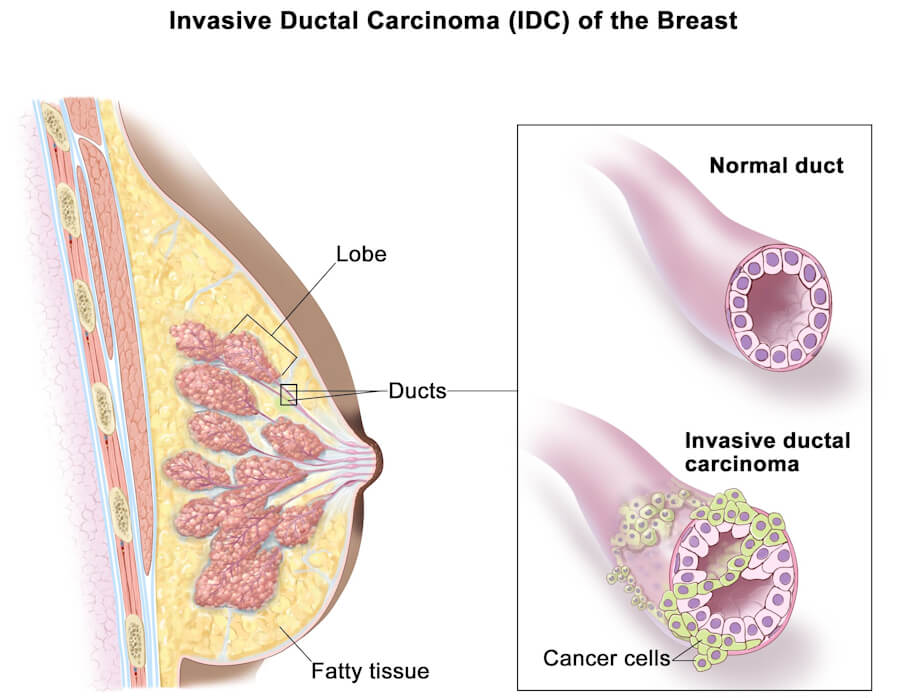
Invasive ductal carcinoma (IDC) , also called infiltrating ductal carcinoma, is the most common type of breast cancer, accounting for approximately 70–80% of all invasive breast cancer diagnoses in women and about 98% of male breast cancers. It begins in the cells that line the milk ducts of the breast and breaks through the duct walls to invade the surrounding breast tissue. From there, cancer cells can enter the bloodstream or lymphatic system and spread to other parts of the body. While IDC can be life-threatening, outcomes have improved dramatically with advances in screening, diagnosis, and multimodal treatment. When detected early, IDC is often curable. This article provides an in-depth, evidence-based overview of IDC, covering its classification, causes, prevention, symptoms, diagnostic methods, treatment modalities, staging, metastatic patterns, survival statistics, and frequently asked questions.
🔬 What Is IDC? Definition and ICD-10 Classification
Invasive ductal carcinoma is a malignant neoplasm that arises from the epithelial lining of the breast ducts and demonstrates invasion beyond the ductal basement membrane into the surrounding stroma. The term “invasive” distinguishes IDC from ductal carcinoma in situ (DCIS) , a non-invasive lesion in which malignant cells remain confined within the duct.
The International Classification of Diseases, Tenth Revision (ICD-10) assigns the code C50 to malignant neoplasm of the breast, with anatomical subcategories that specify the quadrant of involvement. IDC itself is coded as C50.- with the morphology code 8500/3 (invasive ductal carcinoma, no special type) in the International Classification of Diseases for Oncology (ICD-O-3) .
📍 ICD-10 Topography Codes for Breast (C50)
-
C50.0: Nipple and areola
-
C50.1: Central portion of breast
-
C50.2: Upper-inner quadrant (UIQ)
-
C50.3: Lower-inner quadrant (LIQ)
-
C50.4: Upper-outer quadrant (UOQ)
-
C50.5: Lower-outer quadrant (LOQ)
-
C50.6: Axillary tail
-
C50.7: Overlapping lesion of breast
-
C50.8: Other specified sites
-
C50.9: Breast, unspecified
The WHO Classification of Tumours of the Breast (5th edition) provides the histological framework for classifying IDC and its subtypes. Most invasive breast carcinomas do not exhibit specific histological features in more than 90% of the tumor and are designated as invasive breast carcinoma of no special type (NST) , which is synonymous with IDC not otherwise specified (NOS).
🧬 Types of Invasive Ductal Carcinoma
IDC can be classified according to its histological pattern (special types) and its molecular subtype (biomarker profile). Both systems have important prognostic and therapeutic implications.
🔬 Histological Subtypes
Most IDCs are classified as invasive ductal carcinoma of no special type (NST) . Approximately 25% of invasive breast cancers are defined as histological “special types,” which include several variants that arise within the ductal lineage:
-
Tubular carcinoma: A well-differentiated tumor composed of tubular structures. It has an excellent prognosis and prevalence of less than 2%.
-
Cribriform carcinoma: Characterized by a cribriform (sieve-like) growth pattern. It also carries a favorable prognosis.
-
Mucinous carcinoma: Characterized by abundant extracellular mucin. It tends to occur in older women and has a relatively good prognosis.
-
Micropapillary carcinoma: Characterized by small papillary clusters of tumor cells within stromal spaces. It has a higher propensity for lymph node metastasis. Prevalence is less than 2%.
-
Medullary carcinoma: Characterized by a solid, syncytial growth pattern with a prominent lymphocytic infiltrate. It is more common in younger women and in BRCA1 mutation carriers. Prevalence is 1–5%.
-
Metaplastic carcinoma: A rare, aggressive subtype containing both epithelial and mesenchymal components. Prevalence is less than 1%.
-
Invasive papillary carcinoma: Characterized by papillary architecture with invasion.
-
Apocrine carcinoma: Exhibits apocrine differentiation.
🧪 Molecular Subtypes (Biomarker Classification)
IDC is routinely tested for hormone receptors (ER and PR) and HER2 expression. These biomarkers define molecular subtypes that guide treatment:
-
Hormone receptor-positive/HER2-negative (HR+/HER2−) : The most common subtype, accounting for approximately 69% of invasive breast cancers, most of which are IDC. These tumors are driven by estrogen and/or progesterone and may benefit from endocrine therapy.
-
HER2-positive/HR-negative: Accounts for approximately 4% of invasive breast cancers. These tumors overexpress HER2 protein and are treated with anti-HER2 targeted therapies.
-
HER2-positive/HR-positive: Accounts for approximately 10% of invasive breast cancers and is driven by both hormone and HER2 signaling.
-
Triple-negative breast cancer (TNBC) : Accounts for approximately 10% of invasive breast cancers and lacks ER, PR, and HER2 expression. It is more aggressive and has a higher risk of early recurrence.
Understanding the molecular subtype is essential for personalized treatment planning.
⚠️ What Causes IDC? Risk Factors and Etiology
The exact cause of IDC is not fully understood, but research has identified multiple genetic, hormonal, and lifestyle factors that contribute to its development.
🧬 Genetic and Hereditary Factors
Inherited mutations in BRCA1 and BRCA2 significantly increase the risk of developing IDC, particularly triple-negative and medullary subtypes. Other high-risk genes include TP53 (Li-Fraumeni syndrome), PTEN (Cowden syndrome), and CDH1. A family history of breast cancer, especially in a first-degree relative, is a major risk factor.
🧪 Hormonal and Reproductive Factors
-
Early menarche (before age 12) and late menopause (after age 55) increase lifetime estrogen exposure.
-
Nulliparity (never having been pregnant) or having a first child after age 30.
-
Prolonged use of combined estrogen-progestin hormone replacement therapy (HRT) after menopause.
-
Hormone imbalances and menopause status contribute to IDC risk.
🏃 Lifestyle and Environmental Factors
-
Age: Risk increases with age; IDC typically affects women aged 55 and older.
-
Alcohol consumption: A dose-dependent increase in risk.
-
Obesity: Particularly postmenopausal obesity.
-
Physical inactivity.
-
Prior chest radiation therapy, especially during adolescence.
-
Smoking may be associated with increased risk.
🩺 Benign Breast Disease
A history of certain benign breast conditions, such as atypical ductal hyperplasia (ADH) or lobular carcinoma in situ (LCIS) , increases the risk of subsequent invasive breast cancer.
🛡️ How to Avoid and Prevent IDC
There is no definitive way to prevent IDC, but evidence-based strategies can significantly reduce risk.
🥗 Lifestyle Modifications
-
Maintain a healthy weight: Obesity is a modifiable risk factor. Weight loss, particularly after menopause, reduces risk.
-
Limit alcohol: Even moderate consumption increases risk. The American Cancer Society recommends no more than one drink per day for women.
-
Stay physically active: Aim for at least 150 minutes of moderate-intensity exercise per week.
-
Eat a balanced diet: Emphasize fruits, vegetables, whole grains, and lean proteins; limit processed foods and saturated fats.
-
Quit smoking: Smoking cessation is recommended for overall cancer risk reduction.
💊 Risk-Reducing Medications (Chemoprevention)
For women at high risk (e.g., those with atypical hyperplasia, LCIS, or a strong family history), medications such as tamoxifen or raloxifene may be offered to reduce the risk of hormone receptor-positive breast cancer.
🔪 Risk-Reducing Surgery
Women with very high-risk genetic mutations (e.g., BRCA1/BRCA2) may consider prophylactic bilateral mastectomy, which reduces breast cancer risk by approximately 90–95% . This is a highly personal decision that requires multidisciplinary counseling.
🔍 Screening and Early Detection
Mammography is the primary screening tool for IDC. The American Cancer Society recommends that women at average risk have the option to begin annual mammograms at age 40, start annual screening at age 45, and transition to biennial screening at age 55 or continue annually. Women at high risk may begin screening earlier with MRI in addition to mammography. Screening detects IDC before symptoms develop, when the disease is most treatable and often curable.
🚨 Symptoms and Early Warning Signs
Many IDCs are detected by screening mammography before any symptoms appear. When symptoms do occur, the most common presentation is a painless lump in the breast or armpit.
⚠️ Common Signs and Symptoms
-
A new lump or mass: The most common symptom. It may feel firm, irregular, and fixed to surrounding tissue.
-
A change in the size, shape, or contour of the breast.
-
A lump or thickening in or near the breast or underarm that persists through the menstrual cycle.
-
Skin changes: Dimpling, puckering, redness, or scaliness of the breast skin. Peau d’orange (orange-peel dimpling) may indicate lymphatic involvement.
-
Nipple changes: Nipple retraction (turning inward), crusting, ulceration, or discharge (especially bloody or clear fluid).
-
Breast asymmetry: One breast becomes noticeably larger than the other.
🔍 When to Seek Medical Attention
Any persistent breast change—especially a new lump—should be evaluated by a healthcare professional. While most breast lumps are benign, only a clinician can determine the cause and rule out malignancy. Early diagnosis is associated with significantly better outcomes.
🩺 Diagnosis: Mammography, Ultrasound, MRI, and Biopsy
Diagnosing IDC involves a combination of clinical evaluation, imaging studies, and tissue sampling.
🖥️ Mammography
Diagnostic mammography (with additional views) is typically the first imaging study for a suspicious breast finding. It can characterize the size, shape, and margins of a mass and detect suspicious microcalcifications. Digital breast tomosynthesis (3D mammography) is often used and is considered “usually appropriate” for evaluating newly diagnosed invasive breast cancer.
🔊 Breast Ultrasound
Ultrasound is “usually appropriate” for evaluating the extent of locoregional disease in newly diagnosed IDC. It helps distinguish solid masses from cysts, characterizes lymph nodes (axillary ultrasound), and guides biopsies.
🧲 Magnetic Resonance Imaging (MRI)
Breast MRI with IV contrast is “usually appropriate” for newly diagnosed IDC, particularly for evaluating disease extent, detecting additional ipsilateral or contralateral lesions, and planning breast-conserving surgery. MRI is especially valuable in women with dense breast tissue or those at high risk.
🖥️ Computed Tomography (CT)
CT scans of the chest, abdomen, and pelvis are generally not routinely indicated for early-stage IDC (Stage I–IIA) because the incidence of distant metastasis is extremely low. CT is reserved for patients with Stage III or IV disease or those with symptoms suggesting distant spread.
🦴 Bone Scan and PET/CT
Similarly, bone scans and FDG-PET/CT are “usually not appropriate” for early-stage disease and are used selectively in advanced disease to evaluate for distant metastases.
🔬 Biopsy
A core needle biopsy is the standard method for diagnosing IDC. It provides sufficient tissue for histological grading, biomarker testing (ER, PR, HER2), and molecular profiling. Fine-needle aspiration (FNA) may be used for lymph node assessment but is insufficient for primary tumor diagnosis. Surgical (excisional) biopsy is rarely used for initial diagnosis but may be necessary in certain situations.
🧪 Pathology and Biomarker Testing
The pathology report for IDC includes:
-
Histological grade (Nottingham grading system, based on tubule formation, nuclear pleomorphism, and mitotic count).
-
Hormone receptor status (ER and PR).
-
HER2 status (immunohistochemistry and/or in situ hybridization).
-
Proliferation index (Ki-67).
-
Lymphovascular invasion.
-
Margins (for excisional specimens).
Multigene assays (e.g., Oncotype DX, MammaPrint) may be used for ER-positive, HER2-negative early-stage disease to guide adjuvant chemotherapy decisions.
📊 Stages of IDC: The TNM and AJCC Prognostic Staging Systems
Staging describes the anatomical extent of the cancer and is essential for prognosis and treatment planning. The AJCC 8th edition staging system integrates the traditional TNM classification with biological biomarkers (grade, ER, PR, HER2) to create prognostic stage groups that provide more refined survival stratification than anatomical stage alone.
🔬 TNM Categories
-
T (Tumor) : Describes the size and extent of the primary tumor (T1–T4). T1 tumors are ≤2 cm; T2 are >2 cm but ≤5 cm; T3 are >5 cm; T4 tumors invade the chest wall or skin.
-
N (Nodes) : Describes regional lymph node involvement (N0–N3). N1 indicates movable ipsilateral axillary nodes; N2 indicates fixed or matted nodes; N3 indicates infraclavicular, supraclavicular, or internal mammary node involvement.
-
M (Metastasis) : M0 indicates no distant metastasis; M1 indicates distant metastasis.
🎯 Anatomic Stage Groups (Simplified)
-
Stage 0: DCIS (non-invasive).
-
Stage I: Invasive cancer ≤2 cm without lymph node involvement (or minimal nodal involvement).
-
Stage II: Tumor 2–5 cm with or without limited nodal involvement, or tumor >5 cm without nodal involvement.
-
Stage III: Locally advanced disease with extensive nodal involvement or chest wall/skin invasion.
-
Stage IV: Distant metastasis.
🧬 Prognostic Stage
The AJCC 8th edition prognostic stage incorporates grade, ER/PR status, and HER2 status alongside TNM. For example, a small, well-differentiated, ER-positive, HER2-negative tumor may be assigned a lower prognostic stage than a larger, high-grade, triple-negative tumor with the same anatomical extent. This refined system improves prognostic accuracy and helps tailor treatment intensity.
🌐 Metastasis: The Spread of IDC
Metastasis is the spread of cancer cells from the primary tumor to distant organs. IDC most commonly spreads first to the regional lymph nodes (axillary, infraclavicular, supraclavicular, and internal mammary nodes). Once cancer cells enter the bloodstream, they can disseminate to distant sites.
🎯 Common Sites of Distant Metastasis
The most common sites of distant metastasis in breast cancer, including IDC, are:
-
Bone: The most frequent site. Bone metastases can cause pain, pathologic fractures, hypercalcemia, and spinal cord compression.
-
Lung: Pulmonary metastases may cause cough, dyspnea, or pleural effusion.
-
Liver: Hepatic metastases may cause abdominal pain, jaundice, or liver dysfunction.
-
Brain: Brain metastases can cause headache, seizures, neurological deficits, and cognitive changes.
The pattern of metastasis can vary by molecular subtype. For example, HR-positive/HER2-negative tumors have a tendency for bone metastases, while triple-negative and HER2-positive tumors are more likely to metastasize to visceral organs (lung, liver, brain) . Among patients with metastatic IDC, those with brain or lung metastasis have worse overall survival compared to those with bone-only disease.
💊 Treatment: Surgery, Radiation, Chemotherapy, Endocrine Therapy, Targeted Therapy, and Immunotherapy
Treatment for IDC is multimodal and personalized based on stage, molecular subtype, menopausal status, and patient preferences. The current standard of care for early-stage breast cancer includes surgery (lumpectomy or mastectomy), often followed by radiation therapy and systemic therapy (chemotherapy, endocrine therapy, targeted therapy) .
🔪 Surgery
Breast-conserving surgery (lumpectomy) followed by radiation therapy is equivalent in survival to mastectomy for most early-stage IDC. Sentinel lymph node biopsy (SLNB) is the standard for axillary staging in clinically node-negative disease; axillary lymph node dissection (ALND) is reserved for node-positive cases or specific indications. Mastectomy may be required for larger tumors, multicentric disease, or patient preference.
☢️ Radiation Therapy
Adjuvant radiation therapy after breast-conserving surgery significantly reduces the risk of local recurrence and is standard of care. Post-mastectomy radiation is recommended for patients with large tumors (T3–T4) or four or more involved axillary lymph nodes.
💊 Chemotherapy
Neoadjuvant chemotherapy (given before surgery) is used for locally advanced (Stage III) or high-risk early-stage IDC, particularly for triple-negative and HER2-positive subtypes, to shrink the tumor and assess response. Adjuvant chemotherapy (given after surgery) is recommended for high-risk ER-positive/HER2-negative disease (guided by genomic assays) and for triple-negative or HER2-positive disease. Common regimens include anthracycline-taxane combinations (e.g., AC-T) and docetaxel-cyclophosphamide (TC) .
🎯 Endocrine (Hormone) Therapy
For hormone receptor-positive (ER+ and/or PR+) IDC, endocrine therapy is a cornerstone of treatment and is recommended for 5–10 years :
-
Tamoxifen: A selective estrogen receptor modulator (SERM), used for premenopausal and postmenopausal women.
-
Aromatase inhibitors (AIs) : Anastrozole, letrozole, or exemestane, used for postmenopausal women. AIs are more effective than tamoxifen in postmenopausal, node-positive disease.
-
Ovarian suppression (e.g., GnRH agonists) may be added for high-risk premenopausal women.
🎯 Targeted Therapy
-
Anti-HER2 therapy: Trastuzumab (Herceptin) and pertuzumab are monoclonal antibodies used for HER2-positive IDC, given in combination with chemotherapy. Trastuzumab emtansine (T-DM1) and trastuzumab deruxtecan are antibody-drug conjugates used in later lines.
-
CDK4/6 inhibitors: Palbociclib, ribociclib, and abemaciclib are used in combination with endocrine therapy for high-risk ER-positive, HER2-negative early-stage and metastatic disease. The NATALEE trial supported the use of ribociclib in the adjuvant setting for a broader population of HR+/HER2− early breast cancer.
-
PI3K inhibitors (e.g., alpelisib) are used for PIK3CA-mutated HR-positive metastatic disease.
-
PARP inhibitors (e.g., olaparib, talazoparib) are used for BRCA-mutated HER2-negative disease.
-
mTOR inhibitors (e.g., everolimus) are used in combination with endocrine therapy.
🛡️ Immunotherapy
Immune checkpoint inhibitors (e.g., pembrolizumab) combined with chemotherapy are used for triple-negative breast cancer (TNBC), particularly in the neoadjuvant setting for high-risk early-stage disease and in metastatic PD-L1-positive disease.
📈 Cure Rate and Survival Rate
Survival rates for IDC have improved substantially due to earlier detection and more effective therapies. The 5-year relative survival rate for all stages of breast cancer combined is approximately 90–92% . For IDC specifically, the 5-year overall survival rate is approximately 95% in contemporary series.
🎯 5-Year Relative Survival by SEER Stage (Breast Cancer, All Types)
-
Localized disease (confined to the breast): >99%
-
Regional disease (spread to nearby lymph nodes): 87%
-
Distant metastatic disease: 27–33% (estimates vary by data source and year)
-
All stages combined: 90–92%
📊 Stage-Specific Survival for IDC
A large surgical series of IDC patients reported the following 5-year and 10-year overall survival rates:
-
Stage I: 5-year OS 97.7% ; 10-year OS 94.4%
-
Stage II: 5-year OS approximately 94% ; 10-year OS approximately 90%
-
Stage III: 5-year OS approximately 80–90% ; 10-year OS approximately 70%
-
Stage IV: 5-year OS approximately 30–40% ; 10-year OS approximately 30%
These figures underscore the critical importance of early detection: survival is excellent for localized disease but drops sharply once distant metastasis occurs.
⏳ Life Expectancy With and Without Treatment
The natural history of untreated breast cancer, including IDC, is highly variable and depends on tumor biology, stage, and host factors.
⏳ Without Treatment
Historical and contemporary studies of untreated breast cancer provide the following estimates:
-
In most reports, patients survived approximately 3–4 years without any type of treatment.
-
Approximately 5–10% of untreated patients lived longer than 10 years.
-
One-fifth of untreated breast cancer patients were alive after 5 years in some cohorts.
-
A large historical series found actuarial 5-year and 10-year survival rates of 18.4% and 3.6% , respectively, in untreated patients.
-
For untreated triple-negative breast cancer, median survival times were 65 months for stage I, 28 months for stage II, 11 months for stage III, and 3 months for stage IV.
💊 With Treatment
With modern multimodal therapy:
-
Early-stage IDC (Stages I–II) has an excellent prognosis, with 5-year survival exceeding 95% and many patients achieving long-term cure.
-
Locally advanced IDC (Stage III) has a 5-year survival of approximately 80–90% with combined modality therapy.
-
Metastatic IDC (Stage IV) is generally not curable, but systemic therapy can extend survival. Median overall survival for metastatic breast cancer is approximately 2–3 years, with some patients—particularly those with hormone receptor-positive, HER2-positive, or bone-only disease—living significantly longer. For patients with metastatic IDC, the 5-year overall survival rate is approximately 30–40% in contemporary series, reflecting improvements in targeted therapy and supportive care.
📌 Facts and Statistics
-
IDC accounts for approximately 70–80% of all invasive breast cancers in women and 98% of male breast cancers.
-
In 2025, an estimated 319,750 new cases of invasive breast cancer were diagnosed in the United States.
-
Infiltrating ductal carcinoma represents approximately 85.1% of all breast cancer cases in large U.S. registries.
-
69% of invasive breast cancers (most of which are IDC) are hormone receptor-positive/HER2-negative; 10% are triple-negative; 4% are HER2-positive/HR-negative; and 10% are HER2-positive/HR-positive.
-
The 5-year relative survival rate for localized breast cancer is >99% ; for regional disease, 87% ; and for distant metastatic disease, approximately 30%.
-
IDC has a slightly worse overall survival compared to invasive lobular carcinoma (ILC) in some series, though differences are modest and stage-dependent.
-
The incidence of IDC has increased over the past 20 years, partly due to increased screening and detection.
-
Early detection through mammography is the most important factor in achieving high cure rates.
❓ Questions and Answers
Basics & Fundamental Understanding
1. What is invasive ductal carcinoma (IDC)?
IDC is breast cancer that starts in the milk ducts and spreads into the surrounding breast tissue; it is the most common type of breast cancer.
2. What does “invasive” mean in IDC?
“Invasive” means the cancer has broken through the duct wall and entered surrounding breast tissue, gaining the ability to spread.
3. What is infiltrating ductal carcinoma?
“Infiltrating ductal carcinoma” is simply another name for invasive ductal carcinoma (IDC).
4. How common is invasive ductal carcinoma?
IDC accounts for approximately 70–80% of all breast cancer diagnoses worldwide.
5. Is IDC the most common type of breast cancer?
Yes, IDC is unequivocally the most common type of breast cancer in both women and men.
6. What is the difference between IDC and DCIS?
DCIS (ductal carcinoma in situ) is non-invasive; cancer cells remain confined to the duct. IDC is invasive because cells have broken out of the duct into surrounding tissue.
7. What is the difference between IDC and ILC (Invasive Lobular Carcinoma)?
IDC starts in milk ducts; ILC starts in the milk-producing lobules. IDC is far more common (70–80%) than ILC (10–15%).
8. Where does IDC start in the body?
IDC starts in the epithelial cells lining the milk ducts of the breast.
9. Can men get invasive ductal carcinoma?
Yes. IDC is also the most common form of male breast cancer, accounting for roughly 85–90% of male cases.
10. Is IDC hereditary?
Most IDC cases are sporadic. Only about 5–10% of breast cancers are linked to inherited mutations such as BRCA1/BRCA2.
11. Is IDC considered aggressive?
IDC can be aggressive, but behavior varies by grade, stage, and receptor status. Early-stage IDC is often highly treatable.
12. Is IDC curable?
Stages 0–III IDC are potentially curable with multimodality treatment. Stage IV is generally not curable but is treatable.
13. Is IDC stage 1 curable?
Yes. Stage I IDC has an excellent prognosis; 5-year overall survival is approximately 97–98%.
14. Is IDC a fast-growing cancer?
Growth rate depends on grade. Grade 3 (high-grade) IDC tends to grow faster than grade 1 or 2 tumors.
15. What causes cells in milk ducts to become invasive?
Accumulated genetic and epigenetic changes allow ductal cells to breach the basement membrane and invade stroma; hormonal and microenvironmental factors contribute.
16. Can IDC metastasize to other organs?
Yes. IDC can spread via lymphatics or bloodstream to bones, lungs, liver, and brain.
17. What are the subtypes of invasive ductal carcinoma?
Histologic special types include tubular, mucinous (colloid), medullary, papillary, cribriform, micropapillary, and metaplastic carcinoma, among others.
18. What is tubular invasive ductal carcinoma?
A rare, well-differentiated subtype with excellent prognosis; often small and slow-growing.
19. What is mucinous ductal carcinoma?
A subtype characterized by abundant extracellular mucin; generally occurs in older women and carries a favorable prognosis.
20. What is medullary breast carcinoma?
A rare subtype (3–5% of breast cancers) with a well-defined mass and often a better prognosis than IDC-NOS.
21. What is papillary invasive carcinoma?
A rare subtype with papillary architecture; prognosis is generally favorable but depends on associated features.
22. What is cribriform carcinoma of the breast?
A rare subtype with a cribriform (sieve-like) pattern; associated with an excellent prognosis.
23. What is mixed invasive ductal and lobular carcinoma?
A tumor showing features of both ductal and lobular carcinoma; prognosis and treatment are generally similar to IDC.
24. Can IDC occur in teenagers or young adults?
Yes, though it is uncommon. Young women often present at later stages and with more aggressive subtypes such as triple-negative breast cancer.
25. Is IDC considered a primary breast cancer?
Yes, IDC is a primary breast cancer when it arises de novo in the breast, as opposed to recurrent or metastatic disease.
26. How long can you have IDC without knowing it?
IDC may be present for months to years before detection; mammography can detect tumors before they become palpable.
27. Does IDC always form a solid mass?
Not always. Some IDC tumors present as architectural distortion, asymmetry, or calcifications without a discrete mass.
28. What is the cell of origin in IDC?
IDC arises from epithelial cells lining the milk ducts (ductal epithelial cells).
29. Does IDC affect both breasts at the same time?
Bilateral synchronous IDC is uncommon; ILC is more likely to be bilateral than IDC.
30. Is IDC the same as adenocarcinoma?
IDC is a type of adenocarcinoma (cancer arising from glandular tissue), but “adenocarcinoma” is a broader category.
31. What is multifocal vs multicentric IDC?
Multifocal means multiple tumor foci in the same breast quadrant; multicentric means tumors in different quadrants.
32. What does “unilateral” IDC mean?
Unilateral IDC refers to cancer in one breast only, as opposed to bilateral disease.
33. Can IDC develop after a normal mammogram?
Yes. Interval cancers can arise between screening rounds, especially in dense breasts.
34. What is interval breast cancer?
Breast cancer diagnosed after a negative screening mammogram but before the next scheduled screening.
35. How fast does an IDC tumor double in size?
Doubling time varies widely; grade 3 tumors generally grow faster than grade 1 tumors.
36. Is IDC more common in the left or right breast?
There is no strong, consistent predilection; either breast can be affected.
37. Which quadrant of the breast is IDC most commonly found in?
The upper outer quadrant is the most common site, as it contains the most glandular tissue.
38. What is the upper outer quadrant sign?
A clinical finding where a palpable mass or density in the upper outer quadrant may suggest breast cancer, though imaging is required for confirmation.
39. Can IDC occur in accessory or ectopic breast tissue?
Yes, though rare. Accessory breast tissue can develop IDC along the milk line.
40. Is IDC preventable?
There is no sure way to prevent IDC, but risk can be reduced through lifestyle modifications and, for high-risk individuals, risk-reducing surgery or chemoprevention.
41. What is the difference between localized, regional, and distant IDC?
Localized: confined to the breast. Regional: spread to nearby lymph nodes. Distant: spread to other organs (metastatic).
42. Does IDC always spread through the lymph nodes first?
Lymphatic spread is common, but hematogenous (bloodstream) spread can occur without lymph node involvement.
43. What is hematogenous spread in IDC?
Spread of cancer cells through the bloodstream to distant organs such as bones, lungs, liver, or brain.
44. Can IDC turn into another type of cancer?
IDC generally remains ductal in origin; however, recurrent or metastatic lesions may show changes in receptor status (e.g., ER, HER2).
45. What is the difference between primary and recurrent IDC?
Primary IDC is the initial tumor; recurrent IDC is cancer that returns after treatment, either locally or at a distant site.
46. What does “in situ” mean compared to “invasive”?
“In situ” means cancer cells remain confined to their site of origin (e.g., DCIS). “Invasive” means they have broken through and invaded surrounding tissue.
47. How does IDC breach the basement membrane?
Tumor cells secrete enzymes (e.g., matrix metalloproteinases) and undergo epithelial-mesenchymal transition to penetrate the basement membrane and stroma.
48. What is the stroma in invasive ductal carcinoma?
The stroma is the connective tissue surrounding the tumor, which IDC cells invade; it can influence tumor growth and progression.
49. Is IDC considered a solid tumor?
Yes, IDC is a solid tumor (as opposed to a liquid tumor like leukemia).
50. What is the overall medical definition of invasive ductal carcinoma?
IDC is a malignant epithelial tumor arising from the milk ducts that has invaded beyond the ductal basement membrane into surrounding breast tissue.
Symptoms, Physical Changes, & Early Signs
51. What are the early warning signs of IDC?
A painless lump in the breast or armpit is most common. Other signs include skin dimpling, nipple changes (inversion, discharge), redness, and breast asymmetry.
52. What does an IDC lump feel like?
Typically a hard, irregular, painless mass that may feel fixed to surrounding tissue.
53. Does IDC always cause a lump?
No. Some IDC tumors are detected on mammography as calcifications or architectural distortion without a palpable lump.
54. Can IDC cause breast pain?
Yes, persistent localized breast pain can be a symptom, though pain alone is an uncommon presentation.
55. What nipple changes occur with IDC?
Nipple inversion, retraction, discharge (especially bloody), scaling, or ulceration may occur.
56. Does IDC cause nipple discharge?
Yes, spontaneous nipple discharge—particularly if bloody or clear—warrants evaluation.
57. Why does skin dimpling (peau d’orange) happen in IDC?
Tumor blockage of lymphatic vessels causes skin edema and dimpling, giving an orange-peel appearance.
58. Can IDC present as breast redness or swelling?
Yes, inflammatory breast cancer (a form of IDC) presents with redness, warmth, and swelling.
59. Does an IDC lump move or stay in one place?
Malignant lumps tend to be fixed and immobile due to invasion of surrounding tissue.
60. What does an underarm/axillary lump mean in IDC?
It may indicate spread to axillary lymph nodes, which is common in IDC.
61. Can IDC cause nipple inversion or pulling?
Yes, tumor involvement of the nipple-areolar complex can cause retraction or inversion.
62. What are the symptoms of IDC in men?
A painless breast lump, nipple discharge, or skin changes; men often present at later stages due to lack of screening.
63. Can IDC cause itchiness on the breast?
Itchiness is not a classic symptom but can occur with skin involvement or Paget’s disease.
64. Can IDC show up without any symptoms at all?
Yes, screening mammography frequently detects asymptomatic IDC.
65. How fast does an IDC lump grow?
Growth rates vary; higher-grade tumors tend to grow more rapidly.
66. Is IDC usually found in one breast or both (bilateral)?
IDC is usually unilateral; bilateral synchronous IDC is uncommon.
67. Can IDC cause changes in breast shape or size?
Yes, tumor growth or skin involvement can alter breast contour or size.
68. What does skin puckering mean in breast cancer?
Puckering or dimpling indicates tethering of the skin by an underlying tumor.
69. What are late-stage symptoms of IDC?
Bone pain, pathological fractures, lung symptoms (cough, dyspnea), liver symptoms (jaundice, abdominal swelling), and neurological symptoms if brain metastases occur.
70. When should I see a doctor for a breast lump?
Any new, persistent breast lump or change should be evaluated promptly, especially if it is hard, fixed, or associated with skin/nipple changes.
71. Can IDC cause peeling or flaking on the nipple?
Yes, this may indicate Paget’s disease of the nipple, which can be associated with underlying IDC.
72. Is bloody nipple discharge a definitive sign of IDC?
No, but it is a red-flag symptom that requires investigation; it can occur with benign conditions as well.
73. Can IDC cause localized breast warmth?
Yes, particularly in inflammatory breast cancer or with rapid tumor growth.
74. Why does the skin feel thick over an IDC mass?
Tumor infiltration and lymphatic obstruction can cause skin thickening and edema.
75. Can IDC cause collarbone or neck swelling?
Yes, if supraclavicular or cervical lymph nodes are involved.
76. Does an IDC mass hurt when pressed?
It may be tender, but many IDC lumps are painless.
77. Can an IDC lump feel smooth or rubbery?
IDC lumps are typically hard and irregular, but some subtypes (e.g., mucinous) may feel softer.
78. What does a hard, immovable breast lump indicate?
It is highly suspicious for malignancy and warrants urgent triple assessment (clinical exam, imaging, biopsy).
79. Can IDC symptoms mimic mastitis or infection?
Yes, inflammatory breast cancer can mimic mastitis with redness, swelling, and warmth.
80. How do symptoms of IDC differ from benign cysts?
Benign cysts are often smooth, mobile, and may fluctuate with the menstrual cycle; IDC lumps are typically hard and fixed.
81. How do symptoms of IDC differ from fibroadenomas?
Fibroadenomas are usually smooth, rubbery, and mobile; IDC masses are hard and irregular.
82. What does a sensation of heaviness in the breast mean?
Breast heaviness can be a symptom of an underlying mass or diffuse changes; it warrants evaluation if persistent.
83. Can skin color changes happen without a lump in IDC?
Yes, inflammatory breast cancer can present with redness and swelling without a discrete lump.
84. What are symptoms of IDC that has metastasized to the bones?
Bone pain, pathological fractures, and hypercalcemia.
85. What are symptoms of IDC spread to the lungs?
Cough, shortness of breath, pleural effusion, and chest pain.
86. What are symptoms of IDC spread to the liver?
Jaundice, abdominal pain, hepatomegaly, and fatigue.
87. What are symptoms of IDC spread to the brain?
Headache, seizures, neurological deficits, and cognitive changes.
88. Does IDC cause systemic symptoms like fatigue or fever early on?
Early-stage IDC is often asymptomatic; systemic symptoms like fatigue and fever are more common in advanced disease.
89. Can weight loss be an early symptom of IDC?
Unexplained weight loss is more typical of advanced cancer and is not an early sign of localized IDC.
90. Can IDC cause vein visibility or prominent veins on the breast?
Yes, tumor-related venous engorgement can make veins more prominent.
91. What is asymmetrical breast density?
A difference in tissue density between breasts that may warrant further imaging to exclude an underlying lesion.
92. Can breast tenderness during your period hide an IDC lump?
Cyclical tenderness can mask a lump; persistent changes should be evaluated after the menstrual cycle.
93. Is swelling under the armpit always cancer?
No; it can be due to infection or benign lymphadenopathy, but persistent swelling requires evaluation.
94. How do you perform a proper breast self-exam to spot IDC?
Use a systematic pattern (circular, vertical, or wedge) in the shower, before a mirror, and lying down; report any new lump or change.
95. What does architectural distortion mean on breast clinical exams?
A spidery or radiating pattern of tissue that can indicate an underlying malignancy, often IDC.
96. Can IDC cause fluid buildup in the chest or abdomen?
Yes, malignant pleural effusion (chest) or ascites (abdomen) can occur in advanced disease.
97. What does nipple scaling or ulceration mean in ductal carcinoma?
It may indicate Paget’s disease of the nipple, which is associated with underlying ductal carcinoma in a high proportion of cases.
98. Why do some IDC tumors cause no palpable changes?
Small tumors or those located deep in the breast may not be palpable; mammography is essential for detection.
99. Can IDC symptoms appear suddenly overnight?
Rapid onset of symptoms (e.g., redness, swelling) can occur with inflammatory breast cancer, but most IDC symptoms develop gradually.
100. How do doctors evaluate symptomatic vs asymptomatic breast lumps?
Symptomatic lumps undergo triple assessment (clinical exam, imaging, and biopsy); asymptomatic screen-detected abnormalities follow a similar diagnostic pathway.
Risk Factors, Causes, & Genetics
101. What causes invasive ductal carcinoma?
IDC results from accumulated genetic and epigenetic alterations in ductal epithelial cells, influenced by hormonal, environmental, and lifestyle factors.
102. Does BRCA1 or BRCA2 mutation cause IDC?
BRCA1/2 mutations significantly increase the risk of breast cancer, including IDC, but they account for only about 5–10% of all cases.
103. Is IDC linked to dense breasts?
Yes, high mammographic breast density is an independent risk factor for breast cancer.
104. Does estrogen cause IDC?
Prolonged exposure to estrogen (e.g., early menarche, late menopause, HRT) increases breast cancer risk.
105. Does hormone replacement therapy (HRT) increase IDC risk?
Long-term combined estrogen-progestin HRT is associated with an increased risk of breast cancer.
106. Do birth control pills raise the risk of IDC?
Some studies suggest a small increase in risk with prolonged oral contraceptive use, but the absolute risk is low.
107. Is alcohol consumption linked to IDC?
Yes, regular alcohol consumption is associated with a dose-dependent increase in breast cancer risk.
108. Does obesity increase the risk of IDC?
Obesity, especially postmenopausal weight gain, is a risk factor for breast cancer.
109. Can stress cause invasive ductal carcinoma?
There is no definitive evidence that stress directly causes breast cancer, though it may influence health behaviors.
110. Can a physical trauma or injury to the breast cause IDC?
No, trauma does not cause breast cancer, though it may draw attention to a pre-existing lump.
111. Does underwire bra usage cause IDC?
No scientific evidence supports a link between underwire bras and breast cancer.
112. Does deodorant or antiperspirant cause IDC?
No, studies have not found an association between antiperspirant use and breast cancer.
113. Does age play a major role in getting IDC?
Yes, risk increases with age; most IDC cases occur in women aged 55 or older.
114. Can prior chest radiation treatment cause IDC?
Yes, chest radiation before age 30 (e.g., for Hodgkin lymphoma) increases breast cancer risk.
115. How does pregnancy or breastfeeding affect IDC risk?
Parity and breastfeeding are associated with a reduced risk of breast cancer.
116. Are women with early periods or late menopause at higher risk?
Yes, a longer cumulative exposure to estrogen increases risk.
117. Does family history guarantee I will get IDC?
No, but a strong family history increases risk; most women with a family history do not develop breast cancer.
118. Are certain ethnicities at higher risk for aggressive IDC?
Breast cancer incidence and outcomes vary by ethnicity; some groups present with more aggressive subtypes.
119. Can environmental toxins cause IDC?
Some environmental exposures (e.g., endocrine disruptors) are under investigation, but evidence is not definitive.
120. Is sugar intake directly linked to getting IDC?
No direct causal link, but high sugar intake contributes to obesity, which is a risk factor.
121. What other genetic mutations cause IDC (e.g., PALB2, CHEK2, TP53, ATM)?
Mutations in PALB2, CHEK2, TP53 (Li-Fraumeni syndrome), and ATM are associated with increased breast cancer risk.
122. How does progesterone contribute to IDC growth?
Progesterone can influence breast tissue proliferation; combined HRT (estrogen + progestin) carries a higher risk than estrogen alone.
123. Does late age at first childbirth increase IDC risk?
Yes, first live birth after age 30 is associated with a higher risk.
124. Does nulliparity (never giving birth) increase IDC risk?
Yes, nulliparity is associated with a modestly increased risk of breast cancer.
125. Can night-shift work increase IDC risk?
Some studies suggest a modest link, possibly through circadian disruption and melatonin suppression.
126. Is type 2 diabetes a risk factor for IDC?
Yes, type 2 diabetes and metabolic syndrome are associated with an increased risk of breast cancer.
127. Does processed food intake raise IDC risk?
Diets high in processed foods contribute to obesity and may indirectly increase risk.
128. Is plastic exposure (BPA/phthalates) proven to cause IDC?
BPA and phthalates are endocrine disruptors under study, but definitive proof of causation in humans is lacking.
129. How does metabolic syndrome affect breast cancer risk?
Metabolic syndrome (obesity, insulin resistance, dyslipidemia) is associated with increased breast cancer risk.
130. Does smoking tobacco increase IDC risk?
Smoking is associated with a modest increase in breast cancer risk, particularly in premenopausal women.
131. Does IVF or fertility treatment increase IDC risk?
Most studies do not show a significant increase, though some suggest a small risk with certain protocols.
132. Are women with thyroid disease at higher risk for IDC?
Some studies suggest a link between thyroid disorders and breast cancer, but evidence is not conclusive.
133. Does physical inactivity increase IDC risk?
Yes, sedentary lifestyle is associated with a higher risk of breast cancer.
134. Can high breast tissue density mask risk factors for IDC?
Dense tissue both increases risk and reduces mammographic sensitivity, potentially delaying detection.
135. Is a previous history of atypical ductal hyperplasia (ADH) a risk factor?
Yes, ADH is a benign high-risk lesion associated with an increased risk of subsequent breast cancer.
136. Is a previous diagnosis of DCIS a risk factor for invasive IDC?
Yes, DCIS is a precursor to IDC; 25–60% of untreated DCIS may progress to invasive cancer.
137. How does a family history of ovarian cancer relate to IDC risk?
BRCA1/2 mutations increase the risk of both breast and ovarian cancers; a family history of ovarian cancer may suggest hereditary breast-ovarian cancer syndrome.
138. Does male gynecomastia increase male IDC risk?
Gynecomastia itself is not a direct risk factor, but conditions causing hormonal imbalance may contribute.
139. Is Klinefelter syndrome linked to IDC in men?
Yes, Klinefelter syndrome (47,XXY) is associated with an increased risk of male breast cancer.
140. Does exposure to DES (diethylstilbestrol) increase IDC risk?
In utero DES exposure is associated with a modestly increased risk of breast cancer.
141. How does postmenopausal weight gain impact hormone-receptor positive IDC?
Postmenopausal obesity increases peripheral estrogen production, which can promote hormone-receptor-positive breast cancer.
142. Are tall women statistically at higher risk for IDC?
Taller height is associated with a modest increase in breast cancer risk, possibly due to growth factors and early-life nutrition.
143. Does ultra-processed diet increase aggressive breast cancer incidence?
Diets high in ultra-processed foods may increase risk indirectly through obesity and metabolic dysfunction.
144. Can chronic inflammation contribute to IDC onset?
Chronic inflammation can create a tumor-promoting microenvironment and is linked to cancer initiation and progression.
145. What percentage of IDC cases are strictly hereditary?
About 5–10% of breast cancers are hereditary, linked to mutations such as BRCA1/BRCA2.
146. What percentage of IDC cases are sporadic (no family history)?
The majority (approximately 90–95%) of IDC cases are sporadic, occurring without a strong family history.
147. Can high mammographic density be reduced naturally?
Density can be influenced by age, hormonal status, and lifestyle; there is no proven natural method to eliminate dense tissue.
148. Is high serum estrogen level a direct predictor of IDC?
High circulating estrogen levels are associated with increased breast cancer risk, but they are not a stand-alone diagnostic predictor.
149. Does microplastic buildup cause cellular damage leading to IDC?
Microplastics are an emerging area of research; current evidence is insufficient to establish a causal link.
150. What are modifiable vs non-modifiable risk factors for IDC?
Modifiable: alcohol, obesity, physical inactivity, HRT use. Non-modifiable: age, sex, genetics, family history, early menarche/late menopause.
Screening, Biopsy, & Diagnostics
151. How is IDC diagnosed?
Through triple assessment: clinical breast exam, imaging (mammography and/or ultrasound), and tissue biopsy (core needle biopsy).
152. Does IDC show up on a screening mammogram?
Yes, mammography is the primary screening tool and can detect IDC before it is palpable.
153. What does IDC look like on a mammogram?
It may appear as a spiculated mass, architectural distortion, or suspicious microcalcifications.
154. Is ultrasound or MRI better for detecting IDC?
Ultrasound is useful for evaluating palpable masses and dense breasts; MRI is more sensitive and used for high-risk screening or staging.
155. What is a core needle biopsy for IDC?
A procedure using a hollow needle to remove tissue cores for histopathological examination; it is the standard diagnostic method.
156. Is a breast biopsy painful?
The procedure is performed with local anesthesia; most patients experience only mild discomfort.
157. What is a pathology report for IDC?
A detailed report describing tumor type, grade, size, hormone receptor status (ER/PR), HER2 status, Ki-67, and margin status.
158. What are hormone receptors (ER/PR positive or negative) in IDC?
ER/PR are proteins that can fuel cancer growth; positive status indicates potential benefit from endocrine therapy.
159. What does HER2 status mean in IDC diagnosis?
HER2 is a growth factor receptor; HER2-positive IDC may benefit from targeted therapies such as trastuzumab.
160. What is triple-negative invasive ductal carcinoma (TNBC)?
IDC lacking ER, PR, and HER2 expression; it is more aggressive and lacks targeted therapies, relying on chemotherapy and immunotherapy.
161. What is triple-positive IDC?
IDC that is ER-positive, PR-positive, and HER2-positive; treated with endocrine therapy plus HER2-targeted therapy.
162. What is a Ki-67 score in an IDC pathology report?
A marker of cellular proliferation; high Ki-67 indicates faster-growing tumors and may influence treatment decisions.
163. What is an Oncotype DX or MammaPrint test for IDC?
Genomic tests that estimate recurrence risk and help determine whether chemotherapy is beneficial.
164. How do doctors check if IDC has spread to lymph nodes?
Sentinel lymph node biopsy (SLNB) or axillary lymph node dissection (ALND), often guided by ultrasound.
165. What is a sentinel lymph node biopsy?
A procedure to identify and remove the first draining lymph node(s) to check for cancer spread.
166. Why do I need a PET, CT, or bone scan after an IDC diagnosis?
Staging scans are used to detect distant metastasis, typically in patients with locally advanced or symptomatic disease.
167. Can IDC be misdiagnosed as a cyst or fibroadenoma?
Yes, imaging and biopsy are required to distinguish malignant IDC from benign lesions.
168. What does “clear margins” mean in IDC biopsy/surgery reports?
It means no cancer cells are present at the edge of the removed tissue, indicating complete excision.
169. What is lymphovascular invasion (LVI) in IDC?
Tumor cells present within lymphatic or blood vessels, which is associated with a higher risk of recurrence.
170. How long does it take to get pathology results for IDC?
Typically several days to a week, depending on the complexity of the tests required.
171. What are microcalcifications on an IDC mammogram?
Small calcium deposits that can be associated with both benign and malignant processes, including DCIS and IDC.
172. What is a 3D mammogram (tomosynthesis) and is it better for IDC?
3D mammography creates cross-sectional images of the breast, improving cancer detection and reducing false positives.
173. What does BIRADS category 4 or 5 mean?
BIRADS 4 indicates suspicious findings requiring biopsy; BIRADS 5 indicates highly suggestive of malignancy.
174. What is a fine needle aspiration (FNA) vs core needle biopsy?
FNA uses a thin needle to sample cells; core biopsy removes tissue cores for histology and is preferred for IDC diagnosis.
175. What is a vacuum-assisted breast biopsy?
A biopsy technique that uses vacuum pressure to remove larger tissue samples for diagnosis.
176. Can a biopsy cause IDC cancer cells to seed or spread?
Needle-track seeding is extremely rare and does not significantly affect prognosis.
177. What is FISH testing for HER2 status in IDC?
A genetic test used to confirm HER2 amplification when immunohistochemistry results are equivocal.
178. What does HER2 low mean in recent breast cancer classifications?
HER2-low refers to tumors with low HER2 expression that may benefit from newer antibody-drug conjugates.
179. What does immunohistochemistry (IHC) measure in IDC?
IHC measures the presence of proteins such as ER, PR, HER2, and Ki-67 in tumor tissue.
180. What is a liquid biopsy for breast cancer?
A blood test that detects circulating tumor cells or tumor DNA (ctDNA) to monitor disease.
181. What is circulating tumor DNA (ctDNA) testing in IDC?
A technique to detect tumor-specific genetic material in the blood for monitoring recurrence or treatment response.
182. Why is a clip placed during a breast biopsy?
A small marker is placed at the biopsy site to guide future surgery or surveillance.
183. What does “spiculated mass” mean on a mammogram?
A star-shaped mass with radiating lines, highly suspicious for malignancy such as IDC.
184. What does architectural distortion mean on imaging?
A disruption of normal breast architecture without a central mass, which can be a sign of IDC.
185. How do density scores (A, B, C, D) affect IDC detection?
Higher density (C, D) reduces mammographic sensitivity and increases breast cancer risk.
186. What is contrast-enhanced mammography (CEM)?
An imaging technique using contrast dye to improve visualization of breast tumors.
187. When is a breast MRI recommended for IDC evaluation?
For high-risk screening, dense breasts, or staging newly diagnosed breast cancer.
188. What is a stereotactic core biopsy?
A biopsy guided by mammography for non-palpable breast abnormalities.
189. What is an ultrasound-guided biopsy?
A biopsy performed with ultrasound guidance to sample a visible mass.
190. Can breast implants hide IDC on a mammogram?
Implants can obscure some breast tissue; additional imaging views or MRI may be needed.
191. How are diagnostic mammograms different from screening mammograms?
Diagnostic mammograms focus on a specific symptom or finding and include additional views.
192. What does high nuclear grade mean on biopsy reports?
High nuclear grade indicates tumor cells that look very abnormal and tend to grow more aggressively.
193. What is tumor-infiltrating lymphocytes (TILs) score in TNBC?
A measure of immune cells within the tumor; higher TILs may be associated with better response to therapy in TNBC.
194. Why do pathology reports list tumor size in millimeters?
Precise tumor size is important for staging (T category) and treatment planning.
195. What does perineural invasion mean in IDC reports?
Tumor cells surrounding or invading nerves, which may be associated with a higher risk of local recurrence.
196. How is tumor multifocality confirmed before surgery?
Through imaging (mammography, ultrasound, MRI) and sometimes biopsy of separate lesions.
197. Can inflammatory markers in blood diagnose IDC?
No, blood inflammatory markers are not diagnostic for breast cancer; diagnosis requires imaging and biopsy.
198. What is CA 15-3 or CA 27.29 tumor marker testing?
Blood tests that may be used to monitor metastatic breast cancer, but they are not diagnostic.
199. What does ER low positive mean?
Low-level estrogen receptor expression (typically 1–10%); the benefit of endocrine therapy in this setting is uncertain.
200. Why is a second pathology opinion recommended for IDC?
To confirm the diagnosis, grade, and receptor status, ensuring accurate treatment planning.
Stages, Grades, & Pathological Subtypes
201. What are the stages of invasive ductal carcinoma?
Stages range from 0 (DCIS) to IV (metastatic), based on tumor size (T), lymph node involvement (N), and distant metastasis (M).
202. What is Stage 0 IDC? (Is DCIS considered Stage 0?)
Stage 0 refers to DCIS, which is non-invasive; true IDC starts at Stage I.
203. What defines Stage 1 IDC?
Tumor ≤2 cm (T1) with no lymph node involvement (N0) and no distant metastasis (M0).
204. What defines Stage 2 IDC?
Tumor 2–5 cm with or without mobile lymph node involvement, or tumor >5 cm without nodal involvement.
205. What defines Stage 3 IDC?
Locally advanced disease with extensive lymph node involvement or chest wall/skin invasion.
206. What defines Stage 4 (metastatic) IDC?
Distant metastasis to organs such as bones, lungs, liver, or brain (M1).
207. What is the difference between IDC Stage and IDC Grade?
Stage describes anatomical extent; grade describes how aggressive the tumor cells appear under a microscope.
208. What is the Nottingham Grading System for IDC?
A histological grading system (grades 1–3) based on tubule formation, nuclear pleomorphism, and mitotic count.
209. What does Grade 1 (low grade / well-differentiated) IDC mean?
Tumor cells closely resemble normal cells and tend to grow slowly with a better prognosis.
210. What does Grade 2 (intermediate grade) IDC mean?
Cells show moderate differentiation and growth rate; prognosis is intermediate.
211. What does Grade 3 (high grade / poorly differentiated) IDC mean?
Cells are highly abnormal, grow rapidly, and are associated with a worse prognosis.
212. How fast does Grade 3 IDC spread compared to Grade 1?
Grade 3 tumors have higher proliferation rates and are more likely to recur or metastasize than Grade 1 tumors.
213. What is TNM staging in breast cancer?
A system classifying tumors by size (T), lymph node involvement (N), and distant metastasis (M).
214. Does tumor size determine the stage of IDC?
Tumor size is a key component (T category), but stage also incorporates nodal and metastatic status.
215. What does Stage 1A vs Stage 1B IDC mean?
1A: tumor ≤2 cm, node-negative. 1B: small clusters of cancer cells in lymph nodes (micrometastases).
216. Can an IDC stage change after surgery?
Yes, pathological staging after surgery may differ from clinical staging and is more accurate.
217. What is inflammatory invasive ductal carcinoma?
A rare, aggressive form of IDC presenting with diffuse redness, swelling, and peau d’orange.
218. What is oligometastatic IDC?
A state with a limited number of metastases (typically ≤5), which may be amenable to aggressive local therapy.
219. Where does metastatic IDC most commonly spread?
Bones, lungs, liver, and brain are the most common sites.
220. Can IDC spread to the brain, lungs, liver, or bones?
Yes, hematogenous spread can lead to metastases in these organs.
221. What is anatomic vs prognostic stage in the AJCC 8th edition?
Anatomic stage uses only TNM; prognostic stage incorporates grade, ER/PR, and HER2 status.
222. What defines T1, T2, T3, and T4 tumors in IDC?
T1: ≤2 cm; T2: >2–5 cm; T3: >5 cm; T4: any size with chest wall or skin involvement.
223. What defines N0, N1, N2, and N3 lymph node involvement?
N0: no nodal involvement; N1: 1–3 mobile nodes; N2: fixed/matted nodes; N3: extensive nodal disease.
224. What defines M0 vs M1 status in IDC staging?
M0: no distant metastasis; M1: distant metastasis present (Stage IV).
225. What is microinvasive ductal carcinoma (T1mic)?
Invasive focus ≤1 mm; often associated with DCIS and has an excellent prognosis.
226. What does Stage 2A vs Stage 2B IDC mean?
2A: node-negative tumor >2 cm, or ≤2 cm with 1–3 positive nodes. 2B: larger tumor with nodal involvement.
227. What does Stage 3A, 3B, and 3C IDC mean?
3A: extensive nodal involvement; 3B: chest wall/skin involvement; 3C: supraclavicular or internal mammary node involvement.
228. What is inflammatory breast cancer staging?
IBC is generally staged as at least IIIB due to skin involvement; if metastatic, it is Stage IV.
229. What is a tubular carcinoma subtype of IDC and its prognosis?
A rare, well-differentiated subtype with an excellent prognosis.
230. What is a cribriform subtype of IDC and its prognosis?
A rare subtype with a cribriform pattern and excellent prognosis (5-year DFS ~98%).
231. What is a mucinous (colloid) subtype of IDC and its prognosis?
Characterized by mucin production; generally favorable prognosis, especially in older women.
232. What is a medullary subtype of IDC and its prognosis?
A rare subtype with a well-defined mass and generally better prognosis than IDC-NOS.
233. What is a metaplastic subtype of IDC and how aggressive is it?
A rare, aggressive subtype with mixed epithelial and mesenchymal features; often triple-negative.
234. What is a micropapillary subtype of IDC?
A rare subtype with a micropapillary architecture, often associated with lymphovascular invasion and nodal metastasis.
235. What is neuroendocrine carcinoma of the breast?
A rare subtype showing neuroendocrine differentiation; prognosis varies with grade and stage.
236. What is secretor/juvenile carcinoma of the breast?
A very rare subtype occurring in children and young adults, characterized by secretory features and generally favorable prognosis.
237. How does luminal A subtype differ from luminal B subtype?
Luminal A: ER+ and/or PR+, HER2−, low Ki-67 (better prognosis). Luminal B: higher proliferation or HER2+ (worse prognosis).
238. What is HER2-enriched IDC subtype?
ER−, PR−, HER2+ tumors; aggressive but responsive to HER2-targeted therapies.
239. What is basal-like breast cancer in relation to TNBC?
Basal-like tumors often overlap with TNBC and are associated with BRCA1 mutations.
240. What does “pathologic complete response” (pCR) mean in staging?
No residual invasive cancer in the breast or lymph nodes after neoadjuvant therapy; associated with improved outcomes.
241. What is residual cancer burden (RCB) index?
A standardized measure of residual disease after neoadjuvant therapy, predictive of recurrence risk.
242. How does clinical staging differ from pathological staging?
Clinical staging uses imaging and exam before surgery; pathological staging uses surgical specimens and is more accurate.
243. What does extracapsular extension in lymph nodes mean?
Tumor cells extending beyond the lymph node capsule, associated with a higher risk of recurrence.
244. What are isolated tumor cells (ITCs) in lymph nodes?
Small clusters of cancer cells (≤0.2 mm) in lymph nodes, generally considered node-negative (pN0(i+)).
245. What are micrometastases vs macrometastases in axillary nodes?
Micrometastases: 0.2–2 mm; macrometastases: >2 mm; both affect staging and prognosis.
246. What does chest wall involvement mean in Stage 3B IDC?
Tumor invading the chest wall, which defines T4 disease and Stage IIIB.
247. What does skin ulceration mean for IDC staging?
Skin ulceration is a T4 feature and places the tumor in at least Stage IIIB.
248. Is Grade 3 IDC always aggressive even at Stage 1?
Grade 3 tumors are more aggressive biologically, but Stage 1 disease still has a favorable prognosis with treatment.
249. Can Stage 4 IDC ever be downstaged to Stage 1 or 2?
Stage IV denotes distant metastasis; it cannot be downstaged to early-stage disease, though treatment can control metastases.
250. Why is staging essential for choosing an IDC treatment plan?
Stage determines the extent of disease and guides the choice of surgery, radiation, chemotherapy, and targeted therapy.
Surgery & Surgical Options
251. What surgical treatments are available for IDC?
Breast-conserving surgery (lumpectomy) or mastectomy, often with sentinel lymph node biopsy or axillary dissection.
252. Lumpectomy vs. Mastectomy: Which is better for IDC?
For early-stage IDC, survival outcomes are generally equivalent when lumpectomy is combined with radiation.
253. What is breast-conserving surgery for IDC?
Surgery that removes the tumor with a margin of normal tissue while preserving most of the breast, usually followed by radiation.
254. When is a double (bilateral) mastectomy recommended for IDC?
For high-risk patients (e.g., BRCA mutation) or those with bilateral disease; it does not guarantee zero recurrence risk.
255. What is an axillary lymph node dissection (ALND)?
Removal of multiple axillary lymph nodes, typically when sentinel nodes are positive or for locally advanced disease.
256. Is reconstruction done at the same time as an IDC mastectomy?
Reconstruction can be immediate (same surgery) or delayed, depending on adjuvant therapies and patient preference.
257. What are the options for breast reconstruction after IDC surgery?
Implant-based reconstruction, autologous tissue flaps (DIEP, TRAM, latissimus), and fat grafting.
258. How long is recovery after a lumpectomy for IDC?
Most patients recover within a few weeks; full return to activity varies.
259. How long is recovery after a mastectomy for IDC?
Recovery typically takes several weeks to a few months, depending on reconstruction and individual factors.
260. What are surgical drains, and how long do you keep them?
Drains remove excess fluid; they are usually kept for days to a couple of weeks after surgery.
261. What is lymphedema, and why does it happen after IDC surgery?
Swelling of the arm due to impaired lymphatic drainage after lymph node removal or radiation.
262. How do you prevent lymphedema after lymph node removal?
Compression garments, exercise, skin care, and avoiding trauma to the affected arm.
263. What is cording (axillary web syndrome) after breast surgery?
A cord-like structure in the axilla or arm causing pain and restricted movement, usually temporary.
264. Can IDC return after a complete mastectomy?
Yes, local recurrence can occur in the chest wall or regional nodes even after mastectomy.
265. Is anesthesia safe during IDC surgery?
Modern anesthesia is generally safe; the anesthesiologist evaluates individual risk before surgery.
266. Do I need surgery first or chemotherapy first for IDC?
Neoadjuvant chemotherapy may be given first to shrink large tumors or for aggressive subtypes (e.g., HER2+, TNBC).
267. What is neoadjuvant therapy before IDC surgery?
Systemic therapy (chemotherapy, targeted therapy, or endocrine therapy) given before surgery to shrink the tumor.
268. What is adjuvant therapy after IDC surgery?
Additional treatment (chemotherapy, radiation, endocrine therapy, targeted therapy) after surgery to reduce recurrence risk.
269. What are the risks and complications of breast cancer surgery?
Infection, bleeding, seroma, hematoma, poor wound healing, and lymphedema.
270. How soon after diagnosis do you need IDC surgery?
Timing depends on the treatment plan; surgery may be delayed for neoadjuvant therapy or staging.
271. What is a skin-sparing mastectomy vs nipple-sparing mastectomy?
Skin-sparing preserves the breast skin; nipple-sparing also preserves the nipple-areolar complex, when oncologically safe.
272. What is tissue flap reconstruction (DIEP, TRAM, Latissimus)?
Reconstruction using the patient’s own tissue (abdominal fat/skin or back muscle) to rebuild the breast.
273. What is implant-based reconstruction (tissue expanders vs direct-to-implant)?
Reconstruction using silicone or saline implants, either immediately or after tissue expansion.
274. What does re-excision mean if margins are positive?
Additional surgery to remove more tissue when cancer cells are found at the surgical margin.
275. What is wire localization or radiofrequency seed localization for lumpectomy?
Techniques to mark a non-palpable tumor before surgery so the surgeon can locate and remove it.
276. What is oncoplastic surgery for breast conservation?
A combination of cancer surgery and plastic surgery techniques to achieve clear margins while preserving breast appearance.
277. How is pain managed after lumpectomy or mastectomy?
Oral analgesics, nerve blocks, and multimodal pain management are used.
278. Can you sleep on your side after breast surgery?
Generally not immediately after surgery; sleeping on the back is recommended initially.
279. When can you drive after mastectomy or lumpectomy?
Usually when you can move comfortably and are no longer taking opioid pain medications.
280. What shower and wound care rules apply after breast surgery?
Keep the incision dry initially, follow dressing instructions, and avoid lotions or powders on the wound.
281. What is seroma formation and how is it treated?
A collection of serous fluid under the skin; may require drainage if large or symptomatic.
282. What is a hematoma after breast cancer surgery?
A collection of blood at the surgical site; may require evacuation if large.
283. How does nerve damage (numbness) feel after mastectomy?
Numbness, tingling, or phantom breast sensations are common due to nerve disruption.
284. What is post-mastectomy pain syndrome (PMPS)?
Chronic pain after breast surgery, often neuropathic, lasting months or longer.
285. Are compression garments necessary after axillary node surgery?
They may help prevent or manage lymphedema, especially during exercise or air travel.
286. What exercises help regain range of motion after breast surgery?
Gentle shoulder and arm exercises, usually guided by a physical therapist.
287. Is flat closure an option after double mastectomy?
Yes, flat aesthetic closure (going flat) is a valid option without reconstruction.
288. How long do you wear a surgical bra after lumpectomy?
Typically for a few weeks, as advised by the surgeon, for support and comfort.
289. What is intraoperative radiation therapy (IORT) during lumpectomy?
A single dose of radiation delivered directly to the tumor bed during surgery.
290. What is intraoperative margin assessment?
Evaluation of surgical margins during surgery to ensure complete tumor removal.
291. Can you have reconstruction years after a mastectomy?
Yes, delayed reconstruction is possible years after mastectomy.
292. How does radiation affect implant or flap reconstruction outcomes?
Radiation can increase the risk of capsular contracture, flap fibrosis, and poor cosmetic outcomes.
293. What is fat grafting / autologous fat transfer post-surgery?
Transferring the patient’s own fat to improve contour after breast surgery.
294. What causes infection at the incision site and how is it treated?
Bacterial contamination during or after surgery; treated with antibiotics and sometimes drainage.
295. How are drain sites cared for to prevent infection?
Keep the site clean and dry, empty drains as instructed, and monitor for signs of infection.
296. When can you lift objects or exercise after breast surgery?
Usually after a few weeks, gradually increasing activity as advised by the surgeon.
297. Does bilateral mastectomy guarantee 0% risk of recurrence?
No, it reduces but does not eliminate the risk of recurrence.
298. What is a simple (total) mastectomy vs radical mastectomy?
Simple mastectomy removes breast tissue; radical mastectomy also removes chest wall muscles and extensive lymph nodes (rarely performed today).
299. What happens if cancer cells are found in the sentinel node during surgery?
The surgeon may proceed with axillary lymph node dissection or recommend radiation based on the findings.
300. How do surgeons minimize scarring after breast cancer procedures?
Oncoplastic techniques, careful incision placement, and reconstructive surgery help minimize scarring.
Chemotherapy, Radiation, & Systemic Therapies
301. Does everyone with IDC need chemotherapy?
No; chemotherapy is recommended based on stage, grade, receptor status, and genomic test results.
302. What chemo regimens are used for IDC?
Common regimens include AC-T (doxorubicin, cyclophosphamide, paclitaxel), TC (docetaxel, cyclophosphamide), and TCHP for HER2+ disease.
303. What are the common side effects of chemotherapy for IDC?
Hair loss, nausea, fatigue, neutropenia, neuropathy, and cardiotoxicity (with anthracyclines).
304. How do you manage hair loss during IDC treatment?
Scalp cooling (cold capping) can reduce hair loss; wigs, scarves, and counseling provide support.
305. Why is radiation therapy needed after lumpectomy for IDC?
Radiation reduces the risk of local recurrence after breast-conserving surgery.
306. How many weeks of radiation are typically needed for IDC?
Conventionally 5–6 weeks; hypofractionated regimens may be completed in 3–4 weeks.
307. What are side effects of radiation therapy for breast cancer?
Fatigue, skin redness/dryness, breast swelling, and rare late effects like fibrosis or lymphedema.
308. What is hormone therapy (endocrine therapy) for ER/PR+ IDC?
Treatments such as tamoxifen or aromatase inhibitors that block estrogen action or production.
309. How long do you take Tamoxifen or Anastrozole (Arimidex) for IDC?
Typically 5–10 years, depending on risk and tolerability.
310. What are the side effects of aromatase inhibitors?
Hot flashes, joint/bone pain, vaginal dryness, and bone loss (osteoporosis).
311. What target therapies are used for HER2-positive IDC (e.g., Herceptin)?
Trastuzumab (Herceptin), pertuzumab (Perjeta), T-DM1 (Kadcyla), and T-DXd (Enhertu).
312. How does immunotherapy work for triple-negative IDC?
Checkpoint inhibitors (e.g., pembrolizumab) enhance the immune system’s ability to attack cancer cells.
313. What are CDK4/6 inhibitors (e.g., Ibrance, Verzenio) in IDC treatment?
Targeted drugs for HR-positive, HER2-negative advanced breast cancer that slow cancer cell division.
314. What is PARP inhibitor therapy for BRCA-positive IDC?
Drugs like olaparib that exploit BRCA mutation-related DNA repair defects.
315. Can targeted therapy cure HER2+ IDC?
Targeted therapy significantly improves outcomes but is not universally curative, especially in metastatic disease.
316. What is chemo brain, and how long does it last?
Cognitive fog during/after chemotherapy; may persist for months to years.
317. How does targeted therapy differ from traditional chemotherapy?
Targeted therapy attacks specific molecular features of cancer cells, sparing normal cells more than chemotherapy.
318. Does treatment cause early menopause or fertility loss?
Chemotherapy and endocrine therapy can impair fertility and induce early menopause.
319. How do doctors manage bone loss (osteoporosis) from endocrine therapy?
Bone density monitoring, calcium/vitamin D supplementation, and bisphosphonates or denosumab.
320. Are clinical trials a good option for IDC treatment?
Yes, clinical trials offer access to novel therapies and contribute to advancing care.
321. What is dose-dense chemotherapy (e.g., AC-T every 2 weeks)?
A regimen where chemotherapy cycles are given closer together to improve efficacy.
322. What is TC chemo (Docetaxel and Cyclophosphamide)?
A commonly used adjuvant regimen for early-stage breast cancer.
323. What is TCHP regimen for HER2+ IDC?
Docetaxel, carboplatin, trastuzumab, and pertuzumab—a standard neoadjuvant regimen for HER2+ disease.
324. What is scalp cooling / cold capping to prevent chemo hair loss?
A technique that reduces scalp temperature during chemotherapy to minimize hair loss.
325. What medication stops chemo-induced nausea (antiemetics)?
5-HT3 antagonists, NK1 antagonists, and corticosteroids are commonly used.
326. What is a chemo port / port-a-cath and how is it placed?
A surgically implanted venous access device for delivering chemotherapy and drawing blood.
327. What is hypofractionated radiation therapy?
A shorter course of radiation with larger daily doses, shown to be effective for early breast cancer.
328. What is prone position radiation for left breast IDC?
Radiation delivered with the patient lying face down to reduce heart and lung exposure.
329. What is deep inspiration breath hold (DIBH) technique?
A technique where the patient holds their breath during radiation to move the heart away from the treatment field.
330. What is proton beam therapy for left-sided breast cancer?
A type of radiation that can reduce collateral damage to the heart and lungs.
331. What is the difference between Tamoxifen, Anastrozole, Letrozole, and Exemestane?
Tamoxifen is a selective estrogen receptor modulator (SERM); the others are aromatase inhibitors (AIs) that block estrogen production.
332. What is ovarian function suppression (OFS) with Lupron or Zoladex?
Medical or surgical suppression of ovarian estrogen production, used in premenopausal HR+ breast cancer.
333. How does Fulvestrant (Faslodex) work in hormone-receptor positive IDC?
An estrogen receptor downregulator that degrades the receptor, used in advanced HR+ breast cancer.
334. What is Kadcyla (T-DM1) antibody-drug conjugate?
An ADC combining trastuzumab with a chemotherapy payload for HER2+ breast cancer.
335. What is Enhertu (fam-trastuzumab deruxtecan) for HER2-low IDC?
An ADC approved for HER2-low metastatic breast cancer.
336. What is Keytruda (pembrolizumab) in TNBC management?
An immune checkpoint inhibitor used with chemotherapy for high-risk TNBC.
337. What is Lynparza (olaparib) for BRCA-mutated IDC?
A PARP inhibitor used for BRCA-mutated, HER2-negative breast cancer.
338. What are bisphosphonates (Zometa) or denosumab (Xgeva) used for in IDC?
To prevent bone loss and reduce skeletal-related events in bone metastatic disease.
339. How is peripheral neuropathy treated during or after chemo?
Dose reduction, neuropathic pain medications, and physical therapy.
340. How do you prevent or manage radiation skin burns / dermatitis?
Gentle skin care, moisturizers, and avoiding sun exposure and irritants.
341. What is radiation pneumonitis?
Inflammation of the lung tissue after radiation, causing cough and shortness of breath.
342. Can chemo cause cardiotoxicity or heart failure?
Yes, especially anthracyclines (e.g., doxorubicin) and HER2-targeted therapies; cardiac monitoring is standard.
343. What is Neulasta / Pegfilgrastim used for during chemo?
To stimulate white blood cell production and prevent febrile neutropenia.
344. What does low absolute neutrophil count (ANC) or neutropenia mean?
A low count of infection-fighting white blood cells, increasing infection risk during chemotherapy.
345. How is low blood count managed during chemotherapy?
Dose delays, growth factors (G-CSF), and transfusions if needed.
346. What is antibody-drug conjugate (ADC) therapy?
A targeted therapy linking a monoclonal antibody to a cytotoxic drug for precise cancer cell killing.
347. How long after chemo does hair start growing back?
Hair typically begins to regrow within a few weeks to months after completing chemotherapy.
348. What is targeted oral chemo vs IV chemotherapy?
Oral chemotherapy is taken as a pill; IV chemotherapy is given intravenously. Both have different indications and side-effect profiles.
349. What happens if a patient misses a chemo or radiation cycle?
The oncology team adjusts the schedule; missed doses may reduce treatment efficacy.
350. How do oncologists determine if chemo is working during neoadjuvant treatment?
Through clinical examination, imaging (ultrasound/MRI), and ultimately pathological assessment at surgery.
Prognosis, Survival, Recurrence, & Monitoring
351. What is the 5-year survival rate for invasive ductal carcinoma?
Overall 5-year survival for breast cancer exceeds 90% in high-income settings, but varies by stage and subtype.
352. What is the survival rate for Stage 1 IDC?
5-year overall survival is approximately 97–98%; 10-year OS around 94%.
353. What is the survival rate for Stage 2 IDC?
5-year overall survival is approximately 94%; 10-year OS around 89%.
354. What is the survival rate for Stage 3 IDC?
5-year overall survival is approximately 82%; 10-year OS around 73%.
355. What is the survival rate for Stage 4 metastatic IDC?
5-year overall survival is approximately 26–30% in many series; however, newer therapies are improving outcomes.
356. Can IDC be completely cured?
Early-stage IDC can often be cured; metastatic IDC is generally not curable but is treatable.
357. What factors affect the prognosis of IDC?
Stage, grade, tumor size, lymph node status, receptor status (ER/PR/HER2), Ki-67, and response to treatment.
358. What are the odds of IDC coming back (recurrence)?
Recurrence risk depends on stage and biology; early-stage IDC has a lower risk, while advanced disease has a higher risk.
359. What is local vs distant recurrence of IDC?
Local recurrence: return in the breast/chest wall. Distant recurrence: spread to other organs (metastasis).
360. When is the highest risk period for IDC recurrence?
The first 2–3 years after diagnosis carry the highest risk, especially for triple-negative and HER2+ subtypes.
361. How do doctors monitor for IDC recurrence?
History and physical exam, annual mammography, and imaging only if symptoms arise.
362. Can triple-negative IDC recur faster than hormone-positive IDC?
Yes, TNBC tends to recur earlier (within the first 3–5 years) compared with HR+ disease.
363. What is the life expectancy for metastatic IDC?
Median overall survival varies (often 2–3 years), but some patients live much longer with modern therapies.
364. Does cancer grade affect long-term survival more than stage?
Both are important; grade adds prognostic information independent of stage.
365. Can IDC come back after 10 or 20 years?
Yes, late recurrence can occur, especially in hormone-receptor-positive disease.
366. What does “no evidence of disease” (NED) vs “remission” mean?
NED: no detectable cancer after treatment. Remission: partial or complete disappearance of signs/symptoms.
367. Does age at diagnosis impact survival rates in IDC?
Younger age at diagnosis is associated with more aggressive subtypes and sometimes worse outcomes.
368. How does tumor size impact long-term outlook?
Larger tumors are associated with higher stage and worse prognosis.
369. Are overall survival rates for IDC improving over time?
Yes, survival has improved substantially due to screening, better surgery, radiation, and systemic therapies.
370. How many breast cancer survivors are living with or after IDC today?
Millions worldwide; IDC is the most common breast cancer type, so most survivors have had IDC.
371. What is the 10-year relative survival rate for IDC?
Varies by stage; for Stage I, ~94%; Stage II, ~89%; Stage III, ~73%.
372. What is disease-free survival (DFS) vs overall survival (OS)?
DFS: time without cancer recurrence. OS: time until death from any cause.
373. What is late recurrence in hormone-receptor positive IDC?
Recurrence occurring >5 years after diagnosis, which is more common in HR+ disease.
374. How does lymph node positivity (N1 vs N2 vs N3) alter prognosis?
Increasing nodal involvement is associated with higher recurrence risk and worse survival.
375. How does Ki-67 index impact recurrence risk?
High Ki-67 indicates faster proliferation and is associated with a higher recurrence risk.
376. What does a high Oncotype DX recurrence score (>26) mean?
A high score indicates a higher risk of distant recurrence and greater benefit from chemotherapy.
377. What does a low Oncotype DX score (<11) mean?
A low score indicates a low risk of recurrence and suggests chemotherapy can be safely omitted.
378. What tests are used in routine follow-up care after IDC?
History and physical exam, annual mammography, and surveillance for treatment-related side effects.
379. Is routine blood testing or body scanning recommended for asymptomatic survivors?
Generally not; imaging and blood tests are reserved for symptomatic patients or specific clinical concerns.
380. What signs indicate a possible distant recurrence (metastasis)?
Bone pain, persistent cough, abdominal pain, headaches, or neurological symptoms.
381. What is bone metastasis from IDC and how is it managed?
Spread to bones causing pain/fractures; managed with bisphosphonates, denosumab, radiation, and systemic therapy.
382. What is brain metastasis from IDC and what treatments are used?
Spread to the brain; treated with surgery, stereotactic radiosurgery, whole-brain radiation, and systemic therapy.
383. What is liver metastasis from IDC and how is it treated?
Spread to the liver; treated with systemic chemotherapy, targeted therapy, and sometimes local ablation.
384. What is lung/pleural metastasis from IDC?
Spread to lungs/pleura causing cough, dyspnea, or pleural effusion; managed with systemic therapy and drainage.
385. Can recurrent IDC be treated with the same chemo drugs twice?
Sometimes, but oncologists consider prior response, toxicity, and alternative regimens.
386. What is salvage therapy in recurrent breast cancer?
Treatment given after initial therapy fails, aiming to control disease and prolong survival.
387. How does HER2 status change upon recurrence?
HER2 status can change; re-biopsy of recurrent/metastatic lesions is recommended.
388. How does hormone receptor status change upon recurrence?
ER/PR status can change; re-biopsy guides subsequent endocrine therapy.
389. What is complete pathologic response (pCR) impact on long-term survival?
pCR after neoadjuvant therapy is associated with improved long-term outcomes.
390. How does obesity impact recurrence risk in postmenopausal women?
Obesity is associated with a higher risk of recurrence and worse outcomes in postmenopausal HR+ breast cancer.
391. Does exercise after treatment lower IDC recurrence risk?
Regular physical activity is associated with improved survival and reduced recurrence risk.
392. Does taking endocrine therapy for 10 years instead of 5 lower recurrence?
For high-risk HR+ disease, extended endocrine therapy (10 years) can further reduce recurrence risk.
393. What is the mortality rate for IDC worldwide?
Breast cancer is a leading cause of cancer death in women; mortality varies by region and access to care.
394. Is Stage 1A IDC survival nearly 100%?
It is very close to 100% at 5 years (97–98%).
395. What is the difference between relative survival rate and actual survival rate?
Relative survival compares to the general population; actual survival is the observed proportion surviving.
396. How do comorbidities affect IDC prognosis?
Comorbidities can limit treatment options and worsen overall survival.
397. Can persistent elevation of tumor markers indicate recurrence?
Rising tumor markers (e.g., CA 15-3) may suggest recurrence, but imaging is required for confirmation.
398. What is the prognosis for male IDC compared to female IDC?
Male IDC often presents at a later stage but stage-for-stage outcomes are broadly similar.
399. How does tumor margin width (ink on tumor vs 2mm) affect local recurrence?
Positive margins (ink on tumor) increase local recurrence risk; wider clear margins reduce it.
400. What is the prognosis for rare subtypes (mucinous, tubular, cribriform)?
These subtypes generally have a more favorable prognosis than IDC-NOS.
Daily Living, Lifestyle, Side Effects, & Support
401. What should I eat during IDC treatment?
A balanced diet rich in fruits, vegetables, whole grains, and lean protein; consult a dietitian for personalized advice.
402. Can I exercise during chemotherapy or radiation for IDC?
Yes, moderate exercise is encouraged and can reduce fatigue and improve quality of life.
403. How do I manage cancer-related fatigue?
Pacing activities, gentle exercise, adequate sleep, and treating underlying causes (anemia, depression).
404. What supplements should I avoid during chemotherapy?
Antioxidant supplements may interfere with chemo; always consult the oncology team before taking any supplement.
405. Can I work while undergoing treatment for IDC?
Many patients continue working with accommodations; fatigue and treatment schedules may require adjustments.
406. How do I discuss an IDC diagnosis with my family and children?
Use age-appropriate honesty, reassure them, and seek support from social workers or psychologists.
407. Where can I find breast cancer support groups?
Hospital-based programs, cancer societies, and online communities.
408. How do I deal with anxiety and fear of recurrence?
Counseling, mindfulness, support groups, and regular follow-up care.
409. How does IDC treatment affect intimacy and sexual health?
Treatment can affect body image, libido, and vaginal dryness; open communication and specialist support help.
410. Can I preserve my fertility before starting IDC chemo?
Yes, embryo/oocyte cryopreservation and ovarian suppression are options; discuss with a fertility specialist before treatment.
411. How do I deal with weight gain from hormone therapy?
Diet and exercise; some patients experience weight gain on endocrine therapy.
412. Is it safe to drink alcohol after an IDC diagnosis?
Limit or avoid alcohol, as it is associated with increased recurrence risk.
413. What skin care precautions should I take during radiation?
Gentle washing, moisturizing, avoiding sun exposure, and not using irritants on the treated area.
414. How do I handle neuropathy (numbness/tingling) from chemo?
Report symptoms; dose adjustment, neuropathic pain medications, and physical therapy may help.
415. What financial assistance programs exist for cancer patients?
Government programs, nonprofit grants, and hospital financial assistance.
416. Can complementary therapies (acupuncture, yoga) help with side effects?
Yes, some evidence supports acupuncture for nausea/pain and yoga for fatigue/anxiety.
417. How often do I need follow-up appointments after finishing treatment?
Typically every 3–6 months for the first few years, then annually.
418. What screening mammogram schedule should I follow as a survivor?
Annual mammography of the affected breast (and contralateral breast) is standard.
419. How do I rebuild strength after lumpectomy or mastectomy?
Gradual physical therapy and structured exercise programs.
420. How can caregivers best support someone diagnosed with IDC?
Provide practical help, emotional support, and attend appointments when possible.
421. What foods boost white blood cell count during chemo?
Protein-rich foods and a balanced diet; no single food reliably boosts white cells.
422. Can I take soy products or phytoestrogens if I had ER+ IDC?
Moderate soy consumption is generally considered safe; discuss with the oncology team.
423. Is a Mediterranean diet beneficial for breast cancer survivors?
Yes, it is associated with better overall health and may reduce recurrence risk.
424. How do I manage joint pain caused by aromatase inhibitors?
Exercise, analgesics, and sometimes switching endocrine therapy after discussion with the oncologist.
425. What non-hormonal treatments help with hot flashes during endocrine therapy?
SSRIs/SNRIs, gabapentin, and lifestyle modifications.
426. How do I handle vaginal dryness caused by breast cancer treatment?
Non-hormonal moisturizers/lubricants; discuss with a gynecologist.
427. Is fast-mimicking diet or intermittent fasting safe during chemo?
Consult the oncology team; evidence is limited and nutritional adequacy is essential.
428. What vitamins (e.g., Vitamin D) are recommended during treatment?
Vitamin D and calcium for bone health, but avoid high-dose antioxidants during chemo.
429. How do you treat taste changes or metallic taste during chemotherapy?
Good oral hygiene, flavor enhancement, and dietary adjustments.
430. How do you prevent mouth sores (mucositis) from chemo?
Oral care, saline/bicarbonate rinses, and avoiding irritants.
431. Is massage therapy safe after lymph node removal?
Yes, with precautions to avoid the affected arm; specialized lymphedema massage is available.
432. Can I get a tattoo or acupuncture on an arm where lymph nodes were removed?
Avoid trauma/injections on the affected arm due to lymphedema risk.
433. How do I manage brain fog and concentration problems (“chemo brain”)?
Cognitive exercises, rest, and organizational strategies; discuss persistent symptoms with the oncologist.
434. How do I handle sleep disturbances and insomnia during treatment?
Sleep hygiene, relaxation techniques, and treating underlying causes.
435. What travel precautions should I take while undergoing chemotherapy?
Avoid crowds/infections, carry medications, and consult the oncology team before travel.
436. Can I get vaccines (flu, COVID, pneumonia) during chemotherapy?
Inactivated vaccines are generally safe; live vaccines should be avoided. Discuss timing with the oncologist.
437. What non-profit organizations offer grants or lodging for breast cancer patients?
Various cancer societies and foundations provide financial assistance and lodging near treatment centers.
438. How do I navigate health insurance coverage for breast reconstruction?
Reconstruction is typically covered under the Women’s Health and Cancer Rights Act (WHCRA) in the US.
439. What is the Women’s Health and Cancer Rights Act (WHCRA)?
A US law requiring insurers to cover breast reconstruction after mastectomy.
440. How do I file for short-term or long-term disability during treatment?
Through employer HR and social security programs; social workers can assist.
441. How do I handle hair loss on eyebrows and eyelashes?
Cosmetic options (pencils, false lashes) and scalp cooling for scalp hair.
442. What cosmetics or skincare products are safe during active treatment?
Gentle, fragrance-free products; avoid irritants on irradiated skin.
443. How do I manage emotional depression after active treatment ends?
Counseling, support groups, and sometimes antidepressants.
444. What is the “survivorship transition” phase?
The period after active treatment when focus shifts to monitoring, rehabilitation, and psychosocial support.
445. How do I explain my scars or hair loss to young grandchildren or nieces/nephews?
Use simple, reassuring language appropriate to their age.
446. What is an oncology social worker and how can they help?
They provide emotional support, financial counseling, and resource navigation.
447. How can partners handle intimacy changes without causing physical pain?
Open communication, counseling, and medical management of vaginal dryness/pain.
448. Are there specialized physical therapists for post-breast cancer rehab?
Yes, lymphedema therapists and oncology rehabilitation specialists.
449. What is a lymphedema sleeve and when should it be worn?
A compression garment worn during exercise, air travel, or when swelling occurs.
450. How can I practice mindfulness or meditation to lower cancer-related stress?
Guided meditation, breathing exercises, and mindfulness-based stress reduction programs.
Special Populations, Myths, & Complex Clinical Contexts
451. Can you get IDC while pregnant or breastfeeding?
Yes, pregnancy-associated breast cancer occurs, though it is uncommon.
452. How is IDC managed during pregnancy?
Multidisciplinary care; surgery is generally safe in the second/third trimester, and chemotherapy may be given after the first trimester.
453. Is IDC in younger women (<40) more aggressive?
Young women often present with more aggressive subtypes (e.g., TNBC) and at later stages.
454. How is male IDC diagnosed and treated differently?
Diagnosis is similar (exam, imaging, biopsy); treatment often includes mastectomy and endocrine therapy (ER+ is common).
455. What is inflammatory breast cancer (IBC) vs IDC?
IBC is a rare, aggressive form of IDC presenting with diffuse skin changes (redness, swelling); it is staged at least IIIB.
456. What is Paget’s disease of the breast, and how is it related to IDC?
A rare condition affecting the nipple skin, often associated with underlying DCIS or IDC.
457. Myth: Does eating sugar make IDC grow faster?
No direct evidence that sugar specifically feeds cancer cells; obesity is the relevant risk factor.
458. Myth: Can mammograms cause IDC to spread?
No, mammography does not cause cancer to spread.
459. Myth: Is finding a breast lump an automatic guarantee of IDC?
No, most breast lumps are benign; biopsy is needed for diagnosis.
460. Myth: Does a negative BRCA test mean you can’t get IDC?
Correct—most breast cancers occur in women without BRCA mutations.
461. Myth: Is IDC contagious?
No, breast cancer is not contagious.
462. Can IDC develop in an ectopic or accessory breast tissue?
Yes, though rare; accessory breast tissue along the milk line can develop IDC.
463. What happens if IDC is left untreated?
It will continue to grow and may metastasize, potentially becoming life-threatening.
464. Can alternative medicine alone cure IDC?
No; there is no evidence that alternative medicine alone can cure IDC. Standard treatment is essential.
465. How does dense breast tissue hide IDC on mammograms?
Dense tissue appears white on mammograms and can obscure tumors, reducing sensitivity.
466. What is the role of palliative care in Stage 4 IDC?
To relieve symptoms, improve quality of life, and support patients and families.
467. Can IDC cause hypercalcemia or bone pain if spread to bones?
Yes, bone metastases can cause pain, fractures, and hypercalcemia.
468. How do secondary cancers develop after primary IDC treatment?
Radiation and some chemotherapies can increase the risk of secondary malignancies (e.g., angiosarcoma, leukemia).
469. What second opinion steps should every patient take after an IDC diagnosis?
Review pathology slides, imaging, and treatment plan with a multidisciplinary team at a comprehensive cancer center.
470. What questions should I ask my oncologist at my first IDC appointment?
Stage, grade, receptor status, treatment options, side effects, fertility, and clinical trial eligibility.
471. How is breast cancer during pregnancy treated without harming the fetus?
Surgery is preferred in the second trimester; chemotherapy can be given after the first trimester; radiation and endocrine therapy are generally deferred.
472. Can a woman breastfeed after a lumpectomy and radiation?
Breastfeeding may be possible from the unaffected breast; the treated breast may produce less milk.
473. Can a woman breastfeed after a mastectomy?
Breastfeeding is not possible from the reconstructed/removed breast, but the other breast may produce milk.
474. Does pregnancy after IDC treatment increase the risk of cancer recurrence?
Generally, pregnancy after breast cancer does not increase recurrence risk and may even be protective.
475. How long should survivors wait after IDC treatment before trying to conceive?
Often 2–3 years, especially for HR+ disease, to allow for recovery and early recurrence monitoring.
476. Why is IDC in young women often diagnosed at later stages?
Lower screening rates and more aggressive tumor biology contribute to later-stage diagnosis.
477. What are the unique genetic features of IDC in young adults?
Higher prevalence of BRCA1/2 mutations and triple-negative subtypes.
478. Why is male IDC often diagnosed at a later stage than female IDC?
Lack of routine screening and lower awareness delay diagnosis in men.
479. What is the standard hormone therapy for male ER+ IDC?
Tamoxifen is commonly used; aromatase inhibitors may also be employed.
480. Is genetic testing recommended for all male IDC patients?
Yes, genetic counseling and testing (especially BRCA1/2) are recommended for men with breast cancer.
481. Myth: Does wearing a bra to sleep cause invasive ductal carcinoma?
No, there is no evidence linking bra use (including at night) to breast cancer.
482. Myth: Do mammogram compressions burst tumors and spread cancer?
No, mammography does not cause cancer to spread.
483. Myth: Can needle biopsies cause cancer cells to spill into the bloodstream?
Needle-track seeding is extremely rare and not a significant clinical concern.
484. Myth: Are natural detoxes effective at eliminating IDC tumors?
No, detoxes are not effective treatments for cancer and can delay necessary medical care.
485. What are the dangers of delaying standard IDC medical care for unproven remedies?
Delayed treatment can allow the cancer to progress, potentially reducing curability and survival.
486. What is integrative oncology vs alternative medicine?
Integrative oncology combines evidence-based complementary therapies with standard cancer care; alternative medicine replaces standard care, which is dangerous.
487. How does palliative care differ from hospice care in advanced IDC?
Palliative care can be provided at any stage alongside curative treatment; hospice care focuses on end-of-life comfort.
488. What is a malignant pleural effusion in Stage 4 IDC?
Fluid accumulation in the pleural space due to cancer; treated with drainage and pleurodesis.
489. What is spinal cord compression in bone metastatic IDC, and is it a medical emergency?
Yes, it is an emergency requiring immediate corticosteroids and radiation/surgery to prevent paralysis.
490. What is tumor lysis syndrome in fast-growing aggressive IDC?
A metabolic emergency from rapid tumor cell breakdown, causing electrolyte imbalances and kidney injury.
491. How do radiation-induced secondary angiosarcomas develop?
Rarely, radiation can cause angiosarcoma in the treated area years later.
492. How does prior taxane or anthracycline therapy affect secondary leukemia risk?
These chemotherapies carry a small risk of secondary leukemia (e.g., AML), which is weighed against their benefits.
493. What is multidisciplinary tumor board review for complex IDC cases?
A team of surgeons, oncologists, radiologists, and pathologists review the case to develop a coordinated treatment plan.
494. What should you look for when choosing a comprehensive cancer center (NCI-designated)?
Multidisciplinary expertise, clinical trials, advanced technology, and supportive care services.
495. How do clinical trials expand access to cutting-edge IDC drugs?
Trials offer novel therapies before they are widely available and contribute to advancing standard of care.
496. What is expanded access / compassionate use for experimental IDC drugs?
A pathway for patients with serious conditions to access investigational drugs outside of clinical trials.
497. What questions should be asked regarding surgical options before finalizing a plan?
Lumpectomy vs mastectomy, reconstruction options, lymph node management, and expected cosmetic outcomes.
498. What questions should be asked about genetic testing results?
Which genes were tested, what the results mean for treatment and family members, and implications for screening.
499. How can patients organize medical records, pathology slides, and imaging discs for second opinions?
Request copies from the treating institution and maintain a personal file of all reports and images.
500. What resources exist for long-term IDC survivorship care plans?
Oncology teams provide survivorship care plans summarizing treatment, follow-up schedules, and wellness recommendations.
🎯 Key Takeaways and Conclusions
-
Invasive ductal carcinoma (IDC) is the most common type of breast cancer, accounting for 70–80% of invasive breast cancers and 98% of male breast cancers. It is coded under ICD-10 C50 with morphology code 8500/3 .
-
Histological subtypes include tubular, mucinous, medullary, micropapillary, and metaplastic carcinomas, but most IDCs are classified as no special type (NST) .
-
Molecular subtypes (HR+/HER2−, HER2+, triple-negative) are determined by ER, PR, and HER2 testing and are essential for guiding treatment.
-
Risk factors include BRCA1/2 mutations, family history, older age, alcohol, obesity, hormone replacement therapy, and reproductive factors.
-
Prevention strategies include maintaining a healthy weight, limiting alcohol, exercising, and adhering to screening guidelines. High-risk women may consider chemoprevention or risk-reducing surgery.
-
Early detection through mammography is the single most important factor for achieving high cure rates. Localized IDC has a 5-year survival exceeding 99% .
-
Diagnosis relies on the triple assessment: clinical examination, imaging (mammography, ultrasound, MRI), and core needle biopsy with biomarker testing.
-
Staging uses the AJCC 8th edition system, which integrates TNM anatomy with biological markers (grade, ER, PR, HER2) to create prognostic stage groups.
-
Treatment is multimodal and personalized: surgery (lumpectomy or mastectomy) ± radiation, chemotherapy, endocrine therapy, anti-HER2 targeted therapy, CDK4/6 inhibitors, PARP inhibitors, and immunotherapy for triple-negative disease.
-
Metastasis most commonly involves the bone, lung, liver, and brain. The pattern varies by molecular subtype. Metastatic IDC is generally incurable but treatable, with 5-year survival around 30% .
-
Without treatment, median survival is approximately 3–4 years, with only 5–10% of patients surviving beyond 10 years. With modern treatment, outcomes are dramatically better, and early-stage disease is often cured.
-
IDC incidence has increased over recent decades, largely due to screening and detection. Continued research into molecular drivers, targeted therapies, and immunotherapy offers hope for further improving outcomes.
IDC remains a significant health challenge, but with continued advances in early detection, molecular profiling, and personalized multimodal therapy, the prognosis for women and men diagnosed with this disease continues to improve.
📚 References
-
World Health Organization. International Classification of Diseases (ICD-10). https://icd.who.int/
-
International Agency for Research on Cancer. ICD-O-3 Classification. https://screening.iarc.fr/atlasbreastdetail.php?e&Index=133
-
Cleveland Clinic. Invasive Ductal Carcinoma (IDC). https://my.clevelandclinic.org/health/diseases/22117-invasive-ductal-carcinoma-idc
-
MD Anderson Cancer Center. Invasive ductal carcinoma: 6 things to know. https://www.mdanderson.org/cancerwise/invasive-ductal-carcinoma–6-things-to-know-about-this-common-breast-cancer.h00-159775656.html
-
Breast Cancer Research Foundation. Invasive Ductal Carcinoma. https://www.bcrf.org/about-breast-cancer/invasive-ductal-carcinoma/
-
ScienceDirect. An Overview of Invasive Ductal Carcinoma (IDC) in Women’s Breast Cancer. https://www.sciencedirect.com/org/science/article/abs/pii/S1566524025000026
-
American Cancer Society. Breast Cancer Facts & Figures. https://www.cancer.org/research/cancer-facts-statistics.html
-
American College of Radiology. ACR Appropriateness Criteria: Imaging of Invasive Breast Cancer. https://acsearch.acr.org/list/TopicNarrativePdf?topicId=310
-
American Cancer Society. 5-Year Relative Survival Rates for Breast Cancer. https://www.cancer.org/cancer/types/breast-cancer/understanding-a-breast-cancer-diagnosis/breast-cancer-survival-rates.html
-
National Cancer Institute. SEER Cancer Stat Facts: Breast Cancer. https://seer.cancer.gov/statfacts/html/breast.html
-
PubMed. Survivorship in untreated breast cancer patients. https://pubmed.ncbi.nlm.nih.gov/
-
Scientific Reports. Natural history and prognostic nomogram of untreated triple negative breast cancer. https://link.springer.com
-
JAMA Network Open. Clinical Features and Prognoses of Patients With IDC. https://www.ovid.com
-
PMC. Survival outcomes in IDC by stage. https://pmc.ncbi.nlm.nih.gov/
-
ScienceDirect. Metastatic profiles and survival differences between IDC and ILC. https://www.sciencedirect.com
-
Springer. Organ-specific metastasis and prognosis in IDC. https://link.springer.com
-
PubMed. Refinement of breast cancer classification by molecular characterization of histological special types. https://pubmed.ncbi.nlm.nih.gov/
-
European Journal of Breast Health. Molecular subtypes and histological types of breast cancer. https://eurjbreasthealth.com
-
UpToDate. Tumor, node, metastasis (TNM) staging classification for breast cancer. https://sso.uptodate.com
-
ScienceDirect. AJCC Prognostic Staging System for Breast Cancer. https://www.sciencedirect.com
-
Journal of Clinical Oncology. Treatment and survival differences between ILC and IDC. https://ascopubs.org
-
National Comprehensive Cancer Network (NCCN). Breast Cancer Guidelines. https://www.nccn.org/guidelines
-
European Society for Medical Oncology (ESMO). Breast Cancer Guidelines. https://www.esmo.org/guidelines
-
American Society of Clinical Oncology (ASCO). Breast Cancer. https://www.cancer.net/cancer-types/breast-cancer
-
National Institute for Health and Care Excellence (NICE). Breast Cancer Guidelines. https://www.nice.org.uk/guidance
-
U.S. Preventive Services Task Force. Breast Cancer Screening. https://www.uspreventiveservicestaskforce.org/
-
American College of Radiology. Breast Imaging Reporting & Data System (BI-RADS). https://www.acr.org/Clinical-Resources/Reporting-and-Data-Systems/Bi-Rads
-
World Health Organization. WHO Classification of Tumours: Breast Tumours, 5th edition. https://whobluebooks.iarc.fr/
-
Centers for Disease Control and Prevention. Breast Cancer Statistics. https://www.cdc.gov/cancer/breast/statistics/
-
American Cancer Society. Treatment of Breast Cancer by Stage. https://www.cancer.org/cancer/types/breast-cancer/treatment/treatment-of-breast-cancer-by-stage.html
-
National Cancer Institute. Breast Cancer Treatment (PDQ®). https://www.cancer.gov/types/breast/patient/breast-treatment-pdq
-
Mayo Clinic. Invasive ductal carcinoma. https://www.mayoclinic.org/diseases-conditions/breast-cancer/
-
MSD Manual Professional Version. Breast Cancer. https://www.msdmanuals.com/professional/gynecology-and-obstetrics/breast-disorders/breast-cancer
-
Cancer Research UK. Invasive ductal carcinoma. https://www.cancerresearchuk.org/about-cancer/breast-cancer/stages-types/types/invasive-ductal-carcinoma
-
Breastcancer.org. Invasive Ductal Carcinoma (IDC). https://www.breastcancer.org/types/invasive-ductal-carcinoma
-
Susan G. Komen. Invasive Ductal Carcinoma. https://www.komen.org/breast-cancer/types/invasive-ductal-carcinoma/
-
National Breast Cancer Foundation. Invasive Ductal Carcinoma. https://www.nationalbreastcancer.org/types-of-breast-cancer/invasive-ductal-carcinoma/
-
PubMed. Biological mechanisms in breast cancer invasiveness. https://pubmed.ncbi.nlm.nih.gov/
-
ScienceDirect. Treatment of Breast Cancer: An Up-to-Date Review. https://www.sciencedirect.com
-
ASCO Publications. Incidence and survival outcomes of breast cancer subtypes in the United States. https://ascopubs.org
-
Breast Cancer Research Foundation. IDC Incidence Statistics. https://www.bcrf.org/about-breast-cancer/invasive-ductal-carcinoma/
-
National Cancer Institute. Breast Cancer Prevention (PDQ®). https://www.cancer.gov/types/breast/patient/breast-prevention-pdq
-
National Cancer Institute. Breast Cancer Screening (PDQ®). https://www.cancer.gov/types/breast/patient/breast-screening-pdq
-
National Cancer Institute. Breast Cancer Genetics (PDQ®). https://www.cancer.gov/types/breast/patient/breast-genetics-pdq
-
American Society of Breast Surgeons. Consensus Guidelines on Concordance, Margin Status, and SLNB. https://www.breastsurgeons.org/guidelines
-
International Agency for Research on Cancer. GLOBOCAN 2022: Breast Cancer Fact Sheet. https://gco.iarc.fr/today/data/factsheets/cancers/20-Breast-fact-sheet.pdf
-
World Cancer Research Fund. Diet, Nutrition, Physical Activity and Breast Cancer. https://www.wcrf.org/diet-activity-and-cancer/
-
Journal of the National Comprehensive Cancer Network. NCCN Guidelines Insights: Breast Cancer. https://jnccn.org/
-
PubMed. A review of breast cancer biomarkers and molecular subtypes. https://pubmed.ncbi.nlm.nih.gov/
-
American Cancer Society. Breast Cancer Risk and Prevention. https://www.cancer.org/cancer/types/breast-cancer/risk-and-prevention.html
Was it helpfull? Rate this article:

 (10 votes, average: 4.80 out of 5)
 Loading...