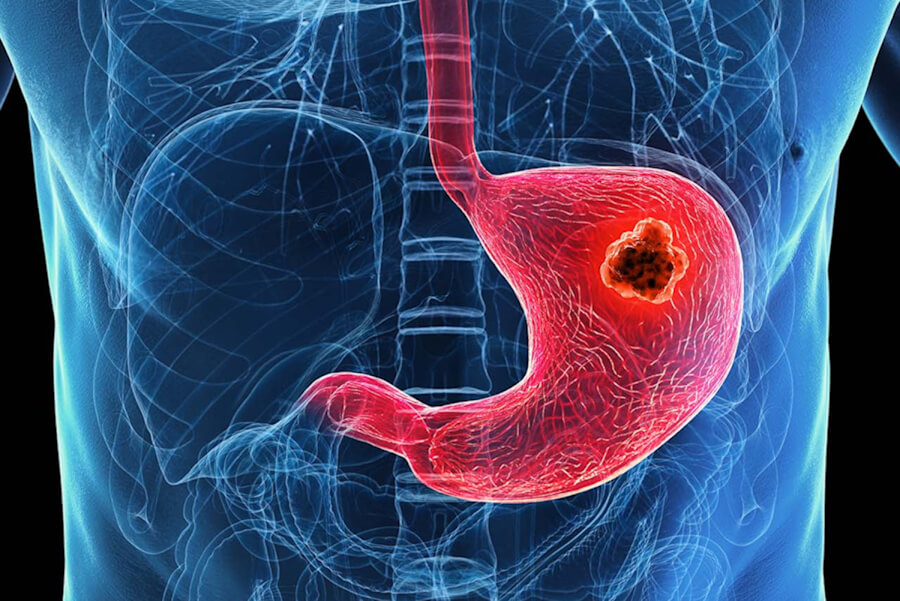
STOMACH CANCER: Symptoms, Diagnosis, Treatment, Stages, Facts
Stomach cancer, also known as gastric cancer, is a malignant neoplasm that develops in the lining of the stomach. It is the fifth most commonly diagnosed cancer and the third leading cause of cancer-related mortality worldwide, accounting for approximately 7.7% of all cancer deaths . The disease often presents at an advanced stage, which poses significant challenges to diagnosis and treatment, making early detection and effective therapeutic strategies critical . This article provides an in-depth, evidence-based overview of stomach cancer, covering its classification, causes, prevention, symptoms, diagnostic methods, treatment modalities, staging, metastatic patterns, survival statistics, and frequently asked questions.
🔬 What Is Stomach Cancer? Definition and ICD-10 Classification
Stomach cancer is a disease in which cells in the inner layer of the stomach wall grow and divide without stopping, forming tumors that can invade more deeply into the stomach wall and spread to other organs . The stomach connects the esophagus to the small intestine and functions as a food reservoir, mixing ingested food and secreting substances that aid digestion .
The International Classification of Diseases, Tenth Revision (ICD-10) assigns the code C16 to malignant neoplasm of the stomach. This code is subdivided by anatomical location within the stomach:
-
C16.0: Cardia (gastroesophageal junction)
-
C16.1: Fundus of the stomach
-
C16.2: Body of the stomach
-
C16.3: Gastric antrum
-
C16.4: Pylorus
-
C16.5: Lesser curvature of the stomach
-
C16.6: Greater curvature of the stomach
-
C16.8: Overlapping lesions of the stomach
-
C16.9: Stomach, unspecified
This coding system is essential for cancer registries, epidemiological research, and clinical documentation, enabling systematic tracking and classification of gastric cancer cases.
🧬 Types of Stomach Cancer
Stomach cancer is classified by the type of cell from which it originates and its histological pattern. The overwhelming majority of cases are adenocarcinomas, but other rare types also exist.
🔬 Adenocarcinoma
Adenocarcinoma accounts for approximately 95% of all stomach cancers . It arises from the glandular cells of the stomach lining. Adenocarcinomas are further classified using the Lauren classification, which distinguishes two main subtypes:
-
Intestinal type: Characterized by well-formed glandular structures. It tends to grow more slowly and is often associated with Helicobacter pylori infection and intestinal metaplasia. This type is more common in older patients and in high-risk regions .
-
Diffuse type: Characterized by poorly cohesive cells that infiltrate the stomach wall without forming glands. It includes signet-ring cell carcinoma, where cells accumulate mucin that pushes the nucleus to the periphery. The diffuse type is more aggressive, tends to occur in younger patients, and is associated with worse outcomes and chemoresistance .
🧠 Neuroendocrine Tumors
Neuroendocrine tumors (NETs) of the stomach arise from neuroendocrine cells. They are rare and can be well-differentiated or poorly differentiated (neuroendocrine carcinomas). Their behavior and treatment differ from adenocarcinomas .
🛡️ Gastrointestinal Stromal Tumors (GISTs)
Gastrointestinal stromal tumors are mesenchymal tumors that can occur anywhere along the gastrointestinal tract. The stomach is the most common site, accounting for approximately 60% of GISTs . They arise from interstitial cells of Cajal and are often driven by KIT or PDGFRA mutations.
🦠 Lymphoma
Gastric lymphoma is a cancer of the immune system that develops in the stomach. MALT lymphoma (mucosa-associated lymphoid tissue lymphoma) is often associated with chronic H. pylori infection .
🔥 Other Rare Types
-
Signet-ring cell carcinoma: A subtype of diffuse adenocarcinoma characterized by cells with a large mucin vacuole that displaces the nucleus .
-
Mucinous (colloid) adenocarcinoma: Characterized by more than 50% extracellular mucin .
-
Linitis plastica: A diffuse type of gastric cancer that causes the stomach wall to become thick and rigid, often without a discrete mass .
-
Sarcomas: Rare mesenchymal tumors, such as leiomyosarcoma .
⚠️ What Causes Stomach Cancer? Risk Factors and Etiology
The exact cause of stomach cancer is not fully understood, but research has identified several well-established risk factors. The disease is considered potentially preventable, and managing modifiable environmental risk factors is a key strategy .
🦠 Helicobacter pylori Infection
Helicobacter pylori infection is a well-established and major risk factor for gastric cancer, particularly the intestinal type and non-cardia cancers . Chronic infection leads to chronic gastritis, which can progress to atrophic gastritis, intestinal metaplasia, dysplasia, and ultimately carcinoma. Eradication of H. pylori has been shown to reduce the incidence of gastric cancer and related mortality .
🥗 Dietary Factors
Diet plays a significant role in gastric cancer risk. Diets high in salty, smoked, and processed foods have been consistently linked to an increased risk . Conversely, diets rich in fresh fruits and vegetables are associated with a lower risk, likely due to their antioxidant content . Research has shown that compounds in broccoli sprouts can reduce H. pylori colonization, and walnuts exhibit anti-cancer properties by reducing inflammation .
🚬 Lifestyle Factors
-
Smoking: Tobacco use is a risk factor for stomach cancer .
-
Alcohol: Heavy alcohol consumption may increase risk.
-
Obesity: Being overweight or obese is associated with an increased risk of gastric cancer, particularly cancers of the gastric cardia.
🧬 Genetic and Hereditary Factors
A family history of stomach cancer increases an individual’s risk . Certain hereditary syndromes, such as hereditary diffuse gastric cancer (HDGC) , which is linked to CDH1 mutations, confer a very high lifetime risk.
🩺 Medical Conditions
-
Chronic gastritis: Long-term inflammation of the stomach lining is a risk factor .
-
Pernicious anemia: This condition, which causes a lack of intrinsic factor and vitamin B12 deficiency, is associated with an increased risk.
-
Previous stomach surgery: People who have had part of their stomach removed for benign conditions have a higher risk of developing cancer in the remaining stomach.
-
Stomach polyps: Certain types of polyps, such as adenomatous polyps, can progress to cancer .
🌍 Geographic and Demographic Factors
Stomach cancer incidence varies widely across the globe. Eastern Asia (particularly Japan, Korea, and China) and South Central Asia account for up to 69% of cases . It is more common in men than in women and is typically diagnosed in older adults, with most cases occurring after age 50.
🛡️ How to Avoid and Prevent Stomach Cancer
Prevention strategies for stomach cancer focus on modifiable risk factors and, in high-risk regions, screening programs.
🥗 Dietary Modifications
Avoid high-salt, smoked, and pickled foods: These have been linked to an increased risk of gastric cancer . Reducing intake of these foods is one of the most effective preventive measures .
Eat a diet rich in fruits, vegetables, and whole grains: These foods contain antioxidants and other protective compounds . Aim to include fresh produce at every meal.
Maintain a healthy weight: Obesity is a risk factor for gastric cancer, particularly for cancers of the gastric cardia.
🦠 Helicobacter pylori Eradication
Testing for and treating H. pylori infection is a key prevention strategy, especially for individuals with a history of the infection or a family history of gastric cancer . Eradication therapy with antibiotics can reduce the risk of progression to cancer.
🚭 Lifestyle Modifications
Avoid smoking: Smoking is associated with an increased risk of stomach cancer .
Limit alcohol consumption: Heavy alcohol use may increase risk.
🔍 Screening and Early Detection
Screening for stomach cancer involves testing people without symptoms to find cancer at an early, curable stage. In countries where stomach cancer is very common, such as Japan, mass screening programs using upper endoscopy (gastroscopy) have helped detect many cases early and may have reduced mortality . In regions where stomach cancer is less common, such as the United States, routine screening is not recommended for people at average risk, but individuals with certain risk factors may benefit .
Screening-detected early gastric cancer has an excellent prognosis, with 5-year survival rates exceeding 90% in some series .
🚨 Symptoms and Early Warning Signs
Early-stage stomach cancer rarely causes symptoms, which is a major reason why the disease is often diagnosed at an advanced stage . When symptoms do occur, they are often nonspecific and can be attributed to other, less serious conditions.
⚠️ Common Symptoms
The signs and symptoms of stomach cancer can include :
-
Poor appetite or loss of appetite
-
Unintentional weight loss
-
Abdominal (belly) pain, often vague and above the navel
-
A sense of fullness in the upper abdomen after eating a small meal (early satiety)
-
Heartburn or indigestion that persists
-
Nausea and vomiting, which may contain blood
-
Bloating or fluid build-up in the abdomen
-
Blood in the stool (which may appear as black, tarry stools)
-
Anemia (low red blood cell count), leading to fatigue and weakness
-
Jaundice (yellowing of the skin and eyes), which may indicate spread to the liver
🔍 When to Seek Medical Attention
Most of these symptoms are more likely to be caused by conditions other than cancer, such as a stomach virus or an ulcer . However, anyone experiencing these problems—especially if they do not go away or worsen—should consult a doctor so the cause can be found and treated . In the United States, only about 1 in 5 stomach cancers is found at an early stage, before it has spread .
🩺 Diagnosis: Endoscopy, CT, MRI, and Biopsy
Diagnosing stomach cancer involves a combination of clinical evaluation, imaging studies, and tissue analysis.
🔬 Upper Endoscopy (Gastroscopy) and Biopsy
Upper endoscopy is the primary diagnostic procedure for stomach cancer. A thin, flexible tube with a camera is passed through the mouth into the stomach, allowing the physician to visualize the lining directly and take tissue samples (biopsy) from any suspicious areas. A biopsy is the definitive method for confirming the diagnosis and determining the histological type and grade of the cancer.
🖥️ Computed Tomography (CT)
CT scans of the chest, abdomen, and pelvis are essential for staging stomach cancer . They help assess the size of the primary tumor, its invasion into surrounding structures, and the presence of lymph node or distant metastases (particularly in the liver and peritoneum) . Multi-detector CT (MDCT) is recommended for evaluating lymph node (N-stage) and metastatic (M-stage) status .
🧲 Magnetic Resonance Imaging (MRI)
MRI is a valuable problem-solving tool in gastric cancer staging. While it is not used as routinely as CT, MRI can be particularly helpful in specific situations, such as:
-
Evaluating liver metastases when CT findings are equivocal
-
Assessing peritoneal disease (carcinomatosis)
-
Providing detailed soft-tissue contrast for local tumor staging
A multimodal imaging approach that includes endoscopic ultrasound (EUS) , MDCT, and MRI is critical for accurate staging . MRI has demonstrated a sensitivity of approximately 82.1% for T-staging of gastric cancer .
🔊 Endoscopic Ultrasound (EUS)
Endoscopic ultrasound combines endoscopy with high-frequency ultrasound. It is considered the most accurate modality for local (T) staging because it can visualize the individual layers of the gastric wall with high resolution . EUS is also useful for assessing regional lymph nodes (N-stage) and can guide fine-needle aspiration of suspicious nodes .
🩸 Other Tests
-
Blood tests: A complete blood count may reveal anemia. Liver function tests can indicate liver metastases.
-
Tumor markers: CEA, CA 19-9, and CA 72-4 may be elevated, but they are not used alone for diagnosis. They can be useful for monitoring treatment response.
-
Diagnostic laparoscopy: May be performed to detect peritoneal spread that is not visible on imaging, particularly before planned surgery.
-
PET-CT: May be used to detect occult distant metastases in selected cases.
📊 Stages of Stomach Cancer: The TNM System
Stomach cancer staging describes the extent of the disease and is based on the TNM system, developed by the American Joint Committee on Cancer (AJCC) and the Union for International Cancer Control (UICC).
🔬 TNM Categories
-
T (Tumor) : Describes the depth of invasion of the primary tumor into the stomach wall. T1 tumors invade the lamina propria, muscularis mucosae, or submucosa. T2 tumors invade the muscularis propria. T3 tumors penetrate the subserosa. T4 tumors invade the serosa (visceral peritoneum) or adjacent structures.
-
N (Nodes) : Indicates the number of regional lymph nodes involved with cancer (N0–N3).
-
M (Metastasis) : Indicates whether cancer has spread to distant organs (M0 or M1).
🎯 Stage Groups
Based on TNM, stomach cancer is grouped into stages:
-
Stage 0: Carcinoma in situ. Cancer is confined to the inner lining of the stomach.
-
Stage I: Cancer has invaded the stomach wall but has not spread to lymph nodes or has spread to only a few nearby nodes.
-
Stage II: Cancer has invaded more deeply and/or has spread to more regional lymph nodes.
-
Stage III: Cancer has invaded nearby organs or structures and/or has spread to many regional lymph nodes.
-
Stage IV: Metastatic cancer. The cancer has spread to distant organs.
Staging is critical for determining prognosis and selecting the most appropriate treatment.
🌐 Metastasis: The Spread of Stomach Cancer
Metastasis is the spread of cancer cells from the primary tumor to distant organs. Gastric cancer has a tendency for early dissemination, often via peritoneal, hematogenous, and lymphatic spread, which significantly impacts survival rates .
🫁 Common Sites of Metastasis
The most common sites of gastric cancer metastasis are:
-
Peritoneum: The most frequent site of spread, occurring in approximately 43% of patients who present with metastatic disease .
-
Liver: The second most common site, occurring in approximately 26% of patients .
-
Lung, bone, and brain: These sites are less common, with bone, brain, or lung metastases occurring in approximately 11% of patients with metastatic disease .
The pattern of metastasis can vary by tumor location. Proximal gastric cancers (those closer to the esophagus) have a higher risk of lymphatic and hematogenous metastases, including to distant lymph nodes, liver, lung, and bone. Distal gastric cancers are more likely to spread to the peritoneum, including ovarian metastases (Krukenberg tumor) .
💊 Treatment: Surgery, Chemotherapy, Radiation, Immunotherapy, and Targeted Therapy
Treatment for stomach cancer has evolved from surgery alone to comprehensive, multimodality strategies that incorporate chemotherapy, radiation therapy, targeted therapies, and immunotherapy . The choice of treatment depends on the stage of the disease, the patient’s overall health, and the molecular characteristics of the tumor.
🔪 Surgery (Gastrectomy with Lymphadenectomy)
Surgical resection with regional lymphadenectomy is the only potentially curative treatment for stomach cancer . The type of surgery depends on the location and extent of the tumor:
-
Subtotal (partial) gastrectomy: Removal of the part of the stomach containing the tumor. This may be an option for cancers in the lower portion of the stomach.
-
Total gastrectomy: Removal of the entire stomach. This is typically required for cancers in the upper or middle portion of the stomach.
-
D2 lymphadenectomy: Removal of the regional lymph nodes (stations 1–12) along the major vessels. D2 lymphadenectomy is the standard of care in many Asian countries and is increasingly used in the West for locally advanced disease .
For early gastric cancer confined to the mucosa, endoscopic submucosal dissection (ESD) or endoscopic mucosal resection (EMR) may be curative and preserve the stomach. Surgery is generally not recommended for patients with widespread metastatic disease, although palliative surgery may be performed to relieve symptoms such as bleeding or obstruction.
💊 Chemotherapy
Chemotherapy is a systemic treatment that uses drugs to kill rapidly dividing cancer cells. It plays a central role in the management of gastric cancer:
-
Perioperative chemotherapy: For locally advanced disease (stage ≥cT2 and/or node-positive), perioperative chemotherapy—given before (neoadjuvant) and after (adjuvant) surgery—is a standard of care in many regions. The FLOT regimen (fluorouracil, leucovorin, oxaliplatin, and docetaxel) is a preferred option, having demonstrated superior response and survival rates compared to older regimens .
-
Adjuvant chemotherapy: For patients who have undergone surgery, adjuvant chemotherapy (e.g., capecitabine plus oxaliplatin) is recommended to eliminate residual cancer cells.
-
Palliative chemotherapy: For metastatic disease, chemotherapy is used to control the disease, relieve symptoms, and prolong survival. First-line regimens are typically based on a platinum–fluoropyrimidine combination (e.g., FOLFOX, CAPEOX) .
☢️ Radiation Therapy
Radiation therapy uses high-energy beams to kill cancer cells. It may be used in combination with chemotherapy (chemoradiation) for certain patients, particularly those with tumors of the gastroesophageal junction or those who have not undergone optimal surgery. Radiation can also be used palliatively to relieve pain or bleeding.
🎯 Targeted Therapy
Targeted therapies interfere with specific molecular pathways involved in cancer growth. Biomarker testing is essential to identify patients who may benefit:
-
HER2-positive tumors: Trastuzumab (an anti-HER2 antibody) combined with chemotherapy is the standard first-line treatment for HER2-positive advanced gastric cancer . Trastuzumab deruxtecan is a promising antibody-drug conjugate for HER2-positive tumors .
-
Claudin 18.2-positive tumors: Zolbetuximab, a monoclonal antibody targeting claudin 18.2, has shown benefit in combination with chemotherapy .
-
VEGFR inhibitors: Ramucirumab is used in second-line treatment.
🛡️ Immunotherapy
Immunotherapy harnesses the body’s immune system to fight cancer. Immune checkpoint inhibitors have transformed the treatment landscape:
-
Nivolumab and pembrolizumab (anti-PD-1 antibodies) in combination with chemotherapy have improved overall survival in first-line treatment for advanced HER2-negative gastric cancer, particularly in tumors with PD-L1 expression (CPS ≥ 5 or ≥ 10) .
-
In HER2-positive tumors, adding pembrolizumab to trastuzumab and chemotherapy has become a new standard for PD-L1-positive (CPS ≥ 1) cases .
-
Adjuvant nivolumab is used for patients with resected gastric cancer who are at high risk of recurrence .
🩺 Multimodal Approach
Modern management of gastric cancer emphasizes a multimodal approach, combining surgery, chemotherapy, radiation, targeted therapy, and immunotherapy based on the stage and molecular profile of the tumor . A multidisciplinary team (MDT) involving surgeons, medical oncologists, radiation oncologists, radiologists, and pathologists is essential for optimal treatment planning.
📈 Cure Rate and Survival Rate
Survival rates for stomach cancer vary widely by stage at diagnosis and by geographic region.
🎯 5-Year Relative Survival Rates by Stage (SEER Data, United States)
Based on data from the National Cancer Institute’s SEER database for people diagnosed between 2015 and 2021 :
-
Localized disease (cancer confined to the stomach): 77%
-
Regional disease (cancer has spread to nearby structures or lymph nodes): 37%
-
Distant disease (cancer has spread to distant organs): 8%
-
All stages combined: 38%
🌍 Geographic Variation
Survival rates vary significantly by region, largely reflecting differences in the stage at diagnosis and the availability of screening:
-
In Japan and South Korea, where mass screening programs are in place, 5-year survival rates are notably higher, at approximately 60–69% . This is attributed to the detection of many cases at an early, curable stage .
-
In high-risk regions with effective screening, the 5-year survival rate for early gastric cancer can exceed 90% .
📊 Stage-Specific Survival (AJCC TNM)
Detailed 5-year overall survival rates by pathological stage (AJCC 8th edition) from a large population-based study were approximately :
-
Stage I: 84.1%
-
Stage II: 70.3%
-
Stage III: 41.4% (varies by substage, ranging from 52.8% to 21.7%)
-
Stage IV: 10.2%
⏳ Life Expectancy With and Without Treatment
The natural history of untreated stomach cancer is poor, and treatment significantly improves outcomes.
⏳ Without Treatment
Historical studies of untreated gastric carcinoma provide insight into its natural history:
-
A classic study reported that 25% of untreated patients died within 8 months, 50% within 13 months, and 75% within 17 months after the onset of the first symptom .
-
The average duration of life after onset in 288 untreated cases was 12.2 months, with a median of 8.1 months .
-
Even for early-stage gastric cancer, if left without appropriate treatment, patients may die within five years .
💊 With Treatment
With modern, multimodal treatment, outcomes are substantially better:
-
For early gastric cancer, radical gastrectomy can achieve 5-year survival rates exceeding 90% .
-
For locally advanced disease, perioperative chemotherapy combined with surgery has improved survival.
-
For metastatic disease, while cure is generally not possible, systemic therapy (chemotherapy, targeted therapy, immunotherapy) can extend survival and maintain quality of life. Median overall survival for advanced disease with modern therapy is often in the range of 12–14 months, with some patients living significantly longer .
-
Long-term survival without therapy is rare, though case reports exist of patients surviving several years after diagnosis without active treatment .
📌 Facts and Statistics
-
Stomach cancer is the fifth most commonly diagnosed cancer and the third leading cause of cancer death worldwide .
-
In 2022, an estimated 968,194 new cases of gastric cancer were diagnosed globally, and 659,944 deaths occurred .
-
Stomach cancer accounts for approximately 4.9% of all new cancer cases and 6.8% of all cancer deaths globally .
-
Eastern Asia and South Central Asia account for up to 69% of all gastric cancer cases .
-
The disease is more common in men and in older adults, with most cases diagnosed after age 50.
-
Helicobacter pylori infection is the strongest known risk factor for non-cardia gastric cancer .
-
In the United States, only about 1 in 5 stomach cancers is diagnosed at an early, localized stage .
-
In countries with mass screening, such as Japan, early detection has led to 5-year survival rates that are among the highest in the world .
-
Perioperative chemotherapy with the FLOT regimen has improved outcomes for locally advanced disease .
-
Immunotherapy combined with chemotherapy has become a new standard for first-line treatment of advanced HER2-negative and HER2-positive gastric cancer .
❓ Questions and Answers
Basics & Fundamental Understanding
1. What is stomach cancer (gastric cancer)?
Stomach cancer is a malignant tumor that begins in the cells lining the stomach, most commonly in the glandular cells that produce mucus. Adenocarcinoma is the predominant histological type.
2. What is the difference between stomach cancer and abdominal cancer?
Stomach cancer specifically originates in the stomach, whereas “abdominal cancer” is a broad term encompassing malignancies in any abdominal organ, including the liver, pancreas, colon, and ovaries.
3. What is gastric adenocarcinoma?
Gastric adenocarcinoma is cancer arising from the glandular epithelium of the stomach lining and constitutes approximately 85% of all gastric malignancies.
4. How common is stomach cancer worldwide?
Gastric cancer is the fifth most common cancer and the fifth leading cause of cancer mortality globally, with approximately 968,000 new cases annually.
5. Where in the stomach does gastric cancer usually start?
The majority of gastric cancers arise in the gastric antrum and body, though proximal (cardia) tumors are increasing in incidence in Western countries.
6. What are the main histological types of stomach cancer?
The Lauren classification divides gastric adenocarcinoma into intestinal (75%) and diffuse (15–20%) types.
7. What is intestinal-type gastric cancer?
Intestinal-type gastric cancer is well-differentiated, often associated with intestinal metaplasia, and tends to form glandular structures; it is more common in older adults and carries a relatively better prognosis.
8. What is diffuse-type gastric cancer?
Diffuse-type gastric cancer is poorly cohesive, infiltrates the stomach wall, and often presents as linitis plastica; it is more common in younger patients and carries a worse prognosis.
9. What is linitis plastica (leather bottle stomach)?
Linitis plastica is a macroscopic presentation of diffuse gastric cancer characterized by diffuse thickening and rigidity of the stomach wall due to scirrhous tumor infiltration, giving a “leather bottle” appearance.
10. Is stomach cancer fast-growing or slow-growing?
Growth rates vary by histology; intestinal-type cancers tend to grow more slowly, whereas diffuse-type and signet ring cell carcinomas are more aggressive and rapidly infiltrative.
11. Is stomach cancer curable?
Early-stage gastric cancer is potentially curable with complete surgical resection, with 5-year survival rates exceeding 90% for stage I disease.
12. Can you survive stomach cancer if caught early?
Yes, early gastric cancer confined to the mucosa or submucosa has an excellent prognosis, with 5-year survival rates of approximately 90%.
13. What is the difference between stomach cancer and esophageal cancer?
Stomach cancer arises in the gastric mucosa, while esophageal cancer arises in the esophageal lining; tumors at the gastroesophageal junction (GEJ) are classified separately (Siewert types).
14. What is gastroesophageal junction (GEJ) cancer?
GEJ cancer arises at the junction between the esophagus and stomach; it is classified into Siewert types I, II, and III based on epicenter location and is often treated with perioperative chemotherapy and surgery.
15. What is gastrointestinal stromal tumor (GIST)?
GIST is a mesenchymal tumor arising from the interstitial cells of Cajal in the stomach wall; it is distinct from adenocarcinoma and is treated primarily with tyrosine kinase inhibitors such as imatinib.
16. What is primary gastric lymphoma (MALT lymphoma)?
MALT lymphoma is a low-grade B-cell lymphoma arising from mucosa-associated lymphoid tissue in the stomach, strongly associated with H. pylori infection and often treated with antibiotic eradication therapy.
17. What is neuroendocrine tumor (NET) of the stomach?
Gastric NETs arise from neuroendocrine cells in the stomach lining; they are often associated with chronic atrophic gastritis and have a generally favorable prognosis when localized.
18. Can stomach cancer affect young adults?
Yes, although gastric cancer is more common in older adults, early-onset gastric cancer (under age 40–45) is increasingly recognized, particularly the diffuse and signet ring cell subtypes.
19. Is stomach cancer more common in men or women?
Gastric cancer is approximately twice as common in men as in women.
20. Why is gastric cancer more prevalent in East Asia?
High prevalence in Japan, Korea, and China is attributed to dietary factors (high salt, pickled foods), high H. pylori prevalence, and genetic susceptibility, compounded by robust screening programs that detect many cases.
21. What is gastric cardia cancer vs non-cardia cancer?
Cardia cancer arises at the gastroesophageal junction and is increasing in Western populations; non-cardia cancer arises in the distal stomach and is strongly associated with H. pylori infection.
22. How long can you have stomach cancer without knowing it?
Early gastric cancer is often asymptomatic; patients may remain undiagnosed for months to years until symptoms of advanced disease prompt investigation.
23. Does stomach cancer form a polyp, mass, or ulcer?
Gastric cancer can present as a polypoid, fungating, ulcerated, or diffusely infiltrating lesion; the macroscopic appearance varies by subtype.
24. What is signet ring cell gastric carcinoma?
Signet ring cell carcinoma is a subtype of diffuse gastric cancer characterized by cells with abundant intracellular mucin displacing the nucleus to the periphery, giving a “signet ring” appearance.
25. Is signet ring cell stomach cancer more aggressive?
Signet ring cell carcinoma is associated with a worse prognosis, higher recurrence rates, and peritoneal dissemination compared with intestinal-type cancers.
26. What is poorly cohesive gastric carcinoma?
Poorly cohesive carcinoma is a WHO classification term for gastric cancers composed of isolated or small clusters of cells that infiltrate the stroma, including signet ring cell carcinoma.
27. Can stomach cancer be hereditary?
Approximately 5–10% of gastric cancers are hereditary, most notably hereditary diffuse gastric cancer (HDGC) caused by CDH1 mutations.
28. What is Hereditary Diffuse Gastric Cancer (HDGC)?
HDGC is an autosomal dominant syndrome caused by germline CDH1 (or CTNNA1) mutations, conferring a high lifetime risk of diffuse gastric cancer and lobular breast cancer.
29. What gene mutation causes Hereditary Diffuse Gastric Cancer?
Germline pathogenic variants in the CDH1 gene (encoding E-cadherin) are the primary cause, with CTNNA1 accounting for a smaller proportion of cases.
30. What is gastric submucosal tumor?
A submucosal tumor arises beneath the mucosal layer, often a GIST, leiomyoma, or schwannoma, and may require endoscopic ultrasound and biopsy for diagnosis.
31. What is gastric carcinoid?
Gastric carcinoid is a well-differentiated neuroendocrine tumor (NET), often associated with chronic atrophic gastritis and hypergastrinemia; prognosis is generally favorable for localized disease.
32. What is early gastric cancer (EGC) definition?
EGC is defined as adenocarcinoma confined to the mucosa or submucosa, regardless of lymph node status; it has an excellent prognosis with appropriate treatment.
33. What is advanced gastric cancer (AGC)?
AGC refers to cancer that has invaded beyond the submucosa into the muscularis propria or deeper, or has nodal or distant metastasis.
34. How does the stomach wall layer structure affect cancer growth?
The stomach wall comprises mucosa, submucosa, muscularis propria, and serosa; the depth of invasion (T stage) determines prognosis and treatment options.
35. What is the mucosa, submucosa, muscularis propria, and serosa?
These are the anatomical layers of the stomach wall, from innermost to outermost; cancer invading deeper layers has a worse prognosis.
36. Can gastric cancer spread to the lymph nodes first?
Yes, lymphatic spread to regional lymph nodes is common in gastric cancer and is a key determinant of staging and prognosis.
37. What is peritoneal carcinomatosis from gastric cancer?
Peritoneal carcinomatosis is diffuse spread of cancer cells throughout the peritoneal cavity, a common pattern of metastasis in diffuse gastric cancer, causing ascites and bowel obstruction.
38. What is a Krukenberg tumor?
Krukenberg tumor is a metastatic ovarian tumor, most commonly from gastric cancer, characterized by signet ring cells; it indicates advanced disease.
39. What is a Virchow node (Troisier sign)?
Virchow’s node is an enlarged left supraclavicular lymph node resulting from lymphatic spread of intra-abdominal cancer, classically gastric cancer.
40. What is an Irish node?
An Irish node is an enlarged anterior axillary lymph node that can be a site of metastatic spread from gastric cancer.
41. What is a Sister Mary Joseph nodule?
A Sister Mary Joseph nodule is a palpable periumbilical metastatic deposit, often from gastric or ovarian cancer.
42. Is stomach cancer considered a silent killer?
Yes, because early-stage disease is often asymptomatic, and symptoms overlap with benign conditions, leading to late diagnosis.
43. Can benign stomach ulcers turn into stomach cancer?
Most benign ulcers do not become malignant, but chronic ulcers can harbor malignancy; non-healing ulcers require repeat biopsy to exclude cancer.
44. Can stomach polyps become cancerous?
Adenomatous polyps have malignant potential, whereas hyperplastic polyps are generally benign; polyp type determines surveillance and management.
45. What is hyperplastic stomach polyp vs adenomatous polyp?
Hyperplastic polyps are inflammatory and typically benign; adenomatous polyps are neoplastic and carry a risk of progression to adenocarcinoma.
46. What is Menetrier disease and does it increase cancer risk?
Menetrier disease is a rare hypertrophic gastropathy characterized by giant gastric folds and protein-losing enteropathy; it is associated with a modestly increased risk of gastric cancer.
47. What is gastric antrum vs body vs fundus cancer?
Antral cancers are more common distally and often intestinal-type; body and fundus cancers may be diffuse-type; site influences surgical approach and reconstruction.
48. How does tumor site influence treatment choices?
Proximal (cardia/GEJ) tumors may require proximal gastrectomy or esophagogastrectomy, while distal tumors are managed with distal or subtotal gastrectomy; site also affects lymph node dissection extent.
49. Is stomach cancer rates declining or increasing globally?
Overall incidence has declined in many developed countries, but proximal and diffuse-type cancers are increasing, particularly in younger adults.
50. What is the standard medical definition of gastric carcinoma?
Gastric carcinoma is a malignant epithelial tumor arising from the gastric mucosa, predominantly adenocarcinoma, with intestinal and diffuse subtypes as defined by the Lauren classification.
Early Signs, Symptoms, & Physical Changes
51. What are the early warning signs of stomach cancer?
Early symptoms include unexplained weight loss, loss of appetite, persistent indigestion, early satiety, and nausea; however, early-stage disease is often asymptomatic.
52. Does stomach cancer cause indigestion or heartburn?
Yes, persistent indigestion or heartburn that does not respond to usual treatment should prompt evaluation.
53. What does stomach cancer pain feel like?
Pain is often described as a vague, constant epigastric discomfort or burning sensation that may be worsened by eating.
54. Is stomach cancer pain constant or intermittent?
Pain may be intermittent initially and become constant as the disease progresses.
55. Can stomach cancer cause early satiety (feeling full quickly)?
Yes, early satiety is a common symptom, particularly with diffuse-type cancers that impair gastric accommodation.
56. Does stomach cancer cause unexplained weight loss?
Yes, unintentional weight loss is one of the most common presenting symptoms of gastric cancer.
57. Can stomach cancer cause difficulty swallowing (dysphagia)?
Yes, dysphagia occurs with proximal tumors involving the cardia or gastroesophageal junction.
58. What does stomach cancer vomit look like?
Vomitus may be food-containing, bilious, or “coffee-ground” in appearance if there is upper GI bleeding.
59. What is “coffee-ground” emesis?
Coffee-ground emesis refers to vomited material that resembles coffee grounds, indicating digested blood from upper gastrointestinal bleeding.
60. Does stomach cancer cause dark or black tarry stools (melena)?
Yes, melena (black, tarry stools) is a sign of upper GI bleeding from a gastric tumor.
61. Can stomach cancer cause occult (hidden) blood in stool?
Yes, chronic occult blood loss can lead to iron deficiency anemia, a common presenting finding.
62. Does stomach cancer cause persistent nausea or vomiting?
Yes, persistent nausea and vomiting are common, particularly with tumors causing gastric outlet obstruction.
63. Can stomach cancer cause bloating after meals?
Yes, bloating and abdominal distension after eating are frequently reported.
64. Does stomach cancer cause loss of appetite (anorexia)?
Yes, anorexia is a common constitutional symptom of gastric cancer.
65. Can stomach cancer cause fatigue and weakness due to anemia?
Yes, chronic blood loss and nutritional deficiency lead to iron deficiency anemia, causing fatigue and weakness.
66. Why does stomach cancer cause iron deficiency anemia?
Chronic occult bleeding from the tumor surface depletes iron stores, and impaired iron absorption after gastrectomy may compound the deficiency.
67. Can stomach cancer cause upper abdominal swelling or a palpable mass?
Yes, advanced tumors may present as a palpable epigastric mass.
68. Does stomach cancer cause burping or belching frequently?
Yes, frequent burping is a nonspecific but commonly reported symptom.
69. Can stomach cancer mimic acid reflux / GERD?
Yes, early symptoms often overlap with GERD, leading to delayed diagnosis.
70. How do stomach cancer symptoms differ from gastritis?
Gastritis typically causes burning pain that responds to acid suppression; gastric cancer symptoms are progressive, persistent, and associated with weight loss and anemia.
71. How do stomach cancer symptoms differ from peptic ulcer disease?
Peptic ulcer pain is often relieved by food or antacids, whereas cancer pain is progressive and associated with systemic symptoms.
72. Can stomach cancer cause severe back pain?
Yes, advanced gastric cancer invading the pancreas or retroperitoneum can cause back pain.
73. Why does advanced stomach cancer cause ascites (fluid in abdomen)?
Peritoneal carcinomatosis and liver metastasis impair fluid drainage, leading to malignant ascites.
74. Does stomach cancer cause jaundice (yellowing skin/eyes)?
Jaundice can occur with liver metastasis or bile duct obstruction.
75. Can stomach cancer cause unexplained fever?
Yes, tumor-related inflammation or infection can cause low-grade fever.
76. What does a lump in the left supraclavicular fossa mean?
A left supraclavicular lump (Virchow’s node) suggests lymphatic metastasis from an intra-abdominal malignancy, classically gastric cancer.
77. Can stomach cancer cause night sweats?
Night sweats can occur as a constitutional symptom of advanced cancer.
78. What does severe abdominal cramping mean in gastric cancer?
Cramping may indicate partial or complete bowel obstruction from peritoneal spread or tumor growth.
79. Can stomach cancer cause bowel obstruction or outlet obstruction?
Yes, gastric outlet obstruction occurs when tumors block the pylorus or duodenum, causing vomiting and inability to tolerate food.
80. What is gastric outlet obstruction (GOO) symptom profile?
GOO presents with nausea, vomiting of undigested food, early satiety, and weight loss; endoscopic stenting or bypass surgery may be required.
81. Does stomach cancer cause bad breath (halitosis)?
Halitosis can occur due to tumor necrosis or gastric stasis.
82. Can stomach cancer cause hiccups that won’t go away?
Persistent hiccups can occur with diaphragmatic irritation or gastric distension.
83. Does eating make stomach cancer pain better or worse?
Pain may worsen with eating in some patients, particularly with ulcerated tumors.
84. Can stomach cancer symptoms start suddenly?
Symptoms typically develop gradually, but acute presentations can occur with bleeding, perforation, or obstruction.
85. How do symptoms of gastric cardia cancer differ from distal gastric cancer?
Cardia cancer often presents with dysphagia and reflux, while distal cancers cause dyspepsia, early satiety, and vomiting.
86. What are symptoms of diffuse-type gastric cancer?
Diffuse-type cancer often presents with linitis plastica, early satiety, weight loss, and peritoneal symptoms rather than a discrete mass.
87. Can skin changes occur with stomach cancer (Acanthosis Nigricans / Leser-Trélat sign)?
Yes, paraneoplastic dermatoses such as acanthosis nigricans and the Leser-Trélat sign (sudden seborrheic keratoses) can accompany gastric cancer.
88. What are symptoms of stomach cancer spread to the liver?
Right upper quadrant pain, jaundice, hepatomegaly, and fatigue.
89. What are symptoms of stomach cancer spread to the lungs?
Cough, dyspnea, pleural effusion, and chest pain.
90. What are symptoms of stomach cancer spread to bones?
Bone pain, pathological fractures, and hypercalcemia.
91. What are symptoms of stomach cancer spread to the brain?
Headache, seizures, and focal neurological deficits.
92. Can stomach cancer cause blood clots (Trousseau syndrome)?
Yes, malignancy-associated hypercoagulability can cause migratory thrombophlebitis and venous thromboembolism.
93. Why do people ignore early stomach cancer symptoms?
Symptoms are vague and overlap with common benign conditions such as indigestion and gastritis, leading to delayed medical attention.
94. When should persistent indigestion be checked by an endoscopy?
Persistent dyspepsia beyond age 45, or with alarm symptoms (weight loss, anemia, dysphagia, vomiting), warrants endoscopy.
95. Can stomach cancer cause chest pain that feels like a heart attack?
Yes, proximal tumors or esophageal involvement can cause chest pain mimicking cardiac ischemia.
96. Does stomach cancer cause extreme thirst or dry mouth?
Dehydration from vomiting or poor intake can cause thirst and dry mouth.
97. Can stomach cancer cause diarrhea or constipation?
Bowel habits may change due to dietary alterations, obstruction, or treatment effects.
98. What symptoms indicate emergency medical attention for stomach issues?
Hematemesis, melena, severe abdominal pain, signs of perforation, and persistent vomiting require urgent evaluation.
99. Do stomach cancer symptoms differ between men and women?
Symptoms are broadly similar, though women may present at a younger age with diffuse-type cancer.
100. How do symptoms change as stomach cancer progresses from Stage 1 to Stage 4?
Early stages are often asymptomatic; advanced stages bring systemic symptoms, palpable masses, ascites, and organ-specific symptoms from metastases.
Causes, Risk Factors, & Prevention
101. What causes stomach cancer?
Gastric cancer results from a combination of environmental exposures (H. pylori, diet, smoking) and genetic susceptibility, leading to accumulated genetic alterations in gastric epithelial cells.
102. Is Helicobacter pylori (H. pylori) the main cause of stomach cancer?
H. pylori is the strongest established environmental risk factor for non-cardia gastric cancer.
103. How does H. pylori infection lead to gastric cancer?
Chronic H. pylori infection causes inflammation, atrophic gastritis, intestinal metaplasia, and dysplasia—the Correa cascade—ultimately leading to carcinoma.
104. Can treating H. pylori with antibiotics prevent stomach cancer?
Eradication reduces the risk of gastric cancer, particularly if achieved before the development of precancerous lesions.
105. Does eating salty or preserved foods increase stomach cancer risk?
Yes, high intake of salty, smoked, and pickled foods is associated with an increased risk of gastric cancer.
106. Does smoked or pickled food cause stomach cancer?
Smoked and pickled foods contain nitrates, nitrites, and carcinogenic compounds that contribute to gastric carcinogenesis.
107. Does processed meat (bacon, sausages) cause gastric cancer?
Processed meat consumption is associated with a modestly increased risk of gastric cancer.
108. Does smoking cigarettes increase stomach cancer risk?
Smoking is associated with a 1.5- to 2.0-fold increased risk of gastric cancer.
109. Does alcohol consumption increase gastric cancer risk?
Heavy alcohol consumption is associated with an approximately 50% increased risk.
110. Does chronic gastritis lead to stomach cancer?
Chronic atrophic gastritis, particularly H. pylori-related, is a precursor lesion in the Correa cascade.
111. What is chronic autoimmune atrophic gastritis?
Autoimmune atrophic gastritis affects the gastric body and fundus, causing loss of parietal cells, achlorhydria, and pernicious anemia; it is associated with an increased risk of gastric carcinoid tumors and adenocarcinoma.
112. What is intestinal metaplasia of the stomach?
Intestinal metaplasia is replacement of gastric epithelium by intestinal-type cells, a precancerous lesion in the Correa cascade.
113. Is gastric intestinal metaplasia reversible?
H. pylori eradication may lead to partial regression, but extensive metaplasia is generally not fully reversible.
114. What is gastric dysplasia?
Dysplasia is unequivocal neoplastic change in the gastric epithelium (low- or high-grade), a direct precursor to adenocarcinoma.
115. What is the Correa cascade of gastric carcinogenesis?
The sequence: normal mucosa → non-atrophic gastritis → atrophic gastritis → intestinal metaplasia → dysplasia → carcinoma.
116. Does pernicious anemia cause stomach cancer?
Pernicious anemia is associated with a 3–4 fold increased risk of gastric cancer.
117. Does obesity increase the risk of gastric cardia cancer?
Obesity is associated with an increased risk of gastric cardia cancer, likely through reflux and metabolic factors.
118. Does long-term acid reflux (GERD) cause stomach cancer?
Chronic GERD is a risk factor for esophageal and gastroesophageal junction adenocarcinoma, but its role in distal gastric cancer is less established.
119. Does long-term PPI (proton pump inhibitor) use cause stomach cancer?
Long-term PPI use has been associated with an increased risk of gastric carcinoids and possibly adenocarcinoma, though confounding by indication makes causality uncertain.
120. Is stomach cancer linked to CDH1 gene mutation?
Yes, germline CDH1 mutations cause hereditary diffuse gastric cancer (HDGC), conferring a high lifetime risk.
121. What is Lynch syndrome (HNPCC) and its connection to stomach cancer?
Lynch syndrome is caused by mismatch repair gene mutations and is associated with an increased risk of gastric cancer, particularly intestinal-type.
122. Does Familial Adenomatous Polyposis (FAP) increase gastric cancer risk?
FAP is associated with gastric fundic gland polyps and a modestly increased risk of gastric adenocarcinoma.
123. What is Li-Fraumeni syndrome and stomach cancer?
Li-Fraumeni syndrome (TP53 mutation) is associated with a variety of cancers, including a modestly increased risk of gastric cancer.
124. What is Peutz-Jeghers syndrome and stomach cancer?
Peutz-Jeghers syndrome (STK11 mutation) is associated with hamartomatous polyps and an increased risk of gastrointestinal cancers, including gastric cancer.
125. Does Epstein-Barr Virus (EBV) cause stomach cancer?
EBV is detected in approximately 10% of gastric adenocarcinomas and defines a distinct molecular subtype.
126. What percentage of gastric cancers are EBV-positive?
Approximately 10% of gastric cancers harbor EBV, predominantly in the diffuse or mixed subtypes.
127. Does prior stomach surgery (partial gastrectomy) increase cancer risk in the remnant stomach?
Yes, gastric stump cancer can develop 15–20 years after partial gastrectomy for benign disease, necessitating long-term surveillance.
128. What is gastric stump cancer?
Gastric stump cancer arises in the remnant stomach after previous partial gastrectomy, often at the anastomotic site, and is associated with bile reflux and chronic inflammation.
129. Does exposure to asbestos or rubber manufacturing chemicals cause gastric cancer?
Occupational exposure to asbestos and rubber manufacturing chemicals has been associated with an increased risk of gastric cancer.
130. Does blood type A increase the risk of stomach cancer?
Blood group A is associated with a modestly increased risk of gastric cancer, possibly due to differences in H. pylori attachment.
131. Does family history of stomach cancer double your risk?
A first-degree family history of gastric cancer approximately doubles the risk, particularly for diffuse-type cancer.
132. Does lack of fresh fruits and vegetables in diet increase risk?
Yes, low intake of fresh fruits and vegetables is associated with an increased risk of gastric cancer.
133. Does low Vitamin C intake contribute to stomach cancer?
Vitamin C deficiency may impair protection against nitrosamine formation and oxidative damage, contributing to gastric carcinogenesis.
134. Can nitrates and nitrites in food cause stomach cancer?
Nitrates and nitrites in processed and preserved foods can form carcinogenic N-nitroso compounds in the stomach.
135. Does drinking very hot beverages cause stomach cancer?
Very hot beverage consumption has been associated with an increased risk of esophageal and possibly gastric cancer.
136. Is stress a direct cause of stomach cancer?
There is no evidence that stress directly causes gastric cancer, though it may influence health behaviors and H. pylori susceptibility.
137. Can a physical abdominal injury cause stomach cancer?
No, physical trauma does not cause gastric cancer.
138. Does stomach cancer run in families without a known gene mutation?
Yes, familial clustering can occur without an identified mutation, suggesting polygenic or shared environmental factors.
139. How does high intake of red meat affect stomach cancer risk?
High red meat intake is associated with a modestly increased risk of gastric cancer, possibly through nitrosamine formation and iron-related oxidative stress.
140. Does poverty or lower socioeconomic status correlate with higher H. pylori and cancer rates?
Yes, lower socioeconomic status is associated with higher H. pylori prevalence and increased gastric cancer incidence.
141. Can radiation exposure cause gastric cancer?
Prior abdominal radiation is associated with a modestly increased risk of gastric cancer.
142. Does low stomach acid (hypochlorhydria/achlorhydria) increase cancer risk?
Achlorhydria, from autoimmune gastritis or prior gastric surgery, is associated with bacterial overgrowth and increased gastric cancer risk.
143. How does high dietary fiber intake protect against gastric cancer?
Fiber may bind carcinogens, promote satiety (reducing obesity), and support a healthy microbiome, thereby reducing risk.
144. Can green tea consumption lower stomach cancer risk?
Some epidemiological studies suggest a protective effect of green tea polyphenols, but evidence is not definitive.
145. Is prophylactic total gastrectomy recommended for CDH1 carriers?
Yes, prophylactic total gastrectomy is recommended for CDH1 carriers with a family history of diffuse gastric cancer, typically between ages 18–40.
146. At what age should CDH1 mutation carriers consider stomach removal?
Guidelines recommend prophylactic gastrectomy between ages 18 and 40 for carriers with a family history of diffuse gastric cancer.
147. What screening policies exist in high-incidence countries like Japan and South Korea?
Japan and South Korea have nationwide endoscopic or radiographic screening programs for gastric cancer, enabling early detection and improved survival.
148. Why is routine screening for stomach cancer not done in the US or Europe?
Low incidence and cost-effectiveness considerations preclude population-based screening; screening is reserved for high-risk individuals.
149. Can lifestyle modifications significantly lower gastric cancer risk?
Yes, H. pylori eradication, avoiding tobacco and excess alcohol, maintaining a healthy weight, and consuming a diet rich in fruits and vegetables can reduce risk.
150. What are modifiable vs non-modifiable risk factors for stomach cancer?
Modifiable: H. pylori infection, diet, smoking, alcohol, obesity. Non-modifiable: age, male sex, genetics (CDH1), family history, blood type A.
Diagnosis, Endoscopy, & Staging Workup
151. How is stomach cancer diagnosed?
Diagnosis requires upper endoscopy with biopsy demonstrating carcinoma; staging imaging is then performed.
152. What is an upper endoscopy (EGD / Esophagogastroduodenoscopy)?
EGD is a procedure using a flexible tube with a camera to visualize the esophagus, stomach, and duodenum; it is the gold standard for gastric cancer diagnosis.
153. Is biopsy during endoscopy necessary to confirm stomach cancer?
Yes, histological confirmation via biopsy is mandatory before treatment.
154. Is upper endoscopy painful?
EGD is generally well tolerated with sedation; most patients experience only mild discomfort.
155. What does stomach cancer look like during endoscopy?
It may appear as an ulcerated, polypoid, fungating, or diffusely infiltrative lesion; chromoendoscopy and narrow-band imaging enhance visualization.
156. What is chromoendoscopy and narrow-band imaging (NBI)?
These are advanced endoscopic techniques that enhance mucosal contrast to improve detection of early neoplastic lesions.
157. What is Endoscopic Ultrasound (EUS) and why is it used in stomach cancer?
EUS uses high-frequency ultrasound via an endoscope to assess the depth of tumor invasion (T stage) and regional lymph node involvement (N stage).
158. How does EUS determine T-stage (depth of invasion) in stomach cancer?
EUS visualizes the five sonographic layers of the gastric wall and can distinguish mucosal, submucosal, muscularis propria, and serosal invasion.
159. What is a barium swallow / upper GI series X-ray?
A barium study outlines the stomach and can detect structural abnormalities, but it is less sensitive than endoscopy for early cancer.
160. What CT scans are needed for stomach cancer staging?
Contrast-enhanced CT of the chest, abdomen, and pelvis is standard for assessing local extent, nodal involvement, and distant metastases.
161. Why is a PET scan performed for gastric cancer?
PET/CT can detect occult metastatic disease and is particularly useful for identifying distant spread not visible on CT.
162. What is diagnostic laparoscopy with peritoneal washing in stomach cancer?
Laparoscopy allows direct visualization of the peritoneal cavity and collection of peritoneal washings for cytology to detect occult peritoneal metastasis.
163. Why do doctors check for free cancer cells in peritoneal lavage fluid?
Positive peritoneal cytology (Cy1) indicates microscopic peritoneal spread and is associated with a poor prognosis, guiding treatment decisions.
164. What blood tests are done for stomach cancer?
CBC (to detect anemia), liver function tests, renal function tests, and tumor markers (CEA, CA 19-9, CA 72-4) may be obtained.
165. Are tumor markers (CEA, CA 19-9, CA 72-4) accurate for diagnosing stomach cancer?
Tumor markers are not diagnostic but can be useful for monitoring treatment response and detecting recurrence.
166. What is HER2 testing in gastric cancer biopsy?
HER2 testing by immunohistochemistry (IHC) and in situ hybridization (ISH) identifies patients who may benefit from trastuzumab.
167. What is PD-L1 testing (CPS score) in gastric cancer?
PD-L1 testing quantifies PD-L1 expression using the combined positive score (CPS), guiding immunotherapy eligibility.
168. What is Microsatellite Instability (MSI-H) / Mismatch Repair (dMMR) testing in gastric cancer?
MSI-H/dMMR identifies patients likely to respond to immune checkpoint inhibitors, particularly pembrolizumab.
169. What is Claudin 18.2 (CLDN18.2) biomarker testing?
CLDN18.2 testing identifies patients eligible for zolbetuximab, a monoclonal antibody targeting CLDN18.2.
170. What is EBV testing on gastric cancer tumor samples?
EBV-encoded RNA (EBER) in situ hybridization identifies EBV-associated gastric cancer, which may have distinct treatment responses.
171. What is liquid biopsy / ctDNA testing for gastric cancer?
Liquid biopsy detects circulating tumor DNA in blood, potentially enabling non-invasive monitoring of disease burden and recurrence.
172. How long does it take to get pathology results from a stomach biopsy?
Preliminary results are usually available within 3–5 days; specialized testing (HER2, MSI, PD-L1) may take 1–2 weeks.
173. What is HER2-low vs HER2-positive in gastric adenocarcinoma?
HER2-positive is defined as IHC 3+ or IHC 2+/ISH-positive; HER2-low refers to IHC 1+ or IHC 2+/ISH-negative, a category with emerging therapeutic relevance.
174. What is genomic profiling (NGS) for advanced stomach cancer?
Next-generation sequencing identifies actionable mutations (e.g., HER2, MSI, CLDN18.2, FGFR2) that may guide targeted therapy.
175. Can stomach cancer be missed on an endoscopy?
Yes, particularly diffuse-type cancers and linitis plastica, which may not produce a discrete mucosal lesion and require deep biopsies.
176. Why is linitis plastica difficult to diagnose on standard mucosal biopsy?
Linitis plastica infiltrates the submucosa and muscularis, often sparing the mucosa; standard biopsies may be negative, requiring deep or bite-on-bite biopsies.
177. What is a deep bite-on-bite endoscopic biopsy?
A technique involving multiple biopsies from the same site to obtain deeper tissue, improving diagnostic yield in submucosal or infiltrative tumors.
178. What does “undifferentiated” mean on a gastric pathology report?
Undifferentiated tumors lack glandular formation and are high-grade, often corresponding to diffuse-type or poorly cohesive carcinoma.
179. What does Lauren classification (Intestinal vs Diffuse) mean in path reports?
The Lauren classification divides gastric adenocarcinoma into intestinal (gland-forming, better prognosis) and diffuse (poorly cohesive, worse prognosis) types.
180. What is WHO classification of gastric tumors?
The WHO classification categorizes gastric tumors by histologic type, including tubular, papillary, mucinous, poorly cohesive (including signet ring cell), and rare variants.
181. What is tumor grade (Grade 1, 2, 3) in stomach cancer?
Grade reflects differentiation: grade 1 (well-differentiated), grade 2 (moderately differentiated), and grade 3 (poorly differentiated/undifferentiated), with higher grades associated with worse prognosis.
182. How do doctors check if stomach cancer spread to the liver?
Contrast-enhanced CT or MRI of the abdomen is used to detect hepatic metastases.
183. How do doctors check if stomach cancer spread to the lungs or bones?
CT chest detects pulmonary metastases; bone scan or PET/CT is used for skeletal metastases.
184. What is a HER2 2+ result and why is FISH testing required?
HER2 IHC 2+ is equivocal; reflex ISH (FISH or SISH) is required to determine HER2 gene amplification status.
185. What is the role of MRI in gastric cancer evaluation?
MRI is particularly useful for evaluating liver metastases and peritoneal disease, and may be used when CT is inconclusive.
186. Can blood work show stomach cancer before symptoms appear?
No, routine blood tests cannot diagnose early gastric cancer; endoscopy is required.
187. What is a stool test for H. pylori vs urea breath test?
Stool antigen testing and urea breath testing are non-invasive methods for detecting active H. pylori infection.
188. Can capsule endoscopy diagnose stomach cancer?
Capsule endoscopy is primarily used for small bowel evaluation and is not a standard tool for gastric cancer diagnosis.
189. What is gastric juice cytology?
Analysis of gastric washings for malignant cells; it has low sensitivity and is rarely used in modern practice.
190. What is lymphovascular invasion (LVI) in stomach cancer pathology?
LVI indicates tumor cells within lymphatic or blood vessels, a poor prognostic factor associated with increased recurrence risk.
191. What is perineural invasion (PNI) in stomach cancer pathology?
PNI indicates tumor cells surrounding or invading nerves, associated with a higher risk of local recurrence and worse prognosis.
192. What are negative tumor margins (R0 resection)?
R0 resection means no cancer cells are present at the surgical margin, indicating complete tumor removal.
193. What is R1 and R2 resection in gastric surgery?
R1 indicates microscopic residual tumor at the margin; R2 indicates macroscopic residual tumor; both are associated with worse outcomes than R0.
194. Why is nutritional assessment required before staging or surgery?
Malnutrition is common in gastric cancer patients and increases surgical risk and postoperative complications; preoperative nutritional optimization improves outcomes.
195. What is pre-operative ECOG performance status score?
The ECOG score (0–4) assesses functional status and guides treatment selection and prognosis.
196. Can an ulcer biopsy falsely show benign tissue when cancer is under it?
Yes, superficial biopsies of ulcerated lesions may miss underlying malignancy; repeat biopsy after ulcer healing is recommended for non-healing ulcers.
197. Why do doctors re-biopsy suspicious non-healing gastric ulcers after treatment?
To exclude underlying malignancy that may have been missed on initial biopsy.
198. How is GE junction cancer classified (Siewert Type I, II, III)?
Siewert type I: distal esophageal; type II: true cardia; type III: subcardial gastric; classification guides surgical approach.
199. What second opinion steps are vital after a gastric cancer biopsy?
Review of pathology slides, imaging, and treatment plan by a multidisciplinary team at a high-volume cancer center.
200. What essential questions should patients ask about their diagnostic report?
Tumor type, grade, stage, HER2/PD-L1/MSI status, margin status, and lymph node involvement.
Stages, Grading, & Spread
201. What are the stages of stomach cancer?
Stages range from 0 (carcinoma in situ) to IV (metastatic), based on the TNM system (AJCC 8th edition).
202. What is Stage 0 stomach cancer (Carcinoma in situ / High-grade dysplasia)?
Stage 0 is non-invasive neoplasia confined to the epithelium (Tis), without lymph node or distant metastasis.
203. What is Stage 1 stomach cancer (Stage 1A vs 1B)?
Stage IA: T1N0M0; Stage IB: T1N1M0 or T2N0M0.
204. What is Stage 2 stomach cancer (Stage 2A vs 2B)?
Stage IIA: T1N2M0, T2N1M0, or T3N0M0; Stage IIB: T1N3aM0, T2N2M0, T3N1M0, or T4aN0M0.
205. What is Stage 3 stomach cancer (Stage 3A, 3B, 3C)?
Stage IIIA: T2N3aM0, T3N2M0, T4aN1-2M0, T4bN0M0; IIIB: T1-2N3bM0, T3N3aM0, T4aN3aM0, T4bN1-2M0; IIIC: T3-4aN3bM0, T4bN3a-bM0.
206. What is Stage 4 metastatic stomach cancer?
Stage IV is defined by distant metastasis (M1), including peritoneal, hepatic, pulmonary, or other organ involvement.
207. What is the TNM staging system for gastric cancer?
T describes depth of invasion, N describes regional lymph node involvement, and M describes distant metastasis.
208. What defines T1a (mucosa) vs T1b (submucosa) stomach cancer?
T1a: tumor invades lamina propria or muscularis mucosae; T1b: tumor invades submucosa.
209. What defines T2 (muscularis propria) gastric cancer?
T2: tumor invades the muscularis propria.
210. What defines T3 (subserosa) gastric cancer?
T3: tumor penetrates the subserosal connective tissue without invading the visceral peritoneum or adjacent structures.
211. What defines T4a (serosa / visceral peritoneum) and T4b (adjacent organs) gastric cancer?
T4a: tumor invades the serosa (visceral peritoneum); T4b: tumor invades adjacent structures or organs.
212. What defines N0, N1, N2, and N3 lymph node involvement in gastric cancer?
N0: none; N1: 1–2 nodes; N2: 3–6 nodes; N3a: 7–15 nodes; N3b: ≥16 nodes.
213. How many lymph nodes must be removed and examined for accurate staging?
At least 16 lymph nodes should be examined for accurate staging, though ≥30 is preferred in some guidelines.
214. Why is examining at least 16 (or 30) lymph nodes recommended?
Adequate lymph node retrieval improves staging accuracy and prognostic stratification.
215. What defines M0 vs M1 status in stomach cancer?
M0: no distant metastasis; M1: distant metastasis present.
216. What is clinical stage (cTNM) vs pathological stage (pTNM) vs post-neoadjuvant stage (ypTNM)?
cTNM is based on imaging before treatment; pTNM is based on surgical pathology; ypTNM is after neoadjuvant therapy.
217. Can stomach cancer stage change after surgery?
Yes, pathological staging after surgery may differ from clinical staging and is more accurate.
218. What is the difference between cancer Stage and cancer Grade?
Stage describes anatomical extent; grade describes cellular differentiation and aggressiveness.
219. What is Grade 1 (well-differentiated) stomach cancer?
Grade 1 tumors form well-developed glands and tend to grow more slowly with a better prognosis.
220. What is Grade 2 (moderately differentiated) stomach cancer?
Grade 2 tumors show intermediate differentiation and prognosis.
221. What is Grade 3 (poorly differentiated / undifferentiated) stomach cancer?
Grade 3 tumors lack gland formation, are highly aggressive, and are associated with a worse prognosis.
222. How fast does Grade 3 diffuse stomach cancer spread compared to Grade 1?
Grade 3 diffuse cancers have a higher proliferation rate and tend to metastasize earlier than Grade 1 intestinal cancers.
223. Where does stomach cancer metastasize most frequently?
Common sites include regional lymph nodes, peritoneum, liver, lungs, and bones.
224. What happens when stomach cancer spreads to the peritoneum?
Peritoneal carcinomatosis causes ascites, bowel obstruction, and abdominal pain; it is a common pattern in diffuse gastric cancer.
225. What is malignant ascites and why does it occur in Stage 4 stomach cancer?
Malignant ascites is fluid accumulation in the peritoneal cavity due to peritoneal tumor spread, causing abdominal distension and discomfort.
226. What happens when stomach cancer spreads to the liver?
Hepatic metastases can cause right upper quadrant pain, jaundice, and liver dysfunction.
227. Can stomach cancer spread to the lungs or chest cavity?
Yes, pulmonary metastases and malignant pleural effusions can occur.
228. Can stomach cancer spread to bones?
Yes, bone metastases can cause pain, pathological fractures, and hypercalcemia.
229. Can stomach cancer metastasize to the brain?
Brain metastases are rare but can occur, causing headaches, seizures, and neurological deficits.
230. What is a Krukenberg tumor (ovarian metastasis from gastric cancer)?
Krukenberg tumor is a metastatic ovarian tumor with signet ring cells, most often from gastric cancer.
231. What is Blumer’s shelf (rectal shelf metastasis)?
Blumer’s shelf is a palpable mass in the cul-de-sac on digital rectal examination, indicating peritoneal metastasis.
232. What is Virchow’s node and where is it located?
Virchow’s node is an enlarged left supraclavicular lymph node, a classic sign of metastatic gastric cancer.
233. What is oligometastatic stomach cancer?
Oligometastatic disease refers to a limited number of metastases (typically ≤5), which may be amenable to aggressive local therapy with curative intent in selected patients.
234. Can oligometastatic stomach cancer be treated with curative intent?
Selected patients with oligometastatic disease may be considered for conversion surgery after systemic therapy, though evidence is limited.
235. What does pathological complete response (pCR) mean after neoadjuvant treatment?
pCR indicates no residual invasive cancer in the surgical specimen after neoadjuvant therapy, associated with improved survival.
236. What is the AJCC 8th Edition staging guidelines for gastric cancer?
The AJCC 8th edition incorporates clinical, pathological, and post-neoadjuvant staging, with separate prognostic stage groups incorporating HER2, EBV, and MSI status.
237. How does GE junction cancer staging differ from stomach cancer staging?
GEJ cancers are staged according to esophageal or gastric schemas depending on Siewert type and epicenter.
238. What is the prognosis difference between Stage 1 and Stage 4 stomach cancer?
Stage I has a 5-year survival of ~90%, while Stage IV has a 5-year survival of approximately 10%.
239. What does “unresectable” stomach cancer mean?
Unresectable cancer cannot be completely removed surgically due to local invasion of vital structures or distant metastasis.
240. What makes a gastric tumor locally advanced vs distant metastatic?
Locally advanced tumors invade deep layers or regional nodes but are potentially resectable; metastatic tumors have spread to distant organs and are generally incurable.
241. What is the significance of positive peritoneal cytology (Cy1) without visible metastases?
Cy1 indicates microscopic peritoneal spread and is associated with a poor prognosis, often treated as stage IV disease.
242. Is Cy1 M0 treated as Stage 4 gastric cancer?
Cy1 M0 is generally considered stage IV in many staging systems due to its poor prognosis.
243. How does tumor size impact stomach cancer staging?
Tumor size contributes to T stage (T1–T4) and larger tumors are associated with worse prognosis.
244. Can diffuse-type gastric cancer skip lymph nodes and spread directly to the peritoneum?
Yes, diffuse-type cancer can spread transcoelomically to the peritoneum without lymph node involvement.
245. What is the risk of recurrence based on gastric cancer stage?
Recurrence risk increases with stage; stage III has a 5-year recurrence rate of approximately 70%.
246. What is early gastric cancer (EGC) depth limitation?
EGC is confined to the mucosa or submucosa, regardless of lymph node status.
247. What is mucosal vs submucosal invasion risk for lymph node metastasis?
Mucosal cancer has a low risk (~3–5%); submucosal invasion increases risk to ~15–20%.
248. Can Stage 4 stomach cancer be downstaged with systemic therapy?
In selected cases, systemic therapy can downstage tumors allowing conversion surgery, though this is not standard for all patients.
249. Why is peritoneal staging laparoscopy so crucial prior to gastrectomy?
Laparoscopy detects occult peritoneal metastases not visible on imaging, preventing unnecessary surgery in patients with advanced disease.
250. How does molecular classification (TCGA subtyping) complement TNM staging?
The TCGA classification (EBV, MSI, genomically stable, chromosomal instability) provides prognostic and therapeutic information beyond anatomy.
Surgery & Surgical Options
251. What surgeries are used to treat stomach cancer?
Surgery options include endoscopic resection (EMR/ESD) for early cancer, subtotal or total gastrectomy with D2 lymphadenectomy for resectable disease, and palliative bypass or stenting for obstruction.
252. What is a total gastrectomy?
Total gastrectomy removes the entire stomach, with reconstruction typically via Roux-en-Y esophagojejunostomy.
253. What is a subtotal (partial) gastrectomy?
Subtotal gastrectomy removes the distal or proximal portion of the stomach while preserving the remaining stomach; it requires adequate tumor-free margins.
254. What is a distal gastrectomy vs proximal gastrectomy?
Distal gastrectomy removes the antrum and pylorus; proximal gastrectomy removes the cardia and fundus, often with esophagogastrostomy.
255. What is Endoscopic Resection (EMR / ESD) for early stomach cancer?
EMR and ESD are endoscopic techniques to remove early gastric cancer confined to the mucosa, preserving the stomach.
256. What are the criteria for Endoscopic Submucosal Dissection (ESD)?
Absolute criteria: differentiated mucosal cancer ≤2 cm without ulceration; expanded criteria include larger or ulcerated differentiated cancers and small undifferentiated cancers.
257. What is a D1 vs D2 lymph node dissection in gastric cancer surgery?
D1 removes perigastric nodes; D2 removes nodes along the left gastric, common hepatic, splenic, and celiac arteries, and is the global standard for resectable gastric cancer.
258. Why is D2 lymphadenectomy the standard surgical benchmark worldwide?
D2 dissection improves staging accuracy and local control compared with D1, and is recommended by international guidelines.
259. What is a D3 lymph node dissection?
D3 dissection includes para-aortic nodes; it is not routinely recommended due to increased morbidity without clear survival benefit.
260. How is the digestive tract reconstructed after total gastrectomy?
Roux-en-Y esophagojejunostomy is the most common reconstruction worldwide.
261. What is a Roux-en-Y reconstruction?
Roux-en-Y creates a Y-shaped limb of jejunum to drain food from the esophagus or gastric remnant, preventing bile reflux.
262. What is a Billroth I vs Billroth II reconstruction?
Billroth I: gastroduodenostomy; Billroth II: gastrojejunostomy with a blind duodenal stump; Billroth II is associated with bile reflux.
263. What is jejunal interposition reconstruction?
A segment of jejunum is interposed between the esophagus and duodenum to restore more physiological transit.
264. Can you live without a stomach?
Yes, patients can live without a stomach but require lifelong dietary modifications and nutritional supplementation.
265. How does the body digest food after total stomach removal?
Food passes directly into the small intestine; digestion relies on pancreatic enzymes and bile, with altered absorption of iron, calcium, and vitamin B12.
266. Is laparoscopic or robotic gastrectomy better than open surgery?
Minimally invasive gastrectomy offers faster recovery and comparable oncologic outcomes in experienced hands, though open surgery remains standard for locally advanced disease.
267. How long is the hospital stay after gastrectomy surgery?
Typically 5–10 days, depending on the extent of surgery and complications.
268. How long is recovery after total vs partial gastrectomy?
Full recovery may take 6–12 weeks; total gastrectomy generally requires longer recovery than partial gastrectomy.
269. What are the major surgical risks and complications of gastrectomy?
Anastomotic leak, bleeding, infection, duodenal stump leak, and nutritional deficiencies.
270. What is an anastomotic leak after stomach surgery and how is it treated?
An anastomotic leak is a breakdown of the surgical connection, causing sepsis; treatment includes drainage, antibiotics, and sometimes reoperation.
271. What is a duodenal stump leak?
A rare but serious complication after Billroth II or Roux-en-Y reconstruction, requiring drainage and supportive care.
272. What is postoperative intra-abdominal bleeding?
Bleeding into the abdominal cavity after surgery, which may require transfusion or reoperation.
273. What is a surgical drain and how long does it stay in after gastrectomy?
A drain removes excess fluid; it is typically removed within 3–7 days when output decreases.
274. What is dumping syndrome after stomach surgery?
Rapid emptying of gastric contents into the small intestine causes vasomotor and gastrointestinal symptoms.
275. What is early dumping syndrome vs late dumping syndrome?
Early dumping occurs 10–30 minutes after eating (bloating, diarrhea, tachycardia); late dumping occurs 1–3 hours after eating (hypoglycemia).
276. How do you prevent or manage dumping syndrome through diet?
Small, frequent meals; avoiding simple sugars; separating liquids from solids; and lying down after meals.
277. Why do gastrectomy patients need lifelong Vitamin B12 injections?
Loss of intrinsic factor-producing parietal cells prevents B12 absorption; intramuscular B12 every 3 months is required.
278. Can you experience iron, calcium, and fat-soluble vitamin malabsorption after gastrectomy?
Yes, reduced gastric acid and altered transit impair absorption of iron, calcium, and fat-soluble vitamins, requiring supplementation.
279. What is alkaline reflux gastritis / bile reflux after partial gastrectomy?
Reflux of bile into the gastric remnant causes chronic inflammation and symptoms; Roux-en-Y reconstruction reduces this risk.
280. What is a feeding tube (J-tube / Jejunostomy) placed during gastrectomy?
A jejunostomy tube allows enteral feeding postoperatively when oral intake is inadequate.
281. How long do patients need a feeding tube after stomach surgery?
Feeding tubes are typically temporary, used until oral intake is sufficient; some patients may require prolonged support.
282. What is a palliative gastrectomy or bypass surgery?
Palliative surgery relieves obstruction or bleeding in patients with advanced, incurable disease.
283. What is a gastrojejunostomy (gastric bypass) for obstructed tumors?
A surgical connection between the stomach and jejunum to bypass an obstructing tumor.
284. What is endoscopic stenting for gastric outlet obstruction?
A self-expanding metal stent is placed endoscopically to relieve malignant gastric outlet obstruction.
285. When is splenectomy or pancreatectomy combined with gastrectomy?
When tumors directly invade the spleen or pancreas, en bloc resection may be required for complete removal.
286. What is HIPEC (Hyperthermic Intraperitoneal Chemoperfusion) for gastric cancer?
HIPEC delivers heated chemotherapy directly into the peritoneal cavity after cytoreductive surgery, used in selected patients with peritoneal metastasis.
287. Is HIPEC recommended for peritoneal metastasis from stomach cancer?
HIPEC remains investigational for gastric cancer and is not universally recommended; it may be considered in specialized centers.
288. What is PIPAC (Pressurized Intraperitoneal Aerosol Chemotherapy)?
PIPAC delivers chemotherapy as an aerosol into the peritoneal cavity, an emerging treatment for peritoneal carcinomatosis.
289. What is prophylactic gastrectomy for hereditary CDH1 mutation carriers?
Prophylactic total gastrectomy removes the stomach before cancer develops in high-risk CDH1 carriers.
290. What is the mortality rate for stomach cancer surgery in specialized centers?
Mortality is typically 1–3% in high-volume centers, compared with higher rates in low-volume hospitals.
291. Why is surgeon and hospital volume critical for gastrectomy outcomes?
High-volume centers have better outcomes due to experienced multidisciplinary teams and adherence to standardized protocols.
292. How soon after diagnosis should gastric cancer surgery occur?
Surgery is typically performed within 4–6 weeks of diagnosis, after staging and optimization.
293. What is enhanced recovery after surgery (ERAS) protocol for gastrectomy?
ERAS is a multimodal perioperative care pathway that reduces complications and accelerates recovery.
294. When can a patient start eating liquid and solid food after gastrectomy?
Liquids are usually started within 1–2 days; solid food is advanced gradually over several weeks.
295. What is weight loss expectation after stomach removal?
Patients typically lose 10–20% of body weight after total gastrectomy, stabilizing over 6–12 months.
296. Can the small intestine stretch over time to form a pseudo-pouch?
Yes, the jejunum can adapt and dilate to partially compensate for the lost stomach reservoir.
297. What is positive surgical margin re-excision?
Additional surgery to remove more tissue when cancer cells are found at the margin, to achieve R0 resection.
298. Is surgery recommended for Stage 4 stomach cancer?
Surgery is generally palliative in stage IV disease, though selected patients with oligometastatic disease may be considered for conversion surgery.
299. What is conversion surgery after systemic chemotherapy in advanced gastric cancer?
Surgery performed after downstaging with systemic therapy in initially unresectable or marginally resectable disease.
300. How do surgeons minimize long-term post-gastrectomy nutritional deficiencies?
Careful reconstruction (e.g., Roux-en-Y), nutritional counseling, and lifelong supplementation of B12, iron, calcium, and vitamin D.
Chemotherapy, Radiation, Targeted Therapy, & Immunotherapy
301. Does everyone with stomach cancer need chemotherapy?
No, chemotherapy is recommended based on stage, histology, and performance status; early-stage cancer may be treated with surgery alone.
302. What is neoadjuvant chemotherapy before stomach surgery?
Chemotherapy given before surgery to shrink tumors and improve resectability; FLOT is the standard regimen for locally advanced disease.
303. What is adjuvant chemotherapy after stomach surgery?
Chemotherapy given after surgery to reduce recurrence risk, particularly in node-positive or locally advanced disease.
304. What is perioperative chemotherapy for gastric cancer?
Perioperative chemotherapy combines preoperative and postoperative chemotherapy, typically with FLOT, for locally advanced resectable disease.
305. What is the FLOT chemo regimen (Fluorouracil, Leucovorin, Oxaliplatin, Docetaxel)?
FLOT is a four-drug regimen that is the standard perioperative chemotherapy for resectable gastric cancer, improving survival compared with older regimens.
306. Why is FLOT the standard perioperative chemo for resectable gastric cancer?
FLOT demonstrated superior survival and pathological response rates compared with ECF/ECX in randomized trials.
307. What is ECF / ECX / EOX chemo regimen?
Epirubicin, cisplatin, and fluorouracil (ECF) or capecitabine (ECX/EOX) are older regimens previously used for advanced gastric cancer.
308. What is FOLFOX or CAPOX (XELOX) regimen in gastric cancer?
FOLFOX (folinic acid, fluorouracil, oxaliplatin) and CAPOX (capecitabine, oxaliplatin) are commonly used regimens for advanced gastric cancer.
309. What is S-1 (Tegafur/Gimeracil/Oteracil) chemo used in East Asia?
S-1 is an oral fluoropyrimidine widely used in Japan and other East Asian countries for adjuvant and advanced gastric cancer.
310. What are the most common side effects of stomach cancer chemotherapy?
Nausea, vomiting, fatigue, myelosuppression, peripheral neuropathy, and diarrhea.
311. How do you manage chemo-induced nausea and vomiting?
5-HT3 antagonists, NK1 antagonists, and corticosteroids are used prophylactically and therapeutically.
312. Does stomach cancer chemotherapy cause hair loss?
Many regimens cause alopecia, though scalp cooling may reduce hair loss.
313. What is peripheral neuropathy caused by oxaliplatin or paclitaxel?
Cumulative nerve damage causing numbness, tingling, and pain in hands and feet; dose reduction may be necessary.
314. What is radiation therapy used for in stomach cancer?
Radiation is used adjuvantly for high-risk resected disease, palliatively for bleeding or obstruction, and in chemoradiation protocols.
315. Is radiation used before, during, or after stomach surgery?
Radiation is most commonly used postoperatively (adjuvant) or palliatively; neoadjuvant chemoradiation is used in some GEJ cancers.
316. What is chemoradiation (CRT) for gastric cancer?
Combined chemotherapy and radiation, used adjuvantly in high-risk resected gastric cancer or for locally advanced disease.
317. What are side effects of radiation to the upper abdomen?
Nausea, vomiting, diarrhea, fatigue, and skin reactions; late effects include fibrosis and renal injury.
318. What targeted therapies are approved for stomach cancer?
Trastuzumab (HER2+), ramucirumab (VEGFR2), zolbetuximab (CLDN18.2), and trastuzumab deruxtecan (HER2+).
319. How does Trastuzumab (Herceptin) work for HER2-positive gastric cancer?
Trastuzumab is a monoclonal antibody that binds HER2, inhibiting downstream growth signaling and mediating antibody-dependent cellular cytotoxicity.
320. What is Enhertu (trastuzumab deruxtecan) for HER2+ advanced stomach cancer?
Enhertu is an antibody-drug conjugate delivering a cytotoxic payload to HER2-expressing cancer cells, approved for pretreated HER2+ advanced gastric cancer.
321. What is Ramucirumab (Cyramza) VEGF inhibitor for gastric cancer?
Ramucirumab is a monoclonal antibody targeting VEGFR2, used in second-line treatment of advanced gastric cancer.
322. How is Ramucirumab combined with Paclitaxel in second-line treatment?
Ramucirumab plus paclitaxel is a standard second-line regimen for advanced gastric cancer after progression on first-line therapy.
323. What immunotherapies are approved for stomach cancer?
Nivolumab and pembrolizumab are approved for advanced gastric cancer, particularly PD-L1-positive, MSI-H/dMMR, or EBV-positive tumors.
324. How does Nivolumab (Opdivo) work in advanced gastric cancer?
Nivolumab is a PD-1 inhibitor that restores T-cell-mediated antitumor immunity; combined with chemotherapy, it improves overall survival.
325. How does Pembrolizumab (Keytruda) work in MSI-H / dMMR or PD-L1+ gastric cancer?
Pembrolizumab is a PD-1 inhibitor approved for MSI-H/dMMR and PD-L1-positive gastric cancers, either alone or with chemotherapy.
326. What is Zolbetuximab (Vyloy) targeting Claudin 18.2 in gastric adenocarcinoma?
Zolbetuximab is a monoclonal antibody targeting CLDN18.2, approved in combination with chemotherapy for CLDN18.2-positive, HER2-negative advanced gastric cancer.
327. What is first-line treatment for HER2-negative Stage 4 stomach cancer?
Chemotherapy (FOLFOX or CAPOX) combined with nivolumab or pembrolizumab for PD-L1-positive tumors; zolbetuximab may be added for CLDN18.2-positive disease.
328. What is first-line treatment for HER2-positive Stage 4 stomach cancer?
Trastuzumab plus chemotherapy (usually CAPOX or FOLFOX) with pembrolizumab is standard for HER2-positive advanced gastric cancer.
329. What is second-line and third-line chemotherapy for advanced stomach cancer?
Second-line: ramucirumab plus paclitaxel or docetaxel; third-line: trifluridine/tipiracil (Lonsurf) or irinotecan.
330. What is Lonsurf (Trifluridine/Tipiracil) for advanced refractory gastric cancer?
Lonsurf is an oral combination chemotherapy approved for refractory metastatic gastric cancer after ≥2 prior lines.
331. What is intraperitoneal chemotherapy (IP chemo) for gastric cancer?
Delivery of chemotherapy directly into the peritoneal cavity for peritoneal carcinomatosis; it remains investigational.
332. How do PARP inhibitors or FGFR inhibitors apply to gastric cancer trials?
PARP inhibitors are being studied in DDR-deficient gastric cancers; FGFR inhibitors in FGFR2-amplified tumors, though neither is standard outside trials.
333. What is chemo brain and how long does it last after treatment?
Cognitive fog during and after chemotherapy, often improving over months to years but sometimes persistent.
334. How do doctors manage neutropenia (low WBC) during chemo?
Dose reduction, growth factor support (G-CSF), and infection precautions.
335. What is Neulasta / G-CSF growth factor support?
Granulocyte colony-stimulating factors stimulate white blood cell production to prevent febrile neutropenia.
336. Can chemotherapy cause kidney or liver toxicity in gastric cancer patients?
Yes, platinum agents can cause nephrotoxicity, and fluoropyrimidines can cause hepatotoxicity; monitoring is required.
337. How is chemo dose adjusted for patients with poor performance status or elderly age?
Dose reduction, single-agent regimens, or best supportive care may be appropriate.
338. What is palliative systemic therapy in advanced non-curative gastric cancer?
Chemotherapy, targeted therapy, or immunotherapy to prolong survival and improve quality of life.
339. How do oncologists evaluate treatment response on follow-up CT scans (RECIST criteria)?
RECIST criteria measure changes in tumor size to classify response as complete, partial, stable, or progressive disease.
340. What happens if a gastric tumor develops resistance to chemotherapy?
Switch to alternative regimens, targeted therapy, immunotherapy, or clinical trials.
341. What are clinical trials and should gastric cancer patients participate?
Clinical trials offer access to novel therapies and are encouraged, particularly for advanced or refractory disease.
342. How does CAR-T cell therapy or bispecific antibodies apply to gastric cancer research?
CAR-T and bispecific antibodies targeting CLDN18.2, HER2, or other antigens are in early-phase trials for gastric cancer.
343. Can immunotherapy lead to durable long-term remissions in Stage 4 gastric cancer?
A subset of patients, particularly MSI-H/dMMR or EBV-positive tumors, can achieve durable responses to immunotherapy.
344. What is hyperprogression on immunotherapy in gastric cancer?
Accelerated tumor growth after starting immunotherapy, observed in a small subset of patients.
345. What immune-related adverse events (irAEs) occur with Opdivo or Keytruda?
Colitis, hepatitis, pneumonitis, thyroiditis, and other autoimmune toxicities requiring corticosteroid management.
346. How is cardiac toxicity monitored during Herceptin therapy?
Baseline and periodic echocardiography or MUGA scans to monitor left ventricular ejection fraction.
347. Is port-a-cath placement required for stomach cancer chemo administration?
A port is often placed for convenient venous access during prolonged chemotherapy.
348. How does preoperative nutritional therapy (PN/EN) improve chemo tolerance?
Optimizing nutritional status before and during chemotherapy reduces toxicity and improves outcomes.
349. Can radiation therapy stop active bleeding from an inoperable stomach tumor?
Yes, palliative radiotherapy can control bleeding from unresectable gastric tumors.
350. What new targeted agents are emerging in gastric cancer clinical pipelines?
CLDN18.2-targeted agents, HER2 ADCs, FGFR inhibitors, and bispecific antibodies are in active development.
Prognosis, Survival Rates, Recurrence, & Monitoring
351. What is the overall 5-year survival rate for stomach cancer?
The overall 5-year survival rate is approximately 36% in the United States, though it varies widely by stage.
352. What is the 5-year survival rate for Stage 1 stomach cancer?
Stage I gastric cancer has a 5-year survival rate of approximately 90%.
353. What is the 5-year survival rate for Stage 2 stomach cancer?
Stage II gastric cancer has a 5-year survival rate of approximately 50–70%.
354. What is the 5-year survival rate for Stage 3 stomach cancer?
Stage III gastric cancer has a 5-year survival rate of approximately 20–40%.
355. What is the 5-year survival rate for Stage 4 metastatic stomach cancer?
Stage IV gastric cancer has a 5-year survival rate of approximately 10%.
356. Why are survival rates for stomach cancer higher in Japan and South Korea?
Nationwide screening programs enable early detection, and high-volume surgical expertise contributes to better outcomes.
357. What factors influence prognosis in stomach cancer?
Stage, grade, histology, lymph node involvement, margin status, HER2/PD-L1/MSI status, and performance status.
358. Does intestinal-type or diffuse-type gastric cancer have a better prognosis?
Intestinal-type has a better prognosis than diffuse-type, which is more aggressive and prone to peritoneal spread.
359. How does HER2 status affect overall prognosis?
HER2-positive status was historically associated with a worse prognosis, but targeted therapy has improved outcomes.
360. How does MSI-H / dMMR status affect gastric cancer prognosis and chemo response?
MSI-H tumors have a better prognosis and are highly responsive to immunotherapy but may be less responsive to conventional chemotherapy.
361. Can stomach cancer be completely cured?
Early-stage disease can be cured with surgery; advanced disease is generally not curable but is treatable.
362. What is the recurrence rate for stomach cancer after curative surgery?
Recurrence rates range from 30–70% depending on stage, with the highest risk in stage III disease.
363. Where does stomach cancer most commonly recur (local, peritoneal, distant)?
Peritoneal and distant recurrences are most common, particularly in diffuse-type cancers.
364. When is the risk of stomach cancer recurrence highest post-treatment?
Recurrence risk peaks at approximately 12–14 months after surgery, particularly in stage III disease.
365. What is the median overall survival for Stage 4 stomach cancer today?
Median overall survival is approximately 12–14 months with modern systemic therapy.
366. How does age at diagnosis impact survival outcomes?
Younger patients often present with more aggressive diffuse-type cancer, but stage-for-stage outcomes are broadly similar.
367. How do doctors monitor for stomach cancer recurrence after surgery?
History, physical examination, tumor markers, and periodic CT scans; endoscopy is used for local surveillance.
368. How often are surveillance CT scans and endoscopies needed after treatment?
Typically every 3–6 months for the first 2–3 years, then annually.
369. What role do CEA and CA 19-9 tumor markers play in monitoring recurrence?
Rising tumor markers may indicate recurrence but are not sufficiently sensitive or specific for diagnosis.
370. Can circulating tumor DNA (ctDNA) detect gastric cancer recurrence before imaging?
ctDNA shows promise for early detection of minimal residual disease and recurrence.
371. What does “No Evidence of Disease” (NED) vs “remission” mean in gastric cancer?
NED indicates no detectable cancer after treatment; remission can be complete or partial and refers to disappearance of signs/symptoms.
372. Can recurrent stomach cancer be surgically operated on again?
Selected patients with localized recurrence may be candidates for salvage surgery.
373. What is the life expectancy for untreated advanced stomach cancer?
Untreated advanced gastric cancer has a median survival of approximately 3–6 months.
374. How does positive lymph node ratio (LNR) affect prognosis?
A higher lymph node ratio (positive nodes/total nodes examined) is associated with worse survival.
375. How does the presence of signet ring cells affect long-term survival?
Signet ring cell histology is associated with a worse prognosis and higher peritoneal recurrence risk.
376. What is the prognosis for linitis plastica?
Linitis plastica carries a poor prognosis, with median overall survival of 6–8 months and 5-year survival below 10%.
377. What is the survival rate for gastroesophageal junction (GEJ) adenocarcinoma?
GEJ adenocarcinoma has a 5-year survival of approximately 20–30% for resectable disease.
378. How does tumor regression grade (TRG) after neoadjuvant chemo predict survival?
Better tumor regression (lower TRG) after neoadjuvant therapy is associated with improved survival.
379. Can a patient live 10 or 20 years after total gastrectomy?
Yes, long-term survival is possible, particularly for early-stage disease treated with curative resection.
380. How does sarcopenia (muscle mass loss) affect gastric cancer survival?
Sarcopenia is associated with worse surgical outcomes, higher toxicity, and poorer survival.
381. What is the impact of post-operative surgical complications on cancer survival?
Complications such as anastomotic leak are associated with delayed recovery and potentially worse oncologic outcomes.
382. How do performance status scores (ECOG 0-4) correlate with prognosis?
Higher ECOG scores indicate worse functional status and are associated with poorer survival and reduced treatment tolerance.
383. Does peritoneal metastasis automatically mean terminal prognosis?
Peritoneal metastasis is generally incurable but can be palliated; selected patients may benefit from HIPEC or cytoreductive surgery.
384. What is the prognosis for gastrointestinal stromal tumors (GIST) vs adenocarcinoma?
GIST generally has a better prognosis than gastric adenocarcinoma, particularly when treated with imatinib.
385. What is the prognosis for MALT lymphoma of the stomach?
MALT lymphoma has an excellent prognosis, with high remission rates after H. pylori eradication.
386. Can immunotherapy double survival time in PD-L1 high expressers?
Immunotherapy has significantly improved survival in PD-L1-positive gastric cancer, though not universally doubled.
387. Does patient nutritional status directly impact long-term survival?
Yes, malnutrition is associated with worse survival and increased treatment toxicity.
388. How does smoking post-diagnosis affect survival rates?
Continued smoking after diagnosis is associated with worse outcomes and increased recurrence risk.
389. What is disease-free survival (DFS) vs progression-free survival (PFS) vs overall survival (OS)?
DFS: time without recurrence; PFS: time without progression; OS: time until death from any cause.
390. Is early-onset gastric cancer (under age 40) associated with worse survival outcomes?
Early-onset gastric cancer often presents with aggressive diffuse-type histology and advanced stage, leading to worse outcomes.
391. Does margin distance (e.g., 3cm vs 5cm) impact local recurrence rates?
Adequate margins (typically ≥4–5 cm for diffuse-type, ≥2–3 cm for intestinal-type) reduce local recurrence risk.
392. What symptoms herald a potential stomach cancer recurrence?
Recurrence may present with weight loss, abdominal pain, nausea, jaundice, or new ascites.
393. How is solitary liver metastasis from gastric cancer managed?
Selected patients may be candidates for liver resection or ablation combined with systemic therapy.
394. What is salvage surgery or salvage therapy in recurrent gastric cancer?
Treatment given after recurrence, aiming to control disease and prolong survival.
395. Why is multidisciplinary care essential for maximizing gastric cancer survival?
Coordinated input from surgery, oncology, radiology, pathology, and nutrition improves treatment planning and outcomes.
396. Are survival rates for advanced gastric cancer improving with modern targeted therapies?
Yes, targeted therapies (trastuzumab, ramucirumab, zolbetuximab) and immunotherapy have modestly improved survival in advanced disease.
397. How does hospital surgical volume impact 5-year survival statistics?
High-volume centers have lower operative mortality and better long-term survival.
398. What is the prognosis for gastric neuroendocrine tumors?
Localized gastric NETs have an excellent prognosis; metastatic disease has a more variable course.
399. How does baseline hemoglobin level impact prognosis?
Anemia at diagnosis is associated with more advanced disease and worse survival.
400. What resources provide validated statistical tools for individual gastric cancer prognosis?
Nomograms and online calculators incorporating stage, grade, and molecular factors are available for prognostic estimation.
Nutrition, Lifestyle, Side Effect Management, & Support
401. What can you eat after stomach cancer surgery?
Small, frequent, high-protein meals; avoid simple sugars; separate liquids from solids; and chew thoroughly.
402. How do you plan meals without a stomach?
Focus on nutrient-dense foods, eat 5–6 small meals daily, and include oral nutritional supplements as needed.
403. How many small meals a day should a gastrectomy patient eat?
Typically 5–6 small meals per day to compensate for reduced gastric capacity.
404. What is the post-gastrectomy diet progression (liquids, purée, soft, solid)?
Start with clear liquids, advance to full liquids, then puréed foods, soft solids, and finally regular foods over several weeks.
405. How much fluid should you drink during meals after stomach surgery?
Limit fluids during meals to avoid dumping syndrome; aim for 1–2 liters of fluid between meals.
406. Why should liquids be separated from solid food after gastrectomy?
Separating liquids from solids slows transit and reduces dumping symptoms.
407. How do you prevent rapid weight loss after stomach cancer surgery?
High-calorie, high-protein diet; frequent meals; oral nutritional supplements; and dietitian guidance.
408. What foods trigger dumping syndrome and should be strictly avoided?
Simple sugars, sweetened beverages, and large volumes of food; these cause rapid osmotic shifts.
409. How do high-protein diets help post-gastrectomy recovery?
Protein supports wound healing, preserves muscle mass, and aids recovery.
410. What oral nutritional supplements (ONS) are recommended for gastric cancer patients?
High-protein, high-calorie ONS are commonly used to meet nutritional needs when oral intake is inadequate.
411. How is total parenteral nutrition (TPN) used in severe gastric cancer malnutrition?
TPN is used when enteral nutrition is insufficient or contraindicated, delivering nutrients intravenously.
412. How do you manage chronic diarrhea after gastrectomy or vagotomy?
Dietary modification, antidiarrheal agents, and treating bacterial overgrowth.
413. How do you manage severe nausea and early satiety after partial gastrectomy?
Small frequent meals, prokinetic agents, and antiemetics.
414. What supplements (Vitamin B12, Iron, Calcium, Vitamin D) are essential after gastrectomy?
Lifelong B12 injections, oral iron, calcium, and vitamin D supplementation are often required.
415. How often are B12 injections needed after total stomach removal?
Intramuscular B12 every 3 months for life.
416. How do you manage iron deficiency anemia when oral iron isn’t absorbed?
Intravenous iron infusion (ferric carboxymaltose or iron sucrose).
417. What is IV iron sucrose or ferric carboxymaltose infusion?
Parenteral iron preparations used to correct iron deficiency anemia when oral iron is ineffective.
418. How do you treat pancreatic exocrine insufficiency (PEI) after gastrectomy?
Pancreatic enzyme replacement therapy (PERT) with meals.
419. What are pancreatic enzyme replacement therapies (PERT / Creon, Zenpep)?
Enzyme supplements containing lipase, protease, and amylase to aid digestion.
420. Can exercise help rebuild physical strength after gastric cancer treatment?
Yes, regular physical activity improves strength, fatigue, and quality of life.
421. What types of physical activity are safe after abdominal surgery?
Walking, light resistance training, and gradual return to preoperative activity; avoid heavy lifting initially.
422. How do you manage severe cancer-related fatigue (CRF)?
Energy conservation, gentle exercise, sleep hygiene, and treatment of anemia or metabolic causes.
423. How do you handle anxiety, depression, and fear of cancer recurrence?
Counseling, support groups, and pharmacotherapy when indicated.
424. Can you work during or after stomach cancer treatment?
Many patients can work with accommodations; fatigue and treatment schedules may require adjustments.
425. How do you discuss a stomach cancer diagnosis with family and children?
Age-appropriate honesty, reassurance, and involvement of social workers or psychologists.
426. Where can patients find stomach cancer support groups (e.g., No Stomach For Cancer)?
Organizations such as No Stomach For Cancer provide patient support and resources.
427. How does stomach cancer affect body image and self-esteem after drastic weight loss?
Body image concerns are common; counseling, nutrition support, and peer support can help.
428. What skin care precautions help during upper abdominal radiation?
Gentle skin care, moisturizers, and avoiding sun exposure and irritants.
429. How do you treat chemotherapy-induced peripheral neuropathy in hands and feet?
Dose reduction, neuropathic pain medications, and physical therapy.
430. What non-pharmacological treatments relieve chemo nausea (acupuncture, ginger)?
Acupuncture and ginger have some evidence for reducing chemotherapy-induced nausea.
431. Is it safe to consume alcohol or coffee after recovering from stomach surgery?
Alcohol should be avoided; coffee may be tolerated in moderation but can exacerbate reflux.
432. How do you prevent bone density loss (osteoporosis) after gastrectomy?
Calcium and vitamin D supplementation, weight-bearing exercise, and bone density monitoring.
433. How do you manage insomnia or sleep disturbances during cancer treatment?
Sleep hygiene, relaxation techniques, and treatment of underlying causes.
434. What financial assistance programs exist for gastric cancer treatment costs?
Government programs, nonprofit grants, and hospital financial assistance.
435. How can an oncology dietitian help customize a post-gastrectomy eating plan?
A dietitian can tailor meal plans to individual tolerance and nutritional needs.
436. What is a clinical nurse navigator and how do they assist patients?
A nurse navigator coordinates care, provides education, and helps patients navigate the healthcare system.
437. How can caregivers effectively support someone with stomach cancer?
Provide practical help, emotional support, and attend appointments when possible.
438. How do you manage gas, belching, and bloating after stomach surgery?
Dietary modification, avoiding carbonated beverages, and treating bacterial overgrowth.
439. What swallowing techniques help if GE junction surgery caused esophageal narrowing?
Small bites, chewing thoroughly, and drinking fluids between bites; esophageal dilation may be needed.
440. How do you manage taste alterations (dysgeusia) during chemotherapy?
Flavor enhancement, good oral hygiene, and dietary experimentation.
441. Are probiotic supplements safe for gastric cancer patients undergoing chemo?
Probiotics may be safe but should be discussed with the oncology team, especially in immunocompromised patients.
442. How do you prevent dehydration when dealing with dumping syndrome or diarrhea?
Oral rehydration solutions and adequate fluid intake between meals.
443. What adaptive dining tools or apps help gastrectomy patients track nutrition?
Food tracking apps and dietitian-recommended tools can help monitor intake.
444. How does palliative care benefit patients alongside active stomach cancer treatment?
Palliative care improves symptom control and quality of life at any stage.
445. What is the difference between palliative care and hospice care in advanced gastric cancer?
Palliative care can be provided alongside curative treatment; hospice focuses on end-of-life comfort.
446. How do you handle pain management (opioids, nerve blocks) in advanced stomach cancer?
Multimodal analgesia including opioids, nerve blocks (celiac plexus), and adjuvant analgesics.
447. What is a celiac plexus block for intractable upper abdominal pain?
A nerve block that interrupts pain signals from the upper abdominal organs.
448. How do you manage malignant ascites (paracentesis / indwelling peritoneal catheter)?
Therapeutic paracentesis or indwelling catheters for recurrent ascites.
449. What legal rights and disability benefits protect stomach cancer patients?
Disability benefits, workplace accommodations, and anti-discrimination protections vary by country.
450. How do survivors maintain long-term quality of life (QoL) after gastrectomy?
Nutritional optimization, physical activity, psychosocial support, and regular surveillance.
Special Situations, Common Myths, & Clinical Contexts
451. Can you get stomach cancer while pregnant?
Yes, pregnancy-associated gastric cancer is rare but occurs; diagnosis is often delayed due to overlapping symptoms.
452. How is gastric cancer diagnosed and managed during pregnancy?
Endoscopy can be performed safely with precautions; treatment is individualized, balancing maternal and fetal risks.
453. Myth: Does eating sugar directly feed stomach cancer and make it grow faster?
No, sugar does not selectively feed cancer cells; excess calorie intake contributes to obesity, a risk factor.
454. Myth: Is stomach cancer always caused by spicy or acidic food?
No, spicy food is not a established cause; H. pylori, diet, and genetics are more important.
455. Myth: Does taking antacids cause stomach cancer?
No, antacids are not carcinogenic; however, long-term PPI use has been associated with gastric carcinoids in some studies.
456. Myth: Is finding an H. pylori infection a guarantee you will get stomach cancer?
No, most people with H. pylori never develop gastric cancer; risk depends on strain virulence, host genetics, and environment.
457. Myth: Can an upper endoscopy spread cancer cells along the digestive tract?
No, endoscopy does not cause cancer to spread.
458. Myth: Is stomach cancer strictly a disease of the elderly?
No, early-onset gastric cancer is increasingly recognized, particularly diffuse-type cancer in younger adults.
459. Myth: Can natural detoxes, alkaline water, or juice cleanses cure stomach cancer?
No, there is no evidence that these approaches cure cancer; standard medical treatment is essential.
460. Myth: Does surgical exposure to air cause stomach cancer to spread faster?
No, surgical exposure to air does not promote cancer spread.
461. What are the medical dangers of delaying standard gastric cancer treatment for alternative remedies?
Delayed treatment allows cancer to progress, potentially reducing curability and survival.
462. What is integrative oncology vs unproven alternative medicine in gastric cancer?
Integrative oncology combines evidence-based complementary therapies with standard care; alternative medicine replaces standard care, which is dangerous.
463. Why is early-onset gastric cancer (in adults under 45) rising in some Western countries?
The rise is linked to increasing diffuse-type and signet ring cell histology, with suspected but unconfirmed environmental and lifestyle factors.
464. How does gastric cancer presentation differ in elderly patients (>75 years)?
Elderly patients often present with advanced disease and comorbidities, limiting aggressive treatment options.
465. How is stomach cancer managed in frail or medically complex patients?
Individualized approach with reduced-intensity therapy or best supportive care.
466. What is gastric remnant cancer and how is it surgically treated?
Gastric remnant cancer arises in the stomach after prior partial gastrectomy; treatment often requires completion total gastrectomy.
467. How is stomach cancer managed in patients with pre-existing cirrhosis or liver disease?
Careful multidisciplinary management to balance oncologic benefit with hepatic risk.
468. How is stomach cancer managed in renal failure / dialysis patients?
Dose adjustment of nephrotoxic drugs and coordination with nephrology.
469. What is gastric MALT lymphoma and why is H. pylori eradication its primary treatment?
MALT lymphoma is strongly associated with H. pylori; antibiotic eradication induces remission in most early-stage cases.
470. How does GIST (Gastrointestinal Stromal Tumor) treatment with Imatinib (Gleevec) differ from adenocarcinoma chemo?
GIST is driven by KIT/PDGFRA mutations and responds to imatinib, not conventional chemotherapy.
471. What is primary gastric neuroendocrine carcinoma (NEC) treatment protocol?
Poorly differentiated NEC is treated with platinum-based chemotherapy, similar to small cell lung cancer.
472. How do doctors manage emergency gastrointestinal bleeding from a gastric tumor?
Endoscopic hemostasis, transarterial embolization, or surgery depending on severity.
473. What is endoscopic hemostasis (cautery, clips, hemospray) for bleeding gastric tumors?
Endoscopic techniques to achieve hemostasis in bleeding gastric lesions.
474. What is transarterial embolization (TAE) for severe stomach cancer bleeding?
Interventional radiology procedure to embolize bleeding vessels when endoscopy fails.
475. How is acute gastric outlet obstruction managed in emergency settings?
Nasogastric decompression, IV fluids, and endoscopic stenting or surgical bypass.
476. What is a palliative self-expanding metal stent (SEMS) placement?
Endoscopic placement of a stent to relieve malignant gastric outlet obstruction.
477. What happens if a stomach tumor perforates the stomach wall (gastric perforation)?
Perforation causes peritonitis and requires emergency surgery.
478. How is emergency surgery handled for perforated stomach cancer?
Resection or repair with peritoneal lavage and antibiotics.
479. What is a gastrocolic fistula caused by locally invasive stomach cancer?
An abnormal connection between the stomach and colon due to tumor invasion, causing diarrhea and sepsis.
480. What is superior mesenteric artery (SMA) syndrome post-gastrectomy?
Compression of the third portion of the duodenum by the SMA, causing obstruction after rapid weight loss.
481. How does prior bariatric surgery (gastric bypass / sleeve) complicate gastric cancer diagnosis and surgery?
The excluded stomach is difficult to evaluate; diagnosis is often delayed, and surgery requires specialized expertise.
482. How do doctors perform endoscopy in a bypassed stomach remnant?
Specialized endoscopic techniques or surgical access may be required to evaluate the excluded stomach.
483. What specialized surveillance is required for post-bariatric surgery patients with gastric cancer risk?
Periodic imaging and endoscopic evaluation of the remnant stomach in high-risk patients.
484. What is prophylactic total gastrectomy surgical technique and pouch creation?
Prophylactic total gastrectomy removes the entire stomach, with reconstruction via Roux-en-Y esophagojejunostomy.
485. How do genetic counselors evaluate families for Hereditary Diffuse Gastric Cancer (HDGC)?
Genetic counselors assess family history, facilitate CDH1 testing, and coordinate surveillance and prophylactic surgery.
486. What is the role of multigene panel testing (GAPS, CDH1, CTNNA1) in familial gastric cancer?
Multigene panels identify pathogenic variants beyond CDH1, guiding risk management.
487. How does gastric cancer care differ in high-volume comprehensive cancer centers (NCI-designated)?
High-volume centers offer multidisciplinary expertise, clinical trials, and better outcomes.
488. What is a multidisciplinary tumor board (MDT) and why should every gastric cancer case be reviewed by one?
An MDT brings together surgeons, oncologists, radiologists, and pathologists to develop a coordinated treatment plan.
489. What steps are involved in obtaining a second opinion for a gastric cancer treatment plan?
Review of pathology slides, imaging, and treatment recommendations by a second multidisciplinary team.
490. How do patients transfer pathology slides, imaging discs, and medical records for second opinions?
Request copies from the treating institution and forward them to the second-opinion center.
491. What is compassionate use / expanded access for experimental gastric cancer drugs?
A regulatory pathway allowing patients with serious conditions to access investigational drugs outside clinical trials.
492. How do global clinical trial registries (ClinicalTrials.gov) help patients find trials?
Registries list ongoing trials with eligibility criteria and contact information.
493. What questions should be asked before enrolling in a Phase 1, 2, or 3 gastric cancer trial?
Purpose, risks, benefits, alternatives, and time commitment.
494. What end-of-life care planning (advance directives, POLST) should advanced gastric cancer patients consider?
Advance directives, healthcare proxies, and palliative care planning.
495. How is severe malignant cachexia managed in terminal gastric cancer?
Nutritional support, appetite stimulants, and symptom management.
496. What non-opioid options exist for refractory visceral cancer pain?
Celiac plexus block, ketamine, and adjuvant analgesics.
497. How does hypercalcemia of malignancy present in advanced stomach cancer?
Confusion, polyuria, constipation, and bone pain; managed with hydration and bisphosphonates.
498. What is the role of palliative radiotherapy for bone metastases in gastric cancer?
Radiotherapy relieves bone pain and prevents pathological fractures.
499. What essential checklist of questions should every patient bring to their first oncology appointment?
Stage, grade, biomarkers, treatment options, side effects, prognosis, and clinical trial eligibility.
500. What long-term survivorship resources and plans exist for stomach cancer survivors?
Survivorship care plans, nutrition support, psychosocial services, and surveillance schedules.
🔑 Key Takeaways
-
Gastric adenocarcinoma is the dominant histology, with intestinal and diffuse subtypes having distinct biology and prognosis.
-
H. pylori is the strongest modifiable risk factor; eradication reduces gastric cancer incidence.
-
Endoscopy with biopsy is mandatory for diagnosis; EUS, CT, and laparoscopy are essential for accurate staging.
-
D2 lymphadenectomy is the global surgical standard for resectable gastric cancer.
-
Perioperative FLOT chemotherapy is standard for locally advanced resectable disease; targeted therapy and immunotherapy are guided by biomarkers (HER2, PD-L1, CLDN18.2, MSI).
-
Stage I disease has ~90% 5-year survival, while stage IV has ~10%, underscoring the importance of early detection.
-
Lifelong nutritional supplementation (B12, iron, calcium, vitamin D) is required after gastrectomy.
-
CDH1 carriers should consider prophylactic total gastrectomy between ages 18–40.
🎯 Key Takeaways and Conclusions
-
Stomach cancer is a major global health burden, ranking as the fifth most common cancer and third leading cause of cancer death worldwide, classified under ICD-10 code C16 .
-
Adenocarcinoma accounts for approximately 95% of cases, with the Lauren classification distinguishing intestinal and diffuse subtypes, the latter being more aggressive .
-
Helicobacter pylori infection is the strongest known risk factor, and its eradication is a key prevention strategy .
-
Dietary factors, particularly high intake of salty and smoked foods and low intake of fruits and vegetables, significantly influence risk .
-
Early detection is crucial. In high-risk regions like Japan, endoscopic screening programs have led to significantly higher survival rates .
-
Diagnosis relies on upper endoscopy with biopsy. CT, MRI, and EUS are essential for accurate staging .
-
Treatment has evolved to a multimodal approach, combining surgery, chemotherapy, radiation, targeted therapy, and immunotherapy based on tumor stage and molecular profile .
-
Perioperative FLOT chemotherapy is a standard for locally advanced disease, and immunotherapy has become a new standard for advanced disease .
-
Metastasis most commonly involves the peritoneum and liver, significantly impacting prognosis .
-
Survival rates vary dramatically by stage: 77% for localized disease, 37% for regional, and 8% for distant disease . Geographic differences highlight the impact of screening and early detection.
-
Without treatment, the prognosis is poor, with a median survival of less than one year after symptom onset . With modern treatment, outcomes are substantially improved, and early-stage disease is often curable.
-
Continued research into molecular profiling, targeted therapies, and immunotherapy offers hope for further improving outcomes for patients with stomach cancer.
Stomach cancer remains a formidable challenge, but advances in prevention, early detection, and multimodal treatment are steadily improving the outlook for patients worldwide.
Was it helpfull? Rate this article:

 (13 votes, average: 4.62 out of 5)
 Loading...