ANAL CANCER: Symptoms, Diagnosis, Treatment, Stages, Facts
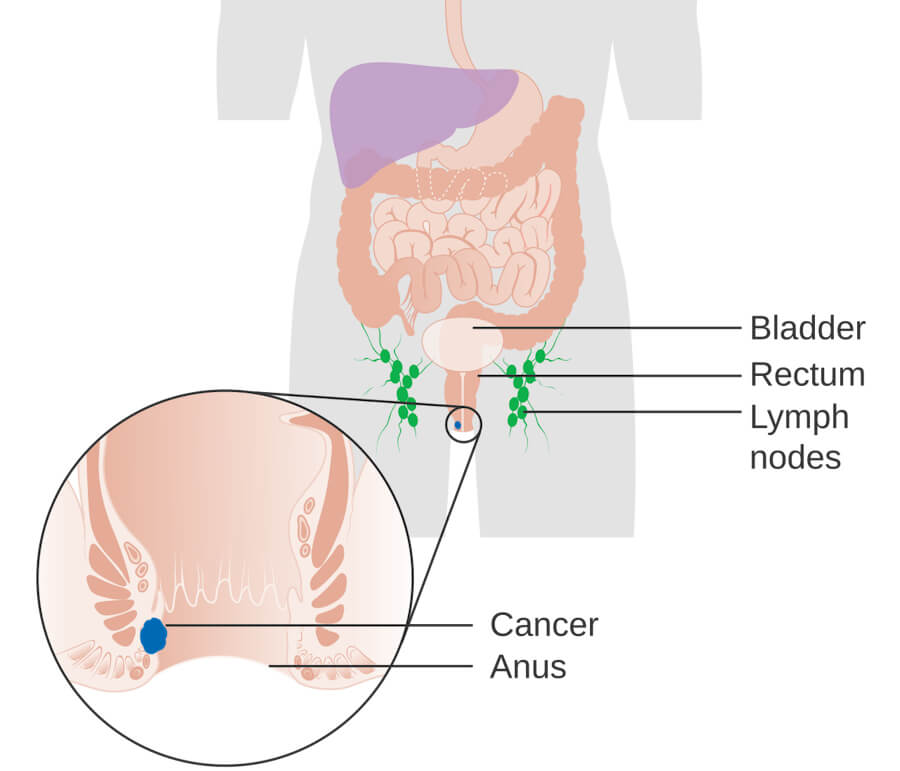
Anal cancer is a relatively uncommon malignancy arising from the tissues of the anal canal and perianal skin. Despite its rarity—accounting for approximately 1–2% of gastrointestinal tumors—its incidence has been rising steadily over the past four decades, particularly among certain high-risk populations. The disease is overwhelmingly driven by high-risk human papillomavirus (HPV) infection, making it biologically similar to cervical cancer and highly preventable through vaccination and screening. This comprehensive article examines the epidemiology, etiology, prevention strategies, clinical presentation, diagnostic pathways, treatment modalities, staging, metastatic patterns, survival outcomes, and palliative care considerations for anal cancer, providing an evidence-based resource for clinicians, patients, and caregivers.
📋 ICD-10 Classification and Coding
🏷️ ICD-10 Codes for Anal Cancer
The International Classification of Diseases, Tenth Revision (ICD-10) provides specific codes for malignant neoplasms of the anus and anal canal:
-
C21.0 – Malignant neoplasm of anus, unspecified
-
C21.1 – Malignant neoplasm of anal canal
-
C21.2 – Malignant neoplasm of cloacogenic zone
-
C21.8 – Malignant neoplasm of overlapping sites of rectum, anus, and anal canal
-
C44.5 – Other and unspecified malignant neoplasm of skin of trunk (for perianal skin tumors)
These codes facilitate standardized documentation, epidemiological surveillance, and reimbursement processes across healthcare systems.
🌍 Epidemiology and Global Burden
📊 Incidence and Demographics
Anal cancer remains a rare malignancy, constituting approximately 1–2% of all gastrointestinal cancers. In the United States, the American Cancer Society estimated 10,540 new cases and 2,190 deaths in 2024, with projections for 2025 indicating 10,930 new cases and 2,030 deaths. Globally, squamous cell carcinoma of the anal canal (SCCA) accounted for 50,865 new cases and 19,293 deaths in 2020, representing 0.3% of all new cancer cases and 0.2% of cancer-related deaths.
The median age at diagnosis is approximately 65–70 years, and the disease is more common in women, with a female-to-male ratio of approximately 2–4:1. However, incidence rates are rising in both sexes, with particularly alarming increases observed among men who have sex with men (MSM) and immunosuppressed populations. In Sweden, approximately 200 individuals are diagnosed annually, with a median age of 65–70 years and 75% of cases occurring in women.
📈 Temporal Trends
The incidence of anal cancer has increased substantially over the past 40 years. In the United States, incidence rates rose from 0.8 cases per 100,000 person-years in 1975 to 1.5 cases per 100,000 person-years in 2011. This trend is partially attributable to the HIV/AIDS epidemic and improved detection, but also reflects changing sexual practices and persistent HPV transmission. Notably, in women aged 65–74 years with a history of cervical cancer, anal cancer incidence reaches 17.6 cases per 100,000 person-years—higher than cervical cancer incidence in this age group.
🔬 Etiology, Causes, and Risk Factors
🦠 Human Papillomavirus (HPV): The Dominant Causal Factor
Approximately 90–91.7% of all anal cancers are attributable to HPV infection, with high-risk types HPV-16 and HPV-18 accounting for approximately 85% and 7% of cases, respectively. The pathogenesis mirrors that of cervical cancer: persistent HPV infection leads to the integration of viral DNA into host cells, inactivation of tumor suppressor proteins p53 and pRb, and progression through anal intraepithelial neoplasia (AIN) to invasive carcinoma.
⚠️ Established Risk Factors
The following factors confer an elevated risk of anal cancer:
-
HPV infection – The strongest risk factor, particularly high-risk subtypes
-
HIV infection and immunosuppression – HIV-positive individuals, especially MSM, have markedly elevated risk; solid organ transplant recipients are approximately five times more likely to develop anal cancer
-
Men who have sex with men (MSM) – Particularly those with HIV
-
Receptive anal intercourse – Associated with increased HPV exposure
-
Multiple sexual partners – Proxy for HPV exposure
-
Cigarette smoking – An independent risk factor
-
History of HPV-related cancers – Prior cervical, vulvar, or vaginal cancer
-
Autoimmune diseases – Including conditions requiring immunosuppressive therapy
-
Chronic anal inflammation – Fistulae, fissures, and chronic irritation
-
Anal intraepithelial neoplasia (AIN) – The direct precursor lesion
🛡️ Prevention Strategies
Anal cancer is highly preventable through primary and secondary prevention measures:
-
HPV vaccination – Vaccination against HPV-16 and HPV-18 before sexual debut provides the most effective primary prevention; meta-analyses suggest that 80% of anal cancers could be avoided by vaccination against these types
-
Screening in high-risk populations – Annual digital anorectal examination (DARE), anal cytology (anal Pap test), and HPV testing are recommended for high-risk groups including HIV-positive individuals, MSM, transplant recipients, and women with prior HPV-related cancers
-
Smoking cessation – Reduces risk
-
Safe sexual practices – Reduces HPV exposure
-
Treatment of precancerous lesions – High-grade AIN can be treated to prevent progression
🧬 Histological Types
🔬 Squamous Cell Carcinoma (SCC)
Squamous cell carcinoma is by far the most common histological type, accounting for approximately 80–90% of all anal cancers. SCC encompasses several histological subtypes, including large cell keratinizing, basaloid, transitional (cloacogenic), and mucoepidermoid variants. Importantly, all squamous cell subtypes are treated similarly in clinical practice. Cancers arising in the anal canal are managed differently from those arising in the anal margin, which behave more like skin cancers.
🔬 Adenocarcinoma
Adenocarcinoma arises from the mucus-producing glands of the anal canal and accounts for a smaller proportion of cases. It is typically treated like rectal cancer, with neoadjuvant chemoradiotherapy followed by surgery. Anal crypt adenocarcinomas carry a higher risk of inguinal node spread due to their location and lymphatic drainage.
🔬 Rare Types
Rare anal malignancies include:
-
Basal cell carcinoma – A skin cancer arising from the anal margin, typically treated with wide local excision
-
Melanoma – Arises from melanocytes in the anal mucosa; surgery is the primary treatment
-
Neuroendocrine tumors – Including small cell carcinoma, which is aggressive
-
Gastrointestinal stromal tumors (GIST) – Rare mesenchymal tumors
-
Lymphoma – Rare in the anal region
🩺 Symptoms and Early Signs
🚩 Clinical Presentation
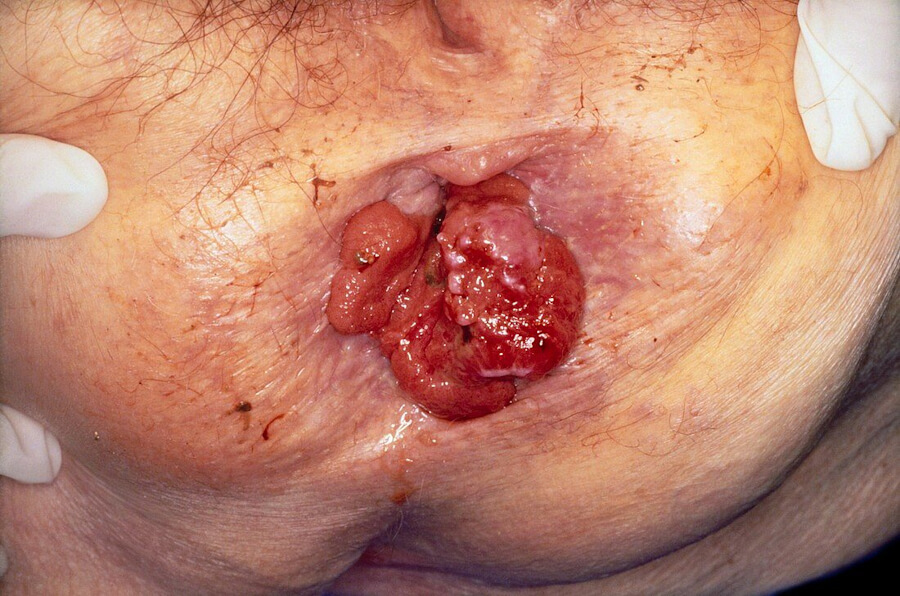
Anal cancer often presents with symptoms that overlap with common benign anorectal conditions, leading to delayed diagnosis. The most common presenting symptom is rectal bleeding, reported in approximately 45% of patients. Other frequent symptoms include:
-
Anal pain or discomfort
-
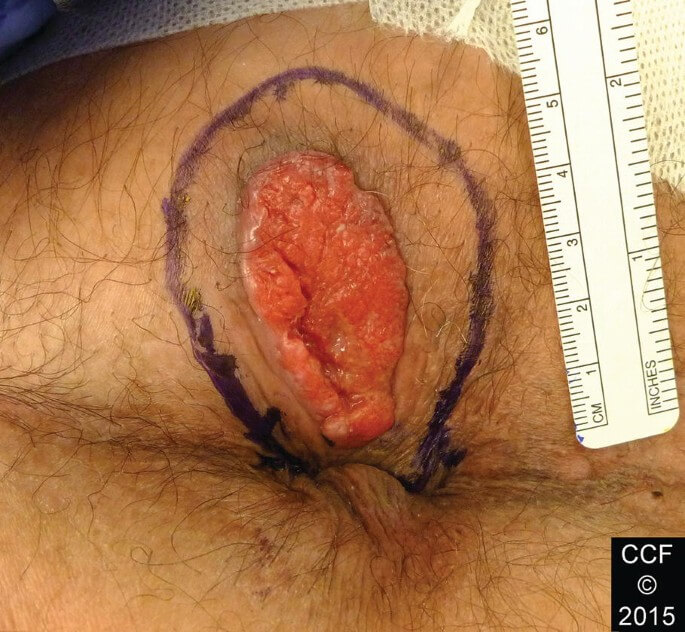
A palpable lump or mass near the anus
-
Anal itching or pruritus
-
Discharge from the anus
-
Changes in bowel habits
-
Faecal incontinence
-
Non-healing ulcers or fissures
-
Atypical or recurrent perianal abscesses
-
Inguinal lymphadenopathy (suggesting nodal spread)
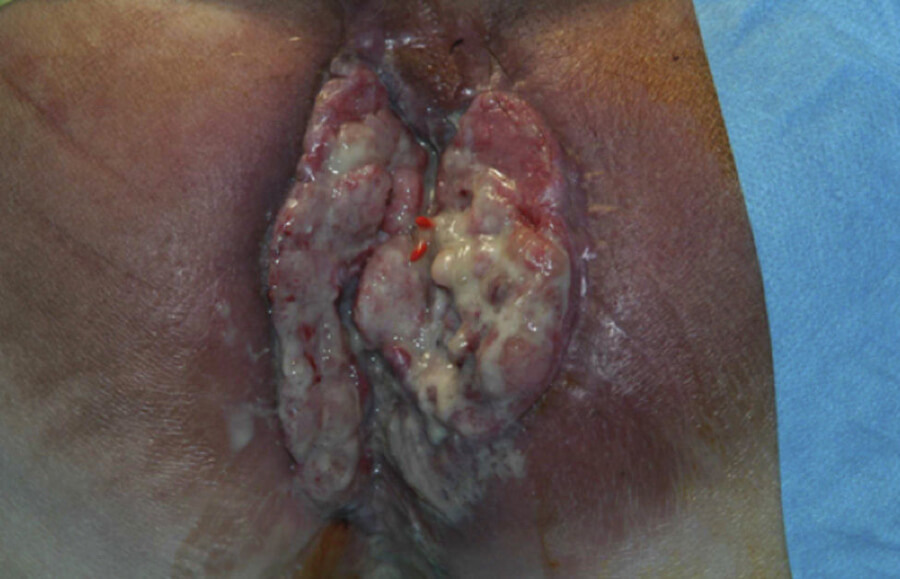
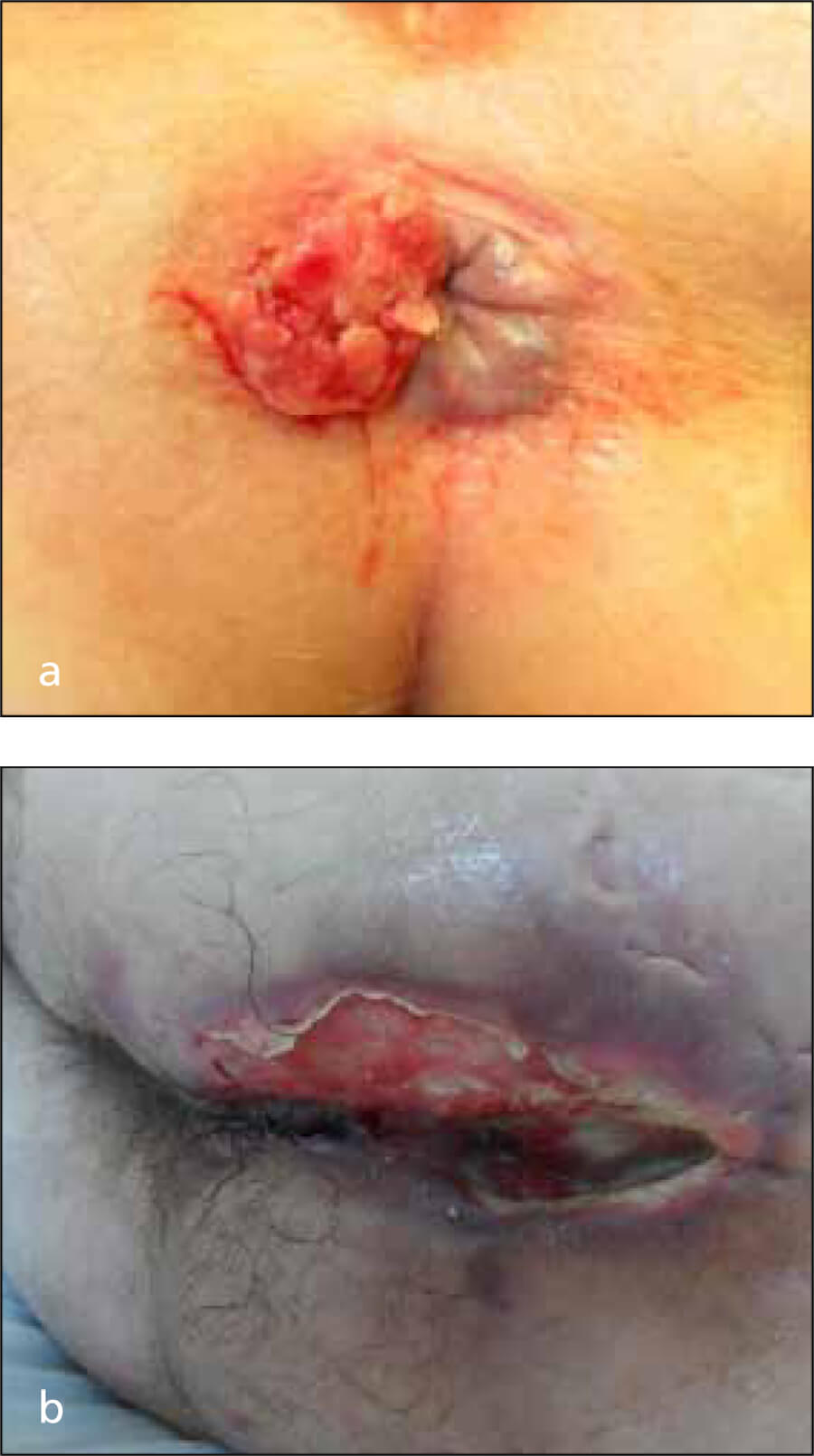
Notably, up to one-third of patients may be asymptomatic at diagnosis, with tumors detected incidentally during routine examinations or procedures for other conditions. Symptoms of advanced disease may include obstructive symptoms (nausea, vomiting, abdominal pain), tenesmus, and malignant wounds with pain, odor, and bleeding.
🔍 Diagnosis and Diagnostic Imaging
🩻 Initial Evaluation
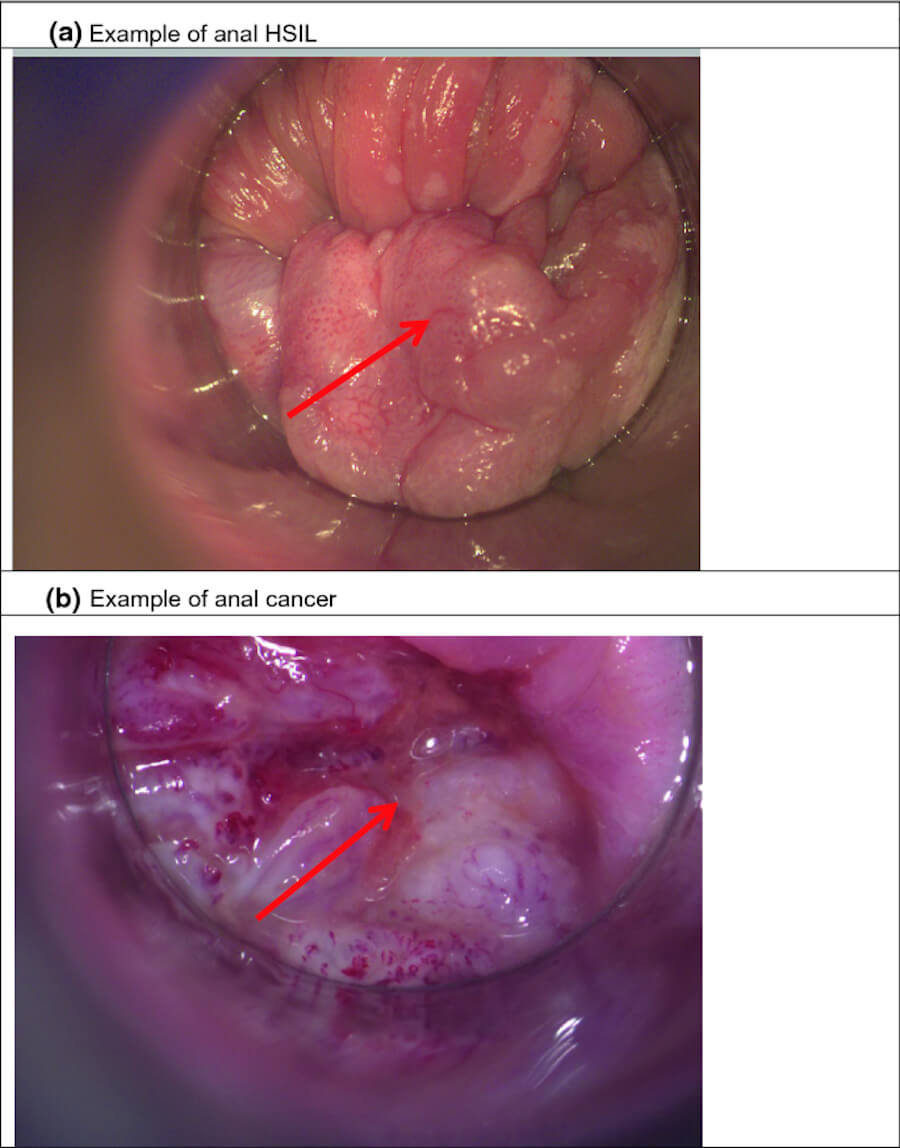
Diagnosis begins with a thorough history and physical examination, including digital rectal examination (DRE) and palpation of the inguinal lymph nodes. Anoscopy allows direct visualization of the anal canal and facilitates biopsy of suspicious lesions.
🧪 Laboratory Tests
-
Complete blood count (CBC) – May reveal anemia from chronic bleeding
-
Liver function tests – To assess for hepatic metastasis
-
HIV testing – Recommended for all patients with squamous cell anal cancer, as HIV status affects management
🖥️ Imaging Modalities
Accurate staging and treatment planning rely on multiple imaging modalities:
-
Endoanal ultrasound – Assesses depth of invasion and local lymph node involvement
-
Magnetic resonance imaging (MRI) of the pelvis – The preferred modality for local staging, providing detailed soft-tissue resolution to assess tumor size, depth, and sphincter involvement
-
Computed tomography (CT) of the chest, abdomen, and pelvis – Detects distant metastases, particularly in the liver and lungs
-
Positron emission tomography (PET/CT) – Highly sensitive for detecting occult nodal and distant metastases; increasingly used in initial staging
-
Inguinal node fine-needle aspiration (FNA) – For pathologic confirmation of suspicious nodes
🧫 Biopsy and Pathology
Definitive diagnosis requires tissue biopsy, typically obtained during anoscopy or examination under anesthesia. Pathological evaluation determines histological type, grade, and margin status, guiding treatment decisions.
🏥 Staging
📐 TNM Staging System
Anal cancer is staged according to the American Joint Committee on Cancer (AJCC) TNM system, 8th edition, which incorporates tumor size and invasion (T), nodal involvement (N), and distant metastasis (M).
T Categories:
-
T1 – Tumor ≤2 cm
-
T2 – Tumor >2 cm but ≤5 cm
-
T3 – Tumor >5 cm
-
T4 – Tumor of any size invading adjacent organs (vagina, urethra, bladder)
N Categories:
-
N0 – No regional lymph node metastasis
-
N1 – Metastasis in perirectal lymph nodes
-
N2 – Metastasis in unilateral internal iliac and/or inguinal lymph nodes
-
N3 – Metastasis in perirectal and inguinal lymph nodes and/or bilateral internal iliac and/or inguinal lymph nodes
M Categories:
-
M0 – No distant metastasis
-
M1 – Distant metastasis present
📊 Stage Grouping
-
Stage I – T1 N0 M0
-
Stage IIA – T2 N0 M0
-
Stage IIB – T3 N0 M0
-
Stage IIIA – T1–T2 N1 M0
-
Stage IIIB – T4 N0 M0
-
Stage IIIC – T4 N1 M0
-
Stage IV – Any T, any N, M1
Approximately 50% of patients present with localized disease, 29% with regional nodal involvement, and 12% with metastatic disease at diagnosis.
💊 Treatment Modalities
⚡ Chemoradiotherapy: The Gold Standard
Definitive concurrent chemoradiotherapy (CRT) is the standard of care for localized squamous cell anal carcinoma, achieving cure rates of 75–90% and preserving the anal sphincter in the majority of patients. The standard regimen combines a fluoropyrimidine (5-fluorouracil or capecitabine) with mitomycin C. More intensive chemotherapy and radiation regimens have not demonstrated improved outcomes.
🔪 Surgery
Surgery plays a limited role in the primary management of anal canal squamous cell carcinoma. Local excision with adequate margins (≥1 cm) may be appropriate for small, well-differentiated T1 anal margin cancers. Abdominoperineal resection (APR) with permanent colostomy is reserved for salvage therapy in patients with persistent or recurrent disease after CRT, or for rare histologies such as adenocarcinoma or melanoma.
🧬 Immunotherapy and Emerging Therapies
The role of immunotherapy in anal cancer is rapidly evolving. Immune checkpoint inhibitors (ICIs) targeting PD-1/PD-L1 have shown activity in metastatic SCCA. The POD1UM-303 trial demonstrated that adding retifanlimab (an anti-PD-1 antibody) to carboplatin-paclitaxel chemotherapy improved survival and response rates in metastatic SCCA, establishing chemoimmunotherapy as a new first-line standard for this population. In the refractory setting, anti-PD-1 monotherapy provides modest response rates and remains an option for immunotherapy-naïve patients.
🎯 Treatment of Metastatic Disease
For metastatic anal cancer, platinum-based chemotherapy (typically cisplatin plus 5-fluorouracil, or carboplatin plus paclitaxel) is the preferred first-line systemic therapy. The INTERAACT trial compared cisplatin/5-FU with carboplatin/paclitaxel in this setting. For patients with oligometastatic disease (limited distant spread), curative-intent local ablative therapies—including metastasectomy, stereotactic radiation, or microwave ablation—may be considered in selected cases, with emerging evidence suggesting long-term survival in up to half of such patients.
🌐 Metastasis
📍 Patterns of Spread
Anal cancer metastasizes primarily through lymphatic and hematogenous routes. The most common sites of distant metastasis outside the pelvis are the liver, lungs, and extrapelvic lymph nodes. Approximately 10% of patients present with synchronous M1 disease, and 10–20% develop metachronous distant spread after treatment. Inguinal lymph node metastasis is associated with significantly worse survival (5-year survival ~25.5% versus 53.0% in node-negative patients).
📊 Prognosis, Cure Rates, and Survival
📈 Overall Survival Statistics
The prognosis of anal cancer is highly stage-dependent. According to the Surveillance, Epidemiology, and End Results (SEER) database, 5-year relative survival rates are:
-
Localized disease – 80.1–85%
-
Regional disease – 60.7–70%
-
Distant metastatic disease – 29.4–36%
-
All stages combined – Approximately 71%
More recent data suggest 5-year overall survival of 72% for Stage IIA and 57% for Stage IIB. Gender disparities exist, with females demonstrating higher survival rates than males across all stages, particularly in distant disease (41.0% vs. 24.1%).
⏳ Life Expectancy With and Without Treatment
With standard chemoradiotherapy, the cure rate for localized anal cancer is 75–90%. Without treatment, anal cancer is progressive and potentially fatal; historical data indicate that untreated cases with distant metastasis have a median survival of less than two years, with 5-year survival rates not exceeding 30%. For metastatic disease, median progression-free survival is approximately 5–7 months and overall survival 15–22 months with palliative chemotherapy.
🕊️ Palliative Care
🩹 Symptom Management in Advanced Disease
Palliative care plays a critical role in optimizing comfort and dignity for patients with advanced or metastatic anal cancer. Key components include:
-
Pain management – Multimodal analgesia, including opioids and neurolytic blocks for neuropathic pain
-
Bleeding control – Palliative radiotherapy can provide durable local control and symptom relief for bleeding, pain, and obstructive symptoms
-
Obstructive symptom management – Stoma formation or stenting for malignant bowel obstruction
-
Wound care – Management of malignant wounds with appropriate dressings, odor control, and pain relief
-
Psychosocial support – Addressing anxiety, depression, shame, and social isolation, which are prevalent in this population
-
Palliative radiotherapy regimens – Short-course regimens such as PACTUS (Palliative Anal Cancer Treatment Uppsala Style) provide symptom relief and potentially durable local control in patients unsuitable for standard chemoradiotherapy
❓ Questions and Answers
Basics, Anatomy, & Disease Overview
1. What is anal cancer?
Anal cancer is a malignant tumor that arises from the tissues of the anal canal or the perianal skin, most commonly squamous cell carcinoma.
2. Where is the anal canal located in the body?
The anal canal is the terminal part of the gastrointestinal tract, extending from the distal rectum to the anal opening. It is located within the anal triangle of the perineum.
3. How long is the human anal canal?
The anal canal is approximately 3–4 cm long.
4. What is the difference between anal cancer and rectal cancer?
Anal cancer arises in the anal canal or anal margin, while rectal cancer arises in the rectum above the anal canal. They differ in histology, risk factors (HPV is strongly linked to anal cancer), and treatment approaches.
5. What is the difference between anal cancer and colorectal cancer?
Colorectal cancer refers to cancer of the colon and rectum, while anal cancer specifically affects the anal canal or perianal skin.
6. How common is anal cancer?
Anal cancer accounts for an estimated 10,540 cases and approximately 2,190 deaths in the United States annually. It represents about 1–2% of gastrointestinal cancers.
7. Is anal cancer considered a rare cancer?
Yes, it is a rare malignancy compared with other gastrointestinal cancers.
8. What is the most common cell type of anal cancer?
Squamous cell carcinoma (SCC) is the most common histologic type, accounting for approximately 80% of all cases.
9. What is non-keratinizing vs keratinizing squamous cell carcinoma of the anus?
Both are subtypes of SCC; non-keratinizing (basaloid) carcinoma is the most common form, while keratinizing SCC shows keratin pearl formation.
10. What is cloacogenic (basaloid) carcinoma of the anus?
A subtype of SCC arising from the transitional zone of the anal canal, with a histology resembling basaloid cells.
11. What is adenocarcinoma of the anus?
A rare type of anal cancer arising from the glandular cells of the anal canal, often treated similarly to rectal cancer.
12. What is basal cell carcinoma of the anal margin?
A rare skin cancer arising from the anal margin, typically treated with wide local excision.
13. What is melanoma of the anus (anal melanoma)?
A rare and aggressive cancer arising from melanocytes in the anal mucosa.
14. Why is anal melanoma particularly aggressive?
It tends to be diagnosed at an advanced stage and has a high propensity for early metastasis.
15. What is a Gastrointestinal Stromal Tumor (GIST) of the anal region?
A rare mesenchymal tumor arising from the interstitial cells of Cajal, treated with targeted therapy (imatinib) and surgery.
16. What is neuroendocrine carcinoma of the anus?
A rare, aggressive tumor with neuroendocrine features, often treated with platinum-based chemotherapy.
17. What is the difference between the anal canal and the anal margin (perianal skin)?
The anal canal is the internal passage, while the anal margin is the skin surrounding the anal opening.
18. What is the pectinate line (dentate line)?
An anatomical landmark separating the upper anal canal (visceral drainage) from the lower anal canal (somatic drainage).
19. Why does the anatomical origin (above vs below the dentate line) change cancer behavior?
Tumors above the dentate line drain to pelvic nodes, while those below drain to inguinal nodes, influencing staging and treatment.
20. What is Anal Intraepithelial Neoplasia (AIN)?
A precancerous lesion of the anal canal, analogous to cervical intraepithelial neoplasia (CIN).
21. What is the difference between low-grade AIN (AIN1) and high-grade AIN (AIN2/AIN3)?
AIN1 is low-grade dysplasia with a lower risk of progression; AIN2/3 is high-grade dysplasia with a significant risk of progressing to invasive cancer.
22. Is AIN considered pre-cancer?
Yes, high-grade AIN is a direct precursor to invasive anal cancer.
23. How fast does high-grade AIN progress to invasive anal cancer?
Progression rates vary but are significant in immunosuppressed individuals; the ANCHOR study showed that treating high-grade lesions reduced progression by 57%.
24. How fast does anal cancer grow?
Growth rates vary; SCC tends to grow locally and spread to regional nodes.
25. Is anal cancer slow-growing or fast-growing?
It is generally considered moderately aggressive, with a tendency for local invasion and nodal spread.
26. Is anal cancer curable?
Yes, especially when diagnosed at an early stage.
27. Can anal cancer be cured without surgery?
Yes, the majority of localized anal cancers are cured with definitive chemoradiotherapy, avoiding surgery.
28. At what age do most people develop anal cancer?
The median age at diagnosis is approximately 60–65 years.
29. Can young adults get anal cancer?
Yes, though it is more common in older adults.
30. Is anal cancer more common in men or women?
It is more common in women in the general population, but incidence is very high among men who have sex with men (MSM).
31. Why are anal cancer rates higher in women in the general population?
The reasons are not fully understood but may relate to HPV exposure and screening practices.
32. Why are anal cancer rates high among men who have sex with men (MSM)?
Due to high rates of HPV infection and receptive anal intercourse, particularly in those with HIV.
33. Is anal cancer hereditary?
There is no strong hereditary predisposition, though genetic factors may play a role.
34. Can anal cancer run in families?
Familial clustering is rare.
35. How does Human Papillomavirus (HPV) cause anal cancer?
HPV E6 and E7 oncoproteins inactivate tumor suppressor proteins p53 and Rb, leading to uncontrolled cell growth.
36. What percentage of anal cancers are caused by HPV?
Approximately 90% of anal cancers are associated with HPV.
37. Which high-risk HPV strains are most frequently linked to anal cancer?
HPV-16 and HPV-18 are the most common, with HPV-16 being dominant.
38. Can you get anal cancer without having HPV?
Yes, a small proportion of anal cancers are HPV-negative.
39. What is the relationship between Human Immunodeficiency Virus (HIV) and anal cancer?
HIV infection, particularly with low CD4 counts, significantly increases the risk of anal cancer.
40. Why are individuals living with HIV at a significantly higher risk for anal cancer?
Due to immunosuppression, which impairs clearance of HPV and allows progression of precancerous lesions.
41. Does having a healthy immune system prevent anal cancer?
A healthy immune system reduces risk but does not eliminate it.
42. What is immunosuppression-related anal cancer?
Anal cancer occurring in the setting of immunosuppression, such as HIV or organ transplantation.
43. Can organ transplant recipients develop anal cancer?
Yes, they are at increased risk due to chronic immunosuppression.
44. How does anal cancer spread through the body?
Through local invasion, lymphatic spread to regional nodes, and hematogenous spread to distant organs.
45. What lymphatic drainage routes do anal tumors follow?
Tumors above the dentate line drain to pelvic/mesorectal nodes; those below drain to inguinal nodes.
46. Why do tumors below the dentate line spread to groin (inguinal) lymph nodes?
Because the lower anal canal has somatic lymphatic drainage to the inguinal nodes.
47. Why do tumors above the dentate line spread to internal iliac/pelvic lymph nodes?
Because the upper anal canal has visceral lymphatic drainage to pelvic nodes.
48. What is hematogenous spread in anal cancer?
Spread through the bloodstream to distant organs such as the liver and lungs.
49. Where does metastatic anal cancer spread first?
Most commonly to the liver, lungs, and extrapelvic lymph nodes.
50. Can anal cancer spread to the liver?
Yes.
51. Can anal cancer spread to the lungs?
Yes.
52. Can anal cancer spread to bones?
Yes, though less common.
53. Can anal cancer spread to the brain?
Rare but possible.
54. What is primary vs secondary anal cancer?
Primary anal cancer originates in the anus; secondary anal cancer is metastatic spread from another primary site.
55. What is oligometastatic anal cancer?
A limited number of metastases (typically ≤5), potentially amenable to local therapy.
56. What is localized vs regional vs distant anal cancer?
Localized: confined to the anus; regional: spread to nearby lymph nodes; distant: spread to other organs.
57. What is the cell of origin in anal squamous cell carcinoma?
Squamous epithelial cells lining the anal canal.
58. What is the anal transition zone (ATZ)?
The zone between columnar and squamous epithelium, where cloacogenic carcinomas arise.
59. What is p16 protein expression, and why is it tested in anal cancer biopsies?
p16 is a surrogate marker for HPV infection; p16 positivity indicates HPV-driven carcinogenesis.
60. What does p16 positivity indicate on pathology reports?
It strongly suggests that the tumor is HPV-associated.
61. What is the difference between anal cancer and cervical cancer?
Both are HPV-driven squamous cell carcinomas, but they arise in different anatomical sites.
62. Why are anal cancer and cervical cancer considered biologically similar?
Both are caused by high-risk HPV, involve precursor lesions (AIN/CIN), and share similar molecular pathways.
63. Can a person have both cervical cancer and anal cancer?
Yes, women with a history of cervical cancer are at increased risk of anal cancer.
64. Can vulvar or vaginal pre-cancer increase the risk of anal cancer?
Yes, due to shared HPV exposure.
65. What is an anal sphincter muscle?
The ring of muscle that controls bowel continence.
66. How does an anal tumor affect the internal and external sphincter muscles?
Tumor invasion can impair sphincter function, causing incontinence.
67. Can anal cancer destroy sphincter tone before treatment?
Yes, locally advanced tumors can invade the sphincter.
68. Is anal cancer contagious?
No.
69. Is HPV transmission the same thing as cancer transmission?
No, HPV is a virus, while cancer itself is not transmissible.
70. Can you catch anal cancer from toilet seats or casual contact?
No.
71. Can anal cancer form inside a fistula or fissure?
Chronic fistulas and fissures are risk factors for anal cancer.
72. What is a chronic non-healing anal wound?
An ulcer or fissure that does not heal, which may be a sign of cancer.
73. What is Paget’s disease of the anus (extramammary Paget’s disease)?
A rare adenocarcinoma of the perianal skin, sometimes associated with underlying malignancy.
74. Is extramammary Paget’s disease of the anus cancerous?
Yes, it is a type of adenocarcinoma in situ.
75. What is Buschke-Löwenstein tumor (giant condyloma acuminatum)?
A large, locally aggressive wart-like tumor caused by HPV, with malignant potential.
76. Can giant condyloma turn into malignant anal cancer?
Yes, it can transform into squamous cell carcinoma.
77. What is anal verrucous carcinoma?
A rare, well-differentiated variant of SCC.
78. What is the incidence rate of anal cancer per 100,000 people?
Approximately 1–2 per 100,000 in the general population, higher in high-risk groups.
79. Are anal cancer rates increasing worldwide?
Yes, incidence has been rising over recent decades.
80. Why have anal cancer rates risen over recent decades?
Due to changing sexual practices, HIV/AIDS, and improved detection.
81. What is the difference between an internal and external anal mass?
Internal masses are within the anal canal; external masses are on the perianal skin.
82. Does anal cancer always form a hard mass?
No, it can present as an ulcer, plaque, or flat lesion.
83. Can anal cancer look like a flat ulcer?
Yes.
84. Can anal cancer present as a soft skin tag?
Rarely, but it can mimic benign skin lesions.
85. How long can someone have anal cancer without knowing it?
Symptoms may be absent or attributed to benign conditions for months to years.
86. What is an opportunistic screening finding of AIN or early cancer?
Detection during screening of high-risk individuals or during procedures for other reasons.
87. Why is anal cancer often diagnosed late?
Symptoms overlap with common benign anorectal conditions, leading to delayed evaluation.
88. What stigma is associated with anal cancer diagnosis?
Social stigma related to HPV, sexual practices, and anal health can delay seeking care.
89. How does health literacy impact early detection of anal cancer?
Low health literacy may delay recognition of symptoms and seeking medical advice.
90. What is the role of the immune microenvironment in anal tumor control?
Tumor-infiltrating lymphocytes (TILs) can influence response to therapy.
91. What are Tumor-Infiltrating Lymphocytes (TILs) in anal tumors?
Immune cells that have entered the tumor, with higher levels associated with better outcomes.
92. Is anal cancer considered a Gastrointestinal (GI) cancer or a dermatological/squamous cancer?
It is considered a GI cancer but biologically resembles a squamous cell carcinoma of the skin.
93. Which specialty treats anal cancer?
A multidisciplinary team including colorectal surgeons, medical oncologists, and radiation oncologists.
94. What is a multidisciplinary GI tumor board?
A team of specialists who review cases to develop coordinated treatment plans.
95. What are the key medical guidelines for anal cancer?
NCCN and ESMO guidelines provide evidence-based recommendations.
96. How does anal cancer pathology differ from skin cancer elsewhere on the body?
Anal SCC is often HPV-driven and may have basaloid features.
97. What is an anal margin lesion vs an anal canal lesion?
Anal margin lesions arise on the perianal skin; anal canal lesions arise inside the anal canal.
98. What is the prognosis comparison between anal margin and anal canal tumors?
Anal margin tumors often have better survival outcomes because they are detected earlier.
99. Why do anal margin tumors often have better survival outcomes?
They are more visible and accessible, leading to earlier diagnosis.
100. Where can patients find certified educational resources about anal cancer?
From organizations such as the National Cancer Institute (NCI), American Cancer Society (ACS), and ESMO.
Signs, Symptoms, & Physical Changes
101. What are the early warning signs of anal cancer?
Bleeding from the anus, itching, pain, a lump, or discharge.
102. What is the most common symptom of anal cancer?
Bleeding from the anus or rectum, often mistaken for hemorrhoids.
103. What color is blood caused by anal cancer?
Typically bright red, but can be darker if the tumor is higher in the anal canal.
104. Does anal cancer cause blood on toilet paper or in the bowl?
Yes, both can occur.
105. Can anal cancer cause severe rectal or anal pain?
Yes, especially with locally advanced tumors.
106. Is anal cancer pain constant or worse during bowel movements?
It is often worse during bowel movements.
107. Can anal cancer cause a feeling of a lump or mass near the anus?
Yes, a palpable lump is a common symptom.
108. What does an anal cancer lump feel like?
It may feel firm or hard, but can also be soft.
109. Is an anal cancer lump usually hard, firm, or soft?
It varies; some are firm, others may be ulcerated or flat.
110. Can anal cancer cause persistent anal itching (pruritus ani)?
Yes, itching is a common symptom.
111. Why does anal cancer cause chronic itching?
Due to tumor irritation and discharge.
112. Can anal cancer cause abnormal discharge or fluid from the anus?
Yes, mucus or pus-like discharge can occur.
113. Is mucus or pus discharge a symptom of anal cancer?
Yes.
114. Can anal cancer cause a change in bowel habits?
Yes, including frequency, urgency, or incontinence.
115. Can anal cancer cause narrowing of stool diameter (“pencil-thin” stools)?
Yes, if the tumor narrows the anal canal.
116. Can anal cancer cause persistent constipation?
Yes, due to obstruction.
117. Can anal cancer cause straining during bowel movements (tenesmus)?
Yes.
118. Can anal cancer cause a sensation of incomplete bowel evacuation?
Yes.
119. Does anal cancer cause fecal incontinence or bowel leakage?
Yes, especially in advanced disease.
120. Why does bowel leakage occur in advanced anal tumors?
Due to sphincter invasion or damage.
121. Can anal cancer cause swollen lymph nodes in the groin (inguinal nodes)?
Yes, inguinal lymphadenopathy is a common sign of regional spread.
122. What does a swollen groin node feel like in anal cancer?
A firm, enlarged lymph node.
123. Can anal cancer cause a non-healing anal fissure or sore?
Yes, a non-healing ulcer is a classic presentation.
124. How do you tell the difference between a hemorrhoid and anal cancer?
Hemorrhoids are vascular cushions; anal cancer is a malignant tumor. Any persistent or atypical symptoms warrant evaluation.
125. Can hemorrhoids turn into anal cancer?
No.
126. Why is anal cancer frequently misdiagnosed as hemorrhoids?
Because the symptoms (bleeding, itching, lump) overlap.
127. How do you distinguish an anal fissure from anal cancer?
An anal fissure is a tear; cancer is a mass or ulcer. Non-healing fissures require biopsy.
128. How do you distinguish an anal abscess or fistula from anal cancer?
Abscesses and fistulas are inflammatory; cancer may present as a mass. Chronic fistulas can harbor cancer.
129. How do you distinguish anal warts (condyloma) from anal cancer?
Warts are benign HPV lesions; cancer may be ulcerated or firm. Biopsy is diagnostic.
130. Can anal warts turn into anal cancer?
Yes, some HPV-related warts can progress to cancer.
131. What are the symptoms of high-grade AIN (dysplasia)?
Often asymptomatic; may cause itching or bleeding.
132. Does AIN usually cause any symptoms at all?
Usually no symptoms.
133. What percentage of anal cancer patients have zero symptoms at diagnosis?
A significant proportion, though many have subtle symptoms attributed to benign conditions.
134. Can anal cancer cause unexplained weight loss?
Yes, in advanced disease.
135. Can anal cancer cause loss of appetite (anorexia)?
Yes.
136. Can anal cancer cause fatigue or weakness?
Yes, due to anemia or systemic effects.
137. Can anal cancer cause anemia due to chronic bleeding?
Yes.
138. What are late-stage or advanced symptoms of anal cancer?
Severe pain, obstruction, fistulas, and symptoms of distant metastasis.
139. Can anal cancer cause a fistula into the vagina (rectovaginal fistula)?
Yes, locally advanced tumors can invade the vagina.
140. What are the symptoms of a rectovaginal fistula caused by anal cancer?
Passage of stool or gas through the vagina.
141. Can anal cancer cause a fistula into the urinary bladder or urethra?
Yes, though rare.
142. Can anal cancer cause urinary symptoms (burning, urgency, difficulty peeing)?
Yes, if the tumor invades the urinary tract.
143. What are the symptoms of liver metastasis from anal cancer?
Jaundice, right upper quadrant pain, and hepatomegaly.
144. Can anal cancer cause jaundice or right upper quadrant abdominal pain?
Yes.
145. What are the symptoms of lung metastasis from anal cancer?
Cough, shortness of breath, and pleural effusion.
146. Can anal cancer cause a chronic cough or shortness of breath?
Yes.
147. What are the symptoms of bone metastasis from anal cancer?
Bone pain and pathological fractures.
148. Can anal cancer cause severe hip, pelvic, or back pain?
Yes.
149. Can anal cancer cause pelvic floor muscle spasms?
Yes, due to irritation.
150. Does anal cancer cause pain when sitting down?
Yes, especially with perianal involvement.
151. What does a burning sensation in the anus indicate?
It can be due to cancer, infection, or other conditions.
152. Can anal cancer cause bleeding without any pain?
Yes.
153. Can painful bleeding be caused by benign conditions like fissures?
Yes, which is why persistent symptoms require evaluation.
154. What skin changes occur around the perianal area in anal cancer?
Ulceration, thickening, or pigmentation.
155. Can anal cancer cause skin ulceration or open raw sores?
Yes.
156. Can anal cancer cause darkening or hyperpigmentation of perianal skin?
Yes, especially with melanoma.
157. What does anal melanoma look like?
A dark, pigmented lesion, though it can be amelanotic.
158. Can an anal melanoma present without any dark pigment (amelanotic)?
Yes.
159. Can anal cancer cause leg swelling (lymphedema) due to blocked groin lymph nodes?
Yes.
160. Can anal cancer cause severe pelvic pressure?
Yes.
161. What symptoms indicate that an anal tumor has invaded the prostate or vagina?
Urinary symptoms, vaginal bleeding, or rectovaginal fistula.
162. How fast do symptoms of anal cancer typically progress?
Variable, but often insidious.
163. Can anal cancer symptoms appear suddenly overnight?
Rarely.
164. Should you see a doctor immediately if you notice bright red blood on toilet paper?
Yes, especially if persistent.
165. What questions will a doctor ask when evaluating anal symptoms?
Duration, associated symptoms, bowel habits, and risk factors.
166. Can an anal self-exam detect early lumps or irregularities?
It may help, but professional examination is more reliable.
167. Why is a professional digital rectal exam (DRE) essential for evaluating symptoms?
It allows palpation of the anal canal and rectum.
168. Can anal cancer cause fever or night sweats?
Rarely, in advanced disease.
169. Does anal cancer cause abdominal bloating or cramping?
Yes, if obstruction occurs.
170. What symptoms signal complete or partial bowel obstruction?
Nausea, vomiting, abdominal distension, and inability to pass stool.
171. Can an anal tumor block stool from passing entirely?
Yes.
172. Is acute bowel obstruction from anal cancer a surgical emergency?
Yes.
173. Can anal cancer cause rectal prolapse-like symptoms?
Yes, a large tumor can prolapse.
174. What does an anal margin tumor look like to the naked eye?
A visible lump, ulcer, or plaque on the perianal skin.
175. Why are internal anal canal tumors invisible from the outside?
They are located inside the anal canal.
176. Can anal cancer cause painful sexual intercourse (dyspareunia)?
Yes.
177. Can anal cancer cause pain during anal receptive intercourse?
Yes.
178. What non-cancerous skin conditions mimic anal cancer?
Eczema, psoriasis, lichen sclerosus, and infections.
179. How does Crohn’s disease perianal involvement differ from anal cancer?
Crohn’s causes inflammatory fistulas and tags; cancer may be a mass. Biopsy is needed.
180. Can long-standing perianal Crohn’s disease increase anal cancer risk?
Yes.
181. What symptoms indicate local recurrence after prior treatment?
New pain, bleeding, or a mass.
182. Does persistent anal soreness months after treatment mean cancer is still present?
Not necessarily; it may be radiation-related.
183. Can treatment scar tissue cause pain that mimics tumor recurrence?
Yes.
184. What is the difference between radiation-induced tissue pain and cancer pain?
Radiation pain is often chronic and related to fibrosis; cancer pain may be progressive.
185. How do doctors evaluate unexplained groin swelling in anal cancer patients?
With ultrasound and fine-needle aspiration.
186. Can an infected hair follicle or pilonidal cyst mimic anal cancer symptoms?
Yes, but they usually resolve with treatment.
187. What does a bleeding perianal skin tag mean?
It may be benign, but persistent bleeding requires evaluation.
188. Can anal cancer cause foul-smelling anal odor or discharge?
Yes, due to tumor necrosis or infection.
189. What symptoms require emergency department care?
Severe bleeding, acute bowel obstruction, or severe pain.
190. How do symptoms differ between men and women with anal cancer?
Symptoms are similar, though women may have vaginal involvement.
191. Can immunocompromised individuals present with atypical or aggressive symptoms?
Yes.
192. What percentage of anal fissure cases turn out to be malignant upon biopsy?
A small percentage, but non-healing fissures should be biopsied.
193. Can anal cancer cause neurological shooting pains down the legs (sciatic nerve involvement)?
Yes, if the tumor invades pelvic nerves.
194. What symptoms indicate tumor expansion into the sacrum or coccyx?
Deep pelvic pain and neurological symptoms.
195. How does tumor size (cm) correlate with symptom severity?
Larger tumors are more likely to cause symptoms, but even small tumors can cause pain.
196. Can a tiny 1 cm tumor cause severe pain if it involves the sphincter muscle?
Yes.
197. Why do some large tumors cause surprisingly little pain?
Because they may grow without invading pain-sensitive structures.
198. What physical signs should prompt a doctor to perform a biopsy immediately?
A palpable mass, ulceration, or suspicious skin changes.
199. What are the key red-flag symptoms of GI malignancy?
Rectal bleeding, change in bowel habits, weight loss, and a mass.
200. What is the single most important message regarding persistent anal symptoms?
Seek medical evaluation promptly; do not assume hemorrhoids.
Causes, Risk Factors, & Prevention
201. What causes anal cancer?
The primary cause is chronic HPV infection, often in the setting of immunosuppression.
202. What are the primary risk factors for developing anal cancer?
HPV infection, HIV, immunosuppression, smoking, receptive anal intercourse, and a history of HPV-related cancers.
203. How does High-Risk Human Papillomavirus (HPV) cause anal cancer?
HPV E6 and E7 proteins inactivate p53 and Rb, leading to uncontrolled growth.
204. What is the mechanism of HPV E6 and E7 viral oncogenes in cell transformation?
They degrade p53 and inactivate Rb, disrupting cell cycle control.
205. How do E6 and E7 proteins deactivate tumor suppressor proteins p53 and Rb?
E6 targets p53 for degradation; E7 binds and inactivates Rb.
206. Does having an HPV infection guarantee you will develop anal cancer?
No, most HPV infections are cleared by the immune system.
207. What percentage of sexually active adults contract HPV during their lifetime?
A large majority.
208. How does the body naturally clear most HPV infections?
Through cell-mediated immunity.
209. What is persistent high-risk HPV infection, and why is it dangerous?
It is HPV infection that is not cleared, leading to precancerous lesions and cancer.
210. Does anal receptive sex increase the risk of anal cancer?
Yes, due to increased HPV exposure.
211. Can you get anal cancer without ever engaging in anal sex?
Yes, HPV can be transmitted through other sexual activities.
212. How can HPV spread to the anal area without receptive anal intercourse?
Through skin-to-skin contact and sexual practices involving the anal area.
213. Does having multiple sexual partners increase anal cancer risk?
Yes.
214. How does HIV infection increase the risk of anal cancer?
By causing immunosuppression, which impairs HPV clearance.
215. Does Antiretroviral Therapy (ART/HAART) reduce anal cancer risk in HIV-positive individuals?
It reduces AIDS-defining cancers but anal cancer incidence remains elevated.
216. Why has anal cancer incidence remained elevated in the ART era among people with HIV?
Because ART does not fully restore immunity against HPV.
217. Does low CD4 count correlate with higher anal cancer risk?
Yes.
218. Does smoking tobacco increase anal cancer risk?
Yes, smoking is an independent risk factor.
219. How many times higher is anal cancer risk in smokers compared to non-smokers?
Moderately increased.
220. Does quitting smoking lower your risk of developing anal cancer?
Yes.
221. How does immunosuppressive medication (e.g., post-organ transplant) increase anal cancer risk?
By suppressing immune surveillance against HPV.
222. Are kidney or heart transplant recipients at higher risk for anal cancer?
Yes.
223. Does a history of cervical cancer or cervical dysplasia (CIN) increase anal cancer risk?
Yes.
224. Does a history of vulvar cancer or vulvar dysplasia (VIN) increase anal cancer risk?
Yes.
225. Does a history of vaginal cancer or vaginal dysplasia (VaIN) increase risk?
Yes.
226. What is Lower Anogenital Squamous Tract (LAST) syndrome?
The concept that HPV-related precancers and cancers affect the entire lower anogenital tract.
227. Does chronic anal inflammation or irritation cause anal cancer?
Chronic inflammation may contribute but is not a primary cause.
228. Does chronic hemorrhoidal disease cause anal cancer?
No.
229. Do chronic anal fistulas or abscesses increase cancer risk?
Yes, chronic fistulas can harbor cancer.
230. Does inflammatory bowel disease (Crohn’s disease or Ulcerative Colitis) raise anal cancer risk?
Yes, particularly with long-standing perianal Crohn’s disease.
231. Does age increase the risk of anal cancer?
Yes.
232. Is gender a risk factor for anal cancer?
Women have a higher incidence in the general population, but MSM are at very high risk.
233. Does race or ethnicity impact anal cancer incidence?
Incidence varies, with higher rates in certain populations.
234. Can the HPV vaccine (Gardasil 9) prevent anal cancer?
Yes, it prevents HPV infections that lead to anal cancer and precancer.
235. What age group is recommended to receive the HPV vaccine?
Adolescents and young adults, typically ages 9–26.
236. Can adults up to age 45 get the HPV vaccine to prevent anal infection?
Yes, Gardasil 9 is approved for males and females up to age 45.
237. Does the HPV vaccine work if you have already been exposed to HPV?
It does not treat existing infection but may protect against other HPV types.
238. Can the HPV vaccine treat existing AIN or anal cancer?
No, it is preventive, not therapeutic.
239. How effective is Gardasil 9 in preventing HPV-related anal pre-cancers?
Highly effective in preventing infections and precancers caused by covered HPV types.
240. Can condoms reduce the transmission of HPV and lower anal cancer risk?
They reduce but do not eliminate risk.
241. Do dental dams or barrier methods protect against oral-anal HPV transmission?
They may reduce risk.
242. Does diet play a direct role in causing or preventing anal cancer?
No strong direct link, but a healthy diet supports immunity.
243. Does alcohol consumption increase anal cancer risk?
Possibly, but evidence is limited.
244. Does personal hygiene or douching impact anal cancer risk?
No.
245. Can physical trauma or injury to the anus cause cancer?
No.
246. Is there a genetic or hereditary predisposition to anal cancer?
No strong hereditary link.
247. Are there specific gene mutations (like BRCA or Lynch Syndrome) linked to anal cancer?
No, but immunosuppression-related genes may play a role.
248. Does autoimmune disease increase anal cancer risk?
Some autoimmune diseases requiring immunosuppression may increase risk.
249. Does long-term corticosteroid use raise anal cancer risk?
Possibly, due to immunosuppression.
250. What is the impact of biological therapies (TNF-alpha inhibitors) on anal cancer risk?
They may increase risk through immunosuppression.
251. Can screening for pre-cancerous AIN prevent invasive anal cancer?
Yes, screening and treatment of high-grade AIN can prevent progression.
252. What is the ANCHOR study, and what did it prove about treating high-grade AIN?
It showed that treating high-grade squamous intraepithelial lesions reduced progression to anal cancer by 57%.
253. Did the ANCHOR trial prove that treating AIN2/3 reduces anal cancer risk in HIV-positive adults?
Yes.
254. Who should be screened for anal cancer and pre-cancer?
High-risk groups including HIV-positive individuals, MSM, transplant recipients, and women with prior HPV-related cancers.
255. What high-risk groups should undergo routine anal cancer screening?
Those with HIV, MSM, immunosuppressed individuals, and women with a history of cervical/vulvar/vaginal cancer.
256. What is an Anal Pap Smear (Anal Cytology)?
A test that collects cells from the anal canal to detect precancerous changes.
257. How is an Anal Pap Smear performed?
A swab is inserted into the anal canal to collect cells.
258. What is High-Resolution Anoscopy (HRA)?
A procedure using a colposcope to visualize the anal canal and biopsy abnormal areas.
259. How does HRA identify pre-cancerous lesions for targeted biopsy?
After applying acetic acid, abnormal areas turn white (acetowhitening) and are biopsied.
260. Can treating anal warts reduce the risk of anal cancer?
Treating warts may reduce HPV burden but does not eliminate cancer risk.
261. What treatment modalities exist for high-grade AIN (electrocautery, infrared coagulation, topical fluorouracil, imiquimod)?
Ablation, topical therapies, and excision.
262. Does photodynamic therapy play a role in AIN treatment?
It is investigational.
263. Can lifestyle changes lower the risk of anal cancer recurrence?
Smoking cessation and immune support may help.
264. Does quitting smoking improve treatment outcomes and survival in anal cancer?
Yes.
265. What is the role of oral sex in transmitting HPV to different anatomical sites?
It can transmit HPV to the oral cavity and oropharynx.
266. Can oral HPV infection lead to simultaneous head and neck cancer and anal cancer?
Yes, HPV can cause cancers at multiple sites.
267. Is there a link between breast cancer treatment and secondary anal cancer risk?
No direct link.
268. Does prior pelvic radiation for uterine or prostate cancer increase secondary anal cancer risk?
Yes, radiation can increase the risk of secondary cancers.
269. What environmental or occupational chemical exposures are linked to anal cancer?
No strong environmental links beyond HPV and smoking.
270. Does stress or sleep deprivation affect HPV clearance by the immune system?
Chronic stress may impair immunity.
271. Can microbiome composition in the gut/anus influence HPV clearance or persistence?
Emerging evidence suggests a role.
272. Is short-chain fatty acid production in the gut microbiome protective against GI dysplasia?
Possibly.
273. How does commercial sex work correlate with anal cancer risk factors?
Increased HPV exposure.
274. Why are incarcerated populations at higher risk for anal cancer screening disparities?
Limited access to healthcare and higher rates of HIV and HPV.
275. Does access to healthcare and specialized screening centers impact anal cancer rates?
Yes, access to screening can lead to earlier detection.
276. What public health strategies are being implemented to increase HPV vaccination rates globally?
School-based programs and public awareness campaigns.
277. Why is HPV vaccination recommended for both boys and girls?
To prevent HPV-related cancers in both sexes.
278. Can gender-neutral HPV vaccination eradicate HPV-driven cancers?
It could dramatically reduce them if coverage is high.
279. What is the global burden of anal cancer in developing countries?
It is a growing concern, particularly in areas with high HIV prevalence.
280. How does stigma prevent high-risk individuals from seeking preventive screening?
Fear of judgment can delay care.
281. What role do primary care doctors play in identifying high-risk patients for anal screening?
They can assess risk factors and refer for screening.
282. How often should HIV-positive individuals undergo anal cytology screening?
Annually or as directed by guidelines.
283. How often should women with a history of high-grade cervical dysplasia get anal screening?
Periodically, based on risk.
284. How often should organ transplant recipients be monitored for anogenital dysplasia?
Regularly, as part of post-transplant care.
285. What does an abnormal Anal Pap smear result mean (ASC-US, LSIL, HSIL)?
It indicates precancerous changes requiring further evaluation.
286. What is the next step if an Anal Pap smear shows HSIL (High-Grade Squamous Intraepithelial Lesion)?
Referral for High-Resolution Anoscopy (HRA) and biopsy.
287. Can AIN regress spontaneously without treatment?
Yes, especially low-grade lesions.
288. Why do doctors treat HSIL in high-risk patients rather than just monitoring it?
Because treatment reduces the risk of progression to cancer.
289. Is anal cancer prevention covered by standard health insurance plans?
Coverage varies.
290. What specialized training is required for clinicians to perform High-Resolution Anoscopy (HRA)?
Specialized training and certification.
291. What is the International Anal Neoplasia Society (IANS)?
A professional organization focused on anal cancer prevention and treatment.
292. How do IANS guidelines direct clinical screening practice?
They provide recommendations for screening and management of AIN.
293. Can topical trichloroacetic acid (TCA) be used to treat perianal pre-cancer?
Yes, for some lesions.
294. What is the recurrence rate of high-grade AIN after ablation?
High, especially in immunosuppressed patients.
295. Why does AIN frequently recur even after successful treatment?
Because HPV persists in surrounding tissue.
296. Does therapeutic HPV vaccination hold promise for eradicating established pre-cancers?
It is under investigation.
297. What ongoing clinical trials are investigating novel anal cancer prevention strategies?
Trials of therapeutic vaccines and new screening methods.
298. How does public awareness about HPV-related non-cervical cancers need to improve?
There is a lack of awareness about anal cancer and HPV in males.
299. What are modifiable vs non-modifiable risk factors for anal cancer?
Modifiable: smoking, HPV vaccination; non-modifiable: HIV, immunosuppression.
300. What is the ultimate goal of population-level anal cancer screening protocols?
To detect and treat precancerous lesions before they become invasive cancer.
Screening, Diagnosis, & Biopsy
301. How is anal cancer diagnosed?
Diagnosis requires a biopsy of the suspicious lesion, often during High-Resolution Anoscopy (HRA).
302. What happens during a doctor’s physical exam for anal cancer?
A digital rectal exam (DRE) and palpation of the groin lymph nodes.
303. What is a Digital Rectal Exam (DRE)?
A gloved finger is inserted into the rectum to feel for lumps.
304. How does a doctor perform a DRE to check for anal tumors?
The doctor palpates the anal canal and rectum for masses.
305. Can a DRE detect small internal anal tumors?
It can detect many, but small lesions may be missed.
306. What is an Anal Pap Smear (Anal Cytology)?
A screening test that collects cells from the anal canal.
307. How is an Anal Pap swab collected in a clinic?
A swab is inserted into the anal canal and rotated to collect cells.
308. Does an Anal Pap test hurt?
It may cause mild discomfort.
309. How does liquid-based cytology work for anal samples?
Cells are suspended in liquid and processed for examination.
310. What is an Anoscopy?
A procedure using a short, rigid tube to visualize the anal canal.
311. What is the difference between a standard rigid anoscopy and High-Resolution Anoscopy (HRA)?
HRA uses a colposcope for magnification and allows targeted biopsy.
312. How does High-Resolution Anoscopy work?
After applying acetic acid, abnormal areas are visualized and biopsied.
313. What acetic acid (vinegar) and Lugol’s iodine solutions are used during HRA?
Acetic acid causes acetowhitening of abnormal areas; Lugol’s iodine stains normal glycogenated epithelium.
314. Why does vinegar solution turn abnormal dysplasia white (acetowhitening) during anoscopy?
Due to increased nuclear density in dysplastic cells.
315. What is a Flexible Sigmoidoscopy?
An examination of the lower colon and rectum.
316. What is a Colonoscopy?
An examination of the entire colon.
317. Is a full colonoscopy required when anal cancer is suspected?
It may be performed to rule out synchronous colorectal tumors.
318. Why is colonoscopy performed to rule out synchronous colorectal tumors?
Because patients may have multiple HPV-related or other lesions.
319. What is a tissue biopsy?
Removal of a small tissue sample for pathological examination.
320. How is an anal biopsy performed?
During HRA or anoscopy, tissue is removed from suspicious areas.
321. Is an anal biopsy painful?
Local anesthesia is used; most patients experience mild discomfort.
322. What local anesthesia is used for an office-based anal biopsy?
Lidocaine injection.
323. Is an anal biopsy ever performed under general anesthesia or conscious sedation?
Yes, for deeper or more extensive biopsies.
324. What are the risks of an anal biopsy (bleeding, infection, pain)?
Bleeding, infection, and discomfort.
325. Can a biopsy cause anal cancer cells to spread or metastasize?
No, needle-track seeding is extremely rare.
326. What does a pathologist look for in an anal biopsy specimen?
Tumor type, grade, depth of invasion, and p16 status.
327. How long does it take to get pathology results back from an anal biopsy?
Several days to a week.
328. What is Immunohistochemistry (IHC) testing on anal biopsy tissue?
It detects specific proteins (e.g., p16, p63, CK5/6) to confirm the diagnosis.
329. What is p16 testing, and why is it essential for anal pathology?
p16 is a surrogate marker for HPV; positivity supports HPV-associated SCC.
330. What does p16 overexpression confirm regarding HPV involvement?
It strongly suggests the tumor is HPV-driven.
331. What is Ki-67 scoring on biopsy specimens?
A marker of cell proliferation.
332. What imaging scans are required after an anal cancer diagnosis?
Pelvic MRI, PET-CT, and CT of the chest, abdomen, and pelvis.
333. Why is an MRI of the pelvis crucial for staging anal cancer?
It provides detailed assessment of tumor size, sphincter invasion, and pelvic lymph nodes.
334. What details does a pelvic MRI provide (tumor size, sphincter invasion, pelvic lymph nodes)?
Accurate T and N staging.
335. What is a PET-CT scan, and why is it standard for anal cancer staging?
It detects occult nodal and distant metastases.
336. How does a FDG PET-CT scan detect distant metastases and regional node involvement?
By identifying areas of increased metabolic activity.
337. What is an Endoanal Ultrasound (EAUS)?
An ultrasound probe inserted into the anal canal to assess tumor depth.
338. How does endoanal ultrasound measure sphincter muscle invasion depth?
By visualizing the layers of the anal wall.
339. When is a CT scan of the chest, abdomen, and pelvis used?
To detect distant metastases.
340. What blood tests are routinely ordered after an anal cancer diagnosis?
CBC, liver function tests, renal function tests, and HIV testing.
341. Why is an HIV test recommended for all newly diagnosed anal cancer patients?
Because HIV status affects management and prognosis.
342. Why is a CD4 count and viral load test needed if a patient is HIV-positive?
To assess immune status and guide treatment.
343. What is a Complete Blood Count (CBC) checking for (anemia, baseline WBC)?
Anemia from chronic bleeding and baseline blood counts.
344. What renal function tests (BUN, Creatinine) are needed before starting chemotherapy?
To assess kidney function before nephrotoxic drugs.
345. What liver function tests (LFTs) are needed before treatment?
To assess liver function and detect metastasis.
346. Are there specific tumor markers for anal cancer (e.g., CEA, SCC-Ag)?
SCC-Ag may be used for monitoring, but not for diagnosis.
347. What is Squamous Cell Carcinoma Antigen (SCC-Ag) blood testing?
A tumor marker that may be elevated in SCC.
348. Is SCC-Ag testing routinely used for monitoring response or recurrence?
It is not standard but may be used in some centers.
349. What gynecological exams are required for women diagnosed with anal cancer?
A full pelvic exam to rule out synchronous HPV-related cancers.
350. Why should women with anal cancer have a complete cervical, vaginal, and vulvar exam?
Because of the shared HPV etiology.
351. How do doctors check for groin (inguinal) lymph node involvement?
Physical palpation and ultrasound-guided fine-needle aspiration.
352. What is Fine Needle Aspiration (FNA) or core biopsy of a swollen groin lymph node?
A minimally invasive biopsy to confirm metastasis.
353. Why is confirming groin node involvement critical for radiation treatment field planning?
It determines the radiation fields.
354. What is Sentinel Lymph Node Biopsy (SLNB) in anal cancer?
A procedure to identify the first draining node; not standard for anal cancer.
355. Is Sentinel Lymph Node Biopsy standard practice for anal cancer staging?
No.
356. What is a diagnostic examination under anesthesia (EUA)?
An examination performed under anesthesia for accurate assessment.
357. When is an EUA necessary for accurate mapping of an anal tumor?
For large or painful tumors.
358. Can an anal tumor be misdiagnosed as a benign cyst or thrombosed hemorrhoid?
Yes.
359. What should you do if your symptoms do not improve after hemorrhoid treatment?
Seek further evaluation, including biopsy.
360. How long can a misdiagnosis delay proper anal cancer treatment?
Months to years.
361. What is a pathology second opinion, and why is it recommended?
Review of pathology slides by a second expert to confirm diagnosis.
362. What key information should be present on an anal cancer pathology report?
Tumor type, grade, p16 status, margins, and lymphovascular invasion.
363. What does “tumor margin status” mean in excisional biopsies?
Whether cancer cells are present at the edge of the removed tissue.
364. What is liquid biopsy / circulating tumor DNA (ctDNA) in anal cancer?
A blood test that detects tumor DNA, useful for monitoring recurrence.
365. Can HPV ctDNA in blood detect minimal residual disease after chemoradiation?
Yes, detection at ≥3 months post-treatment is associated with recurrence.
366. How sensitive is HPV ctDNA testing for detecting early anal cancer recurrence?
Highly sensitive in early studies.
367. Is ctDNA testing FDA-approved for routine anal cancer surveillance?
Not yet; it is investigational.
368. What diagnostic imaging is safe during pregnancy?
MRI and ultrasound are preferred; CT and PET are avoided unless necessary.
369. Is MRI safe for staging anal cancer during pregnancy?
Yes.
370. Why are PET-CT scans avoided during pregnancy unless absolutely necessary?
Due to radiation exposure to the fetus.
371. What specialized diagnostic considerations apply to elderly or frail patients?
Less aggressive staging and treatment may be appropriate.
372. What diagnostic steps differentiate primary anal melanoma from squamous cell carcinoma?
Immunohistochemistry (S100, HMB-45, Melan-A).
373. What immunohistochemical stains confirm anal melanoma (S100, HMB-45, Melan-A)?
Yes.
374. How is adenocarcinoma of the anal canal distinguished from low rectal adenocarcinoma?
By immunohistochemistry (CK7, CK20, CDX2) and clinical presentation.
375. Why does distinguishing rectal adenocarcinoma from anal squamous cancer completely alter the treatment plan?
Because they have different treatment approaches (chemoradiation vs surgery).
376. What immunostains differentiate anal vs rectal carcinoma (CK7, CK20, CDX2, p63)?
Anal SCC is p63+, CK5/6+; rectal adenocarcinoma is CK20+, CDX2+.
377. How is Paget’s disease of the anus diagnosed (punch biopsy)?
A skin punch biopsy with immunohistochemistry.
378. What stains confirm extramammary Paget’s disease (PAS, CK7, CEA)?
Yes.
379. What diagnostic steps evaluate sphincter function pre-treatment (anorectal manometry)?
Manometry can assess baseline sphincter function.
380. Why is baseline continence testing important before starting pelvic radiation?
To document pre-existing function.
381. How is a rectovaginal fistula diagnosed (blue dye test, speculum exam, MRI)?
Clinical exam and imaging.
382. What imaging assesses tumor erosion into the sacrum or pelvic bones?
MRI and CT.
383. What questions should a patient ask about their imaging reports?
What is the stage? Is there nodal or distant spread?
384. How do doctors determine if a tumor is resectable vs non-resectable?
Based on local invasion and metastatic status.
385. Why is primary surgery rarely the diagnostic or therapeutic first step for anal cancer?
Because chemoradiation is the standard curative treatment.
386. What is the role of 3D pelvic mapping in modern radiation planning?
To precisely target the tumor while sparing normal tissue.
387. How are insurance approvals obtained for diagnostic PET-CT and MRI scans?
Through physician authorization and insurance pre-approval.
388. What financial navigation resources exist for diagnostic workup costs?
Hospital financial assistance and nonprofit grants.
389. What psychological support helps patients manage anxiety during the diagnostic wait (“scanxiety”)?
Counseling and support groups.
390. How can a patient request their medical records, imaging discs, and pathology slides?
Through the hospital medical records department.
391. What is the role of a nurse navigator during the diagnostic phase?
To coordinate appointments and provide support.
392. How quickly after diagnosis should treatment planning begin?
Within a few weeks.
393. Is a second opinion at a major comprehensive cancer center recommended?
Yes, especially for complex cases.
394. What questions should be asked at an initial oncology consultation?
Stage, treatment options, side effects, and prognosis.
395. What clinical criteria define a complete diagnostic workup for anal cancer?
Biopsy, imaging (MRI, PET-CT), and blood tests.
396. How does diagnostic accuracy directly impact long-term survival rates?
Accurate staging ensures appropriate treatment.
397. What is the AJCC (American Joint Committee on Cancer) staging diagnostic manual?
The standard system for cancer staging.
398. How do pathologists differentiate well-differentiated from poorly-differentiated tumors?
By the degree of glandular formation and cellular atypia.
399. Why is tumor size measured carefully in centimeters during physical exam and MRI?
Because size determines T stage.
400. What is the ultimate goal of accurate staging in anal cancer?
To guide treatment and predict prognosis.
Stages, Grading, & Staging Systems
401. What are the stages of anal cancer?
Stages 0–IV based on the AJCC TNM system.
402. What staging system is used for anal cancer (AJCC TNM system)?
The AJCC TNM system, currently in its 8th edition (with 9th edition updates).
403. What does ‘T’ stand for in TNM staging (Primary Tumor size and extent)?
Tumor size and local invasion.
404. What defines a T1 anal tumor (tumor 2 cm or smaller in greatest dimension)?
Tumor ≤2 cm.
405. What defines a T2 anal tumor (tumor larger than 2 cm but not larger than 5 cm)?
Tumor >2 cm but ≤5 cm.
406. What defines a T3 anal tumor (tumor larger than 5 cm)?
Tumor >5 cm.
407. What defines a T4 anal tumor (tumor of any size that invades adjacent organs: vagina, bladder, prostate)?
Tumor invading adjacent organs.
408. Does tumor invasion into the anal sphincter muscle automatically classify it as T4?
No, sphincter invasion alone is not T4; only adjacent organ invasion is T4.
409. Why does invasion into sphincter muscle NOT count as T4 (only adjacent organ invasion counts)?
Because the sphincter is part of the anal canal, not an adjacent organ.
410. What does ‘N’ stand for in TNM staging (Regional Lymph Nodes)?
Regional lymph node involvement.
411. What defines N0 status (no regional lymph node metastasis)?
No nodal metastasis.
412. What defines N1 status in the updated AJCC 8th Edition staging?
Metastasis in regional lymph nodes.
413. What is N1a status (metastasis in inguinal, mesorectal, or internal iliac lymph nodes)?
Involvement of these nodal groups.
414. What is N1b status (metastasis in external iliac lymph nodes)?
External iliac node involvement.
415. What is N1c status (metastasis in both N1a and N1b lymph node groups)?
Involvement of both groups.
416. How did the AJCC 8th Edition update simplify lymph node staging compared to earlier editions?
It simplified N categories into N0 and N1 (with subcategories).
417. What does ‘M’ stand for in TNM staging (Distant Metastasis)?
Distant metastasis.
418. What defines M0 status (no distant metastasis)?
No distant spread.
419. What defines M1 status (distant metastasis to organs like liver, lungs, distant nodes, bone)?
Distant spread.
420. What is Stage 0 anal cancer (Carcinoma in situ / High-Grade AIN / Bowen’s disease)?
Non-invasive cancer (Tis).
421. What is Stage I anal cancer (T1, N0, M0)?
Small tumor, no nodal or distant spread.
422. What is Stage IIA anal cancer (T2, N0, M0)?
Tumor >2 cm but ≤5 cm, node-negative.
423. What is Stage IIB anal cancer (T3, N0, M0)?
Tumor >5 cm, node-negative.
424. What is Stage IIIA anal cancer (T1 or T2 with N1 nodes; or T4, N0, M0)?
Involvement of regional nodes or T4 disease.
425. What is Stage IIIB anal cancer (T3 or T4 with N1 nodes)?
Larger tumors with nodal involvement.
426. What is Stage IIIC anal cancer (Any T, N1b or N1c nodes; or advanced regional spread)?
Extensive nodal involvement.
427. What is Stage IV anal cancer (Any T, Any N, M1)?
Distant metastasis.
428. What is the difference between Stage I and Stage II anal cancer?
Stage I is smaller (≤2 cm); Stage II is larger.
429. What is the difference between Stage II and Stage III anal cancer?
Stage III involves regional lymph nodes.
430. What defines locally advanced anal cancer (Stage III)?
Nodal involvement or T4 disease.
431. What defines metastatic anal cancer (Stage IV)?
Distant spread.
432. What is histological grading in anal cancer?
Based on differentiation: well, moderately, or poorly differentiated.
433. What is Grade 1 (GX/G1) anal cancer (well-differentiated)?
Cells resemble normal tissue.
434. What is Grade 2 (G2) anal cancer (moderately differentiated)?
Intermediate differentiation.
435. What is Grade 3 (G3) anal cancer (poorly differentiated / undifferentiated)?
Highly abnormal cells.
436. How does cancer Grade affect tumor behavior and aggressiveness?
Higher grade is more aggressive.
437. Does cancer Grade change the primary treatment plan for anal cancer?
It may influence treatment intensity.
438. How does tumor size directly correlate with stage and prognosis?
Larger tumors have a worse prognosis.
439. Why are groin (inguinal) lymph nodes considered regional nodes in anal cancer?
Because they are the first draining nodes for the lower anal canal.
440. How does inguinal node involvement affect staging (makes it Stage III)?
Yes, it upstages to Stage III.
441. What is the clinical significance of mesorectal lymph node involvement?
It indicates regional spread.
442. What is the clinical significance of internal iliac lymph node involvement?
It also indicates regional spread.
443. What is Clinical Staging (cTNM) vs Pathological Staging (pTNM)?
Clinical staging is based on imaging and exam; pathological staging is based on surgical specimens.
444. Why is clinical staging using imaging/exam used for most anal cancers (since primary surgery is avoided)?
Because chemoradiation is the primary treatment.
445. Can an anal cancer stage change after treatment begins?
Rarely, but restaging may occur.
446. What is “restaging” after chemoradiation?
Repeat imaging to assess response.
447. What does “pathologic complete response” (pCR) mean after chemoradiation?
No residual cancer cells in the biopsy specimen.
448. What is clinical complete response (cCR) evaluated by exam and imaging?
No visible tumor on exam or imaging.
449. How long after finishing chemoradiation is restaging performed (usually 8 to 26 weeks)?
Typically 8–12 weeks.
450. Why do anal tumors regress slowly over several months after radiation?
Because radiation-induced cell death is gradual.
451. What is the difference between residual disease and persistent radiation change?
Residual disease is active cancer; radiation change is scar tissue.
452. What is a biopsy-proven persistent tumor after primary treatment?
Cancer cells found on biopsy after treatment.
453. What is local vs regional vs distant recurrence?
Local: return at the original site; regional: in nodes; distant: in other organs.
454. How does HIV status impact staging interpretation?
HIV-positive patients may present at higher stages.
455. Do HIV-positive patients present at higher stages than HIV-negative patients?
Yes, often.
456. How does p16 biomarker status correlate with stage-specific outcomes?
p16-positive tumors have better outcomes.
457. Do HPV-positive (p16+) anal cancers have better survival rates stage-for-stage than HPV-negative tumors?
Yes.
458. What is the prognosis for Stage I anal cancer (over 80-85% 5-year survival)?
Approximately 84.4% 5-year survival.
459. What is the prognosis for Stage II anal cancer (approx 70-80% 5-year survival)?
Stage IIA: 77.4%; Stage IIB: 63.7%.
460. What is the prognosis for Stage III anal cancer (approx 50-65% 5-year survival)?
Stage IIIA: 73.0%; Stage IIIB: 58.4%; Stage IIIC: 59.9%.
461. What is the prognosis for Stage IV metastatic anal cancer (approx 15-35% 5-year survival)?
22.5% 5-year survival.
462. What is the SEER database staging categorization (Localized, Regional, Distant)?
A population-based staging system.
463. What is the SEER 5-year relative survival rate for Localized anal cancer (~83%)?
High.
464. What is the SEER 5-year relative survival rate for Regional anal cancer (~68%)?
Moderate.
465. What is the SEER 5-year relative survival rate for Distant anal cancer (~36%)?
Lower.
466. How do survival statistics vary between men and women?
Women generally have better survival.
467. How do survival statistics vary between age groups?
Younger patients may have better outcomes.
468. How does performance status (ECOG / Karnofsky) influence stage prognosis?
Better performance status is associated with better outcomes.
469. What is the difference between Stage IV oligometastatic vs polymetastatic disease?
Oligometastatic has fewer metastases and may be amenable to local therapy.
470. Can Stage IV anal cancer be downstaged or put into long-term remission?
Rarely, but possible with systemic therapy.
471. How is anal margin carcinoma staged compared to anal canal carcinoma?
Anal margin tumors are staged like skin cancers.
472. Are anal margin tumors staged using skin cancer staging or anal canal staging?
Skin cancer staging (e.g., Breslow thickness for melanoma).
473. How is anal melanoma staged (Breslow thickness / AJCC Melanoma Staging)?
Using melanoma-specific staging.
474. Why is staging anal melanoma completely different from squamous cell carcinoma?
Because melanoma has a different biology and staging system.
475. How is neuroendocrine anal carcinoma staged?
Similar to other neuroendocrine tumors.
476. What is the role of PET-CT scan in accurately upstaging lymph node involvement?
It can detect occult nodal metastases.
477. How often does a staging PET scan change the planned radiation field?
Frequently.
478. What does “extranodal extension” in a lymph node mean?
Tumor cells breaking through the lymph node capsule.
479. How does lymphovascular invasion (LVI) impact staging risk?
LVI is associated with a higher risk of recurrence.
480. What is perineural invasion (PNI) in anal pathology reports?
Tumor cells invading nerves.
481. How is tumor depth measured in millimeters or centimeters?
By pathological examination.
482. What does “fixation to underlying pelvic structures” mean in T4 disease?
The tumor is fixed and immobile.
483. Can an anal tumor invade the sacrum or coccyx?
Yes.
484. How does staging guide the exact choice of chemotherapy and radiation doses?
Higher stages may require more intensive treatment.
485. Why is Stage I/II treated differently than Stage IV?
Stage IV requires systemic therapy.
486. What staging questions should a patient ask their oncologist?
What is my stage? Is it HPV-related? What are my treatment options?
487. Where can a patient see an official diagram of anal cancer staging?
From the AJCC or NCCN guidelines.
488. What is the difference between relative survival rate and absolute survival rate?
Relative survival compares to the general population; absolute survival is the observed rate.
489. Why are cancer survival statistics based on population data from 5+ years ago?
Because long-term follow-up is needed.
490. How have modern chemoradiation techniques improved stage-by-stage survival?
IMRT has reduced toxicity and improved outcomes.
491. What is the impact of immunotherapy on Stage IV survival trends?
Immunotherapy has improved survival in metastatic disease.
492. How does treatment adherence impact staging outcomes?
Good adherence improves outcomes.
493. Can a patient with Stage III anal cancer be fully cured?
Yes, many are cured.
494. What does “No Evidence of Disease” (NED) mean after treatment?
No detectable cancer.
495. How does restaging MRI evaluate treatment response?
By assessing tumor size and regression.
496. What is the significance of persistent low-level PET avidity at 3 months post-treatment?
It may indicate residual disease or inflammation.
497. Why do oncologists wait up to 6 months before declaring chemoradiation failure?
Because tumors can continue to regress.
498. What is the role of liquid biopsy ctDNA in restaging?
It can detect minimal residual disease.
499. How does multidisciplinary review ensure accurate staging?
By combining expertise from radiology, pathology, and oncology.
500. What is the most critical takeaway regarding anal cancer staging?
Accurate staging guides curative treatment.
Chemoradiation & Systemic Therapies
501. What is the standard primary treatment for non-metastatic anal cancer?
Definitive concurrent chemoradiotherapy (CRT).
502. What is chemoradiation (chemoradiotherapy)?
Combined chemotherapy and radiation therapy.
503. Why is chemoradiation preferred over surgery for anal cancer?
It preserves the anal sphincter and offers high cure rates.
504. Who invented the standard Nigro Protocol for anal cancer?
Dr. Norman Nigro.
505. What is the historical Nigro Protocol (5-FU + Mitomycin-C + Radiation)?
A regimen combining 5-fluorouracil, mitomycin C, and radiation.
506. How did the Nigro Protocol revolutionize anal cancer treatment by preserving the sphincter muscle?
It showed that surgery could be avoided in many patients.
507. What chemotherapy drugs are used during primary chemoradiation?
5-Fluorouracil (5-FU) or capecitabine, plus mitomycin C.
508. What is 5-Fluorouracil (5-FU)?
A fluoropyrimidine chemotherapy drug.
509. How is 5-FU administered during radiation (continuous IV infusion via CADD pump over 96 hours)?
Continuous infusion via a pump.
510. What is Capecitabine (Xeloda)?
An oral fluoropyrimidine that can substitute for IV 5-FU.
511. Can oral Capecitabine be substituted for IV 5-FU during chemoradiation?
Yes, in some regimens.
512. What did clinical trials show regarding oral Capecitabine vs IV 5-FU in anal cancer?
Similar efficacy with easier administration.
513. What is Mitomycin-C (MMC)?
An antitumor antibiotic that enhances radiation effects.
514. How is Mitomycin-C administered (IV bolus on Day 1 and Day 29 of radiation)?
IV bolus.
515. What is Cisplatin?
A platinum-based chemotherapy drug.
516. Can Cisplatin be used instead of Mitomycin-C during chemoradiation?
It can, but mitomycin C is preferred.
517. What did the RTOG 98-11 trial prove regarding Mitomycin-C vs Cisplatin (Mitomycin-C showed superior colostomy-free survival)?
Mitomycin C was superior.
518. What radiation therapy techniques are used for anal cancer?
IMRT and VMAT.
519. What is Intensity-Modulated Radiation Therapy (IMRT)?
A precise radiation technique that reduces damage to normal tissue.
520. Why is IMRT the modern standard of care for anal cancer radiation?
It reduces acute and late toxicity.
521. What is Volumetric Modulated Arc Therapy (VMAT)?
An advanced form of IMRT.
522. How does IMRT/VMAT reduce radiation burn damage to healthy surrounding skin and organs?
By conforming the radiation dose to the tumor.
523. What total dose of radiation is typically delivered for anal cancer (45 to 54+ Gray)?
45–54 Gy.
524. How many daily radiation sessions are needed (usually 25 to 30 sessions over 5 to 6 weeks)?
25–30 sessions.
525. What radiation fields are included in the treatment plan (anal canal, pelvis, inguinal groin nodes)?
The anal canal, pelvis, and inguinal nodes.
526. Why are groin (inguinal) lymph nodes radiated even if they look normal on scans (prophylactic nodal radiation)?
To prevent recurrence in these nodes.
527. What is a “radiation boost” to the primary tumor site?
An additional dose of radiation to the tumor.
528. What are the common acute side effects of chemoradiation for anal cancer?
Skin reactions, diarrhea, fatigue, and hematologic toxicity.
529. What is severe radiation dermatitis (skin breakdown, peeling, raw sores in the groin/perianal area)?
A common acute side effect.
530. When during radiation treatment does skin breakdown usually peak (weeks 3 to 5)?
Weeks 3–5.
531. How do you care for severe perianal radiation burns (sitz baths, barrier creams, Aquaphor, silvadene, pain management)?
With gentle skin care and topical agents.
532. What is radiation proctitis and enteritis (diarrhea, cramping, rectal urgency, burning)?
Inflammation of the rectum and small bowel.
533. How do you manage severe radiation-induced diarrhea (Imodium, Lomotil, hydration)?
With antidiarrheals and hydration.
534. What is radiation-induced cystitis (painful, frequent urination)?
Bladder inflammation.
535. How does chemoradiation cause extreme fatigue?
Due to the body’s response to treatment.
536. What low blood counts (cytopenias) occur during chemoradiation (neutropenia, anemia, thrombocytopenia)?
Yes.
537. How is severe pain managed during anal cancer chemoradiation (prescription opioids, topical lidocaine, nerve pain meds)?
With multimodal analgesia.
538. Why is bowel movement pain severe during weeks 3 through 6 of treatment?
Due to radiation dermatitis and proctitis.
539. How do sitz baths help relieve perianal pain and clean raw skin post-bowel movement?
They soothe and clean the area.
540. What is DPD (Dihydropyrimidine Dehydrogenase) deficiency?
A genetic deficiency that increases toxicity to 5-FU.
541. Why is DPD testing important before receiving 5-FU or Capecitabine?
To prevent severe toxicity.
542. What happens if a patient with complete DPD deficiency receives 5-FU (severe, potentially fatal toxicity)?
Life-threatening toxicity.
543. How is chemoradiation modified for HIV-positive patients?
With careful monitoring and ART coordination.
544. Can HIV-positive patients receive full-dose chemoradiation if their CD4 count is adequate?
Yes.
545. How are Antiretroviral Therapy (ART) medications coordinated with chemotherapy?
To avoid drug interactions.
546. What system therapies are used for Stage IV metastatic anal cancer?
Carboplatin-paclitaxel, with or without retifanlimab.
547. What is the standard first-line chemotherapy regimen for metastatic anal cancer (Carboplatin + Paclitaxel)?
Carboplatin plus paclitaxel.
548. What did the InterAAct trial prove regarding Carboplatin + Paclitaxel vs Cisplatin + 5-FU for metastatic disease?
Carboplatin-paclitaxel was preferred for tolerability.
549. Why is Carboplatin + Paclitaxel preferred (better tolerability and overall survival)?
It has a better safety profile.
550. What is Immunotherapy, and how does it work against anal cancer?
It stimulates the immune system to attack cancer cells.
551. What are Immune Checkpoint Inhibitors (PD-1 / PD-L1 inhibitors)?
Drugs that block immune checkpoints.
552. What is Nivolumab (Opdivo)?
A PD-1 inhibitor.
553. What is Pembrolizumab (Keytruda)?
A PD-1 inhibitor.
554. What clinical trials demonstrated efficacy of Nivolumab and Pembrolizumab in refractory/metastatic anal cancer (NCI-9673, KEYNOTE-028)?
They showed activity.
555. When is immunotherapy prescribed for anal cancer patients?
In metastatic or refractory disease.
556. What immune-related side effects occur with Nivolumab or Pembrolizumab (colitis, pneumonitis, thyroid dysfunction, skin rash)?
Autoimmune toxicities.
557. What is Retifanlimab (Zynyz)?
An anti-PD-1 antibody approved for metastatic anal cancer.
558. What role do antibody-drug conjugates (ADCs) play in emerging anal cancer research?
They are under investigation.
559. What is clinical trial participation, and why is it encouraged for advanced or recurrent anal cancer?
It provides access to novel therapies.
560. What is therapeutic HPV vaccination (e.g., targeting E6/E7 antigens) in clinical trials?
Vaccines designed to treat HPV-driven cancers.
561. What is adoptive cell therapy (TIL therapy / TCR T-cell therapy) targeting HPV-16?
Emerging immunotherapies.
562. How are side effects monitored weekly during chemoradiation visits?
With blood tests and clinical assessment.
563. What is a chemo port (PICC line or Port-a-Cath) used for 5-FU continuous infusion?
For continuous chemotherapy delivery.
564. How is continuous 5-FU delivered using an ambulatory CADD infusion pump?
Via a portable pump.
565. What happens if the chemotherapy pump disconnects or leaks?
Seek immediate medical attention.
566. What antidote exists for 5-FU overdose or severe early toxicity (Uridine Triacetate / Vistogard)?
Uridine triacetate.
567. How is severe mucositis (mouth sores) managed if it occurs?
With oral care and pain management.
568. Does chemoradiation cause permanent hair loss (usually causes pelvic hair loss, not scalp hair loss)?
It causes pelvic hair loss, not scalp.
569. Can treatment breaks (interruptions) during radiation hurt cure rates?
Yes, they can reduce efficacy.
570. Why do oncologists try to avoid planned radiation breaks unless severe toxicity occurs?
To maintain treatment intensity.
571. How do growth factor injections (Neupogen / Neulasta) manage low WBC counts during treatment?
They stimulate white blood cell production.
572. How are blood transfusions used for treatment-induced anemia?
To correct severe anemia.
573. What is a temporary feeding tube (G-tube / NJ-tube) used for if weight loss is severe?
Nutritional support.
574. How does nutritional support improve completion rates of chemoradiation?
By maintaining strength and preventing interruptions.
575. What long-term pelvic floor changes occur after pelvic radiation (fibrosis, vaginal stenosis, ED)?
Fibrosis and stenosis.
576. How is vaginal stenosis prevented post-radiation (use of vaginal dilators and topical estrogen)?
With regular dilator use.
577. How does radiation affect erectile function in men (gradual nerve/vascular damage)?
It can cause ED.
578. How does radiation affect fertility in men and women (causes permanent infertility)?
It causes permanent infertility.
579. Can fertility preservation (egg/sperm freezing) be done prior to chemoradiation?
Yes.
580. How does radiation affect ovarian function (causes immediate premature menopause)?
It causes premature menopause.
581. What is radiation-induced pelvic insufficiency fracture risk?
A risk of pelvic fractures.
582. How do bone density scans and bisphosphonates manage bone health post-radiation?
With monitoring and treatment.
583. What is chronic radiation proctitis, and how is it treated (formalins, hyperbaric oxygen)?
With topical formalin or hyperbaric oxygen.
584. What is anal stricture / stenosis post-radiation, and how is it dilated?
Narrowing of the anal canal, treated with dilation.
585. How is chronic fecal urgency or bowel incontinence managed post-treatment (pelvic physical therapy)?
With pelvic floor therapy.
586. What is the role of pelvic floor physical therapy post-anal cancer treatment?
To improve bowel and bladder control.
587. How soon after chemoradiation does acute skin burn healing begin (usually 2 to 4 weeks post-treatment)?
2–4 weeks.
588. When is the first post-treatment assessment scan performed (8 to 12 weeks)?
8–12 weeks.
589. Why is a biopsy NOT performed immediately at 8 weeks post-radiation (high false positive rate due to slow cell death)?
Because radiation changes can mimic cancer.
590. How long can a tumor continue to shrink after radiation ends (up to 6 months or longer)?
Up to 6 months.
591. What is watchful waiting vs immediate surgery for residual scar tissue at 12 weeks?
Watchful waiting is preferred if no clear residual cancer.
592. What happens if a tumor shows progressive growth after chemoradiation?
Salvage surgery is considered.
593. What is salvage therapy for persistent or recurrent disease?
Abdominoperineal resection (APR).
594. What questions should a patient ask their radiation oncologist?
What is the radiation dose and technique? What are the side effects?
595. What questions should a patient ask their medical oncologist?
What chemotherapy will I receive? What are the goals?
596. What emergency symptoms during chemoradiation require immediate hospital evaluation?
Severe diarrhea, fever, or uncontrolled pain.
597. How does integrative oncology support symptom management during chemoradiation?
With acupuncture, nutrition, and mind-body therapies.
598. Are herbal supplements safe to take during chemotherapy and radiation?
Consult the oncology team.
599. Why should high-dose antioxidant supplements be avoided during radiation therapy?
They may protect cancer cells.
600. What is the overall cure rate of chemoradiation for early and locally advanced anal cancer?
High, with local control in 68–84%.
Surgical Options & Ostomy Care
601. Is surgery the primary treatment for most anal cancers?
No, chemoradiation is the primary treatment.
602. Why is primary surgery avoided whenever possible for anal cancer?
To preserve the anal sphincter.
603. What surgical options exist for anal cancer?
Local excision and abdominoperineal resection (APR).
604. What is a Local Excision (Local Surgical Resection)?
Removal of a small tumor with a margin of normal tissue.
605. Who is a candidate for local excision (small T1, Grade 1 tumors of the anal margin that do not involve the sphincter)?
Patients with small, early-stage tumors.
606. Can a small anal margin tumor be cured with local excision alone?
Yes.
607. What margin width (in mm) is required for a successful local excision?
At least 1 cm.
608. What is an Abdominoperineal Resection (APR)?
Surgical removal of the anus, rectum, and surrounding tissue, requiring a permanent colostomy.
609. What anatomical structures are removed during an APR (anus, anal canal, sphincter, rectum, surrounding lymph nodes)?
The anus, rectum, and sphincter.
610. Why does an APR require a permanent end colostomy?
Because the anal sphincter is removed.
611. When is an APR medically necessary for anal cancer?
For persistent or recurrent disease after chemoradiation.
612. Is APR performed for persistent tumor that fails to respond to chemoradiation?
Yes.
613. Is APR performed for local disease recurrence after previous chemoradiation?
Yes.
614. Is APR performed when chemoradiation cannot be given (e.g., prior full-dose pelvic radiation)?
Yes.
615. What is Salvage Abdominoperineal Resection (Salvage APR)?
APR after failed chemoradiation.
616. Why is a Salvage APR technically challenging after high-dose pelvic radiation?
Due to tissue fibrosis and poor healing.
617. What is the surgical complication rate for Salvage APR (wound healing issues, infection, breakdown)?
High, with perineal wound complications in up to 12%.
618. What tissue flap reconstruction is used to close a perineal wound after Salvage APR?
Myocutaneous flaps (e.g., VRAM, gracilis).
619. What is a VAM (Ventral Abdominis Myocutaneous) or VRAM flap?
A flap using abdominal muscle and skin.
620. What is a Gracilis Muscle Flap reconstruction?
A flap using the thigh muscle.
621. How do myocutaneous tissue flaps bring healthy non-radiated blood supply to heal the pelvic floor?
They provide vascularized tissue.
622. What is a Colostomy?
A surgically created opening in the abdomen for stool diversion.
623. What is the difference between a temporary ostomy and a permanent ostomy?
Temporary can be reversed; permanent cannot.
624. When is a temporary loop colostomy or ileostomy placed before or during chemoradiation?
For obstruction or severe symptoms.
625. Is a temporary ostomy placed for severe pain, total tumor bowel obstruction, or rectovaginal fistula?
Yes.
626. Can a temporary colostomy be reversed after chemoradiation heals the anal canal?
Sometimes.
627. What is a permanent end colostomy?
A permanent stoma.
628. How does a colostomy work (diverting stool into a pouch worn on the abdomen)?
Stool exits through the stoma into a pouch.
629. What is an ostomy stoma?
The surgically created opening.
630. What does a healthy stoma look like (red, moist, non-painful tissue)?
Red and moist.
631. Who is a Wound, Ostomy, and Continence Nurse (WOCN / Stoma Nurse)?
A specialist in ostomy care.
632. Why should every patient undergoing APR meet with an ostomy nurse before surgery?
To learn about ostomy care.
633. How is a stoma site selected and marked on the abdomen prior to surgery?
By an ostomy nurse.
634. How do you change and empty a colostomy pouching system?
Empty regularly and change the pouch every few days.
635. How often does a colostomy wafer/appliance need to be changed (every 3 to 7 days)?
Every 3–7 days.
636. What skin barrier products prevent peristomal skin irritation?
Barrier creams and wipes.
637. What is peristomal dermatitis, and how is it treated?
Skin irritation around the stoma, treated with barrier products.
638. Can you shower, bathe, or swim with a colostomy pouch?
Yes.
639. Does a colostomy produce bad odors (modern pouches have charcoal filters)?
Modern pouches have filters.
640. What is colostomy irrigation, and can it eliminate the need to wear a pouch daily for some end-colostomy patients?
A bowel management method.
641. What dietary modifications help control gas and stool consistency with a colostomy?
Avoid gas-producing foods.
642. What foods cause excess intestinal gas or odor?
Broccoli, beans, onions, etc..
643. What foods help thicken loose stool (bananas, rice, applesauce, toast, marshmallows)?
BRAT diet foods.
644. What is a parastomal hernia?
A bulge around the stoma.
645. How can you prevent a parastomal hernia (avoid heavy lifting, wear support garments)?
Avoid heavy lifting.
646. What is stoma prolapse or retraction?
Complications of the stoma.
647. How long is the hospital stay after an Abdominoperineal Resection (usually 4 to 7 days)?
4–7 days.
648. How long is physical recovery after an APR (6 to 12 weeks or longer)?
6–12 weeks.
649. What pelvic floor pain occurs after APR (“phantom rectum” sensation)?
Phantom rectum.
650. What is phantom rectum syndrome, and how is it managed?
A sensation of needing to defecate; managed with reassurance.
651. How do surgical drains (Jackson-Pratt drains) manage fluid collection after pelvic surgery?
They drain excess fluid.
652. How long do pelvic drains stay in place post-op?
Several days.
653. What surgical risks occur with APR (bleeding, infection, nerve damage, ureteral injury)?
Bleeding, infection, and nerve injury.
654. How does APR impact sexual function in men (erectile dysfunction, retrograde ejaculation)?
It can cause ED and retrograde ejaculation.
655. How does APR impact sexual function in women (vaginal dryness, narrowing, nerve changes)?
It can cause vaginal changes.
656. What nerve-sparing techniques are used during modern APR when oncologically safe?
Nerve-sparing surgery.
657. How does APR impact urinary bladder function (neurogenic bladder, urinary retention)?
It can cause urinary retention.
658. What is laparoscopic or robotic-assisted APR?
Minimally invasive APR.
659. What are the advantages of robotic APR (better visualization in narrow male pelvis, less blood loss)?
Better visualization.
660. What is an Inguinal Lymph Node Dissection (Groin Node Dissection)?
Removal of groin lymph nodes.
661. When is surgical removal of groin lymph nodes performed?
For confirmed metastasis.
662. What are the severe risks of groin lymph node dissection (chronic leg lymphedema, wound breakdown)?
Lymphedema and wound breakdown.
663. How is groin lymphedema managed (compression garments, lymphatic massage therapy)?
With compression and massage.
664. What is a pelvic exenteration?
Removal of pelvic organs.
665. When is total pelvic exenteration considered for advanced recurrent pelvic disease?
Rarely, for extensive local recurrence.
666. What emotional and body image adjustments accompany living with a colostomy?
Psychological distress is common.
667. What ostomy support groups exist (e.g., United Ostomy Associations of America – UOAA)?
UOAA.
668. Can you wear normal clothing with a colostomy pouch?
Yes.
669. How do you travel with ostomy supplies (TSA guidelines, carrying extra supplies)?
Carry extra supplies.
670. Can you exercise and lift weights with a colostomy?
Yes, with caution.
671. Can you engage in intimacy and sex with a colostomy?
Yes.
672. What ostomy pouch covers or intimacy wraps help patients feel confident?
Pouch covers.
673. What is a stoma blockage (obstruction), and what are its symptoms?
Abdominal pain and no output.
674. What emergency steps should be taken if a stoma stops outputting and abdominal pain occurs?
Seek urgent medical care.
675. How does health insurance cover ostomy supplies monthly?
Through DME benefits.
676. How do you order ostomy supplies through durable medical equipment (DME) providers?
With a prescription.
677. What questions should be asked before consenting to APR surgery?
Will I need a permanent stoma? What are the risks?
678. What questions should be asked about the probability of needing a permanent colostomy?
Yes.
679. What pre-operative bowel prep is required before APR surgery?
Bowel preparation.
680. How does Enhanced Recovery After Surgery (ERAS) protocol optimize post-op recovery?
With multimodal care.
681. When can a patient begin drinking and eating post-op?
Gradually.
682. How is post-op pain managed (epidural PCA, nerve blocks, multimodal analgesia)?
With multimodal analgesia.
683. What post-op care prevents blood clots (blood thinners, early walking, compression boots)?
Early mobilization.
684. How do you care for a perineal incision line at home?
Keep it clean and dry.
685. What signs of perineal wound infection require immediate call to the surgeon?
Fever, redness, or drainage.
686. How long does it take for a complex perineal wound to heal completely (weeks to months)?
Weeks to months.
687. What hyperbaric oxygen therapy helps non-healing radiated surgical wounds?
It can promote healing.
688. How does pathology review of the APR surgical specimen confirm margin status?
By examining the margins.
689. What happens if surgical margins are positive after APR?
Further treatment may be needed.
690. What post-op surveillance is required after APR surgery?
Regular follow-up with imaging.
691. How does post-APR quality of life compare between patients with well-managed ostomies vs severe chronic radiation pain?
Quality of life can be good with proper ostomy care.
692. Why do many patients adapt remarkably well to living with a permanent colostomy?
With support and education.
693. What online forums exist for ostomy survivors?
UOAA community.
694. What is a continent cutaneous ileostomy (Kock pouch / BCIR)?
An alternative to a conventional stoma.
695. Why are continent ostomy pouches rarely used for anal cancer APR patients?
Due to complexity and prior radiation.
696. Can a patient with a colostomy still lead an active, fulfilling life?
Yes.
697. How does ostomy nurse follow-up improve long-term self-care confidence?
Through education and support.
698. What key questions should family caregivers ask about post-op home care?
How to change the pouch and manage diet.
699. What surgical innovations are improving perineal wound healing rates?
Flap reconstruction and negative pressure wound therapy.
700. What is the ultimate survival benefit of Salvage APR for localized recurrence?
5-year survival ranges from 23% to 64%.
Prognosis, Survival Rates, & Recurrence
701. What is the overall prognosis for anal cancer?
Favorable, especially for localized disease.
702. What is the overall 5-year survival rate for anal cancer (approx 65-70%)?
Varies by stage.
703. What factors most strongly influence anal cancer prognosis?
Stage, HPV status, and treatment response.
704. How does tumor stage at diagnosis affect long-term survival?
Earlier stage has better survival.
705. How does tumor size (cm) impact cure rates?
Larger tumors have lower cure rates.
706. How does lymph node involvement affect prognosis?
Nodal involvement worsens prognosis.
707. How does HPV/p16 status impact prognosis?
HPV-positive tumors have better outcomes.
708. Do HPV-positive tumors have a higher cure rate than HPV-negative tumors?
Yes.
709. How does HIV status affect overall survival and recurrence risk?
HIV-positive patients may have worse outcomes.
710. How does biological sex affect prognosis (women generally have better outcomes than men)?
Women have better survival.
711. How does age at diagnosis impact treatment tolerance and prognosis?
Older age may limit treatment options.
712. What is Disease-Free Survival (DFS) in anal cancer?
Time without recurrence.
713. What is Progression-Free Survival (PFS)?
Time without progression.
714. What is Overall Survival (OS)?
Time until death.
715. What is Colostomy-Free Survival (CFS)?
Time without needing a colostomy.
716. Why is Colostomy-Free Survival an important trial metric for anal cancer?
It reflects sphincter preservation.
717. What percentage of anal cancer patients avoid a permanent colostomy (~75-80%)?
Most avoid it.
718. What is the risk of anal cancer coming back (recurrence)?
Up to 27% for locoregional recurrence.
719. What percentage of anal cancer patients experience a recurrence (~15-30%)?
15–30%.
720. What is a local recurrence (cancer returns in the anal canal/pelvis)?
Return at the original site.
721. What is a regional recurrence (cancer returns in groin or pelvic nodes)?
Return in nodes.
722. What is a distant recurrence (metastasis to liver, lungs, distant nodes, bone)?
Spread to distant organs.
723. When is the risk of anal cancer recurrence highest (within the first 2 to 3 years)?
Within 2–3 years.
724. Is anal cancer recurrence rare after 5 years of disease-free status?
Yes, rare.
725. What is persistent disease vs true recurrence?
Persistent: within 6 months; recurrence: after 6 months.
726. How do doctors confirm a suspected anal cancer recurrence (biopsy and imaging)?
With biopsy and imaging.
727. Can a recurrent anal cancer still be cured?
Yes, with salvage surgery.
728. What is the cure rate of Salvage APR for local recurrence (approx 40-60% 5-year survival)?
Varies, but can be curative.
729. How is distant metastatic recurrence treated (systemic chemo, immunotherapy, clinical trials)?
With systemic therapy.
730. What is the 5-year survival rate for Stage I anal cancer (>85%)?
84.4%.
731. What is the 5-year survival rate for Stage II anal cancer (70-80%)?
Stage IIA: 77.4%; IIB: 63.7%.
732. What is the 5-year survival rate for Stage III anal cancer (50-65%)?
Stage IIIA: 73.0%; IIIB: 58.4%; IIIC: 59.9%.
733. What is the 5-year survival rate for Stage IV metastatic anal cancer (15-35%)?
22.5%.
734. How does histologic grade affect prognosis (Grade 1 vs Grade 3)?
Higher grade is worse.
735. How does histology subtype affect prognosis (Squamous vs Adenocarcinoma vs Melanoma)?
Melanoma has the worst prognosis.
736. What is the 5-year survival rate for anal melanoma (<15-20%)?
Poor.
737. What is the 5-year survival rate for anal adenocarcinoma (similar to rectal cancer, ~60%)?
Similar to rectal cancer.
738. How does complete treatment compliance affect survival rates?
Improves survival.
739. Why do treatment delays or radiation reductions lower cure rates?
They reduce treatment efficacy.
740. What is the prognostic significance of achieving a complete clinical response (cCR)?
Excellent prognosis.
741. What follow-up surveillance schedule is required after finishing treatment?
Regular visits and imaging.
742. How often are follow-up visits scheduled in years 1 and 2 (every 3 to 6 months)?
Every 3–6 months.
743. How often are follow-up visits scheduled in years 3 through 5 (every 6 to 12 months)?
Every 6–12 months.
744. What happens during a routine follow-up visit (physical exam, DRE, groin node palpation, anoscopy)?
A thorough examination.
745. How often are surveillance CT or PET-CT scans performed post-treatment?
At 3, 6, 12, 24, and 36 months.
746. What is the role of routine MRI surveillance post-chemoradiation?
To assess treatment response.
747. How is High-Resolution Anoscopy (HRA) used in long-term surveillance?
To detect recurrence.
748. What is the role of liquid biopsy ctDNA in monitoring for early recurrence?
It can detect recurrence early.
749. How do doctors distinguish radiation scar tissue from active cancer recurrence on MRI?
By imaging characteristics and biopsy.
750. Why is a biopsy necessary before initiating salvage surgery for recurrence?
To confirm cancer.
751. What symptoms should prompt a patient to call their oncologist immediately between visits?
New pain, bleeding, or a mass.
752. Is new or worsening anal pain a sign of potential recurrence?
Yes.
753. Is new rectal bleeding a sign of potential recurrence?
Yes.
754. Are new groin lumps a sign of regional recurrence?
Yes.
755. How does quitting smoking after treatment improve long-term survival?
It improves overall health.
756. Does immune system recovery (CD4 count improvement) lower recurrence risk in HIV-positive patients?
Yes.
757. Can a secondary primary cancer develop after anal cancer treatment?
Yes.
758. What is the risk of radiation-induced pelvic secondary cancers decades later?
Small but real.
759. Why do women treated for anal cancer need ongoing cervical and vulvar cancer screening?
Due to shared HPV risk.
760. How does patient performance status impact second-line treatment options for recurrence?
Poor performance status limits options.
761. What is the role of palliative systemic therapy for unresectable metastatic recurrence?
To control symptoms and prolong survival.
762. Can oligometastatic liver or lung recurrence be treated with ablation or surgery?
Yes, in selected cases.
763. What is Stereotactic Body Radiation Therapy (SBRT) for isolated oligometastatic recurrence?
Targeted radiation.
764. How does immunotherapy extend median survival in metastatic disease?
It improves survival.
765. What clinical trials are testing new treatments for recurrent anal cancer?
Ongoing trials.
766. What is the psychological impact of living with fear of recurrence (“scanxiety”)?
Significant anxiety.
767. What mental health interventions help cancer survivors manage recurrence anxiety?
Counseling and support groups.
768. What is a Survivorship Care Plan, and why should every patient receive one?
A plan for follow-up care.
769. What details are included in a written Survivorship Care Plan?
Treatment summary and follow-up schedule.
770. Who coordinates follow-up care between the oncologist and primary care physician?
A shared care model.
771. How do lifestyle habits (diet, exercise) support long-term survivorship?
They improve overall health.
772. Does exercise reduce overall mortality in GI cancer survivors?
Yes.
773. How does pelvic rehabilitation improve long-term quality-of-life scores?
By improving function.
774. What financial toxicity issues affect long-term anal cancer survivors?
High treatment costs.
775. How does health insurance navigation assist post-treatment care costs?
With assistance programs.
776. What online prognosis calculators exist, and why should they be interpreted cautiously?
They are estimates.
777. Why do aggregate 5-year survival statistics understate modern treatment improvements?
Because they are based on older data.
778. How do clinical trials continually push survival rates higher?
By testing new therapies.
779. What prognosis questions should a patient ask their oncologist?
What is my stage? What is my expected outcome?
780. What is the median overall survival for Stage IV anal cancer today?
Approximately 15–22 months.
781. Can long-term complete remission be achieved in Stage IV disease with immunotherapy?
Yes, in some patients.
782. What support groups connect patients facing anal cancer recurrence?
Anal Cancer Foundation.
783. How do peer mentorship programs (e.g., Anal Cancer Foundation) help patients?
By providing support.
784. What is the historical progress in anal cancer survival over the past 40 years?
Improved due to chemoradiation.
785. How did the shift from APR to chemoradiation double sphincter preservation rates?
By avoiding surgery.
786. What is the future outlook for anal cancer cure rates?
Improving with immunotherapy.
787. What role will precision biomarker-driven therapies play in future prognosis?
They may personalize treatment.
788. How does early detection through high-risk screening improve Stage I detection rates?
By finding cancers earlier.
789. What is the 10-year survival rate for localized anal cancer (~75-80%)?
Favorable.
790. Does tumor regression velocity during radiation predict 5-year DFS?
Yes.
791. What is the impact of baseline hemoglobin level on radiation response?
Anemia may reduce response.
792. Why is correcting anemia during radiation important for tumor oxygenation?
Oxygenation improves radiation efficacy.
793. What is hypoxia-driven radiation resistance in solid tumors?
Low oxygen reduces radiation damage.
794. How does tumor volume reduction on restaging MRI correlate with pCR?
Good correlation.
795. What clinical guidelines dictate when follow-up care can transition to primary care?
After 5 years.
796. What is the life expectancy after surviving 5 years disease-free from anal cancer?
Excellent.
797. Can anal cancer survivors live full, normal lifespans?
Yes.
798. What key message offers hope to newly diagnosed patients?
Anal cancer is highly treatable.
799. Where can patients read verified survivor stories?
From advocacy organizations.
800. What is the most important survival factor within a patient’s control (completing treatment)?
Adherence to treatment.
Daily Living, Lifestyle, Side Effects, & Support
801. What is daily life like during anal cancer treatment?
Challenging but manageable with support.
802. Can you work during chemoradiation treatment for anal cancer?
Many patients need to take time off.
803. Why do most patients need to take time off work during weeks 3 through 6 of treatment?
Due to severe side effects.
804. What short-term disability or FMLA protections exist for cancer treatment?
Legal protections.
805. How do you manage severe fatigue during treatment?
With rest and light exercise.
806. Why is rest essential, and why does light walking help cancer fatigue?
Rest helps recovery; walking improves energy.
807. What should you eat during chemoradiation for anal cancer?
A low-residue diet.
808. What is a low-residue / low-fiber diet, and why is it recommended during radiation?
To reduce bowel movements and irritation.
809. What foods should be avoided during radiation to prevent severe diarrhea (spicy, greasy, dairy, caffeine, high-fiber)?
Avoid irritating foods.
810. How do you maintain adequate hydration when dealing with treatment diarrhea?
With oral rehydration solutions.
811. What oral rehydration solutions or electrolyte drinks are recommended?
Pedialyte or similar.
812. How do you manage severe painful bowel movements during treatment?
With pain medication and sitz baths.
813. How do sitz baths (soaking in warm water) relieve perianal skin pain?
They soothe and clean.
814. How many times a day should sitz baths be performed (3-4 times daily, especially after bowel movements)?
3–4 times daily.
815. What perianal skin barrier creams are safe during radiation (Domboro, Aquaphor, Cavilon spray, Silvadene)?
Aquaphor and silvadene.
816. Why must skin creams be washed off gently before daily radiation sessions?
To avoid interference with treatment.
817. What clothing is best to wear during pelvic radiation (loose, soft cotton pants, no tight undergarments)?
Loose cotton clothing.
818. Can you wear sanitary pads or adult diapers for radiation skin discharge or bowel leakage?
Yes.
819. How do you manage bowel urgency and accidents with dignity?
With absorbent products and planning.
820. What pain management medications are used during chemoradiation (opioids, nerve blocks, topical numbing)?
Multimodal analgesia.
821. Why is taking pain medication 30 minutes before a planned bowel movement helpful?
To reduce pain.
822. How do you manage opioid-induced constipation without causing harsh painful stools?
With stool softeners.
823. What stool softeners (Colace, Miralax) keep stools soft (“toothpaste consistency”) during healing?
Colace and Miralax.
824. Can you exercise during anal cancer treatment?
Gentle exercise is encouraged.
825. What physical activities are safe during radiation (gentle walking; avoid cycling, swimming, heavy lifting)?
Walking.
826. Why is swimming in chlorinated or public pools forbidden during radiation skin breakdown?
Infection risk.
827. Why is bicycle riding forbidden during perianal radiation treatment?
It causes friction and pressure.
828. How does anal cancer treatment affect intimacy and sexual health?
It can cause sexual dysfunction.
829. Can you engage in sexual activity during chemoradiation (generally advised to pause pelvic sex)?
Generally advised to pause.
830. How does pelvic radiation cause vaginal dryness, shortening, and stenosis in women?
Due to fibrosis.
831. What is a vaginal dilator, and why is it prescribed post-radiation?
To prevent stenosis.
832. How often should a woman use a vaginal dilator post-treatment (2 to 3 times weekly starting after healing)?
2–3 times weekly.
833. What non-hormonal vaginal moisturizers and lubricants help sexual comfort?
Water-based lubricants.
834. How does pelvic radiation affect erectile function and ejaculation in men?
It can cause ED.
835. What erectile dysfunction treatments are available post-radiation (PDE5 inhibitors like Viagra/Cialis, vacuum devices, injections)?
PDE5 inhibitors.
836. Can a patient ever resume anal receptive intercourse after anal cancer treatment?
With medical clearance and rehabilitation.
837. What medical evaluation and pelvic floor rehab should occur before attempting anal intercourse post-treatment?
Pelvic floor therapy.
838. How do you talk to a sexual partner about anal cancer changes and scars?
Open communication.
839. What specialized sexual health clinics exist for cancer survivors?
Many cancer centers offer them.
840. How does anal cancer treatment affect long-term bowel control (fecal incontinence, urgency, frequency)?
It can cause chronic bowel dysfunction.
841. What is Pelvic Floor Physical Therapy (PFPT)?
Therapy to strengthen pelvic floor muscles.
842. How does a pelvic floor physical therapist help retrain sphincter muscles post-treatment?
With exercises and biofeedback.
843. What is biofeedback therapy for fecal incontinence?
A technique to improve muscle control.
844. What medications help manage chronic long-term bowel urgency or loose stools (Loperamide, Cholestyramine)?
Antidiarrheals.
845. How do you cope with the emotional distress and stigma of an anal cancer diagnosis?
With counseling and support groups.
846. How do you handle feelings of shame or embarrassment related to anal symptoms?
By understanding that anal cancer is a medical condition.
847. How do you address intrusive questions from acquaintances about your cancer type?
Set boundaries.
848. What non-profit organizations offer specialized support for anal cancer patients?
Anal Cancer Foundation.
849. What is the Anal Cancer Foundation (Thriving & Surviving network)?
A support organization.
850. What online patient peer support communities exist (e.g., CancerCare, ACS, HealthTree)?
CancerCare and ACS.
851. How can professional mental health counseling or oncology social work help?
They provide emotional support.
852. What support exists for family caregivers of anal cancer patients?
Respite care and support groups.
853. How do you explain an anal cancer diagnosis to children or family members?
With age-appropriate honesty.
854. What financial navigation resources help manage medical bills and insurance co-pays?
Hospital financial counselors.
855. What co-pay assistance grants exist for chemotherapy or immunotherapy medications?
Manufacturer programs.
856. How do you navigate health insurance claims, pre-authorizations, and appeals?
With persistence and help.
857. What transportation assistance programs exist for daily radiation visits?
American Cancer Society Road to Recovery.
858. What lodging assistance programs exist (e.g., ACS Hope Lodge) for patients traveling for treatment?
Hope Lodge.
859. Is it safe to consume alcohol during or after anal cancer treatment?
Limit alcohol.
860. How does quitting smoking support long-term skin and tissue healing post-radiation?
It improves healing.
861. What skin care precautions should be followed long-term for radiated pelvic skin (sun protection, gentle soaps)?
Gentle skin care.
862. What non-pharmacological therapies help relieve treatment nausea (ginger, acupuncture, acupressure bands)?
Acupuncture.
863. Is acupuncture safe for pain and nausea management during cancer treatment?
Yes, with a qualified practitioner.
864. What dietary supplements or vitamins are safe to resume after radiation finishes?
Consult the oncology team.
865. How do you rebuild muscle mass and physical strength post-treatment?
With exercise and nutrition.
866. What sleep hygiene practices help manage cancer fatigue and night pain?
Regular sleep schedule.
867. How do you manage anxiety before follow-up surveillance scans (“scanxiety”)?
With relaxation techniques.
868. What mindfulness, meditation, or breathing exercises help manage procedural anxiety?
Mindfulness meditation.
869. How do oncology dietitians assist with post-treatment bowel retraining diets?
They provide guidance.
870. What is a “bowel diary,” and how does it help identify trigger foods?
A record of foods and symptoms.
871. How do you manage chronic radiation cystitis or bladder spasms long-term?
With medication.
872. What pelvic pain medications (Gabapentin, Pregabalin, Amitriptyline) help nerve-related post-radiation pain?
Neuropathic pain medications.
873. How does hyperbaric oxygen therapy (HBOT) help severe chronic radiation necrosis or proctitis?
It promotes healing.
874. What is the role of support groups specifically for LGBTQ+ individuals facing HPV-related cancers?
Provides safe spaces.
875. How can healthcare providers deliver culturally competent, non-stigmatizing care?
With sensitivity and respect.
876. What rights do patients have regarding medical privacy and HIPAA protections?
Privacy rights.
877. How do you handle workplace discrimination related to illness or ostomy use?
Legal protections exist.
878. What legal resources protect cancer patients in the workplace (Cancer and Careers)?
Cancer and Careers.
879. How do you apply for Social Security Disability Insurance (SSDI) for advanced cancer?
Through the SSA.
880. What respite care options exist for exhausted family caregivers?
Respite services.
881. How can friends and family offer practical help during treatment (meal trains, rides, house cleaning)?
With practical support.
882. How do you respond to well-meaning but harmful unsolicited medical advice from acquaintances?
Politely decline.
883. What digital health apps help patients track daily symptoms, medications, and bowel habits?
Tracking apps.
884. What post-treatment exercise guidelines exist for pelvic cancer survivors?
Gradual return to activity.
885. How does physical therapy address post-radiation hip or pelvic tightness?
With stretching.
886. What bone health monitoring (DEXA scans) should occur after pelvic radiation?
DEXA scans.
887. How do calcium and Vitamin D supplements support bone health post-treatment?
They support bone density.
888. What dental care steps should be taken if receiving IV bisphosphonates for bone protection?
Dental clearance.
889. How do survivors navigate transitioning from active treatment back to “normal life”?
With survivorship care plans.
890. What mental health support handles post-treatment depression or PTSD symptoms?
Counseling.
891. How do you celebrate finishing treatment while managing lingering side effects?
With realistic expectations.
892. What legacy or advocacy opportunities exist for survivors who want to raise awareness?
Advocacy groups.
893. How does sharing personal survivor stories reduce public stigma?
By normalizing the conversation.
894. What annual awareness events focus on anal cancer and HPV prevention (e.g., HPV Awareness Day)?
HPV Awareness Day.
895. What trusted podcasts or webinars cover anal cancer survivorship?
From advocacy organizations.
896. How do oncology social workers arrange home health care or medical equipment?
They coordinate services.
897. What palliative care services assist with complex symptom management at any stage?
Palliative care teams.
898. How does palliative care differ from end-of-life hospice care?
Palliative care can be at any stage; hospice is end-of-life.
899. What key questions should survivors ask at their annual survivorship check-up?
About recurrence risk and late effects.
900. What overall message underscores living well after anal cancer treatment?
Life can be fulfilling after treatment.
Complex Cases, Rare Subtypes, & Myths
901. What is anal melanoma, and how does it differ from squamous cell carcinoma?
A rare, aggressive cancer of melanocytes, with a worse prognosis.
902. How common is primary anal melanoma (<1% of all anal cancers)?
Very rare.
903. Why is anal melanoma often diagnosed late (mistaken for a bleeding hemorrhoid or polyp)?
Because of its non-specific symptoms.
904. What is the standard surgical treatment for localized anal melanoma (Wide Local Excision vs APR)?
Wide local excision if feasible.
905. Does APR offer superior survival over Wide Local Excision for anal melanoma?
No, survival is similar.
906. What targeted therapies are used for BRAF-mutated or c-KIT mutated anal melanoma?
BRAF and KIT inhibitors.
907. How effective is combination immunotherapy (Nivolumab + Ipilimumab) for metastatic anal melanoma?
It can be effective.
908. What is anal adenocarcinoma, and where does it arise (anal glands or fistulas)?
Arises from anal glands.
909. How is anal adenocarcinoma treated (treated similarly to rectal adenocarcinoma with neoadjuvant chemoradiation and APR)?
Similar to rectal cancer.
910. What is extramammary Paget’s disease (EMPD) of the anus?
A rare adenocarcinoma in situ of the perianal skin.
911. How is perianal Paget’s disease treated (wide surgical excision, topical imiquimod, or Mohs surgery)?
Wide excision or Mohs.
912. What is the high association between perianal Paget’s disease and underlying internal GI or urological malignancies?
It can be associated with underlying cancer.
913. What is Gastrointestinal Stromal Tumor (GIST) of the anus?
A rare mesenchymal tumor.
914. How are anal GISTs treated (targeted therapy with Imatinib / Gleevec followed by surgery)?
With imatinib.
915. What is neuroendocrine carcinoma (small cell carcinoma) of the anus?
A rare, aggressive tumor.
916. How is small cell neuroendocrine anal cancer treated (systemic platinum-based chemotherapy + radiation)?
With chemotherapy.
917. What is Buschke-Löwenstein tumor (Giant Condyloma Acuminatum)?
A large, locally aggressive HPV-related tumor.
918. How is a Buschke-Löwenstein tumor treated (wide surgical resection due to high local recurrence)?
Wide resection.
919. How is anal cancer managed during pregnancy?
With multidisciplinary care.
920. Can chemoradiation be safely delivered during pregnancy?
It requires careful coordination; often delayed.
921. Is C-section delivery required if an active anal tumor or severe radiation damage is present?
Often yes.
922. How is anal cancer managed in patients with severe inflammatory bowel disease (Crohn’s/Ulcerative Colitis)?
With caution due to radiation toxicity.
923. Why is pelvic radiation challenging in patients with active severe Crohn’s disease?
Higher risk of bowel toxicity.
924. How is anal cancer treated in frail elderly patients (>80 years old)?
With dose-modified treatment.
925. Can dose-modified or split-course chemoradiation be safely used for elderly patients?
Yes.
926. What is the management of anal cancer in kidney or liver transplant recipients taking lifelong immunosuppression?
With careful coordination.
927. Should immunosuppressive medications be reduced during cancer treatment if medically safe?
Sometimes.
928. Myth: Does eating spicy food cause anal cancer?
No.
929. Fact: Spicy food can cause anal irritation but has no link to cancer.
930. Myth: Is anal cancer strictly a “gay disease”?
No, it affects people of all sexual orientations.
931. Fact: Anal cancer affects men and women of all sexual orientations; over half of US cases occur in heterosexual women.
932. Myth: Do hemorrhoids turn into anal cancer if left untreated?
No.
933. Fact: Hemorrhoids are swollen veins and cannot transform into cancer.
934. Myth: Is anal sex required to get anal cancer?
No.
935. Fact: HPV can infect the anal area through skin-to-skin contact without receptive anal sex.
936. Myth: Does getting anal cancer mean you must have a colostomy bag for life?
No.
937. Fact: Over 75-80% of patients are cured with chemoradiation and never need a colostomy.
938. Myth: Can poor personal hygiene cause anal cancer?
No.
939. Fact: Hygiene habits do not cause HPV-driven cancer.
940. Myth: Is anal cancer always fatal?
No.
941. Fact: Early and locally advanced anal cancer has high cure rates.
942. Myth: Can natural detoxes, alkaline diets, or herbal enemas cure anal cancer?
No.
943. Fact: Unproven alternative cures have no efficacy and delay treatment.
944. What are the medical dangers of delaying standard chemoradiation for unproven alternative remedies?
Progression and reduced curability.
945. Myth: Does a negative Anal Pap smear mean you 100% do not have anal cancer?
No.
946. Fact: Cytology can miss lesions; persistent symptoms require direct examination and biopsy.
947. Myth: Can sitting on cold concrete or public toilet seats transmit anal cancer?
No.
948. Fact: Cancer cannot be transmitted from environmental surfaces.
949. What is the role of liquid biopsy ctDNA in detecting rare molecular subtypes?
It is investigational.
950. How does Next-Generation Sequencing (NGS) identify actionable gene mutations in metastatic anal tumors?
It identifies mutations for targeted therapy.
951. What rare genomic alterations occur in anal cancer (EGFR amplification, PIK3CA mutations, FBXW7)?
These can occur.
952. Are EGFR inhibitors (e.g., Cetuximab) effective for anal cancer?
Clinical trials showed increased toxicity without survival benefit.
953. What is the role of Trop-2 targeting antibody-drug conjugates (e.g., Sacituzumab Govitecan) in clinical trials?
Under investigation.
954. How do clinical trials test therapeutic vaccines combined with immune checkpoint inhibitors?
They are being studied.
955. What is the management of massive perianal tumor hemorrhage (embolization, palliative radiation)?
With embolization or radiation.
956. How is acute tumor perforation or rectovaginal fistula erosion managed in emergency settings?
With emergency surgery.
957. What is a palliative diversion colostomy for intractable tumor pain or incontinence?
A stoma for symptom relief.
958. How do radiation oncologists re-treat local pelvic recurrence if prior radiation was delivered years earlier?
With careful re-irradiation.
959. What is Hyperthermic Intraperitoneal Chemotherapy (HIPEC), and is it used for anal cancer?
Rarely used.
960. How is anal cancer care organized at NCI-Designated Comprehensive Cancer Centers?
With multidisciplinary teams.
961. Why does treatment at high-volume specialized cancer centers correlate with higher survival rates?
Due to expertise.
962. How can international patients access specialized anal cancer clinical trials?
Through trial registries.
963. What resources exist for low-income or uninsured patients diagnosed with anal cancer?
Financial assistance programs.
964. How do patient advocacy organizations work to eliminate social stigma around anogenital cancers?
Through education and awareness.
965. How does public education about HPV vaccination help reduce future anal cancer incidence?
It prevents HPV infections.
966. What role do survivor advocates play in funding clinical research?
They raise funds and awareness.
967. How do second opinions clarify complex or borderline surgical decisions?
By providing expert review.
968. What documents should be compiled when seeking a specialized second opinion?
Medical records, pathology slides, and imaging.
969. How do virtual tele-oncology consultations expand access to expert anal cancer opinions?
They provide remote access.
970. What advance directives and end-of-life care planning should be discussed for terminal metastatic cases?
Advance directives.
971. How does palliative care improve comfort and dignity in end-stage disease?
With symptom management.
972. What hospice services support home care for terminal patients?
Nursing and support.
973. How do death doulas or grief counselors support families facing terminal loss?
They provide emotional support.
974. What legal resources assist patients with estate planning and healthcare power of attorney?
Legal aid.
975. What key questions should every patient ask at their first multidisciplinary consultation?
About diagnosis, treatment, and prognosis.
976. What questions should be asked before consenting to experimental trial enrollment?
About risks and benefits.
977. What questions should be asked about long-term post-treatment quality-of-life expectations?
About late effects.
978. How can digital binders or mobile health apps organize pathology reports and scan discs?
With digital tools.
979. What trusted web portals offer verified medical literature on anal cancer (NCI, ASCO, ESMO, ACS)?
NCI, ASCO, ESMO, ACS.
980. How does staying informed empower patients to advocate for their own health?
It enables informed decisions.
981. What is the impact of global HPV vaccination campaigns on projected 2050 anal cancer incidence?
They could dramatically reduce incidence.
982. Can therapeutic vaccines eventually replace toxic chemotherapy regimens?
Possibly in the future.
983. How are artificial intelligence (AI) algorithms improving High-Resolution Anoscopy diagnostic accuracy?
They assist in lesion detection.
984. What is the role of spatial transcriptomics in understanding anal cancer tumor microenvironments?
It provides detailed molecular mapping.
985. How do novel radiosensitizers enhance radiation cell-kill while protecting normal tissues?
They increase tumor sensitivity.
986. What research is investigating non-invasive urine or stool biomarkers for early anal cancer detection?
Ongoing research.
987. How does global collaboration between cancer registries accelerate rare subtype research?
By sharing data.
988. What legacy projects or memory books help patients share their journey with loved ones?
Legacy projects.
989. How do survivor networks provide lifelong hope and community connection?
Through peer support.
990. What final advice do top oncologists give to newly diagnosed anal cancer patients?
Seek expert care and stay informed.
991. Remember that anal cancer is highly treatable and curable in the vast majority of cases.
Yes.
992. Always seek care from an experienced multidisciplinary oncology team.
Yes.
993. Never let fear or embarrassment delay medical evaluation of anal symptoms.
Yes.
994. Ask questions continuously until you fully understand your diagnosis and treatment plan.
Yes.
995. Lean on professional support services, social workers, and peer networks throughout your journey.
Yes.
996. Trust that modern chemoradiation techniques are designed to preserve both your life and organ function.
Yes.
997. Follow all post-treatment surveillance guidelines diligently.
Yes.
998. Advocate for HPV vaccination among younger family members to prevent future cases.
Yes.
999. Recognize that you are not alone on this healing journey.
Yes.
1000. Where can you find immediate professional help and support resources today?
From your healthcare team and organizations like the Anal Cancer Foundation.
📌 Key Facts
-
Anal cancer is rare, accounting for 1–2% of gastrointestinal cancers, but its incidence is rising
-
HPV causes approximately 90% of cases, with HPV-16 being the dominant subtype
-
HIV-positive individuals and MSM are at highest risk, with immunosuppression amplifying susceptibility
-
HPV vaccination could prevent 80% of anal cancers
-
Chemoradiotherapy is the standard of care for localized disease, achieving cure in 75–90% of patients
-
Surgery is reserved primarily for salvage or rare histologies
-
Immunotherapy is transforming metastatic disease management, with chemoimmunotherapy now a first-line option
-
Five-year survival is 80% for localized disease but drops to 29% for metastatic disease
🔑 Key Takeaways
-
Anal cancer is a preventable disease: HPV vaccination and screening of high-risk populations are cornerstone prevention strategies.
-
Symptoms overlap with benign conditions, leading to diagnostic delays; any persistent anal symptoms warrant evaluation.
-
MRI and PET/CT are essential for accurate staging, guiding treatment selection.
-
Definitive chemoradiotherapy preserves the sphincter and offers high cure rates for localized disease.
-
Immunotherapy has emerged as a transformative treatment for metastatic anal cancer, with chemoimmunotherapy now preferred first-line.
-
Palliative care should be integrated early in advanced disease to optimize symptom control and quality of life.
-
Survival is highly stage-dependent, underscoring the importance of early detection and prompt treatment.
-
Anal cancer is a rare but rising malignancy strongly linked to HPV infection, with SCC as the dominant histology.
-
HPV vaccination and screening of high-risk groups are cornerstone prevention strategies.
-
Symptoms often mimic benign conditions (hemorrhoids, fissures), leading to diagnostic delays; any persistent anal symptom warrants evaluation.
-
Diagnosis requires biopsy with p16 testing, and staging relies on pelvic MRI and PET-CT.
-
Definitive chemoradiation is the standard of care for localized disease, achieving high cure rates and sphincter preservation.
-
Immunotherapy (retifanlimab) has emerged as a transformative treatment for metastatic anal cancer.
-
Salvage APR is reserved for persistent or recurrent disease, with 5-year survival ranging from 23% to 64%.
-
Palliative care should be integrated early in advanced disease to optimize symptom control and quality of life.
-
Myths about anal cancer—including that it only affects gay men or that it is always fatal—must be dispelled through education.
🎯 Conclusions
Anal cancer, though rare, represents a growing public health concern with a well-defined viral etiology and highly effective prevention strategies. The disease is biologically similar to cervical cancer, driven overwhelmingly by high-risk HPV types, and disproportionately affects immunosuppressed populations. Early detection through awareness of symptoms and screening of high-risk groups enables timely intervention when cure rates are highest. Definitive chemoradiotherapy remains the gold standard for localized disease, achieving excellent oncologic outcomes while preserving sphincter function in most patients. The emergence of immunotherapy, particularly chemoimmunotherapy with retifanlimab, has reshaped the treatment landscape for metastatic disease. Palliative care plays an essential role in maintaining quality of life throughout the disease trajectory. Continued research into HPV vaccination uptake, optimized screening protocols, and novel therapeutic combinations will be critical to reducing the global burden of this preventable malignancy.
📚 References
-
Columbia Doctors. Anal Cancer Information & Treatment. https://www.columbiadoctors.org/health-library/condition/anal-cancer/
-
Cancer Research UK. Types of anal cancer. https://www.cancerresearchuk.org/about-cancer/anal-cancer/stages-types/types
-
PathologyOutlines. Carcinoma overview – Anus & perianal area. https://www.pathologyoutlines.com/topic/anuscarcinomageneral.html
-
ScienceDirect. Anal Cancer – an overview. https://www.sciencedirect.com/topics/neuroscience/anal-cancer
-
ScienceDirect. Anal Cancer – Types and classification. https://www.sciencedirect.com/topics/medicine-and-dentistry/anal-cancer
-
Cancer Research UK. Types of anal cancer – Squamous cell carcinoma. https://www.cancerresearchuk.org/about-cancer/anal-cancer/stages-types/types
-
AKO Skåne. Analcancer – Primärvården. https://vardgivare.skane.se/vardriktlinjer/cancer/ako/analcancer/
-
PathologyOutlines. ICD coding for anal carcinoma. https://www.pathologyoutlines.com/topic/anuscarcinomageneral.html
-
ScienceDirect. Etiology and biological characteristics of anal cancer. https://www.sciencedirect.com/topics/neuroscience/anal-cancer
-
Cancer Research UK. Rarer types of anal cancer. https://www.cancerresearchuk.org/about-cancer/anal-cancer/stages-types/types
-
Cancer.org. Anal Cancer – Symptoms and Signs. https://www.cancer.org/content/dam/CRC/PDF/Public/9790.00.pdf
-
Columbia Doctors. Symptoms of anal cancer. https://www.columbiadoctors.org/health-library/condition/anal-cancer/
-
ScienceDirect. Diagnosis and Diagnostic Imaging of Anal Canal Cancer. https://www.sciencedirect.com/topics/medicine-and-dentistry/anal-cancer
-
BMJ Best Practice. Anal cancer – Evidence. https://bestpractice.bmj.com/topics/en-gb/1183
-
Cancer.org. Anal Cancer – Diagnosis. https://www.cancer.org/content/dam/CRC/PDF/Public/9790.00.pdf
-
RadiologyInfo.org. Anal Cancer – Imaging. https://www.radiologyinfo.org
-
Cancer.org. Blood tests for anal cancer. https://www.cancer.org/content/dam/CRC/PDF/Public/9790.00.pdf
-
BMJ Best Practice. Diagnostic investigations. https://bestpractice.bmj.com/topics/en-gb/1183
-
ScienceDirect. Advances in anal cancer treatment. https://www.sciencedirect.com/science/article/pii/S2949819825000494
-
BMJ Best Practice. Treatment algorithm. https://bestpractice.bmj.com/topics/en-gb/1183
-
Cancer.org. Stage IIIB and IV anal cancer. https://prod.cancer.org/content/dam/CRC/PDF/Public/9790.00.pdf
-
CancerNetwork. Gary Yang, MD – Anal cancer staging. https://www.cancernetwork.com/authors/gary-yang-md
-
ScienceDirect. Squamous cell anal carcinoma: Current therapeutic approaches. https://www.sciencedirect.com
-
ScienceDirect. Advances in anal cancer treatment – Immunotherapy. https://www.sciencedirect.com/science/article/pii/S2949819825000494
-
ASCO Publications. Updates on Management of Anal Cancer. https://ascopubs.org
-
Medscape. Anal Cancer Treatment Protocols. https://emedicine.medscape.com
-
Anal Cancer Foundation. NCCN Guidelines – Treatment of Metastatic Anal Cancer. https://www.analcancerfoundation.org/wp-content/uploads/2015/04/NCCN-guidelines.pdf
-
Cancercentrum.se. Nationellt vårdprogram – Analcancer. https://cancercentrum.se
-
Gastrocol. Metastatic anal canal squamous cell carcinoma. https://www.gastrocol.com/wp-content/uploads/2020/09/v34n4a16-en.pdf
-
G-BA. Retifanlimab – Modul 3A. https://www.g-ba.de/downloads/92-975-9747/2026_03_31_Modul3A_Retifanlimab.pdf
-
ESMO Gastro. Palliative care in anal cancer. https://www.esmogastro.org
-
ScienceDirect. PACTUS: Palliative radiotherapy for anal cancer. https://www.sciencedirect.com
-
DMCG. Onkologisk behandling af avanceret anal cancer. https://www.dmcg.dk
-
St Luke’s Hospice. Terminal anal cancer – Palliative care. https://stlukeshospice.org.uk
-
Uppsala University. PACTUS – Two-week radiotherapy regimen. https://uu.diva-portal.org
-
CMJ. Anal cancer screening. https://www.cmaj.ca
-
Cancer.gov. Prevention – Anal Cancer. https://www.cancer.gov
-
ScienceDirect. Prevention of Anal Cancer. https://www.sciencedirect.com
-
ScienceDirect. Incorporating Anal Papanicolaou Tests Into Clinical Practice. https://www.sciencedirect.com
-
BMJ STI. Missed opportunities for anal cancer screening. https://sti.bmj.com
-
PubMed. Catch-up HPV vaccination prevents HPV infection and related precancers. https://pubmed.ncbi.nlm.nih.gov
-
CME Info. Updates in Anal Cytology – Estimated New Cases 2024. https://www.cmeinfo.com
-
MedPage Today. Consider Anal Cancer Screening in Older Women. https://www.medpagetoday.com
-
Medscape. Detecting Anal Cancer in Vulnerable Patients. https://www.medscape.com
-
Cancer.gov. Anal Cancer Treatment (PDQ®) – 2025 Estimates. https://www.cancer.gov
-
ScienceDirect. Gender disparities in anal cancer survival. https://www.sciencedirect.com
-
SciELO. Survival and prognostic factors of anal cancer. https://www.scielo.br
-
Revista ABCD. Survival and prognostic factors of anal cancer. https://revistaabcd.org.br
-
Wiley. Survival by overall stage group – AJCC 8th edition. https://acsjournals.onlinelibrary.wiley.com
-
Cancercentrum.se. Analcancer – Nationellt vårdprogram. https://cancercentrum.se
Was it helpfull? Rate this article:

 (8 votes, average: 4.75 out of 5)
 Loading...