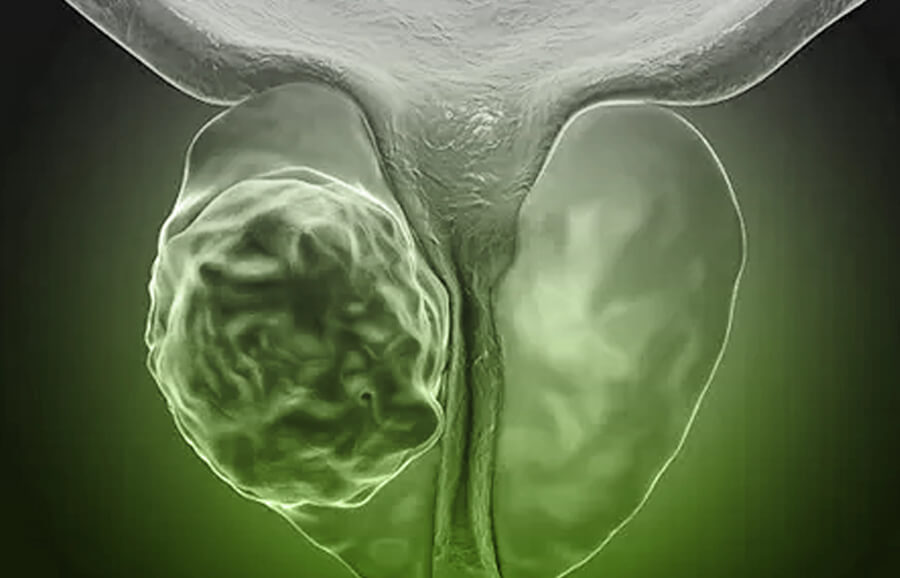
Prostate adenocarcinoma is the most common type of prostate cancer, a malignancy that originates in the glandular cells of the prostate. It is a significant global health issue, being the second most commonly diagnosed cancer and the fifth leading cause of cancer death among men worldwide. In 2022, an estimated 1.47 million new cases and 397,000 deaths were attributed to prostate cancer globally. The prostate itself is a small gland in the male reproductive system, located below the bladder and in front of the rectum, responsible for producing seminal fluid. Adenocarcinoma arises from the epithelial cells lining the prostate gland and accounts for over 95% of all prostate cancer cases.
📖 Definition and ICD-10 Classification
Prostate adenocarcinoma is a malignant neoplasm originating from the prostatic secretory epithelium. It is the most common malignancy of the prostate gland. In medical coding, it is classified under ICD-10 code C61, which designates a malignant neoplasm of the prostate. The specific morphology is often coded as ICD-O 8140/3 for acinar adenocarcinoma.
🧬 Types of Prostate Adenocarcinoma
While the vast majority of prostate cancers are acinar adenocarcinomas, several distinct histological subtypes exist. These subtypes can differ in their clinical behavior and prognosis.
🔬 Acinar Adenocarcinoma
This is the most common form, accounting for approximately 95% of all prostate cancers. It develops in the acini (small sacs) of the prostate gland.
🔬 Ductal Adenocarcinoma
This rare subtype begins in the ducts (tubes) of the prostate gland and tends to grow and spread more quickly than acinar adenocarcinoma.
🔬 Neuroendocrine (Small Cell) Carcinoma
This is a rare and aggressive type of prostate cancer made up of small, round cells. It can arise de novo or develop after androgen deprivation therapy. Other very rare subtypes include mucinous, signet-ring, and sarcomatoid adenocarcinomas.
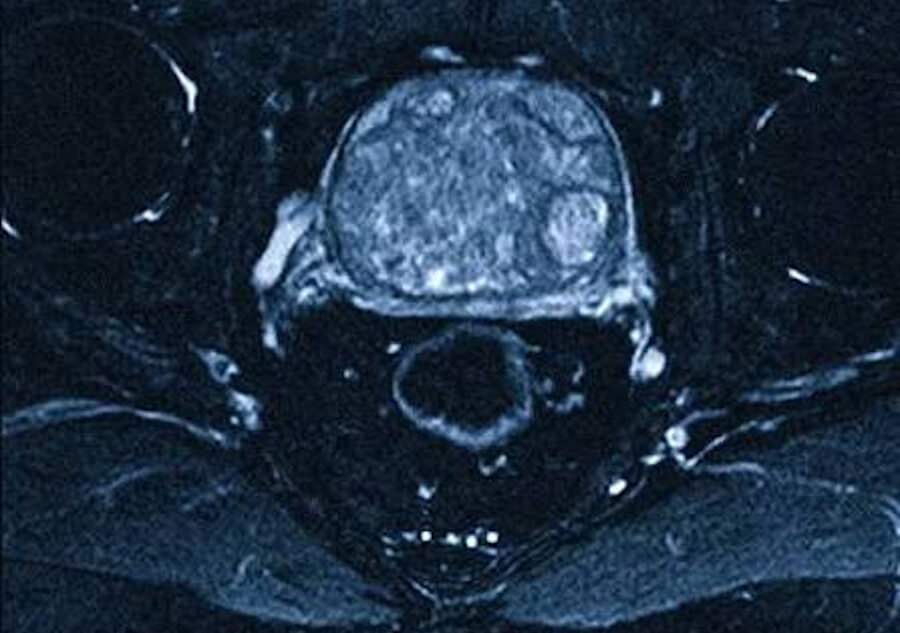
⚠️ Causes and Risk Factors
The exact cause of prostate cancer is not fully understood, but several risk factors have been identified. The most significant risk factor is age, with the risk increasing significantly after age 50.
🧬 Non-Modifiable Risk Factors
-
Age: The most significant risk factor.
-
Ancestry: Men of African heritage have a higher incidence of prostate cancer.
-
Family History and Genetics: Inheriting certain genetic variants (e.g., BRCA mutations) can increase risk.
🏃 Modifiable Risk Factors
-
Obesity: Associated with a higher risk of aggressive prostate cancer and mortality.
-
Smoking: Cigarette smoking is linked to a higher risk of prostate cancer-specific mortality.
-
Diet: Diets high in red meat and saturated fat may increase risk, while plant-based or Mediterranean dietary patterns are associated with a lower risk of disease progression.
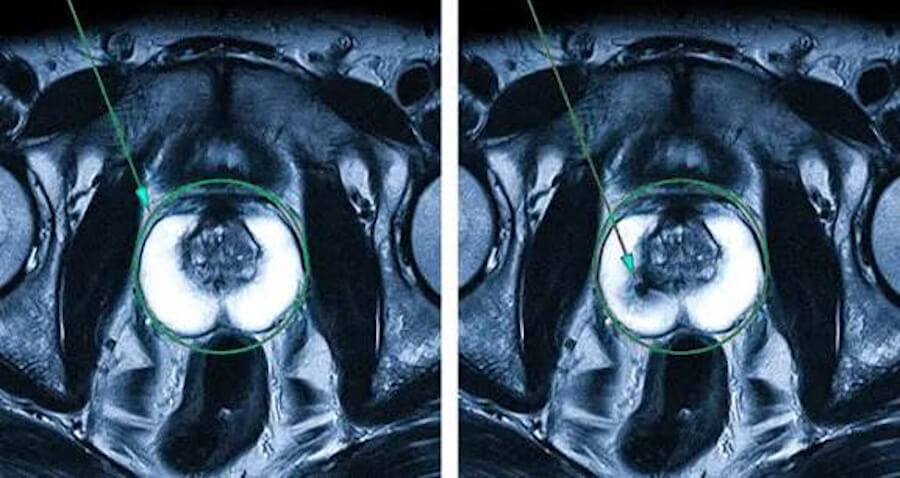
🛡️ Prevention: How to Avoid and Reduce Risk
While there is no sure way to prevent prostate cancer, certain lifestyle choices may help reduce the risk or slow its progression. No single nutrient or supplement has been proven to prevent prostate cancer.
🥗 Dietary Recommendations
-
Eat more fruits and vegetables: A diet rich in fruits, vegetables, and whole grains is associated with a lower risk.
-
Choose healthy fats: Limit saturated fats from red meat and dairy, and opt for healthy fats like those found in nuts, seeds, and olive oil.
-
Limit dairy: Some studies suggest a high intake of dairy may be linked to a slightly increased risk.
🏋️ Lifestyle Modifications
-
Maintain a healthy weight: Obesity is a risk factor for aggressive disease.
-
Exercise regularly: Physical activity is associated with a lower risk of disease progression and mortality.
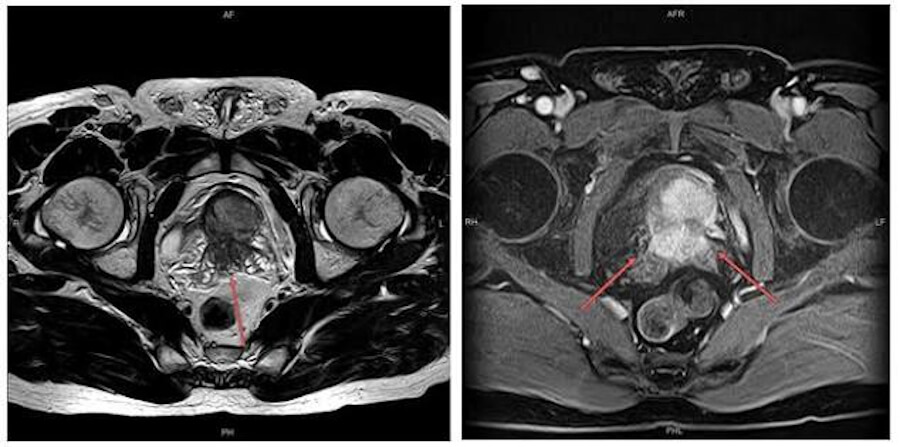
🚨 Early Signs and Common Symptoms
🔍 Early Signs
In its early stages, prostate cancer often causes no symptoms at all. This is why screening is important for early detection. When symptoms do occur, they can be subtle and are often similar to those of benign prostatic hyperplasia (BPH), a non-cancerous enlargement of the prostate.
🩺 Common Symptoms
As the disease progresses, symptoms may include:
-
Weak or interrupted urine flow
-
Frequent urination, especially at night
-
Difficulty starting urination
-
Pain or burning during urination
-
Blood in urine or semen
-
Persistent pain in the back, hips, or pelvis
🔬 Diagnosis: Tests and Procedures
The diagnostic pathway for prostate cancer typically involves a combination of screening tests, imaging, and biopsy.
🩸 Screening and Biomarkers
-
Prostate-Specific Antigen (PSA) Blood Test: The cornerstone of screening. An elevated PSA level may indicate prostate cancer, but it can also be elevated due to other conditions like BPH or prostatitis.
-
Digital Rectal Exam (DRE): A physical exam where a doctor feels the prostate through the rectum to detect lumps or abnormalities.
-
Additional Biomarkers: Tests like the Prostate Health Index (PHI) and the PCA3 urine test can provide more specific information and help decide if a biopsy is needed.
🖥️ Imaging
-
Multiparametric MRI (mpMRI): This advanced imaging technique is used to identify suspicious areas in the prostate and guide biopsies. It is often scored using the PI-RADS system.
-
CT Scan and Bone Scan: Used for staging to check if the cancer has spread to lymph nodes or bones.
-
PSMA PET Scan: A newer, highly sensitive imaging tool for staging and detecting metastasis.
🔪 Biopsy and Gleason Score
A prostate biopsy is the definitive test for diagnosing prostate cancer. Tissue samples are collected, typically with a needle guided by transrectal ultrasound (TRUS) or MRI fusion. A pathologist then examines the samples under a microscope.
The Gleason score is a grading system that describes how aggressive the cancer cells look. The pathologist assigns a grade from 1 to 5 to the most common and second most common cancer patterns. The two grades are added together for a total score ranging from 6 to 10. A higher score indicates a more aggressive cancer. The newer Grade Group system (1-5) is also used to simplify risk stratification.
📊 Staging and TNM Classification
Staging describes the extent of the cancer and is crucial for determining prognosis and treatment. The most common system is the TNM classification (AJCC 8th Edition) , which considers:
-
T (Tumor): The size and extent of the primary tumor.
-
N (Node): Whether the cancer has spread to nearby lymph nodes.
-
M (Metastasis): Whether the cancer has spread to distant organs.
The AJCC 8th edition also incorporates PSA levels and the Grade Group into stage groupings.
🗺️ Metastasis
Metastasis occurs when cancer cells spread from the prostate to other parts of the body. Prostate cancer most commonly spreads to the bones and nearby lymph nodes, but can also spread to the lungs and liver. Metastatic prostate cancer is classified as Stage IV and is generally considered incurable, though it is treatable.
💊 Treatment Options
Treatment for prostate cancer depends on the stage, grade, patient’s age, and overall health.
🎯 Localized Disease (Stages I-III)
-
Active Surveillance: For low-risk, slow-growing cancers, especially in older men. This involves closely monitoring the cancer with regular PSA tests and biopsies.
-
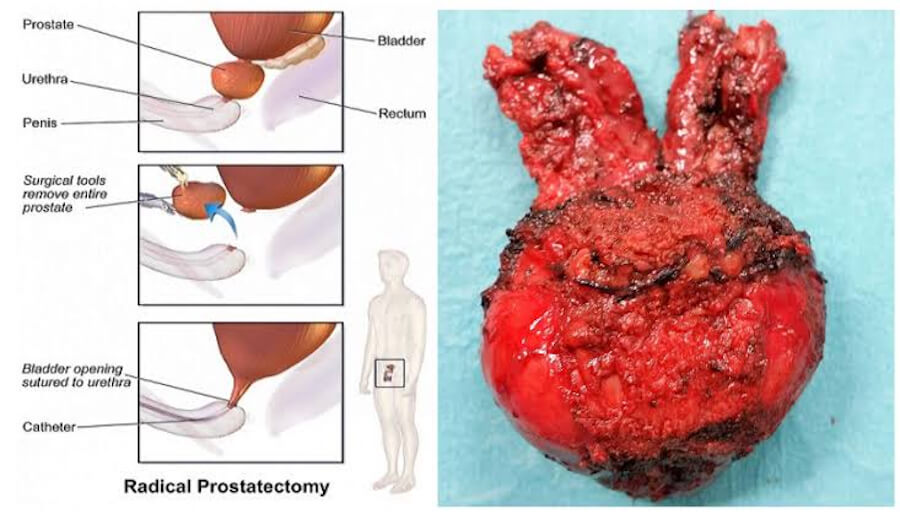
Surgery (Radical Prostatectomy): Surgical removal of the prostate gland.
-
Radiation Therapy: Using high-energy rays to kill cancer cells. This can be delivered externally (EBRT) or internally (brachytherapy).
🩺 Advanced and Metastatic Disease (Stage IV)
For cancer that has spread, systemic therapies are the main treatment.
-
Androgen Deprivation Therapy (ADT): The primary treatment for advanced prostate cancer. It lowers testosterone levels to slow cancer growth. This can be achieved with LHRH agonists (e.g., leuprolide) or antagonists (e.g., degarelix).
-
Androgen-Receptor Targeted Therapies: Drugs like abiraterone, enzalutamide, apalutamide, and darolutamide are used in combination with ADT.
-
Chemotherapy: Drugs such as docetaxel and cabazitaxel are used for metastatic castrate-resistant prostate cancer (mCRPC).
-
Immunotherapy: Sipuleucel-T is a vaccine-based immunotherapy for certain patients with mCRPC.
-
PARP Inhibitors: For patients with specific genetic mutations (e.g., BRCA1/2).
-
Radionuclide Therapy: Radium-223 is used to treat bone metastases.
📈 Survival Rates and Life Expectancy
Survival statistics for prostate cancer are generally very favorable, especially when diagnosed at an early stage.
📊 5-Year Relative Survival Rates (SEER)
-
Localized (confined to prostate): >99%
-
Regional (spread to nearby areas): >99%
-
Distant (metastatic): 38%
-
All stages combined: 98%
⏳ Life Expectancy With and Without Treatment
-
With Treatment: For metastatic (Stage IV) prostate cancer, the average life expectancy with modern treatment is approximately 5 to 6 years, and some patients live much longer.
-
Without Treatment: The natural history of untreated prostate cancer varies widely. For low-grade tumors (Gleason 6), the 10-year prostate cancer-specific survival can be >95% without treatment. However, for high-grade tumors (Gleason 8-10), the 10-year survival drops to <60%. If left untreated, metastatic disease can be significantly shorter.
💡 Key Facts
-
Global Burden: Prostate cancer is the 4th most commonly diagnosed cancer worldwide.
-
Lifetime Risk: About 1 in 8 men will be diagnosed with prostate cancer in their lifetime.
-
Age: The risk increases significantly after age 50. 92% of cases are diagnosed in men aged 55 and older.
-
Prevalence: Found in 40% of men over age 60 at autopsy, though many of these are low-grade and asymptomatic.
-
Projections: By 2050, new cases are projected to reach 2.88 million, an 86% increase.
❓ Frequently Asked Questions
🧬 Definition, Genetics & Risk Factors
1. What is prostate adenocarcinoma?
Prostate adenocarcinoma is a cancer that begins in the gland cells (acinar cells) that line the prostate. It is the most common form of prostate cancer, accounting for over 95% of all cases.
2. What does acinar adenocarcinoma of the prostate mean?
It means the cancer originates in the acini—the tiny, sac-like structures within the prostate gland where prostatic fluid is produced. This is the classic histological pattern of prostate cancer.
3. Is prostate adenocarcinoma the same as prostate cancer?
Mostly, yes. When people say “prostate cancer,” they usually mean prostate adenocarcinoma. However, prostate cancer technically includes rarer types like ductal, neuroendocrine, and transitional cell carcinomas.
4. What is the difference between prostate adenocarcinoma and carcinoma?
“Carcinoma” is a broad term for any cancer arising from epithelial cells. Adenocarcinoma is a specific subtype of carcinoma that arises from glandular tissue. So all adenocarcinomas are carcinomas, but not all carcinomas are adenocarcinomas.
5. What is the most common type of prostate cancer?
Acinar adenocarcinoma, accounting for approximately 95% of cases.
6. What causes prostate adenocarcinoma to develop?
The exact cause remains unclear, but it develops when DNA mutations accumulate in prostate gland cells, causing them to grow uncontrollably. Age, genetics, ancestry, and hormonal factors (especially androgens) are major contributors.
7. What is ductal adenocarcinoma of the prostate?
A rare subtype (about 1-3% of cases) that arises in the prostatic ducts rather than acini. It tends to be more aggressive and often presents with hematuria or urinary retention.
8. What is invasive prostatic adenocarcinoma?
“Invasive” means the cancer has grown beyond the basement membrane of the gland and invaded surrounding tissue. Most clinically significant prostate cancers are invasive.
9. Is prostate adenocarcinoma hereditary or genetic?
Both factors play a role. About 5-10% of cases are linked to inherited genetic mutations (e.g., BRCA2, HOXB13), while most are “sporadic” but may still have genetic components.
10. Can BRCA1 or BRCA2 mutations cause prostate adenocarcinoma?
Yes. BRCA2 mutations confer the highest known risk (up to 8-15% lifetime risk of prostate cancer), followed by BRCA1. These mutations also predict more aggressive disease.
11. What age group is most at risk for prostate adenocarcinoma?
Men over age 50 are at highest risk. The incidence rises sharply after age 60, with about 60% of cases diagnosed in men aged 65 or older.
12. Why do men get prostate adenocarcinoma?
Because of cumulative DNA damage, hormonal exposure over a lifetime, and genetic susceptibility. Testosterone and dihydrotestosterone (DHT) drive prostate cell growth, and mutations in growth-regulating genes lead to cancer.
13. Can young men get prostate adenocarcinoma?
Yes, though rare. About 1 in 10,000 men under age 40 develop it. Young-onset cases tend to be more aggressive and often have a genetic basis.
14. Is prostate adenocarcinoma contagious?
No. It cannot be transmitted between people.
15. What are the risk factors for developing prostate adenocarcinoma?
Age (>50), African ancestry, family history, genetic mutations (BRCA1/2, HOXB13, Lynch syndrome), obesity, smoking, and possibly high-fat diets.
16. Does testosterone replacement therapy cause prostate adenocarcinoma?
No evidence that TRT causes prostate cancer. However, it may increase risk of progression in men with existing, undiagnosed prostate cancer, so TRT is usually avoided in men with a history of prostate cancer.
17. Does high testosterone increase prostate cancer risk?
Contrary to older beliefs, the modern evidence does not support that high endogenous testosterone increases risk. In fact, low testosterone may be linked to higher-grade disease.
18. Does masturbation or ejaculation frequency prevent prostate adenocarcinoma?
Some observational studies (e.g., Harvard’s Health Professionals Follow-up Study) suggest that higher ejaculation frequency (≥21 times/month) is associated with a lower risk of prostate cancer, but evidence is not definitive.
19. Does a vasectomy cause prostate adenocarcinoma later in life?
No. Large, well-controlled studies have not confirmed an increased risk. Older studies suggesting a link had methodological flaws.
20. Is prostate adenocarcinoma linked to sexually transmitted infections (STIs)?
Some research suggests a weak association with Trichomonas vaginalis and possibly HPV, but evidence is not conclusive. Overall, STIs are not established causes.
21. What is high-grade prostatic intraepithelial neoplasia (HGPIN)?
HGPIN is a pre-malignant change in the prostate lining, often considered a precursor to adenocarcinoma. It appears as abnormal cells within existing ducts.
22. Is HGPIN considered prostate adenocarcinoma?
No. It is a precursor lesion, not cancer. However, its presence increases the likelihood of finding cancer on subsequent biopsy.
23. Does benign prostatic hyperplasia (BPH) turn into prostate adenocarcinoma?
No. BPH is a non-cancerous enlargement of the prostate’s transition zone. It does not transform into cancer. However, they can coexist because both are common in older men.
24. What is the difference between BPH and prostate adenocarcinoma?
BPH is benign overgrowth of prostate tissue (usually central/transitional zone), causing urinary symptoms. Adenocarcinoma is malignant growth (usually peripheral zone), potentially life-threatening.
25. Does chronic prostatitis lead to prostate adenocarcinoma?
Chronic inflammation may play a role in some cancers, and some studies show a modest association between chronic prostatitis and prostate cancer risk, but causality is not proven.
26. What does focal adenocarcinoma of the prostate mean?
It means the cancer is found in one small, localized area of the prostate—often detected incidentally and may be managed with active surveillance.
27. What is small cell carcinoma of the prostate?
A rare (about 1% of cases) and very aggressive neuroendocrine tumor. It often arises after androgen deprivation therapy and is treated with platinum-based chemotherapy.
28. What is neuroendocrine prostate adenocarcinoma?
A subtype with neuroendocrine features. It can arise de novo or (more commonly) as a treatment-resistant transformation after ADT.
29. How common is prostate adenocarcinoma in men?
Prostate cancer is the most common cancer in men in many countries. About 1 in 8 men will be diagnosed in their lifetime (US statistics).
30. What percentage of men develop prostate adenocarcinoma?
Approximately 11-13% of men will be diagnosed with prostate cancer in their lifetime; autopsy studies find histological prostate cancer in up to 40% of men over 60 (many are low-grade, asymptomatic).
31. Is prostate adenocarcinoma more aggressive in African American men?
Yes. African American men have higher incidence, earlier onset, and 2-3 times higher mortality from prostate cancer compared to Caucasian men.
32. What is the ICD-10 code for prostate adenocarcinoma?
C61 — Malignant neoplasm of the prostate.
33. What is primary vs secondary prostate adenocarcinoma?
Primary prostate adenocarcinoma arises in the prostate itself. Secondary means it has metastasized from another organ (rare, e.g., from the bladder or rectum) or is a secondary tumor deposit.
34. Can women get prostate adenocarcinoma?
No. Women do not have a prostate gland, so they cannot develop prostate adenocarcinoma. However, the Skene’s glands are homologous to the prostate and can rarely develop similar tumors.
35. Do transgender women need screening for prostate adenocarcinoma?
Yes. Transgender women who retain their prostate (i.e., have not had orchiectomy and prostatectomy) should be screened based on their age and risk factors.
36. What is indolent prostate adenocarcinoma?
An indolent cancer is one that grows very slowly and is unlikely to cause symptoms or death during a man’s lifetime. Many low-grade (Grade Group 1) prostate cancers are indolent.
37. What makes a prostate adenocarcinoma aggressive?
High Gleason score/Grade Group (≥4), high PSA, rapid PSA doubling time, cribriform or intraductal histology, neuroendocrine differentiation, and specific genetic changes (PTEN loss, TP53 mutation, BRCA2).
38. What genetic mutations drive prostate adenocarcinoma?
Key drivers include TMPRSS2-ERG fusion (in ~50% of cases), PTEN loss, TP53 mutation, RB1 loss, MYC amplification, BRCA2 mutations, and SPOP mutations.
39. Is Lynch syndrome associated with prostate adenocarcinoma?
Yes. Lynch syndrome (mismatch repair gene mutations—MLH1, MSH2, MSH6, PMS2) increases the risk of prostate cancer, often with more aggressive features.
40. How does the prostate gland mutate into adenocarcinoma?
Sequential accumulation of genetic mutations (often starting with HGPIN) leads to unchecked cell proliferation, evasion of apoptosis, and invasive growth.
41. What is the function of the prostate gland?
The prostate produces a fluid that nourishes and transports sperm. It also helps propel semen during ejaculation.
42. How fast does prostate adenocarcinoma usually grow?
Highly variable. Low-grade tumors may grow so slowly they never cause problems, while high-grade tumors can double in size in a few months.
43. Can prostate adenocarcinoma be dormant for years?
Yes. Many prostate cancers remain clinically silent for years or decades—this is one reason why active surveillance is possible for low-risk disease.
44. Why is prostate adenocarcinoma called the silent killer?
Because early-stage disease often causes no symptoms. By the time symptoms appear, cancer may be locally advanced or metastatic.
45. Is prostate adenocarcinoma linked to exposure to Agent Orange?
Yes. The US Veterans Administration recognizes Agent Orange exposure as a risk factor for prostate cancer.
46. Can exposure to pesticides cause prostate adenocarcinoma?
Some studies suggest agricultural pesticide exposure is associated with an increased risk, particularly for aggressive disease.
47. Is prostate adenocarcinoma linked to alcohol consumption?
The evidence is mixed. Some studies show a modest association with higher alcohol intake, but it’s not as strong as for other cancers.
48. Does smoking increase the risk of aggressive prostate adenocarcinoma?
Yes. Smoking is associated with a higher risk of aggressive prostate cancer and prostate cancer-specific mortality.
49. Does obesity increase the risk of dying from prostate adenocarcinoma?
Yes. Obesity is linked to a higher risk of aggressive prostate cancer and increased mortality.
50. What is latent prostate adenocarcinoma?
Latent prostate cancer refers to cancer found incidentally at autopsy or after surgery for BPH, which never caused symptoms during life.
51. What is incidentally discovered prostate adenocarcinoma?
Cancer found during a procedure for another reason (e.g., TURP for BPH). Often low-grade and may be managed with surveillance.
52. Can a traumatic injury to the groin cause prostate adenocarcinoma?
No. Trauma does not cause prostate cancer.
53. Is prostate adenocarcinoma related to colon cancer?
Both can occur in older men, and some genetic syndromes (Lynch syndrome) increase risk for both, but they are distinct cancers.
54. Is prostate adenocarcinoma linked to BRCA gene mutations in females in the family?
Yes. A family history of BRCA1/2 mutations (even in female relatives with breast/ovarian cancer) increases a man’s risk of prostate cancer.
55. What is the HOXB13 gene mutation in prostate cancer?
A rare but highly penetrant mutation that significantly increases prostate cancer risk, especially early-onset disease.
56. What does acinar cell architecture look like under a microscope?
Small, round glands lined by a single layer of cells, with prominent nucleoli. In cancer, these glands become crowded, irregular, and lack basal cells.
57. What is the difference between acinar and ductal prostate adenocarcinoma?
Acinar arises in acini (small glands); ductal arises in larger ducts. Ductal is more aggressive and often exophytic, with poorer prognosis.
58. Is mucinous adenocarcinoma of the prostate rare?
Yes. It is a rare variant where the tumor produces abundant mucin. It often behaves aggressively.
59. What is signet ring cell adenocarcinoma of the prostate?
A rare and aggressive variant characterized by cells with a large mucin vacuole pushing the nucleus to the periphery (resembling a signet ring).
60. What is sarcomatoid carcinoma of the prostate?
A rare, highly aggressive variant with spindle-cell features. It often arises after radiation or hormone therapy.
61. Can prostate adenocarcinoma occur in men under 40?
Yes, though rare. Young-onset prostate cancer is more likely to be hereditary and aggressive.
62. Does family history double your risk for prostate adenocarcinoma?
Having a first-degree relative with prostate cancer roughly doubles the risk; having multiple affected relatives further increases it.
63. Are tall men at higher risk for prostate adenocarcinoma?
Some studies show a modest association between greater height and increased prostate cancer risk, but the effect is small.
64. Does night shift work increase prostate adenocarcinoma risk?
Some studies suggest a possible link due to circadian disruption and melatonin suppression, but evidence is not conclusive.
65. Does cadmium exposure cause prostate adenocarcinoma?
Cadmium is a known carcinogen and some studies link occupational exposure to increased prostate cancer risk.
66. How does age affect the growth rate of prostate adenocarcinoma?
Older men tend to have slower-growing, lower-grade tumors, but they are also more likely to have comorbidities.
67. What is castrate-resistant prostate adenocarcinoma?
Prostate cancer that progresses despite castrate levels of testosterone (<50 ng/dL).
68. What is hormone-sensitive prostate adenocarcinoma?
Cancer that still responds to androgen deprivation therapy (ADT).
69. What does metastatic prostate adenocarcinoma mean?
Cancer that has spread from the prostate to distant sites—most commonly bones, lymph nodes, lungs, or liver.
70. What is the origin of the word adenocarcinoma?
From Greek: “adeno-” (gland) + “karkinos” (crab, cancer) + “-oma” (tumor).
71. Why does the prostate gland enlarge with age?
Primarily due to BPH, driven by hormonal changes (DHT) and cellular proliferation in the transition zone.
72. Is prostate adenocarcinoma preventable?
Not entirely, but risk can be reduced with a healthy lifestyle, and early detection improves outcomes significantly.
73. Can prostate adenocarcinoma spread before symptoms appear?
Yes. Some aggressive cancers can metastasize even before local symptoms develop.
74. What is the biological process of prostate cancer metastasizing?
Cancer cells invade surrounding tissue, enter blood or lymphatic vessels (intravasation), travel, and colonize distant organs (extravasation and proliferation).
75. Does prostate adenocarcinoma affect fertility?
It can, especially after surgery or radiation, which may damage the nerves and structures responsible for ejaculation and erection.
76. What is the difference between localized and advanced prostate adenocarcinoma?
Localized: cancer confined to the prostate. Advanced: cancer has spread outside the prostate to nearby tissues or distant organs.
77. Can prostate adenocarcinoma cause high calcium levels in the blood?
Yes, via bone metastases and parathyroid hormone-related peptide (PTHrP) secretion, a condition called hypercalcemia of malignancy.
78. What hormones feed prostate adenocarcinoma cells?
Testosterone and dihydrotestosterone (DHT) are the primary drivers. Other hormones like estrogen and prolactin may also play a role.
79. What is the androgen receptor and why is it important in prostate adenocarcinoma?
The androgen receptor (AR) is a nuclear receptor that, when bound by androgens, activates genes that promote prostate cancer growth. It is the primary therapeutic target in prostate cancer.
80. What is an occult prostate adenocarcinoma?
Occult means the primary tumor is not clinically detectable, but metastases are present.
81. Why do older men get non-aggressive prostate adenocarcinoma?
Because aging is associated with cumulative genetic changes, but many older men develop indolent tumors that never become clinically significant.
82. What is the difference between grade and stage in prostate adenocarcinoma?
Grade describes how aggressive the cancer cells look (Gleason score/Grade Group), while stage describes how far the cancer has spread (TNM).
83. What does “organ-confined” prostate adenocarcinoma mean?
The cancer is limited to the prostate gland and has not spread outside the capsule.
84. What is extraprostatic extension in prostate adenocarcinoma?
Cancer that has grown through the prostate capsule into surrounding tissue (pT3a).
85. What does seminal vesicle involvement mean?
Cancer has invaded the seminal vesicles (pT3b), indicating locally advanced disease with higher recurrence risk.
86. What is lymphovascular invasion in prostate adenocarcinoma?
Cancer cells seen within lymphatic or blood vessels, suggesting higher risk of metastasis.
87. What is perineural invasion in prostate adenocarcinoma biopsy?
Cancer cells infiltrating around nerves within the prostate. It is common in prostate cancer and indicates a higher risk of extraprostatic extension.
88. Can prostate adenocarcinoma return after 10 years?
Yes. Late recurrences (beyond 10 years) can occur, especially with high-risk disease, so long-term PSA monitoring is recommended.
89. What triggers prostate adenocarcinoma cells to awaken?
Changes in the tumor microenvironment, immune escape, and androgen receptor adaptations can trigger dormant cells to proliferate.
90. Are there environmental causes for prostate adenocarcinoma?
Possible environmental contributors include pesticides, cadmium, Agent Orange, and possibly some industrial chemicals.
91. Does living near industrial sites raise prostate adenocarcinoma risk?
Some studies suggest a link, but the evidence is not definitive.
92. Is prostate adenocarcinoma higher in developed countries?
Yes. Incidence is higher in developed countries (North America, Europe, Australia), partly due to more PSA screening, but also lifestyle/dietary factors.
93. Can long-term inflammation of the prostate cause adenocarcinoma?
Chronic inflammation may contribute to carcinogenesis through oxidative stress and DNA damage, but the link is not fully established.
94. Does high intake of dairy cause prostate adenocarcinoma?
Some studies suggest a modest association between high dairy intake and increased risk, but the evidence is not conclusive.
95. Does red meat consumption raise prostate adenocarcinoma risk?
Some studies link high red meat intake to increased risk of aggressive prostate cancer, but evidence is mixed.
96. Can high calcium supplements cause prostate adenocarcinoma?
There is some evidence that very high calcium intake (>1500 mg/day) may be associated with a modest increased risk, but the data are inconsistent.
97. What is the survival rate of localized prostate adenocarcinoma?
The 5-year relative survival for localized disease is >99%.
98. Why are some prostate adenocarcinomas so slow-growing?
Because some tumors have low proliferative activity, low Gleason score, and are androgen-dependent but not aggressive. These tumors are often indolent.
99. Can prostate adenocarcinoma mutate into a different cell type?
Yes. After treatment, especially ADT, prostate cancer can undergo neuroendocrine transformation, becoming small cell carcinoma.
100. How does prostate adenocarcinoma differ from bladder cancer?
Prostate cancer arises in the prostate gland (usually adenocarcinoma), while bladder cancer arises in the bladder lining (usually urothelial carcinoma). They have different risk factors and treatments.
🩺Early Signs & Symptoms
101. What are the early warning signs of prostate adenocarcinoma?
Often none. When present, early signs include weak urine flow, frequent urination, and blood in urine or semen.
102. Does prostate adenocarcinoma cause pain in the beginning?
Usually not. Early-stage disease is often painless.
103. What does urination feel like with prostate adenocarcinoma?
It may feel like a weak or interrupted stream, difficulty starting, or a sensation of incomplete emptying.
104. Why does prostate adenocarcinoma cause frequent urination at night?
Because the tumor enlarges the prostate, pressing on the urethra and bladder, causing nocturia.
105. Can blood in semen be a sign of prostate adenocarcinoma?
Yes, though it is more commonly benign. Persistent hematospermia warrants evaluation.
106. What does blood in urine mean if you have prostate issues?
Hematuria can be a sign of advanced prostate cancer invading the bladder or urethra, but also of BPH or urinary tract infection.
107. Does prostate adenocarcinoma cause erectile dysfunction?
It can, especially if the cancer invades the nerves responsible for erections, or after treatment.
108. Why is my urine stream weak or stopping and starting?
This is usually due to obstruction of the urethra by an enlarged prostate (BPH or tumor).
109. Can prostate adenocarcinoma cause lower back pain?
Yes, especially if it has metastasized to the spine or pelvic bones.
110. What kind of hip pain is associated with prostate adenocarcinoma?
Pain in the hip or pelvis that is persistent, worsens at night, or radiates to the leg may indicate bone metastasis.
111. Does prostate adenocarcinoma cause groin pain?
Yes, it can, due to lymph node involvement or local invasion.
112. Can prostate adenocarcinoma cause pain during ejaculation?
Yes, it can, especially if the seminal vesicles are involved.
113. What are the signs that prostate adenocarcinoma has spread to the bones?
Bone pain (especially in the back, hips, or ribs), fractures, spinal cord compression symptoms (numbness, weakness), and elevated alkaline phosphatase.
114. Can prostate adenocarcinoma cause leg swelling or lymphedema?
Yes, if pelvic lymph nodes are involved and block lymphatic drainage.
115. What are the first symptoms of stage 4 prostate adenocarcinoma?
Bone pain, fatigue, weight loss, anemia, and urinary symptoms may be the first signs.
116. Is sudden weight loss a sign of advanced prostate adenocarcinoma?
Yes, unexplained weight loss can be a sign of advanced cancer (cachexia).
117. Does prostate adenocarcinoma cause severe fatigue?
Yes, especially in advanced disease or as a side effect of treatment.
118. Can prostate adenocarcinoma cause constipation or rectal pressure?
Yes, if the tumor presses on the rectum.
119. What does a hard nodule on the prostate feel like?
On a DRE, a hard, irregular, or fixed nodule may be palpable. It feels firm, unlike the soft, smooth normal prostate.
120. Can prostate adenocarcinoma cause a burning sensation when urinating?
Yes, though it is more commonly a sign of infection. Persistent burning warrants evaluation.
121. Why do I feel like my bladder is never empty?
This is a symptom of bladder outlet obstruction, common in BPH and prostate cancer.
122. Can prostate adenocarcinoma cause sudden loss of bowel or bladder control?
Yes—this is a red flag for spinal cord compression (a medical emergency) or advanced local invasion.
123. What are the neurological signs of prostate adenocarcinoma spreading to the spine?
Back pain, leg weakness, numbness, bowel/bladder dysfunction, and sensory changes.
124. Can prostate adenocarcinoma cause leg numbness or weakness?
Yes, if spinal cord compression occurs. This is an emergency.
125. Is pelvic discomfort a symptom of prostate adenocarcinoma?
It can be, especially with locally advanced disease.
126. Can you have prostate adenocarcinoma with zero symptoms?
Yes. Many cases are detected only through PSA screening.
127. How do symptoms of prostate adenocarcinoma differ from an enlarged prostate (BPH)?
They often overlap. However, prostate cancer is more likely to cause blood in semen, bone pain, and systemic symptoms.
128. How do symptoms of prostate adenocarcinoma differ from prostatitis?
Prostatitis often causes pain, fever, and dysuria, while prostate cancer tends to cause obstructive symptoms and is more insidious.
129. Why does prostate adenocarcinoma cause pain in the ribs?
Due to bone metastases in the ribs.
130. Does prostate adenocarcinoma cause testicular pain?
Rarely, but it can occur with advanced disease or metastasis.
131. Can prostate adenocarcinoma cause deep vein thrombosis (blood clots in legs)?
Yes—cancer increases the risk of VTE, especially in advanced disease or during treatment.
132. Is night sweating a symptom of prostate adenocarcinoma?
Yes, especially in advanced disease or with hormonal therapy.
133. Does prostate adenocarcinoma cause loss of appetite?
Yes, in advanced disease.
134. What is acute urinary retention and is it caused by prostate adenocarcinoma?
Acute urinary retention is sudden inability to urinate. It can be caused by an enlarged prostate, including prostate cancer.
135. Can prostate adenocarcinoma cause urine dribbling after going to the bathroom?
Yes, due to sphincter dysfunction or bladder outlet obstruction.
136. Why does prostate adenocarcinoma cause difficulty starting to urinate?
Because the tumor compresses the urethra, making it harder for urine to flow.
137. Can prostate adenocarcinoma cause pain when sitting down?
Yes, especially if the tumor is large or there is perineal involvement.
138. Does prostate adenocarcinoma cause a feeling of fullness in the lower abdomen?
Yes, due to bladder distension.
139. Is cloudy or foul-smelling urine a sign of prostate adenocarcinoma?
Not directly—it is more likely a sign of infection, but can occur with advanced disease.
140. What are the signs of advanced bone metastasis from prostate adenocarcinoma?
Bone pain, fractures, spinal cord compression, and elevated alkaline phosphatase.
141. Does prostate adenocarcinoma cause shortness of breath if it reaches the lungs?
Yes, due to lung metastases or pleural effusion.
142. Can prostate adenocarcinoma cause jaundice if it spreads to the liver?
Yes, though rare, liver metastasis can cause jaundice.
143. How quickly do prostate adenocarcinoma symptoms worsen?
Variable—some progress slowly over years, others rapidly over months.
144. Do symptoms of prostate adenocarcinoma come on suddenly or gradually?
Usually gradually, but acute urinary retention or spinal cord compression can present suddenly.
145. Can prostate adenocarcinoma cause a low-grade fever?
Yes, especially in advanced disease or with infection.
146. What does a prostate adenocarcinoma lump feel like during a DRE exam?
Hard, irregular, and sometimes fixed. It may feel like a firm nodule or asymmetric enlargement.
147. Can prostate adenocarcinoma cause sciatica-like pain down the leg?
Yes, due to nerve compression from pelvic tumors or bone metastases.
148. Why does prostate adenocarcinoma cause sudden trouble getting an erection?
Due to nerve invasion or psychological stress.
149. Does prostate adenocarcinoma cause pain in the perineum?
Yes, especially with locally advanced disease.
150. Can prostate adenocarcinoma cause fluid retention in the abdomen?
Yes, if there is peritoneal carcinomatosis or liver involvement.
151. What are the silent signs of prostate adenocarcinoma in older men?
No symptoms, or only mild urinary changes, weight loss, and fatigue.
152. Is pain in the thighs a sign of prostate adenocarcinoma metastasizing?
Yes, especially if there is femoral or pelvic bone involvement.
153. Can prostate adenocarcinoma cause anemia and paleness?
Yes, due to bone marrow infiltration or chronic disease.
154. What symptoms require emergency medical care in prostate adenocarcinoma patients?
Spinal cord compression (leg weakness, numbness, incontinence), severe bone pain, acute urinary retention, and severe hypercalcemia.
155. Can prostate adenocarcinoma cause blood in rectal stool?
Yes, if the tumor invades the rectum.
156. Why is bone stiffness a warning sign of prostate adenocarcinoma?
It can indicate bone metastases, especially in the spine or hips.
157. Can prostate adenocarcinoma cause weakness in both legs simultaneously?
Yes—this is a sign of spinal cord compression, a medical emergency.
158. What is spinal cord compression in prostate adenocarcinoma?
A medical emergency where the tumor compresses the spinal cord, causing neurological deficits.
159. Can prostate adenocarcinoma cause swollen lymph nodes in the groin?
Yes, due to lymphatic spread.
160. Does prostate adenocarcinoma cause pain that gets worse at night?
Yes, bone pain from metastases often worsens at night.
161. What are the paraneoplastic symptoms of prostate adenocarcinoma?
Hypercalcemia, Cushing’s syndrome (rare), and neurological syndromes (rare).
162. How can I tell if my urinary problems are cancer or just aging?
Only through evaluation—PSA, DRE, and possibly imaging/biopsy.
163. Does prostate adenocarcinoma cause reduced volume of ejaculate?
Yes, due to obstruction or seminal vesicle involvement.
164. Is persistent lower body pain always a sign of advanced cancer?
No, but it warrants evaluation in the context of other symptoms.
165. Can prostate adenocarcinoma cause painful gas or bloating?
Rarely, but possible with advanced disease.
166. What are the signs of stage 1 prostate adenocarcinoma?
Usually none; often detected by PSA.
167. What are the signs of stage 2 prostate adenocarcinoma?
May include urinary symptoms, but often still asymptomatic.
168. What are the signs of stage 3 prostate adenocarcinoma?
Urinary symptoms, blood in urine/semen, and possibly local pain.
169. Does prostate adenocarcinoma cause muscle wasting or cachexia?
Yes, in advanced disease.
170. Can prostate adenocarcinoma cause shoulder pain?
Yes, due to bone metastases in the shoulder or spine.
171. Why do my bones ache after a prostate cancer diagnosis?
Could be due to metastases, or from treatment (ADT) causing bone loss.
172. Does prostate adenocarcinoma cause urgent needs to urinate?
Yes, due to bladder irritation or obstruction.
173. Can prostate adenocarcinoma cause leakage when coughing or laughing?
Yes, due to sphincter weakness, especially after treatment.
174. Why is blood in semen often ignored by men?
Because it is often painless and resolves on its own, but persistent cases need evaluation.
175. What causes severe kidney pain in advanced prostate adenocarcinoma?
Ureteral obstruction, leading to hydronephrosis and kidney pain.
176. Can prostate adenocarcinoma block the ureters and cause kidney failure?
Yes, a serious complication.
177. What are the early signs of prostate cancer recurrence?
Rising PSA after treatment.
178. Does prostate adenocarcinoma cause unexplained bruising?
Rarely, but possible with bone marrow involvement.
179. What symptoms show that hormone therapy is no longer working?
Rising PSA, new bone pain, and imaging evidence of progression.
180. Can prostate adenocarcinoma cause confusion or brain fog if spread to the brain?
Yes, though brain metastases are rare.
181. Is feeling a strain during bowel movements linked to prostate adenocarcinoma?
Yes, due to rectal compression.
182. Does prostate adenocarcinoma cause pain in the tailbone (coccyx)?
Yes, due to bone metastases.
183. Why do prostate adenocarcinoma symptoms overlap with UTI symptoms?
Because both can cause dysuria, frequency, and urgency.
184. What are the symptom differences between low-grade and high-grade prostate adenocarcinoma?
Low-grade: often asymptomatic. High-grade: more likely to cause symptoms and progress rapidly.
185. Can prostate adenocarcinoma cause severe dehydration symptoms?
Yes, due to vomiting, diarrhea, or poor intake.
186. Does prostate adenocarcinoma cause dry mouth or extreme thirst?
Yes, due to hypercalcemia or dehydration.
187. What are the symptoms of metastatic castration-resistant prostate cancer?
Bone pain, fatigue, rising PSA, and new metastases.
188. Can prostate adenocarcinoma cause swelling in the scrotum?
Yes, due to lymphatic obstruction or local invasion.
189. Is lower back stiffness in the morning a sign of prostate cancer?
It can be, especially if persistent or associated with other symptoms.
190. Why is bone pain from prostate adenocarcinoma often mistaken for arthritis?
Because it is often dull and aching, similar to arthritis.
191. Can prostate adenocarcinoma cause severe headache if metastasized to the skull?
Yes, though rare.
192. What are the visual symptoms if prostate cancer spreads to the brain?
Visual field deficits, double vision, and other neurological signs.
193. How do doctors distinguish between BPH symptoms and adenocarcinoma symptoms?
By PSA, DRE, imaging, and biopsy.
194. Can prostate adenocarcinoma cause pain in the flanks?
Yes, due to kidney involvement.
195. What are the red-flag symptoms of metastatic prostate adenocarcinoma?
Bone pain, spinal cord compression, hypercalcemia, and pathological fractures.
196. Why do some men with high PSA have no symptoms at all?
Because early prostate cancer is often asymptomatic.
197. Can prostate adenocarcinoma cause a sudden drop in blood pressure?
Rarely, but possible with sepsis or adrenal insufficiency.
198. What are the physical signs of late-stage prostate adenocarcinoma?
Cachexia, pallor, bone tenderness, lymphadenopathy, and neurological deficits.
199. Is difficulty holding urine a primary sign of prostate adenocarcinoma?
Not typically—it is more common in advanced disease or after treatment.
200. When should you see a urologist for urinary symptoms?
When symptoms persist, worsen, or are associated with blood in urine/semen, or if PSA is elevated.
🔬Screening, Diagnostics & PSA
201. What is a PSA test and how does it work?
PSA (prostate-specific antigen) is a protein produced by the prostate. A blood test measures its level; elevated PSA can indicate prostate cancer, BPH, or prostatitis.
202. What is a normal PSA level by age?
Typically <4.0 ng/mL, but age-adjusted ranges exist: 40-49: <2.5; 50-59: <3.5; 60-69: <4.5; 70+: <6.5.
203. What PSA level indicates prostate adenocarcinoma?
There is no absolute cutoff, but >4.0 ng/mL warrants further evaluation. Higher values (>10) increase the probability.
204. Does a high PSA level always mean you have prostate adenocarcinoma?
No. BPH, prostatitis, and recent ejaculation can also raise PSA.
205. Can you have prostate adenocarcinoma with a normal PSA level?
Yes, though less common. About 15% of prostate cancers occur in men with PSA <4.0.
206. What causes PSA levels to rise besides prostate adenocarcinoma?
BPH, prostatitis, UTI, ejaculation, bicycle riding, prostate biopsy, and urinary retention.
207. What does a PSA level of 4.0 mean?
It is borderline—warrants further evaluation (repeat PSA, DRE, possibly MRI/biopsy).
208. What does a PSA level of 10.0 mean?
It significantly increases the probability of prostate cancer and usually warrants biopsy.
209. What does a PSA level over 20 mean?
High probability of prostate cancer, often advanced; bone scan may be indicated.
210. What does a PSA level of 100 or higher indicate?
Very high, usually indicates metastatic disease.
211. What is free PSA vs total PSA?
Total PSA measures all PSA in the blood; free PSA measures PSA not bound to proteins. A low free PSA percentage (<10-15%) suggests higher cancer risk.
212. What percentage of free PSA indicates prostate adenocarcinoma?
<10% is associated with a higher risk of cancer; >25% suggests benign disease.
213. What is PSA density and how is it calculated?
PSA density = PSA (ng/mL) ÷ prostate volume (cc). Higher density (>0.15) suggests higher cancer risk.
214. What is PSA velocity and why is it important?
PSA velocity is the rate of PSA change over time. A rapid rise (>0.75 ng/mL/year) may indicate aggressive cancer.
215. What is PSA doubling time in prostate adenocarcinoma?
The time it takes for PSA to double. A short doubling time (<3 months) suggests aggressive disease.
216. How is a digital rectal exam (DRE) performed for prostate screening?
A gloved finger is inserted into the rectum to feel the prostate for nodules, asymmetry, or hardness.
217. Can a DRE detect prostate adenocarcinoma early?
Yes, it can detect palpable nodules, but it is less sensitive than PSA.
218. What happens during a prostate biopsy procedure?
A needle is inserted (usually via the rectum or perineum) to obtain tissue cores from the prostate, guided by ultrasound or MRI.
219. Is a prostate biopsy painful?
Local anesthesia is used; most men report mild discomfort.
220. How many core samples are taken in a standard prostate biopsy?
Typically 10-12 cores.
221. What is a transrectal ultrasound (TRUS) biopsy?
A biopsy guided by ultrasound probe inserted into the rectum.
222. What is a transperineal prostate biopsy?
A biopsy performed through the perineum, with lower infection risk than TRUS.
223. What are the risks and side effects of a prostate biopsy?
Bleeding (hematuria, hematospermia), infection, and pain.
224. How long does it take to recover from a prostate biopsy?
Most men recover within a few days.
225. Is blood in urine normal after a prostate biopsy?
Yes, usually resolves within a few days.
226. How long does blood in semen last after a prostate biopsy?
Can last for several weeks.
227. What is an MRI-targeted fusion prostate biopsy?
A biopsy that combines MRI images with ultrasound to target suspicious areas.
228. What is a multiparametric MRI (mpMRI) of the prostate?
An advanced MRI technique that uses multiple sequences (T2, DWI, DCE) to detect and characterize prostate cancer.
229. What does a PI-RADS score mean on a prostate MRI?
A standardized scoring system (1-5) indicating the likelihood of clinically significant cancer.
230. What is PI-RADS 1 and PI-RADS 2?
PI-RADS 1: very low likelihood of cancer; PI-RADS 2: low likelihood.
231. What is PI-RADS 3 and should it be biopsied?
PI-RADS 3: equivocal. Biopsy may be considered based on other factors.
232. What is the chance of cancer with PI-RADS 4?
High (~50-70%) likelihood of clinically significant cancer.
233. What is the chance of cancer with PI-RADS 5?
Very high (>80%) likelihood of clinically significant cancer.
234. What is a PSMA PET scan for prostate adenocarcinoma?
A highly sensitive imaging test using a radiotracer that binds to PSMA (prostate-specific membrane antigen) to detect cancer spread.
235. How does a PSMA PET scan find metastasized prostate adenocarcinoma?
It highlights cells expressing PSMA, which is overexpressed in prostate cancer.
236. What is a nuclear bone scan for prostate cancer?
An imaging test using a radioactive tracer to detect bone metastases.
237. When is a CT scan needed for prostate adenocarcinoma?
For staging, especially in high-risk disease, to detect lymph node or organ involvement.
238. What is an Axumin PET scan vs PSMA PET scan?
Axumin (fluciclovine) is another PET tracer; PSMA is more sensitive for prostate cancer.
239. What is the ExoDx prostate urine test?
A urine test that measures RNA biomarkers to help decide whether a biopsy is needed.
240. What is a 4Kscore test for prostate cancer risk?
A blood test that combines four kallikrein proteins with clinical factors to estimate high-grade cancer risk.
241. What is SelectMDx test for prostate cancer?
A urine test that measures mRNA biomarkers to predict aggressive prostate cancer.
242. What is the Prostate Health Index (PHI) score?
A blood test combining total PSA, free PSA, and [-2]proPSA to improve cancer detection.
243. How do genomic biomarker tests like Oncotype DX and Prolaris work?
They analyze gene expression in biopsy tissue to predict cancer aggressiveness and guide treatment decisions.
244. What is a Decipher prostate cancer test?
A genomic test that predicts the risk of metastasis and helps guide treatment after surgery or biopsy.
245. Can ejaculating before a PSA test cause false high results?
Yes, ejaculation can temporarily raise PSA, so abstinence for 48 hours is recommended.
246. Can riding a bicycle raise your PSA level?
Yes, bicycle riding can raise PSA.
247. Does severe exercise affect PSA blood test results?
Yes, vigorous exercise can raise PSA.
248. Does digital rectal exam right before PSA test affect results?
Yes, DRE can slightly raise PSA.
249. How do finasteride and dutasteride affect PSA readings?
They lower PSA by about 50%, so PSA should be doubled for interpretation.
250. Can a urinary tract infection give a false high PSA test?
Yes, UTI can raise PSA.
251. At what age should men start getting PSA screening?
Most guidelines recommend starting at age 50-55, or earlier (40-45) for high-risk men.
252. Should 70-year-old men get PSA testing?
Typically no, unless they have a long life expectancy and are at high risk.
253. What are the USPSTF guidelines for prostate cancer screening?
The USPSTF recommends individualized decision-making for men aged 55-69; screening is not recommended for men 70+.
254. How often should a man get a PSA blood test?
Every 2-4 years for average-risk men, or annually for high-risk men.
255. What happens if a prostate biopsy comes back negative but PSA remains high?
Repeat biopsy, MRI, or additional biomarkers may be considered.
256. What is a liquid biopsy for prostate adenocarcinoma?
A blood test that detects circulating tumor cells or tumor DNA.
257. Can circulating tumor cells (CTCs) be measured in prostate cancer?
Yes, CTCs can be measured and may correlate with prognosis.
258. What is germline genetic testing for prostate cancer?
Testing for inherited mutations (BRCA1/2, HOXB13, etc.) in blood or saliva.
259. What is somatic tumor profiling in advanced prostate adenocarcinoma?
Testing the tumor tissue for genetic mutations to guide treatment.
260. How do pathologists analyze a prostate biopsy under a microscope?
They assess architecture, Gleason pattern, and other features.
261. What does ASAP (Atypical Small Acinar Proliferation) mean on biopsy?
A suspicious but not diagnostic finding; repeat biopsy is often recommended.
262. What should you do if your biopsy shows ASAP?
Discuss with your urologist; repeat biopsy or MRI may be advised.
263. What is a saturation prostate biopsy?
A biopsy with 20+ cores to improve cancer detection.
264. What is an in-bore MRI-guided prostate biopsy?
A biopsy performed inside an MRI scanner for precise targeting.
265. What is micro-ultrasound imaging for prostate diagnosis?
A high-resolution ultrasound technique that improves cancer detection.
266. How do doctors measure prostate volume on MRI?
By measuring the prostate dimensions and calculating volume.
267. What is PSA nadir after treatment?
The lowest PSA level reached after treatment, indicating response.
268. What is biochemical recurrence defined by PSA levels?
A rise in PSA after treatment, often defined as ≥0.2 ng/mL after surgery or ≥2 ng/mL above nadir after radiation.
269. What is an ultra-sensitive PSA test used for after surgery?
To detect very low levels of PSA that may indicate early recurrence.
270. Why does my PSA flicker or bounce after radiation therapy?
PSA can fluctuate after radiation (PSA bounce), which is often benign.
271. Can a prostate MRI miss adenocarcinoma?
Yes, especially small or low-grade tumors.
272. What is a false negative prostate biopsy rate?
Up to 20-30% for standard biopsies.
273. How do doctors test if prostate adenocarcinoma has metastasized to lymph nodes?
CT, MRI, PSMA PET, or lymph node dissection.
274. What is a Choline PET scan?
An older PET tracer used for prostate cancer, now largely replaced by PSMA PET.
275. How much does a PSMA PET scan cost?
Varies widely; in the US, it can cost $1,000-$3,000 or more.
276. Is a PSMA PET scan covered by Medicare?
Yes, in many cases, with appropriate indications.
277. What questions should I ask my doctor after an elevated PSA?
What is my risk? Should I have an MRI or biopsy? What are my options?
278. What questions should I ask my urologist before a biopsy?
What are the risks? How will it be done? What if it’s negative?
279. Can prostatitis cause a PSA over 20?
Yes, severe prostatitis can cause very high PSA.
280. How long after a UTI should I wait to take a PSA test?
At least 4-6 weeks after resolution.
281. Can an enlarged prostate give a PSA level of 8?
Yes, BPH can cause PSA elevation.
282. What is the difference between TRUS biopsy and transperineal biopsy safety?
Transperineal biopsy has a lower risk of infection.
283. Which biopsy has a lower risk of sepsis: transrectal or transperineal?
Transperineal biopsy has a lower risk of sepsis.
284. Can genomic testing help avoid an unnecessary prostate biopsy?
Yes, tests like SelectMDx and ExoDx can help decide whether to biopsy.
285. What does positive surgical margin mean on a biopsy or specimen?
Cancer cells are present at the edge of the removed tissue, indicating possible residual disease.
286. What is immunohistochemistry (IHC) testing for prostate adenocarcinoma?
Staining for specific proteins (e.g., AMACR, p63, ERG) to confirm diagnosis.
287. What is AMACR (Racemase) staining in prostate tissue?
AMACR is overexpressed in prostate cancer and is used as a diagnostic marker.
288. What does p63 and p40 staining show in prostate biopsy?
They stain basal cells; loss of basal cells supports a diagnosis of cancer.
289. How is ERG protein expression tested in prostate pathology?
By IHC; ERG overexpression (often due to TMPRSS2-ERG fusion) supports cancer diagnosis.
290. What is PTEN loss on a prostate pathology report?
Loss of PTEN tumor suppressor, associated with more aggressive disease.
291. What does TP53 mutation mean for prostate adenocarcinoma prognosis?
TP53 mutations are associated with more aggressive disease and poorer prognosis.
292. Can a PET scan detect prostate cancer before PSA rises?
Generally no; PSMA PET is usually used after PSA rise.
293. What is the role of a NaF bone scan in prostate cancer?
An older bone scan technique; largely replaced by PSMA PET.
294. How is prostate biopsy pathology double-checked for a second opinion?
A second pathologist reviews the slides.
295. Why should you get a pathology second opinion at a major cancer center?
To confirm diagnosis and Gleason score, which affects treatment decisions.
296. What is the SelectMDx score cutoff for biopsy recommendation?
A high score suggests a higher risk of aggressive cancer; the exact cutoff varies.
297. How does the ExoDx score predict high-grade prostate adenocarcinoma?
By measuring RNA biomarkers associated with aggressive disease.
298. Can supplement usage affect PSA testing accuracy?
Some supplements (e.g., saw palmetto) may affect PSA; always inform your doctor.
299. Is a digital rectal exam necessary if you have a low PSA?
It may still be performed, especially if symptoms are present.
300. How accurate is a mpMRI at detecting Gleason 7 or higher prostate adenocarcinoma?
mpMRI has high sensitivity (>90%) for clinically significant cancer.
📊Pathology, Gleason Score & Staging
301. What is the Gleason score in prostate adenocarcinoma?
A grading system based on the pattern of cancer cells, ranging from 6 to 10.
302. How is the Gleason score calculated from biopsy samples?
The two most common patterns are added together (e.g., 3+4=7).
303. What is the difference between Gleason 3+4=7 and Gleason 4+3=7?
In 3+4, pattern 3 is predominant; in 4+3, pattern 4 is predominant, making it more aggressive.
304. What does Gleason score 6 (3+3) mean?
Low-grade cancer; often indolent.
305. Is Gleason 6 (3+3) really cancer or a non-life-threatening lesion?
It is cancer but often indolent; some experts advocate renaming it to reduce overtreatment.
306. What does Gleason score 8 (4+4) mean?
High-grade cancer; aggressive.
307. What does Gleason score 9 (4+5 or 5+4) mean?
Very high-grade cancer; very aggressive.
308. What does Gleason score 10 (5+5) mean?
Highest grade; most aggressive.
309. What are ISUP Grade Groups for prostate adenocarcinoma?
A simplified 5-tier system: Grade Group 1 (Gleason 6), 2 (3+4=7), 3 (4+3=7), 4 (8), 5 (9-10).
310. What is Grade Group 1 prostate cancer?
Gleason 6; low risk.
311. What is Grade Group 2 prostate cancer?
Gleason 3+4=7; favorable intermediate risk.
312. What is Grade Group 3 prostate cancer?
Gleason 4+3=7; unfavorable intermediate risk.
313. What is Grade Group 4 prostate cancer?
Gleason 8; high risk.
314. What is Grade Group 5 prostate cancer?
Gleason 9-10; very high risk.
315. What is the TNM staging system for prostate adenocarcinoma?
T (tumor), N (node), M (metastasis).
316. What is Stage 1 prostate adenocarcinoma?
T1-T2a, N0, M0, PSA <10, Grade Group 1.
317. What is Stage 2 (2A, 2B, 2C) prostate adenocarcinoma?
T1-T2, N0, M0, with higher PSA or Grade Group.
318. What is Stage 3 (3A, 3B, 3C) prostate adenocarcinoma?
T3-T4 or node-positive, M0.
319. What is Stage 4 (4A, 4B) prostate adenocarcinoma?
Any T, any N, M1 (metastatic).
320. What does T1c stage mean in prostate cancer diagnosis?
Tumor found by needle biopsy (e.g., due to elevated PSA).
321. What does T2a, T2b, and T2c stage mean?
T2a: involves one-half of one lobe; T2b: more than half of one lobe; T2c: both lobes.
322. What does T3a and T3b stage mean in pathology reports?
T3a: extraprostatic extension; T3b: seminal vesicle invasion.
323. What does T4 stage mean in prostate adenocarcinoma?
Tumor invades adjacent structures (e.g., bladder, rectum).
324. What does N0 vs N1 mean in prostate staging?
N0: no lymph node metastasis; N1: lymph node metastasis.
325. What does M0 vs M1 (M1a, M1b, M1c) mean in prostate metastasis staging?
M0: no distant metastasis; M1a: non-regional lymph nodes; M1b: bone; M1c: other organs.
326. What is cribriform pattern in prostate adenocarcinoma biopsy?
A pattern of fused glands with sieve-like spaces, associated with aggressive disease.
327. Why is cribriform architecture considered an aggressive pathology feature?
It is associated with higher risk of recurrence and metastasis.
328. What is Intraductal Carcinoma of the Prostate (IDCP)?
Cancer cells spreading within ducts, associated with aggressive disease.
329. What is tertiary Gleason pattern in a pathology report?
A third pattern present in small amounts; can affect prognosis.
330. What does percentage of cancer in core samples mean?
The proportion of each biopsy core involved by cancer.
331. What does positive cores out of total cores mean (e.g., 4 of 12 cores positive)?
The number of cores containing cancer; more positive cores indicates more extensive disease.
332. What is perineural invasion on a prostate pathology report?
Cancer around nerves; associated with higher risk of extraprostatic extension.
333. Does perineural invasion mean the cancer has spread outside the prostate?
Not necessarily, but it increases the risk.
334. What is lymphovascular invasion in prostate cancer tissue?
Cancer in blood or lymphatic vessels; associated with higher risk of metastasis.
335. What is extraprostatic extension (ECE)?
Cancer extending beyond the prostate capsule.
336. What does seminal vesicle invasion mean for treatment and staging?
It is pT3b and indicates higher risk; may require adjuvant therapy.
337. What does bladder neck invasion mean?
Cancer invading the bladder neck; pT4.
338. What is NCCN risk stratification for prostate cancer?
A system classifying patients into very low, low, favorable intermediate, unfavorable intermediate, high, and very high risk.
339. What is very low-risk prostate adenocarcinoma?
T1c, Grade Group 1, PSA <10, few positive cores, low PSA density.
340. What is low-risk prostate adenocarcinoma?
T1-T2a, Grade Group 1, PSA <10.
341. What is favorable intermediate-risk prostate adenocarcinoma?
Grade Group 2, PSA 10-20, or T2b-c.
342. What is unfavorable intermediate-risk prostate adenocarcinoma?
Grade Group 3, PSA 10-20, or T2b-c with other risk factors.
343. What is high-risk prostate adenocarcinoma?
T3a, Grade Group 4-5, or PSA >20.
344. What is very high-risk prostate adenocarcinoma?
T3b-T4, primary Gleason 5, or multiple high-risk features.
345. What does surgical margin positive mean after prostatectomy?
Cancer cells at the surgical margin, indicating possible residual disease.
346. What is the difference between focal positive and extensive positive margin?
Focal: small area; extensive: larger area—extensive has higher recurrence risk.
347. What does apex surgical margin positive mean?
Cancer at the apical margin; associated with higher recurrence risk.
348. What is clinical stage vs pathological stage in prostate adenocarcinoma?
Clinical stage is based on tests before surgery; pathological stage is based on surgical specimens.
349. What is atypical small acinar proliferation (ASAP) pathology?
A suspicious finding, not diagnostic of cancer; repeat biopsy is recommended.
350. What is High-Grade Prostatic Intraepithelial Neoplasia (HGPIN)?
A pre-malignant lesion; associated with increased risk of cancer.
351. Does HGPIN require treatment or just repeat biopsy?
Usually repeat biopsy or close monitoring.
352. What are acinar cells in the prostate gland?
Cells lining the acini; the origin of most prostate cancers.
353. What is the difference between acinar and ductal histology?
Acinar: small glands; ductal: larger ducts—ductal is more aggressive.
354. What is comedonecrosis in prostate biopsy pathology?
Dead cells within ducts, associated with aggressive cancer.
355. What does pT2c N0 M0 mean in a final pathology report?
Tumor involves both lobes, no node or metastasis.
356. What does pT3a N0 M0 mean?
Extraprostatic extension, no node or metastasis.
357. What does pT3b N1 M0 mean?
Seminal vesicle invasion and positive lymph nodes, no distant metastasis.
358. Can a Gleason score change or upgrade after surgery?
Yes, upgrading occurs in about 30% of cases.
359. Why is biopsy Gleason score sometimes lower than prostatectomy pathology?
Because biopsy samples only part of the prostate.
360. What is an index lesion or dominant lesion on prostate MRI and pathology?
The largest or highest-grade tumor focus.
361. What does bilateral prostate adenocarcinoma mean?
Cancer in both lobes.
362. What does multifocal adenocarcinoma of the prostate mean?
Multiple separate tumor foci.
363. What is basal cell loss in prostate pathology diagnosis?
Loss of basal cells is a hallmark of prostate cancer.
364. What is the AJCC 8th edition staging system for prostate cancer?
The current TNM staging system incorporating PSA and Grade Group.
365. How does tumor volume percentage affect prognosis?
Higher tumor volume is associated with worse prognosis.
366. What is neuroendocrine differentiation in prostate adenocarcinoma pathology?
Presence of neuroendocrine features, associated with aggressive disease.
367. What is paneth cell-like neuroendocrine differentiation?
A rare variant with Paneth-like cells.
368. What is amphicrine carcinoma of the prostate?
A rare tumor with both exocrine and endocrine features.
369. What is clear cell adenocarcinoma of the prostate?
A rare variant with clear cells.
370. What is pleomorphic giant cell adenocarcinoma?
A rare, aggressive variant with giant cells.
371. What does “pathological fracture risk” mean in bone metastasis pathology?
The risk of bone fracture due to metastatic destruction.
372. Where are the most common sites of bone metastasis in prostate cancer?
Spine, pelvis, ribs, and femur.
373. What is osteoblastic bone metastasis vs osteolytic metastasis?
Osteoblastic: bone-forming; osteolytic: bone-destroying. Prostate cancer often causes osteoblastic lesions.
374. How does prostate adenocarcinoma spread to pelvic lymph nodes?
Via lymphatic vessels.
375. What does M1a (non-pelvic lymph node metastasis) mean?
Metastasis to lymph nodes outside the pelvis.
376. What does M1b (bone metastasis) mean for staging?
Bone metastasis—Stage IV.
377. What does M1c (visceral organ metastasis like liver/lung) mean?
Visceral metastasis—Stage IV, worse prognosis.
378. How is prostate tumor size measured in grams or centimeters?
By weighing the prostatectomy specimen or measuring dimensions.
379. What does pelvic lymph node dissection (PLND) pathology show?
Whether cancer has spread to lymph nodes.
380. What is the significance of PTEN loss on Decipher risk scores?
PTEN loss is associated with higher risk and may influence treatment.
381. What is the role of MYC amplification in aggressive prostate adenocarcinoma?
MYC amplification is associated with aggressive disease.
382. What is RB1 gene loss in castration-resistant prostate cancer pathology?
RB1 loss is associated with neuroendocrine transformation and aggressive disease.
383. What is AR-V7 variant testing in advanced prostate adenocarcinoma?
Testing for androgen receptor splice variant 7, which predicts resistance to AR-targeted therapy.
384. How do pathologists differentiate ductal adenocarcinoma from urothelial carcinoma?
By immunohistochemistry and morphology.
385. What does “treatment effect” look like on pathology after radiation or hormone therapy?
Cell death, fibrosis, and loss of glandular architecture.
386. What is treatment-emergent neuroendocrine prostate cancer (NEPC)?
Neuroendocrine transformation after treatment.
387. What is small cell neuroendocrine carcinoma transformation?
A change from adenocarcinoma to small cell carcinoma, often after ADT.
388. How does a second opinion path review change Gleason scores?
It can lead to reclassification in about 10-20% of cases.
389. Why is Gleason 7 (4+3) considered twice as aggressive as Gleason 7 (3+4)?
Because pattern 4 predominance is associated with worse outcomes.
390. What is ISUP Grade Group 5 survival rate?
Variable, but generally worse than lower grade groups.
391. Can high-grade PIN progress to adenocarcinoma within 3 years?
Yes, in a subset of patients.
392. What is the correlation between PI-RADS 5 and Gleason score 8-10?
PI-RADS 5 is strongly associated with high-grade cancer.
393. What does “capsular invasion” mean without extraprostatic extension?
Cancer cells at the capsule but not through it.
394. What is the difference between organ-confined stage T2 and locally advanced stage T3?
T2 is confined to prostate; T3 extends beyond capsule.
395. How do pathologists assess treatment response in prostate cancer bone biopsy?
By evaluating tumor cell viability and bone changes.
396. What is the significance of tumor heterogeneity in prostate adenocarcinoma?
It complicates treatment and can lead to resistance.
397. What is a “pathological complete response” in prostate cancer research?
No residual tumor on pathology after treatment.
398. What does “isolated tumor cells” in lymph nodes mean?
Small clusters of cancer cells, not frank metastasis.
399. How is somatic mutation profiling reported for prostate tissue samples?
By next-generation sequencing.
400. What pathology features trigger the recommendation for post-operative radiation?
Positive margins, seminal vesicle invasion, extraprostatic extension, or detectable PSA.
💊Treatments & Therapies
401. What are the main treatment options for prostate adenocarcinoma?
Active surveillance, surgery, radiation, hormone therapy, chemotherapy, immunotherapy, and targeted therapy.
402. What is Active Surveillance for low-risk prostate adenocarcinoma?
Close monitoring with PSA, DRE, and repeat biopsies, with treatment if progression occurs.
403. What is the difference between Active Surveillance and Watchful Waiting?
Active surveillance involves curative intent; watchful waiting involves symptom management.
404. What is a radical prostatectomy?
Surgical removal of the prostate gland and seminal vesicles.
405. What is robotic-assisted laparoscopic prostatectomy (da Vinci surgery)?
A minimally invasive prostatectomy using robotic arms.
406. What is the difference between open prostatectomy and robotic prostatectomy?
Robotic is less invasive with faster recovery.
407. What is nerve-sparing prostatectomy?
Surgery that preserves the nerves responsible for erections.
408. Can both nerve bundles be saved during prostatectomy?
Yes, if cancer is not invading them.
409. How long does robotic prostatectomy surgery take?
2-4 hours.
410. What is the recovery time after radical prostatectomy?
4-6 weeks.
411. How long do you need a urinary catheter after prostate surgery?
Usually 1-2 weeks.
412. What are the common side effects of radical prostatectomy?
Incontinence and erectile dysfunction.
413. How do you treat urinary incontinence after prostate surgery?
Kegel exercises, pelvic floor therapy, and sometimes surgery.
414. How long does erectile dysfunction last after radical prostatectomy?
Variable; can be permanent.
415. What is penile rehabilitation after prostate cancer surgery?
Use of medications or devices to preserve erectile function.
416. What is external beam radiation therapy (EBRT) for prostate cancer?
High-energy radiation directed at the prostate.
417. What is Intensity-Modulated Radiation Therapy (IMRT)?
A precise form of EBRT.
418. What is Image-Guided Radiation Therapy (IGRT)?
Imaging during radiation to improve accuracy.
419. What is Stereotactic Body Radiation Therapy (SBRT) or CyberKnife for prostate cancer?
Highly focused, high-dose radiation delivered in few sessions.
420. How many sessions of radiation therapy are needed for prostate adenocarcinoma?
Typically 20-45 sessions, depending on the technique.
421. What is proton beam therapy for prostate adenocarcinoma?
A type of radiation using protons, with less collateral damage.
422. What is prostate brachytherapy (seed implants)?
Radioactive seeds implanted in the prostate.
423. What is the difference between Low-Dose Rate (LDR) and High-Dose Rate (HDR) brachytherapy?
LDR: permanent seeds; HDR: temporary high-dose radiation.
424. What are the side effects of radiation therapy for prostate adenocarcinoma?
Urinary symptoms, rectal irritation, and erectile dysfunction.
425. What is radiation cystitis and how is it treated?
Bladder inflammation from radiation; treated with hydration and medications.
426. What is radiation proctitis and rectal bleeding after radiation?
Rectal inflammation from radiation; can cause bleeding.
427. What is SpaceOAR hydrogel gel and how does it protect the rectum during radiation?
A gel placed between prostate and rectum to reduce radiation dose to the rectum.
428. What are the side effects and complications of SpaceOAR gel?
Usually mild; rare complications include infection.
429. What are gold fiducial markers used for in prostate radiation?
To help target the prostate during radiation.
430. What is Androgen Deprivation Therapy (ADT) or hormone therapy?
Treatment that lowers testosterone to slow cancer growth.
431. How does hormone therapy stop prostate adenocarcinoma from growing?
By depriving cancer cells of androgens.
432. What are Lupron (leuprolide) injections used for in prostate cancer?
To lower testosterone.
433. What is Eligard injection for prostate adenocarcinoma?
A form of leuprolide.
434. What is Firmagon (degarelix) injection?
A GnRH antagonist that lowers testosterone.
435. What is Orgovyx (relugolix) oral ADT pill?
An oral GnRH antagonist.
436. What is Zytiga (abiraterone acetate) and how does it work?
It blocks androgen production.
437. What is Xtandi (enzalutamide) used for?
An androgen receptor antagonist.
438. What is Erleada (apalutamide) for prostate cancer?
An androgen receptor antagonist.
439. What is Nubeqa (darolutamide) and its benefits?
An androgen receptor antagonist with low blood-brain barrier penetration.
440. What is Casodex (bicalutamide)?
An anti-androgen used in combination therapy.
441. What are the side effects of hormone therapy (ADT) in men?
Hot flashes, fatigue, bone loss, and metabolic changes.
442. How do you manage hot flashes from Lupron or ADT?
Medications, lifestyle changes, and acupuncture.
443. How do you prevent bone loss and osteoporosis during ADT?
Calcium, vitamin D, exercise, and bone-modifying agents.
444. What are Prolia (denosumab) and Xgeva injections for bone health?
Monoclonal antibodies that inhibit bone resorption.
445. What is chemotherapy for prostate adenocarcinoma?
Cytotoxic drugs that kill cancer cells.
446. When is Taxotere (docetaxel) chemotherapy recommended for prostate cancer?
For metastatic castration-resistant prostate cancer.
447. What is Jevtana (cabazitaxel) for advanced prostate cancer?
A chemotherapy used after docetaxel.
448. What are the side effects of docetaxel chemotherapy?
Fatigue, hair loss, neuropathy, and low blood counts.
449. What is PARP inhibitor therapy for BRCA-mutated prostate cancer?
Drugs that block PARP, exploiting synthetic lethality in BRCA-mutated cells.
450. What is Lynparza (olaparib) for prostate cancer?
A PARP inhibitor.
451. What is Rubraca (rucaparib) for prostate cancer?
A PARP inhibitor.
452. What is Talzenna (talazoparib) for prostate cancer?
A PARP inhibitor.
453. What is immunotherapy for prostate adenocarcinoma?
Treatments that stimulate the immune system.
454. What is Provenge (sipuleucel-T) cancer vaccine?
An autologous cellular immunotherapy.
455. When is Keytruda (pembrolizumab) used for MSI-High prostate cancer?
For tumors with mismatch repair deficiency.
456. What is Pluvicto (Lutetium Lu 177 vipivotide tetraxetan) radiopharmaceutical therapy?
A targeted radioligand therapy for PSMA-positive prostate cancer.
457. How does Pluvicto target PSMA-positive prostate cancer cells?
It binds to PSMA and delivers radiation.
458. How many doses of Pluvicto treatment are given?
Typically 4-6 doses.
459. What are the side effects of Pluvicto radio-ligand therapy?
Fatigue, dry mouth, and bone marrow suppression.
460. What is Xofigo (Radium-223) injection for bone metastases?
A radiopharmaceutical that targets bone metastases.
461. What is HIFU (High-Intensity Focused Ultrasound) for focal prostate therapy?
A minimally invasive treatment using focused ultrasound.
462. What is cryotherapy or cryoablation for prostate cancer?
Freezing of prostate tissue.
463. What is NanoKnife (Irreversible Electroporation – IRE) for prostate cancer?
A technique using electrical pulses to destroy cancer cells.
464. What is focal laser ablation for prostate adenocarcinoma?
Laser energy to destroy cancer tissue.
465. What is salvage prostatectomy after radiation failure?
Surgery after radiation failure.
466. What is salvage radiation therapy after radical prostatectomy failure?
Radiation after surgery failure.
467. What is adjuvant radiation vs early salvage radiation after surgery?
Adjuvant: given immediately after surgery; salvage: given for recurrence.
468. How long do you stay on hormone therapy for high-risk prostate adenocarcinoma?
Usually 1.5-3 years.
469. What is intermittent ADT vs continuous ADT therapy?
Intermittent: cycles of treatment; continuous: ongoing treatment.
470. What is doublet therapy for metastatic hormone-sensitive prostate cancer (mHSPC)?
ADT plus an androgen receptor pathway inhibitor or docetaxel.
471. What is triplet therapy (ADT + Docetaxel + Abiraterone/Darolutamide)?
A combination for high-volume mHSPC.
472. How much does robotic prostate surgery cost without insurance?
$20,000-$40,000 in the US.
473. How much does a full course of Pluvicto cost?
Approximately $100,000-$150,000 in the US.
474. What are the best top-ranked hospitals for prostate cancer treatment?
Mayo Clinic, Johns Hopkins, Memorial Sloan Kettering, MD Anderson, Cleveland Clinic.
475. How do you choose between surgery and radiation for prostate adenocarcinoma?
Based on stage, grade, age, and patient preference.
476. What questions should I ask my radiation oncologist?
What are the side effects? What is the cure rate? What are the alternatives?
477. What questions should I ask my urologic surgeon before prostatectomy?
What is the risk of incontinence and ED? What is the cure rate?
478. What are clinical trials for advanced prostate adenocarcinoma?
Studies testing new treatments.
479. What is CAR-T cell therapy for prostate cancer in clinical trials?
Engineered T cells targeting prostate cancer.
480. What are Bispecific T-cell Engagers (BiTEs) for prostate cancer?
Antibodies that link T cells to cancer cells.
481. Can prostate adenocarcinoma be treated without surgery or radiation?
Yes, with active surveillance for low-risk disease.
482. What is the role of bisphosphonates (Zometa – zoledronic acid) in bone metastasis?
To reduce bone pain and fractures.
483. How is castration-resistant prostate cancer (CRPC) defined and treated?
Defined by progression despite castrate testosterone; treated with AR-targeted agents, chemo, etc.
484. What is non-metastatic castration-resistant prostate cancer (nmCRPC)?
Rising PSA without metastases on imaging.
485. What is metastatic castration-resistant prostate cancer (mCRPC)?
Metastatic disease despite castrate testosterone.
486. How is pain managed in end-stage metastatic bone prostate cancer?
Analgesics, radiation, and bisphosphonates.
487. What is palliative radiation therapy for painful bone lesions?
Radiation to relieve bone pain.
488. Can you do a second round of radiation for recurrent prostate cancer?
Yes, with caution.
489. What is the role of testosterone suppression therapy?
To lower testosterone in advanced disease.
490. How does abiraterone work differently from Lupron?
Abiraterone blocks androgen synthesis; Lupron lowers testosterone production.
491. Do anti-androgen pills cause breast enlargement or tenderness (gynecomastia)?
Yes, especially with bicalutamide.
492. How do doctors prevent gynecomastia before starting bicalutamide?
Prophylactic radiation or tamoxifen.
493. How often are PSA checks required during Active Surveillance?
Every 3-6 months.
494. What triggers a move from Active Surveillance to active treatment?
Rising PSA, grade progression, or patient preference.
495. Is focal therapy standard of care or investigational?
Mostly investigational.
496. How is radiation plan mapped out using CT and MRI fusion?
By combining imaging to target the prostate precisely.
497. What is hypofractionated radiation therapy for prostate adenocarcinoma?
Fewer, larger radiation doses.
498. What is ultra-hypofractionated radiation (SBRT)?
Very few, very large doses.
499. How is urinary retention treated during radiation therapy?
Catheterization or medications.
500. What is the success rate of robotic radical prostatectomy?
Excellent oncologic outcomes in experienced hands.
📈Prognosis, Survival Rates & Stages
501. What is the survival rate for prostate adenocarcinoma?
Overall 5-year relative survival is 98%.
502. What is the 5-year survival rate for localized prostate adenocarcinoma?
99%.
503. What is the 10-year survival rate for prostate cancer?
~98%.
504. What is the 15-year survival rate for prostate cancer?
~95%.
505. What is the survival rate for Stage 1 prostate adenocarcinoma?
99%.
506. What is the survival rate for Stage 2 prostate adenocarcinoma?
99%.
507. What is the survival rate for Stage 3 prostate adenocarcinoma?
99% (regional).
508. What is the survival rate for Stage 4 metastatic prostate adenocarcinoma?
~38% 5-year survival.
509. Can you survive Stage 4 prostate adenocarcinoma?
Yes, many men live years with treatment.
510. Is prostate adenocarcinoma curable if caught early?
Yes, often curable.
511. Can prostate adenocarcinoma be cured permanently?
Yes, in many cases with localized disease.
512. What is the life expectancy of a man diagnosed with prostate adenocarcinoma at age 50?
Often normal lifespan if treated early.
513. What is the life expectancy of a man diagnosed with prostate adenocarcinoma at age 60?
Good prognosis with treatment.
514. What is the life expectancy of a man diagnosed with prostate adenocarcinoma at age 70?
Good, especially for low-risk disease.
515. What is the life expectancy of a man diagnosed with prostate adenocarcinoma at age 80?
Often managed with observation.
516. Can you live 20 to 30 years after a prostate cancer diagnosis?
Yes, many men do.
517. What is the median survival time for metastatic prostate cancer to the bones?
Several years with modern treatment.
518. What is the life expectancy if prostate adenocarcinoma spreads to the liver?
Shorter, typically 1-2 years.
519. What is the life expectancy if prostate adenocarcinoma spreads to the lungs?
Variable, often 1-3 years.
520. What is the life expectancy if prostate adenocarcinoma spreads to the brain?
Poor, usually months.
521. What is the prognosis for Gleason score 6 (3+3)?
Excellent.
522. What is the prognosis for Gleason score 7 (3+4 vs 4+3)?
Good, but 4+3 is more aggressive.
523. What is the prognosis for Gleason score 8 (4+4)?
Intermediate to poor.
524. What is the prognosis for Gleason score 9 or 10?
Poor.
525. How do doctors determine your individual prostate cancer prognosis?
By stage, grade, PSA, and genomic tests.
526. What is the recurrence rate of prostate adenocarcinoma after radical prostatectomy?
15-40%, depending on risk.
527. What is the recurrence rate of prostate adenocarcinoma after radiation therapy?
Similar to surgery.
528. What is the prognosis for acinar adenocarcinoma vs ductal adenocarcinoma?
Ductal is more aggressive.
529. What is the prognosis for small cell prostate carcinoma?
Poor.
530. What causes death in advanced prostate adenocarcinoma patients?
Cancer spread, complications, and comorbidities.
531. What are the signs that a prostate cancer patient is entering the terminal stage?
Cachexia, severe pain, organ failure.
532. What is the median overall survival for castration-resistant prostate cancer (CRPC)?
2-4 years with modern treatment.
533. How much does Pluvicto extend overall survival in mCRPC?
Several months.
534. How much does Zytiga or Xtandi extend survival in advanced prostate cancer?
Several months to years.
535. What is the survival rate difference between African American men and Caucasian men?
African American men have higher mortality.
536. What is relative survival rate vs overall survival rate?
Relative: compared to general population; overall: actual survival.
537. How does a Decipher score impact prognosis and treatment aggressiveness?
Higher scores indicate higher risk.
538. Does PSA doubling time predict survival length?
Yes, shorter doubling time predicts worse survival.
539. What is metastasis-free survival (MFS)?
Time without metastasis.
540. What is progression-free survival (PFS)?
Time without progression.
541. What is overall survival (OS) in clinical trial results?
Time until death from any cause.
542. Can you die from prostate adenocarcinoma if it is slow-growing?
Rarely, but possible.
543. Do most men die WITH prostate cancer rather than FROM it?
Yes, especially older men with low-grade disease.
544. What are the 15-year results of the ProtecT trial comparing surveillance, surgery, and radiation?
Similar survival across groups.
545. What are the findings of the STAMPEDE trial for advanced prostate cancer?
Improved survival with combination therapy.
546. What were the overall survival outcomes of the VISION trial for Pluvicto?
Improved OS.
547. What were the outcomes of the LATITUDE trial for Abiraterone?
Improved OS.
548. What were the outcomes of the CHAARTED trial for Docetaxel?
Improved OS in high-volume disease.
549. What is the prognosis for oligometastatic prostate adenocarcinoma?
Better than widespread metastasis.
550. Can stereotactic radiation cure oligometastatic prostate cancer?
Potentially.
551. How does cardiovascular disease affect survival in prostate cancer patients on ADT?
ADT increases cardiovascular risk.
552. Does exercise improve survival rates in men with prostate adenocarcinoma?
Yes.
553. Does obesity decrease overall survival in prostate cancer?
Yes.
554. Does smoking double the risk of prostate cancer recurrence?
Possibly.
555. Does diabetes affect the prognosis of prostate adenocarcinoma?
Mixed evidence.
556. How does age at diagnosis impact 10-year survival rates?
Younger men generally have better survival.
557. What is disease-specific mortality in prostate cancer statistics?
Death from prostate cancer.
558. What does SEER database data show for prostate cancer survival?
High overall survival.
559. How does positive surgical margin status affect 5-year recurrence risk?
Increases risk.
560. What is the prognosis if lymph nodes test positive during prostatectomy?
Worse, but treatable.
561. What is the prognosis for intraductal carcinoma of the prostate?
Aggressive.
562. How does cribriform pattern impact long-term survival?
Worse survival.
563. What is the prognosis for prostate cancer with TP53 or PTEN loss?
Worse.
564. Can a patient achieve long-term remission with Stage 4 prostate cancer?
Yes, some do.
565. What is the difference between complete response and partial response in scans?
Complete: no visible tumor; partial: shrinkage.
566. What is the chance of cure for favorable intermediate-risk prostate cancer?
High.
567. What is the 5-year survival rate for regional lymph node stage prostate cancer?
99%.
568. What happens when PSA starts rising again after 5 years of undetectable levels?
Biochemical recurrence.
569. What is the prognosis of neuroendocrine transformed prostate cancer?
Poor.
570. What is the survival rate for men diagnosed under age 50?
Good if treated early.
571. How does BRCA2 mutation affect overall survival in prostate cancer?
Worse survival.
572. What is the average survival time once bone metastases are discovered?
Several years.
573. How does PSA velocity right after surgery impact prognosis?
Rapid rise predicts worse outcome.
574. Can lifestyle changes improve 10-year survival probability?
Yes.
575. What is hospice care guidelines for end-stage prostate cancer?
When life expectancy is <6 months.
576. What to expect during the final weeks of life with metastatic prostate cancer?
Fatigue, pain, and organ failure.
577. Does treatment age 75+ extend life expectancy significantly?
Variable.
578. What is the survival rate for castrate-sensitive metastatic prostate cancer today?
Better than before, with modern therapy.
579. How have new therapies changed the 5-year survival for Stage 4 prostate cancer over the last decade?
Improved.
580. What is the chance of prostate cancer returning after 20 years?
Low but possible.
581. How does PSA nadir level after radiation predict long-term cure rates?
Lower nadir predicts better cure.
582. What is the prognosis if cancer extends into the seminal vesicles (T3b)?
Worse than T2.
583. How do doctors calculate risk scores using online tools like CAPRA score?
By combining PSA, Gleason, stage, and age.
584. What is the prognosis of high-grade vs low-grade adenocarcinoma?
High-grade is worse.
585. How does time to biochemical recurrence affect overall survival?
Shorter time to recurrence = worse survival.
586. What is the survival rate for prostate adenocarcinoma with visceral metastases?
Poor.
587. Can immunotherapy lead to durable long-term survival in MSI-H prostate cancer?
Yes.
588. What is the prognosis of prostate cancer metastasized to the bone marrow?
Poor.
589. How does baseline physical fitness affect tolerance and survival during chemotherapy?
Better fitness = better tolerance.
590. What percentage of men live a normal lifespan after prostate cancer treatment?
Most.
591. Is Gleason 3+3=6 associated with any risk of metastatic death?
Very low.
592. How does the presence of germline mutations alter lifetime prognosis?
Worse prognosis.
593. What is the prognosis for recurrent prostate adenocarcinoma after fail of 2nd line ADT?
Poor.
594. How does treatment at a NCI-designated Comprehensive Cancer Center affect survival?
Better outcomes.
595. What is the average duration of response to first-line hormone therapy?
1-3 years.
596. What is the prognosis for solitary bone metastasis vs widespread bone metastases?
Solitary is better.
597. How does high PSA velocity before diagnosis correlate with mortality?
Higher velocity = higher mortality.
598. What is the prognosis when PSA is very high but scans show no distant metastases?
Still potentially curable.
599. How does quality of life correlate with overall survival in advanced disease?
Better QoL = better survival.
600. What are the long-term survival stories of Stage 4 prostate cancer survivors?
Many live years with treatment.
🥗 Diet, Prevention, Recovery & Patient Support
601. Can you prevent prostate adenocarcinoma with diet and lifestyle changes?
Partially—healthy lifestyle reduces risk.
602. What foods help prevent prostate adenocarcinoma?
Fruits, vegetables, whole grains, and healthy fats.
603. What foods should you avoid if you have prostate adenocarcinoma?
Red meat, processed meats, and high-fat dairy.
604. Do cooked tomatoes and lycopene help protect against prostate cancer?
Some evidence suggests yes.
605. Does green tea help lower PSA levels or slow prostate cancer?
Mixed evidence.
606. Does pomegranate juice slow down PSA doubling time?
Some studies suggest yes.
607. Are cruciferous vegetables like broccoli good for prostate cancer?
Yes.
608. Does soy consumption lower prostate adenocarcinoma risk?
Mixed evidence.
609. Should men with prostate cancer avoid red meat and processed meats?
Yes.
610. Does dairy intake worsen prostate adenocarcinoma prognosis?
Possibly.
611. Does sugar feed prostate adenocarcinoma cells?
All cells use glucose, but sugar doesn’t directly “feed” cancer.
612. Are zinc supplements safe or harmful for prostate cancer?
High-dose zinc may increase risk.
613. Did the SELECT trial prove Vitamin E and Selenium do NOT prevent prostate cancer?
Yes.
614. Is Vitamin D supplement beneficial for prostate cancer patients?
Yes, for bone health.
615. Can exercise slow down the progression of prostate adenocarcinoma?
Yes.
616. What are the best pelvic floor Kegel exercises for men before prostate surgery?
Contractions of pelvic floor muscles.
617. How do you perform Kegel exercises properly after a prostatectomy?
Tighten and relax pelvic floor muscles.
618. How long does it take to regain urinary control after prostate surgery?
Weeks to months.
619. What incontinence pads or clamps work best for men post-prostatectomy?
Absorbent pads and penile clamps.
620. What is pelvic floor physical therapy and can it cure post-surgery leakage?
Yes, it can help.
621. How do you treat erectile dysfunction after prostate cancer surgery?
Medications, vacuum devices, injections, or implants.
622. How does a vacuum erection device (VED) help with penile rehabilitation?
It draws blood into the penis.
623. What are Trimix or Bimix penile injections and how do they work?
Injections that cause erections.
624. Is daily low-dose Cialis or Viagra recommended after prostatectomy?
Yes, for penile rehabilitation.
625. What is an inflatable penile prosthesis (IPP) after prostate cancer treatment?
A surgical implant for erections.
626. What is a dry orgasm (climax without ejaculate) after prostate removal?
Orgasm without semen.
627. Can you still have an orgasm after radical prostatectomy?
Yes.
628. Can you father children naturally after a radical prostatectomy?
No, because semen is no longer produced.
629. Should men bank sperm before starting prostate cancer treatment?
Yes, if fertility is desired.
630. How do I tell my family and spouse about a prostate cancer diagnosis?
Openly and honestly.
631. How do I talk to my adult children about genetic testing for prostate cancer?
Discuss family risk.
632. What emotional support groups exist for men with prostate adenocarcinoma?
Us TOO, ZERO, and others.
633. What resources does ZERO Prostate Cancer offer to patients?
Support, education, and advocacy.
634. What resources does the Prostate Cancer Foundation (PCF) provide?
Research funding and patient information.
635. What is Us TOO support group for prostate cancer?
A support network.
636. How do men cope with anxiety related to regular PSA tests (“scanxiety”)?
Counseling and support groups.
637. How common is depression in men undergoing hormone therapy (ADT)?
Common.
638. How does prostate cancer treatment impact marriage and intimate relationships?
Can cause strain; counseling helps.
639. How can couples maintain sexual intimacy without an erection after treatment?
Communication and alternative intimacy.
640. Can prostate adenocarcinoma cause emotional mood swings due to low testosterone?
Yes.
641. Does masturbation or sex harm recovery after prostate biopsy or surgery?
Avoid for a few weeks after biopsy/surgery.
642. How long after prostate surgery can you resume sexual activity?
4-6 weeks.
643. Is cannabis or CBD oil helpful for prostate cancer pain or treatment nausea?
May help with symptoms.
644. Does acupuncture help reduce hot flashes caused by ADT hormone therapy?
Yes.
645. What natural supplements should be avoided during radiation therapy?
Antioxidants and some herbs.
646. What supplements interfere with chemotherapy or ADT medications?
St. John’s wort and others.
647. How soon can you travel or fly after a radical prostatectomy?
4-6 weeks.
648. How long after prostate surgery can you drive a car?
2-4 weeks.
649. When can I go back to work after robotic prostate surgery?
2-4 weeks.
650. What are lifting restrictions after radical prostatectomy?
Avoid heavy lifting for 4-6 weeks.
651. Can I get Social Security Disability Insurance (SSDI) for Stage 4 prostate cancer?
Possibly.
652. Does prostate adenocarcinoma diagnosis qualify for compassionate allowance disability?
Yes, in some cases.
653. How do patients get copay assistance for expensive drugs like Zytiga or Xtandi?
Manufacturer programs.
654. What patient assistance programs exist for Pluvicto therapy?
Novartis patient assistance.
655. Does Medicare Part D cover oral hormone drugs for prostate cancer?
Yes.
656. How do I get insurance coverage approved for a PSMA PET scan?
Prior authorization.
657. Can you buy life insurance after being diagnosed with prostate adenocarcinoma?
Yes, but at higher premiums.
658. How long after cancer-free status can you get affordable life insurance?
Usually 5-10 years.
659. What lifestyle changes reduce the risk of prostate cancer recurrence?
Healthy diet, exercise, and weight management.
660. Is a keto diet or Mediterranean diet better for prostate cancer patients?
Mediterranean diet is generally recommended.
661. How does resistance training prevent muscle loss during ADT hormone therapy?
By building muscle.
662. How do you manage weight gain and belly fat while on Lupron?
Diet and exercise.
663. How often should bone density (DEXA) scans be done while taking ADT?
Every 1-2 years.
664. What calcium and Vitamin D daily dosage is safe during hormone therapy?
1200 mg calcium and 800-1000 IU vitamin D.
665. How do you prevent fatigue during 8 weeks of radiation therapy?
Rest and light exercise.
666. What is the light blue ribbon associated with prostate cancer awareness?
Prostate cancer awareness ribbon.
667. When is Prostate Cancer Awareness Month observed?
September.
668. Who are famous celebrities or public figures who survived prostate adenocarcinoma?
Rudy Giuliani, Colin Powell, Robert De Niro, Ben Stiller.
669. Where can I read blogs and personal stories from long-term prostate cancer survivors?
PCF, Us TOO, and other websites.
670. What are the best online forums for active surveillance support (e.g., HealingWell, Inspire)?
HealingWell and Inspire.
671. Can taking statin drugs lower the risk of aggressive prostate adenocarcinoma?
Some studies suggest yes.
672. Does metformin have anti-cancer effects in men with prostate cancer and diabetes?
Mixed evidence.
673. Does taking a daily aspirin lower prostate cancer mortality?
Mixed evidence.
674. What home health care services are needed right after prostate surgery?
Nursing care and physical therapy.
675. How do caregivers handle caregiver burnout when caring for an advanced cancer patient?
Respite care and support groups.
676. What is the difference between palliative care and hospice care for prostate cancer?
Palliative: symptom relief at any stage; hospice: end-of-life care.
677. How can I manage constipation caused by pain medications or surgery?
Fiber, fluids, and laxatives.
678. What diet helps soothe bowel irritation during radiation therapy?
Low-fiber, bland diet.
679. Are bath tubs or swimming pools allowed while holding a urinary catheter?
No, to prevent infection.
680. How do you properly clean and care for a Foley catheter bag at home?
Regular cleaning and hygiene.
681. What should you do if your catheter stops draining or leaks around the tube?
Contact your doctor.
682. How do you handle sudden urinary urgency after catheter removal?
Kegel exercises and bladder training.
683. Can physical therapy help with radiation-induced pelvic floor tightness?
Yes.
684. What exercises help rebuild abdominal core strength after surgery?
Gentle core exercises.
685. How do I deal with brain fog or memory issues during hormone therapy?
Cognitive exercises and rest.
686. Is intermittent fasting safe for men undergoing prostate cancer treatment?
Generally yes, but consult your doctor.
687. How much water should you drink daily during prostate radiation therapy?
Adequate hydration.
688. Why is a full bladder needed during external beam radiation sessions?
To protect the bladder and improve targeting.
689. How do you prevent skin breakdown and burns during radiation therapy?
Skin care and gentle washing.
690. What skin creams or ointments are recommended for radiation dermatitis?
Gentle moisturizers.
691. How can family members offer practical help during prostate cancer treatment?
Transportation, meals, and emotional support.
692. What are alternative or holistic therapies men use alongside standard care?
Acupuncture, meditation, and yoga.
693. Is hyperbaric oxygen therapy effective for chronic radiation cystitis or proctitis?
Yes, for some patients.
694. How does stress management impact immune system response in cancer recovery?
Better stress management = better immune function.
695. What non-pharmacological methods help reduce chronic cancer pain?
Acupuncture, massage, and relaxation.
696. How can men maintain self-esteem and body image after prostate removal?
Counseling and support groups.
697. How do you find a specialized urologic oncology nurse navigator?
Through cancer centers.
698. What questions should caregivers ask during oncology appointments?
What is the prognosis? What are the treatment options?
699. How do you transition from active treatment back into normal everyday life?
Gradual return to activities.
700. What does life look like 5 to 10 years after beating prostate adenocarcinoma?
Most men return to normal life with monitoring.
✅ Key Takeaways and Conclusions
-
Prostate adenocarcinoma is the most common male cancer, arising from the gland cells of the prostate; age, ancestry, family history, and genetics (BRCA2, HOXB13) are the strongest risk factors.
-
Early-stage disease is often asymptomatic; symptoms such as weak stream, nocturia, hematuria, and bone pain usually indicate locally advanced or metastatic disease.
-
PSA testing, DRE, mpMRI (PI-RADS), and biopsy with Gleason grading/Grade Group form the diagnostic backbone; PSMA PET is now the most sensitive staging tool.
-
ICD-10 code C61 applies; staging follows TNM (AJCC 8th edition) plus PSA and Grade Group.
-
Localized disease is highly curable with surgery or radiation (>99% 5-year survival); metastatic disease is incurable but treatable with ADT, AR-targeted agents, chemotherapy, PARP inhibitors, and radioligand therapy (Pluvicto, Xofigo).
-
5-year relative survival is 98% overall, but drops to ~38% for distant metastasis; many men die WITH prostate cancer rather than FROM it.
-
Lifestyle—plant-based diet, exercise, weight control, and avoiding smoking— reduces risk and improves outcomes; pelvic floor therapy and penile rehabilitation are essential for post-treatment quality of life.
-
Support resources (ZERO, PCF, Us TOO) and caregiver support are critical components of comprehensive prostate cancer care.
-
Shared decision-making between patient and multidisciplinary team—incorporating stage, grade, genomics (Decipher, Oncotype DX), and patient values—optimizes outcomes and quality of life.
📚 References
-
American Cancer Society. Prostate Cancer. cancer.org
-
National Cancer Institute. Prostate Cancer Treatment (PDQ®). cancer.gov
-
NCCN. Prostate Cancer Guidelines. nccn.org
-
EAU. Prostate Cancer Guidelines. uroweb.org
-
AUA. Clinically Localized Prostate Cancer Guideline. auanet.org
-
WHO. Prostate Cancer Fact Sheet. who.int
-
IARC. GLOBOCAN 2022: Prostate Cancer. gco.iarc.fr
-
SEER. Cancer Stat Facts: Prostate Cancer. seer.cancer.gov
-
CDC. Prostate Cancer Statistics. cdc.gov
-
Mayo Clinic. Prostate Cancer. mayoclinic.org
-
Johns Hopkins. Prostate Cancer. hopkinsmedicine.org
-
Cleveland Clinic. Prostate Cancer. my.clevelandclinic.org
-
Memorial Sloan Kettering. Prostate Cancer. mskcc.org
-
MD Anderson. Prostate Cancer. mdanderson.org
-
Prostate Cancer Foundation. PCF. pcf.org
-
ZERO Prostate Cancer. ZERO. zerocancer.org
-
Us TOO. Us TOO International. ustoo.org
-
UpToDate. Prostate Cancer. uptodate.com
-
Medscape. Prostate Cancer. medscape.com
-
BMJ Best Practice. Prostate Cancer. bestpractice.bmj.com
-
PathologyOutlines. Prostate Adenocarcinoma. pathologyoutlines.com
-
CAP. Protocol for Prostate Cancer. cap.org
-
AJCC. Cancer Staging Manual, 8th Edition. springer.com
-
ISUP. Gleason Grading Consensus. isupweb.org
-
PI-RADS. Prostate Imaging Reporting and Data System. acr.org
-
FDA. PSMA PET Imaging. fda.gov
-
ASCO. Prostate Cancer Guidelines. asco.org
-
ESMO. Prostate Cancer Guidelines. esmo.org
-
ProtecT Trial. NEJM. nejm.org
-
STAMPEDE Trial. Lancet. thelancet.com
-
VISION Trial. NEJM. nejm.org
-
LATITUDE Trial. NEJM. nejm.org
-
CHAARTED Trial. NEJM. nejm.org
-
SELECT Trial. JAMA. jamanetwork.com
-
Health Professionals Follow-up Study. Harvard. hsph.harvard.edu
-
Prostate Cancer UK. prostatecanceruk.org
-
Cancer Research UK. cancerresearchuk.org
-
Macmillan. macmillan.org.uk
-
NHS. Prostate Cancer. nhs.uk
-
NICE. Prostate Cancer Guidelines. nice.org.uk
-
CADTH. PSMA PET. cadth.ca
-
USPSTF. Prostate Cancer Screening. uspreventiveservicestaskforce.org
-
ACS. Diet and Prostate Cancer. cancer.org
-
AICR. Diet, Nutrition, Physical Activity and Prostate Cancer. aicr.org
-
AUA. Early Detection of Prostate Cancer. auanet.org
-
EAU. PSMA PET/CT in Prostate Cancer. uroweb.org
-
SNMMI. PSMA PET Appropriate Use Criteria. snmmi.org
-
ASCO. Germline Testing in Prostate Cancer. asco.org
-
NCCN. Genetic/Familial High-Risk Assessment: Prostate. nccn.org
-
PCF. Prostate Cancer Patient Guide. pcf.org
✅ Key Takeaways and Conclusions
-
Prostate adenocarcinoma is the most common male cancer globally, originating in the gland cells of the prostate.
-
Age, ancestry, and family history are the primary risk factors, while obesity and smoking are linked to worse outcomes.
-
Prevention focuses on a healthy lifestyle: a plant-based diet, regular exercise, and maintaining a healthy weight.
-
Early-stage prostate cancer often has no symptoms, making screening (PSA test and DRE) crucial for early detection.
-
Diagnosis is confirmed by a biopsy, with the Gleason score/Grade Group providing critical information about cancer aggressiveness.
-
Treatment is highly effective for localized disease (surgery, radiation), with a >99% 5-year survival rate. For advanced disease, systemic therapies (hormone therapy, chemotherapy) can significantly extend life.
-
Overall prognosis is excellent, with a combined 5-year relative survival rate of 98%, though this drops significantly for metastatic disease.
📚 References
-
PathologyOutlines.com. Adenocarcinoma – Prostate gland & seminal vesicles.
-
NCBI. Molecular genetics of prostate cancer: new prospects for old challenges.
-
Washington University School of Medicine. What You Need to Know About Prostate Cancer.
-
Grand Rounds in Urology. Treatment of Prostate Cancer: Evaluation and Diagnosis.
-
Johns Hopkins Medicine. Prostate Cancer Diagnosis.
-
Merck Manual Professional Edition. Prostate Cancer – Oncology.
-
National Cancer Institute. Prostate Cancer Treatment (PDQ®) – Staging.
-
American Cancer Society. What Are the Survival Rates for Prostate Cancer?.
-
CMedEd. Questions and Answers | Prostate cancer.
-
ScienceDirect. Epidemiology, Risk Factors, and Prevention of Prostate Cancer.
-
Merck Manual Professional Edition. Prostate Cancer – Oncology.
-
Mayo Clinic. Prostate cancer prevention: Ways to reduce your risk.
-
UCLA Health. What you need to know about prostate cancer, prevention and treatment.
-
JAMA. Prostate Cancer: A Review.
-
Journal of the National Comprehensive Cancer Network. Prostate Cancer 2025.
-
American Cancer Society. Key Statistics for Prostate Cancer.
-
ScienceDirect. Epidemiology, Risk Factors, and Prevention of Prostate Cancer.
-
IARC/WHO. Prostate Cancer Awareness Month 2026.
-
ICD10Data.com. ICD-10-CM Code for Malignant neoplasm of prostate C61.
-
NCI Thesaurus. Malignant Prostate Neoplasm.
-
PathologyOutlines.com. Adenocarcinoma with aberrant p63 positivity.
-
ICCR. Histological tumour type (Required).
-
PathologyOutlines.com. Mucinous (colloid) adenocarcinoma.
-
Acibadem Health Point. The prostate cancer prevention.
-
Mount Alvernia Hospital. Men’s Health Month: What Every Man Should Know About Prostate Cancer.
-
Wilmot Cancer Institute. Prostate Cancer.
-
Acibadem Health Point. Prostate cancer diet signs and symptoms.
-
Annals of Oncology. Summary of recommendations.
-
Merck Manual Professional Edition. Prostate Cancer – Oncology – Transurethral ultrasound ablation.
-
Medscape. Prostate Cancer Treatment Protocols.
-
Acibadem Health Point. The prostate cancer stages cure rate.
-
RKI. Survival by tumor stage.
-
Journal of Urology. Validation of TNM classification for metastatic prostatic cancer.
-
Uroweb. Prostate cancer stage T1a survival.
-
Wiley Online Library. Adjusted Kaplan-Meier prostate cancer-specific survival.
-
Medisch Contact. Natural course of untreated prostate cancer.
-
Cochrane Library. Survival in patients with locally advanced prostate cancer.
-
TVBS Health. Prostate cancer stage IV survival.
-
UroToday. Natural history of untreated prostate cancer.
-
AUA. Early Detection of Prostate Cancer.
-
Cancer.org. Prostate Cancer 5-Year Relative Survival Rates by Stage.
-
NCI SEER. Cancer Stat Facts: Prostate Cancer.
-
ACS Journals. Prostate cancer statistics, 2025.
-
ACS Pressroom. New ACS Prostate Cancer Statistics Report.
-
ScienceDirect. Recent Patterns and Trends in Global Prostate Cancer Incidence and Mortality.
-
Springer. Prostate cancer worldwide: updated epidemiology, disparities, and screening implications.
-
European Urology. Prostate cancer incidence and mortality.
-
CDC. Prostate Cancer Statistics.
-
Urology Care Foundation. Prostate Cancer: Stages.
-
RCPath. TNM classification of prostatic carcinomas (UICC TNM 8).
Was it helpfull? Rate this article:

 (14 votes, average: 4.57 out of 5)
 Loading...