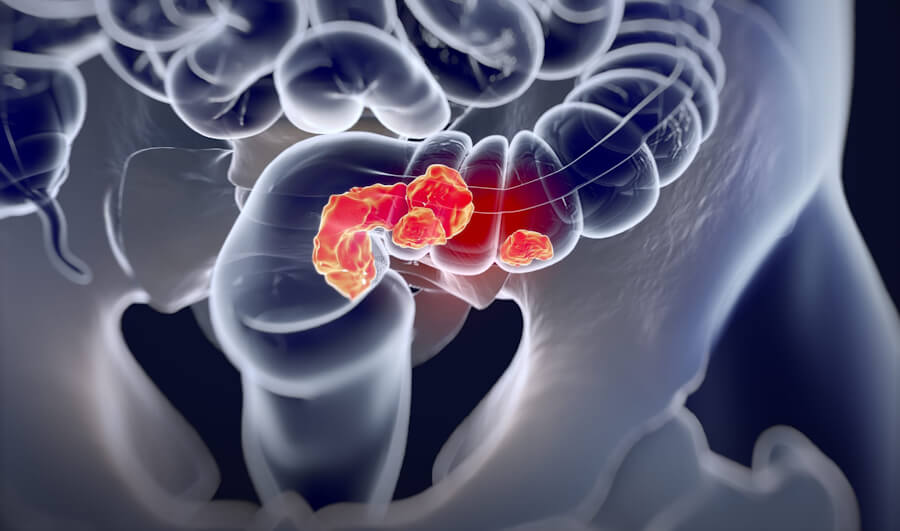
Colorectal adenocarcinoma is the most common histological type of colorectal cancer (CRC), accounting for more than 90% of all malignant tumours of the colon and rectum. It is a malignancy arising from the glandular epithelial cells that line the inner surface of the large intestine and rectum, where these cells produce mucus to lubricate and protect the bowel lining. Colorectal cancer is the third most frequently diagnosed cancer worldwide and the second leading cause of cancer-related deaths, with approximately 1.9 million new cases and over 900,000 deaths estimated globally in 2022. In recent years, CRC has become the leading cause of cancer-related death in adults under the age of 50 in several high-income countries, a trend that has prompted widespread clinical and public health concern. This article provides a comprehensive, evidence-based overview of colorectal adenocarcinoma, covering its classification, causes, prevention, clinical presentation, diagnostic pathways, staging, treatment modalities, prognosis, and palliative care, with reference to current international guidelines and peer-reviewed literature.
🔬 Definition, Classification, and ICD-10 Coding
📖 What Is Colorectal Adenocarcinoma?
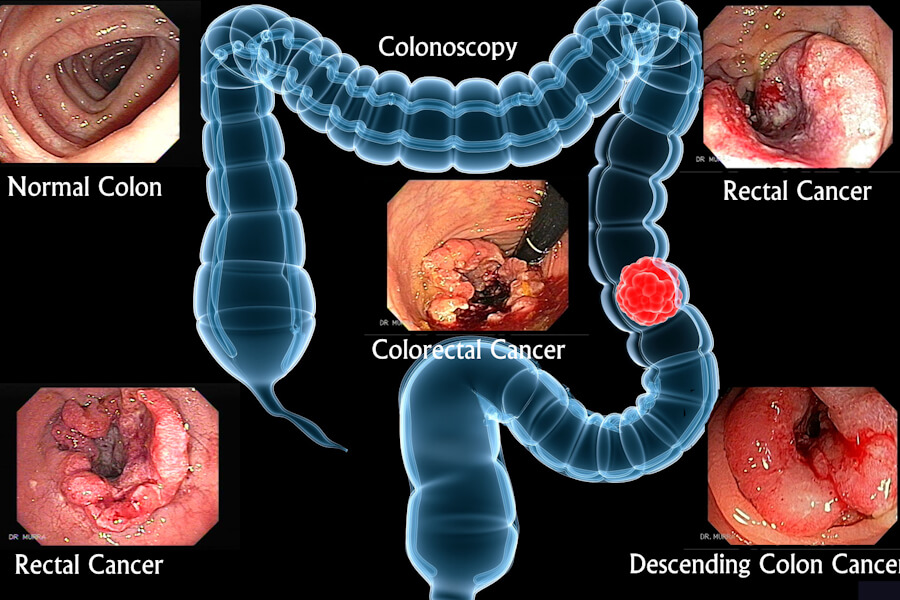
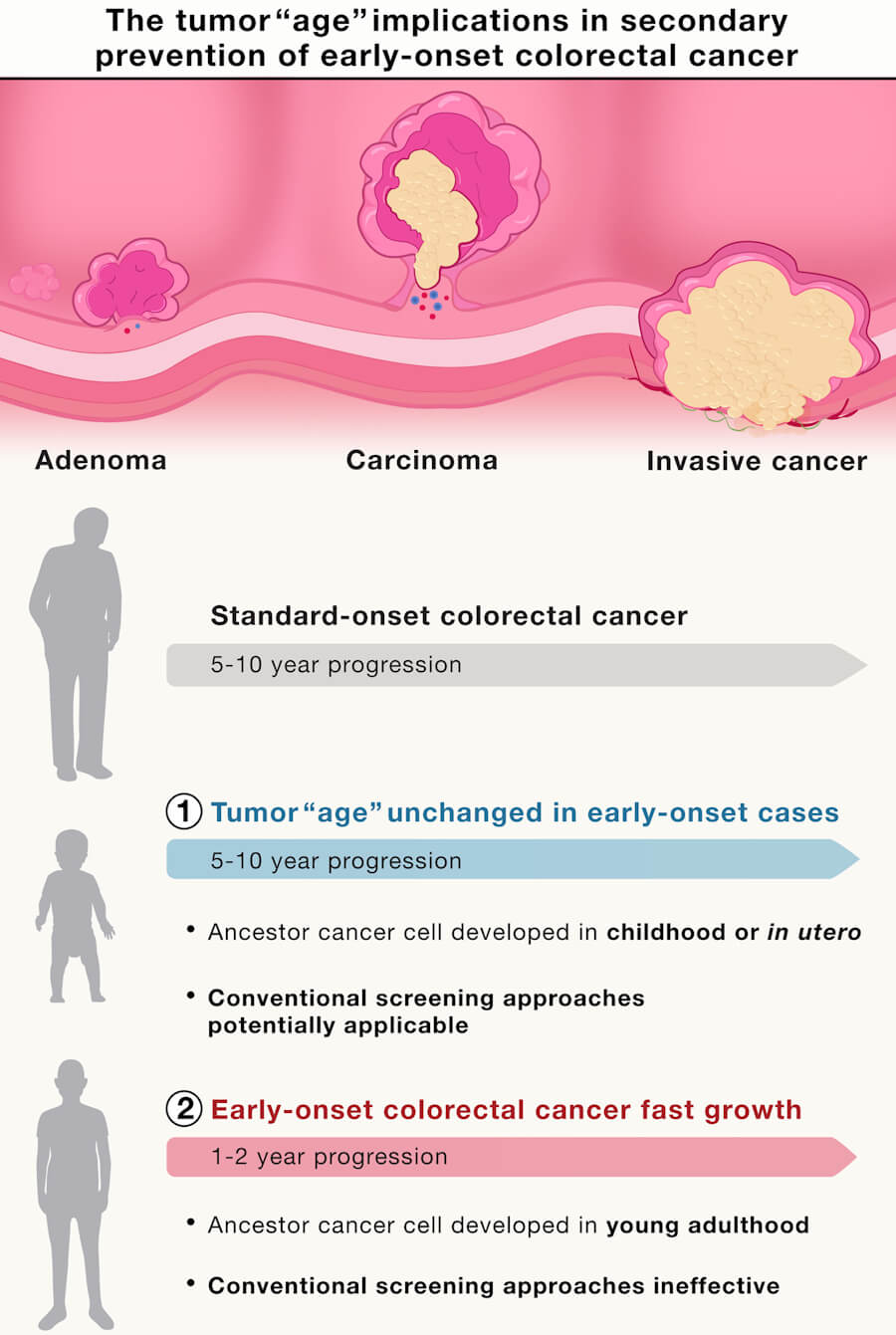
Colorectal adenocarcinoma is a malignant neoplasm composed of glandular epithelial cells that invades through the muscularis mucosae into the submucosa of the colon or rectum. When the tumour remains confined to the mucosa, it is considered an in situ lesion or intramucosal carcinoma; once malignant cells breach the muscularis mucosae and extend into the submucosa, the lesion is designated as invasive adenocarcinoma—a true cancer capable of metastasising. The overwhelming majority of colorectal adenocarcinomas are believed to arise from pre-existing benign precursor lesions, namely adenomatous polyps, through a multistep process of genetic and epigenetic alterations that typically unfolds over many years.
🧬 Histological Subtypes
Colorectal adenocarcinoma is not a single homogeneous entity. The World Health Organization (WHO) recognises several histological variants, each with distinct clinicopathological features:
-
Conventional (non-mucinous) adenocarcinoma: The most common subtype, characterised by gland formation without significant mucin production.
-
Mucinous adenocarcinoma: Defined by the presence of extracellular mucin pools comprising more than 50% of the tumour volume. This subtype accounts for approximately 10–15% of colorectal cancers and is associated with a worse prognosis, particularly in advanced stages.
-
Signet-ring cell carcinoma: A rare variant (less than 1% of cases) in which more than 50% of the tumour consists of cells with prominent intracellular mucin displacing the nucleus to the periphery.
-
Serrated adenocarcinoma, medullary carcinoma, micropapillary adenocarcinoma, and adenosquamous carcinoma are additional recognised subtypes with varying biological behaviour.
🏷️ ICD-10 Classification
In the International Classification of Diseases, Tenth Revision (ICD-10), malignant neoplasms of the colorectum are coded under C18–C21:
-
C18.0 – Caecum
-
C18.1 – Appendix
-
C18.2 – Ascending colon
-
C18.3 – Hepatic flexure
-
C18.4 – Transverse colon
-
C18.5 – Splenic flexure
-
C18.6 – Descending colon
-
C18.7 – Sigmoid colon
-
C18.8 – Overlapping lesion of colon
-
C18.9 – Colon, unspecified
-
C19 – Rectosigmoid junction
-
C20 – Rectum
-
C21 – Anus and anal canal
These codes are essential for cancer registration, epidemiological surveillance, and reimbursement systems worldwide.
🧬 Causes and Risk Factors
🎯 What Causes Colorectal Adenocarcinoma?
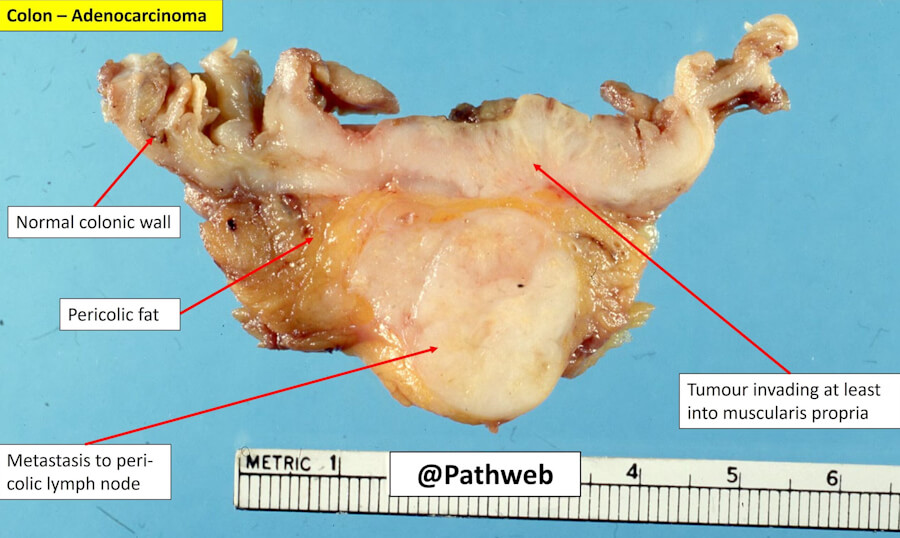
The exact cause of colorectal adenocarcinoma remains incompletely understood, but it is widely accepted that the disease arises from a complex interplay of genetic, environmental, and lifestyle factors. Approximately 20% of CRC cases are associated with genetic predispositions, including Lynch syndrome (hereditary non-polyposis colorectal cancer) and familial adenomatous polyposis (FAP). Inflammatory bowel disease—particularly ulcerative colitis and Crohn’s colitis—confers a substantially increased risk, with 3–5% of patients with ulcerative colitis eventually developing CRC.
⚠️ Modifiable Risk Factors
A substantial proportion of colorectal cancers—estimated at 66–77%—could be prevented through appropriate dietary and lifestyle modifications. Key modifiable risk factors include:
-
Diet high in red and processed meat: Frequent consumption of bacon, sausages, hamburgers, salami, and other processed meats is strongly associated with increased CRC risk.
-
Low dietary fibre intake: Diets poor in vegetables, fruits, and whole grains are linked to higher risk.
-
Obesity and physical inactivity: Excess body weight and sedentary behaviour are established risk factors.
-
Alcohol consumption and smoking: Both are independently associated with elevated CRC risk.
-
Low vitamin D and calcium intake: Calcium appears to exert a protective effect, while vitamin D deficiency is associated with increased risk.
🧬 Non-Modifiable Risk Factors
-
Age: Incidence rises sharply after age 50, with peak occurrence after age 60.
-
Family history: Approximately 15–20% of CRC cases occur in individuals with a family history of the disease.
-
Personal history of adenomatous polyps (particularly villous and sessile serrated types) or inflammatory bowel disease.
-
Genetic syndromes: Lynch syndrome (4–7% of cases) and FAP.
🛡️ Prevention and Avoidance
🥗 Primary Prevention Through Lifestyle Modification
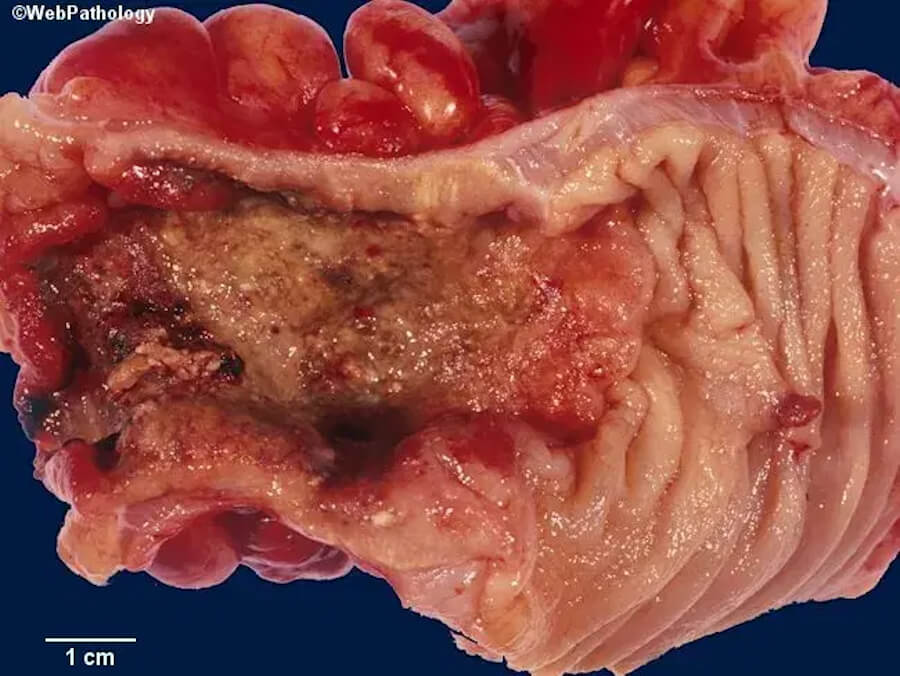
Primary prevention of colorectal adenocarcinoma focuses on modifying risk factors and enhancing protective factors. Evidence-based recommendations include:
-
Adopting a plant-forward diet: Increasing intake of fruits, vegetables, whole grains, and dietary fibre while reducing red and processed meat consumption.
-
Maintaining a healthy body weight through regular physical activity.
-
Limiting alcohol consumption and avoiding tobacco smoke.
-
Chemoprevention: Regular aspirin use has been associated with a lower risk of CRC and colonic polyps; however, prophylactic low-dose aspirin is not universally recommended for average-risk individuals due to bleeding risks.
🔍 Screening and Early Detection
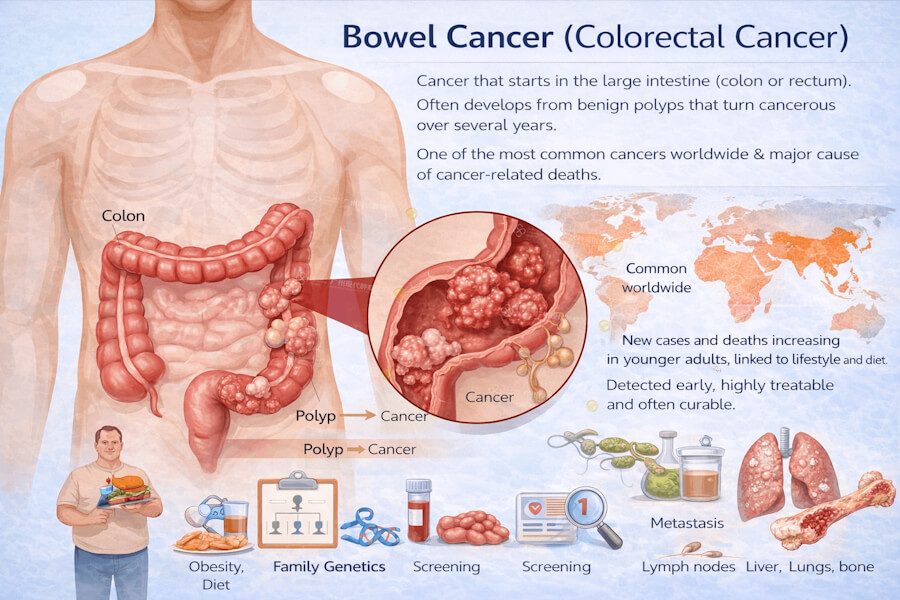
Screening is a cornerstone of secondary prevention and has been shown to reduce CRC incidence and mortality through the detection and removal of precancerous polyps and the identification of early-stage cancers. Common screening modalities include colonoscopy, faecal immunochemical testing (FIT), CT colonography, and flexible sigmoidoscopy. The introduction of organised bowel cancer screening programmes has contributed to improving five-year survival rates in several countries, with Australia recording an increase from 55% in 1990–1994 to 71% in 2015–2019.
🩸 Symptoms and Early Signs
🚨 Common Presenting Symptoms
Colorectal cancer may remain asymptomatic for a considerable period, and symptoms, when they do occur, are often nonspecific. The most frequently reported symptoms include:
-
Change in bowel habits: Diarrhoea, constipation, or narrowing of the stool lasting more than a few days.
-
Rectal bleeding: Bright red blood per rectum is a classic warning sign.
-
Blood in the stool: The stool may appear dark brown or black (melena) due to digested blood.
-
Abdominal pain or cramping.
-
Weakness and fatigue, often secondary to iron-deficiency anaemia from chronic occult blood loss.
-
Unintended weight loss.
-
A sensation of incomplete evacuation after a bowel movement.
🩸 Blood in Stool and Bleeding Patterns
Bleeding is one of the most characteristic features of colorectal adenocarcinoma. Most colon cancers bleed slowly and intermittently, and the blood is often not visible to the naked eye. Bright red blood typically indicates bleeding from the rectum or distal colon, whereas darker, tarry stools suggest a more proximal source. Over time, chronic blood loss can lead to iron-deficiency anaemia, which may be the first laboratory abnormality detected. It is important to note that rectal bleeding can also result from benign conditions such as haemorrhoids or anal fissures; nevertheless, any unexplained rectal bleeding warrants prompt medical evaluation.
🫁 Symptoms of Advanced or Metastatic Disease
When the cancer has spread beyond the colorectum, additional symptoms may emerge depending on the site of metastasis. These include jaundice and right upper quadrant pain (liver metastases), dyspnoea (lung metastases), and bone pain (skeletal metastases).
🩻 Diagnosis and Staging
🧪 Initial Evaluation
The diagnostic pathway for suspected colorectal adenocarcinoma typically begins with a thorough clinical history and physical examination, including a digital rectal examination. Laboratory investigations include a complete blood count to detect anaemia and liver function tests, as colorectal cancer frequently metastasises to the liver. Tumour markers such as carcinoembryonic antigen (CEA) may be measured, although they are not diagnostic in isolation.
🔬 Endoscopic Diagnosis and Biopsy
Colonoscopy is the gold standard for diagnosing colorectal neoplasia, allowing direct visualisation of the entire colon and rectum and enabling biopsy of suspicious lesions. Flexible sigmoidoscopy may be used for distal lesions. Histopathological examination of biopsy specimens confirms the diagnosis and provides important information on histological subtype and grade.
🖥️ Imaging Modalities
Imaging plays a central role in locoregional staging, distant staging, and treatment planning:
-
Computed Tomography (CT): Contrast-enhanced CT of the chest, abdomen, and pelvis is the standard modality for staging distant disease and assessing visceral metastases, particularly in the liver and lungs.
-
Magnetic Resonance Imaging (MRI): High-resolution MRI of the pelvis is the modality of choice for local staging of rectal cancer, providing detailed assessment of extramural tumour invasion, mesorectal fascia involvement, and lymph node status.
-
Endoscopic Ultrasound (EUS): Particularly useful for the evaluation of early rectal cancers and for assessing anal sphincter involvement.
-
Positron Emission Tomography–Computed Tomography (PET-CT): May be used as a problem-solving tool for equivocal findings on conventional imaging and for detecting occult metastatic disease.
-
Ultrasound: Transabdominal ultrasound and intraoperative ultrasound can be valuable for characterising liver metastases, particularly small lesions less than 10 mm in diameter.
📊 Staging Systems
Colorectal cancer is staged according to the TNM classification (Tumour, Node, Metastasis), which is incorporated into the AJCC (American Joint Committee on Cancer) staging system. The stage at diagnosis is the single most important prognostic factor:
-
Stage 0 (Carcinoma in situ): Abnormal cells confined to the bowel lining; not yet invasive.
-
Stage I: Tumour invades the submucosa or muscularis propria without lymph node involvement (T1–T2, N0, M0).
-
Stage II: Tumour penetrates through the muscularis propria into surrounding tissues, without lymph node metastasis (T3–T4, N0, M0).
-
Stage III: Lymph node involvement (any T, N1–N3, M0).
-
Stage IV: Distant metastasis (any T, any N, M1), most commonly to the liver and lungs.
🫀 Metastatic Patterns
Approximately 20% of patients present with metastatic disease at diagnosis, and a further proportion will develop metastases after curative-intent treatment. The liver is the most common site of distant metastasis, followed by the lungs, peritoneum, and extra-regional lymph nodes. Metastatic patterns are influenced by primary tumour location and molecular characteristics: right-sided tumours more frequently metastasise to the peritoneum, whereas left-sided tumours are more likely to spread to the liver and lungs. The liver and lungs frequently co-occur as metastatic sites, forming a distinct metastatic cluster.
🏥 Treatment Modalities
🔪 Surgery
Surgical resection remains the gold standard definitive treatment for localised colorectal adenocarcinoma (Stages I–III), involving removal of the malignant segment with adequate margins and regional lymphadenectomy. Procedures include partial or total colectomy, low anterior resection (LAR) for rectal tumours, and abdominoperineal resection when sphincter preservation is not feasible. In selected patients with limited metastatic disease—particularly liver-only or lung-only metastases—metastasectomy can achieve long-term survival and even cure.
💉 Chemotherapy
Cytotoxic chemotherapy remains a backbone of systemic treatment for colorectal cancer. Fluoropyrimidine-based regimens (such as 5-fluorouracil or capecitabine), frequently combined with oxaliplatin (FOLFOX) or irinotecan (FOLFIRI), are used in the adjuvant setting following surgery for high-risk Stage II and Stage III disease, as well as in the metastatic setting. Adjuvant chemotherapy has been shown to improve cure rates, and in Stage III disease, chemotherapy is an independent positive prognostic factor.
🎯 Targeted Therapy
Targeted agents have significantly improved outcomes in selected patient populations, particularly those with metastatic disease. Anti-EGFR monoclonal antibodies (such as cetuximab and panitumumab) are effective in tumours with RAS wild-type status, while anti-VEGF agents (such as bevacizumab) inhibit tumour angiogenesis. For tumours harbouring BRAF V600E mutations, combination therapy with BRAF/MEK and EGFR inhibitors may be offered.
🛡️ Immunotherapy
Immune checkpoint inhibitors have demonstrated substantial benefit in tumours with high mutational burden, particularly those with deficient mismatch repair (dMMR) or high microsatellite instability (MSI-H). Neoadjuvant immunotherapy with agents such as dostarlimab and nivolumab/ipilimumab has produced complete clinical and pathological response rates in locally advanced dMMR tumours, enabling non-operative management in select individuals. For Stage III colon cancer, the addition of atezolizumab to FOLFOX is now recommended in certain settings.
🩹 Other Therapeutic Modalities
Additional treatment options include radiotherapy (particularly for rectal cancer, often in the neoadjuvant setting), ablation techniques (such as radiofrequency ablation for liver metastases), and emerging approaches including nanotechnology-based drug delivery and molecularly guided personalised therapy.
📈 Prognosis, Survival, and Life Expectancy
📊 Stage-Specific Survival Rates
Prognosis is strongly stage-dependent. Five-year relative survival estimates by stage are approximately:
-
Stage I: 90–99%
-
Stage II: 60–89%
-
Stage III: 53–71% (varies by substage and treatment)
-
Stage IV: Less than 10% (historically 5–8%; with modern systemic therapy, median overall survival of approximately 19–24 months and 5-year survival of 10–20% in selected patients)
🫀 Survival Without Treatment
In the absence of any treatment, metastatic colorectal cancer carries a dismal prognosis. Historical data indicate that most patients with untreated metastatic disease—particularly liver metastases—die within one year, with average survival of approximately 6–7 months. Five-year survival rates in untreated metastatic disease are extremely low.
📉 Prognostic Factors
Beyond stage, several factors influence survival, including age at diagnosis, serum CEA levels, primary tumour resection, histological subtype (mucinous and signet-ring histologies are associated with worse outcomes), molecular profile (RAS, BRAF, MSI status), and the site and burden of metastatic disease.
🕊️ Palliative Care
🌿 Definition and Goals
Palliative care is an approach that improves the quality of life of patients and their families facing problems associated with life-threatening illness, through the prevention and relief of suffering by means of early identification, impeccable assessment, and treatment of pain and other problems—physical, psychosocial, and spiritual. In colorectal cancer, palliative care is integrated alongside disease-directed treatment for patients with advanced or metastatic disease and becomes the primary focus when curative options are exhausted.
🩺 Symptom Management
Key symptoms requiring palliative intervention in advanced colorectal cancer include pain (often severe and requiring opioid analgesia), bowel obstruction, nausea and vomiting, fatigue, nutritional deficits, and psychosocial distress. Systematic reviews indicate that integrating palliative care into oncology care can alleviate symptoms and improve overall quality of life in advanced cancer patients. Effective pain management and close monitoring are essential components of high-quality palliative care.
💬 Communication and End-of-Life Care
Open communication, empathy, and comprehensive symptom management are essential for quality end-of-life care. Early initiation of palliative care—sometimes concurrently with active treatment—has been associated with improved quality of life and, in some studies, prolonged survival compared with delayed initiation.
❓Key Questions and Answers
📖 Basics, Anatomy & Definitions
1. What is colorectal adenocarcinoma?
Colorectal adenocarcinoma is a cancer that begins in the glandular cells lining the colon or rectum. It is the most common type of colorectal cancer, making up over 90% of cases.
2. What does adenocarcinoma mean in medical terms?
“Adenocarcinoma” is a term for a cancer that starts in glandular tissue—cells that produce and release substances such as mucus, digestive juices, or other fluids.
3. Where does colorectal adenocarcinoma begin?
It typically begins in the innermost layer of the colon or rectum (the mucosa) and can grow outward through the wall of the bowel.
4. What is the difference between colon cancer and rectal cancer?
Colon cancer starts in the colon (large intestine), while rectal cancer starts in the rectum (the last several inches of the large intestine before the anus). They are often grouped together as colorectal cancer because they share many features.
5. Is colorectal adenocarcinoma always cancerous?
Yes. By definition, an adenocarcinoma is a malignant (cancerous) tumour. However, an adenoma (a benign polyp) can develop into an adenocarcinoma over time.
6. What is the difference between an adenoma and an adenocarcinoma?
An adenoma is a benign (non-cancerous) growth or polyp. An adenocarcinoma is a malignant (cancerous) tumour that has invaded surrounding tissue.
7. What are the layers of the colon wall affected by adenocarcinoma?
The colon wall has several layers: mucosa (innermost), submucosa, muscularis propria (muscle layer), and serosa (outermost). Invasive adenocarcinoma penetrates through the mucosa into deeper layers.
8. What is well-differentiated colorectal adenocarcinoma?
Well-differentiated adenocarcinoma is a tumour whose cells still resemble normal glandular cells and tend to grow and spread more slowly than poorly differentiated tumours.
9. What is moderately differentiated colorectal adenocarcinoma?
This is a tumour with cells that are somewhat abnormal and grow at an intermediate rate—between well-differentiated and poorly differentiated.
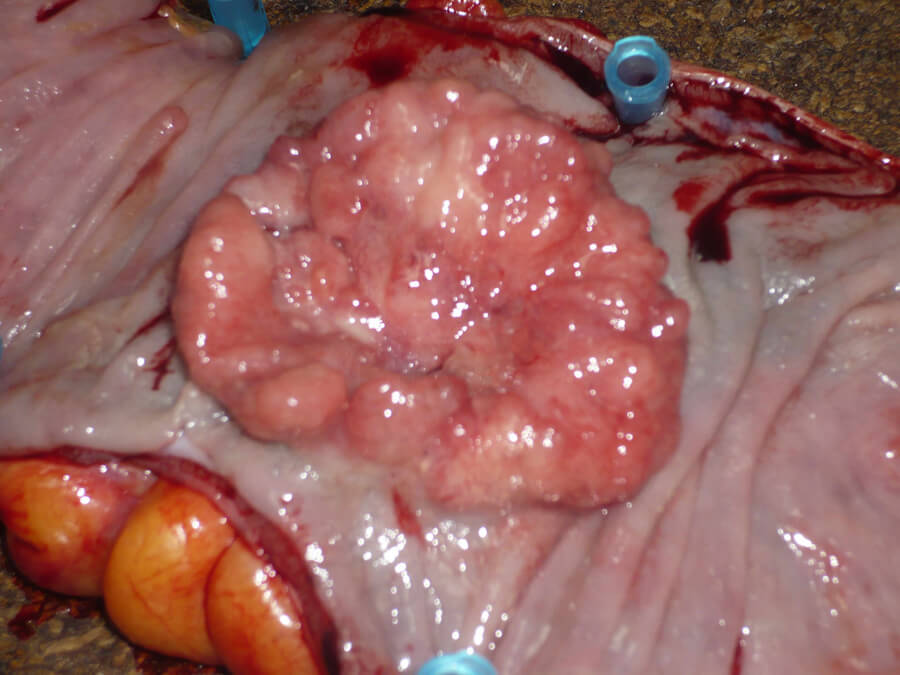
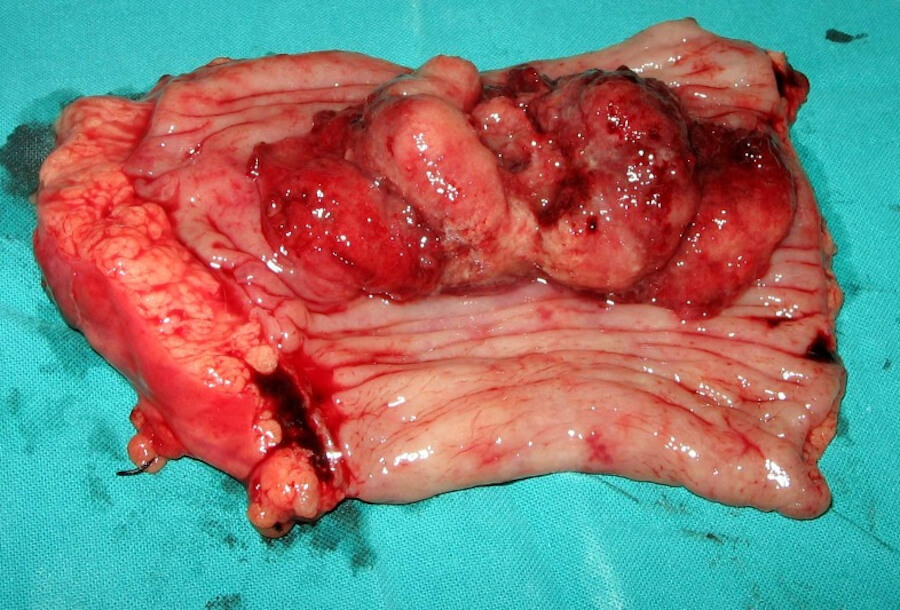
10. What is poorly differentiated colorectal adenocarcinoma?
Poorly differentiated adenocarcinoma has cells that look very abnormal and tend to grow and spread more aggressively. It is associated with a worse prognosis.
11. What is undifferentiated colorectal adenocarcinoma?
Undifferentiated adenocarcinoma is a tumour in which the cells are so abnormal that they no longer resemble glandular tissue. It is an aggressive form with a poorer outlook.
12. What is mucinous adenocarcinoma of the colon?
Mucinous adenocarcinoma is a subtype where the tumour produces large amounts of extracellular mucin (more than 50% of the tumour volume). It accounts for about 10-15% of colorectal cancers.
13. What is signet ring cell colorectal adenocarcinoma?
This is a rare subtype (less than 1% of cases) in which more than 50% of the tumour consists of cells with large amounts of intracellular mucin that pushes the nucleus to the side, giving a “signet ring” appearance.
14. What does invasiveness mean in adenocarcinoma?
Invasiveness means the tumour has grown beyond the layer where it started (the mucosa) and has penetrated into deeper layers of the bowel wall (submucosa, muscle, etc.).
15. What is invasive ductal vs adenocarcinoma in GI tract?
“Invasive ductal” is a term more commonly used for breast cancer. In the GI tract, the correct term is “invasive adenocarcinoma,” referring to a cancer that has grown beyond the mucosa.
16. How fast does colorectal adenocarcinoma grow?
The adenoma-carcinoma sequence is a multistep process that typically takes about 10 to 15 years for a benign polyp to develop into cancer.
17. What is the adenoma-carcinoma sequence?
This is the stepwise process by which a normal cell in the colon lining becomes a benign adenoma (polyp) and then, over years, acquires genetic mutations that lead to invasive adenocarcinoma.
18. Where in the colon is adenocarcinoma most commonly found?
It can occur anywhere in the colon or rectum, but the sigmoid colon and rectum are common sites.
19. What is right-sided vs left-sided colon cancer?
Right-sided colon cancer occurs in the ascending colon and cecum. Left-sided cancer occurs in the descending colon, sigmoid colon, and rectum. They can present with different symptoms and have different prognoses.
20. What is cecal adenocarcinoma?
Cancer that starts in the cecum, the beginning of the large intestine.
21. What is ascending colon adenocarcinoma?
Cancer that starts in the ascending colon, the section that travels upward on the right side of the abdomen.
22. What is transverse colon adenocarcinoma?
Cancer that starts in the transverse colon, the section that crosses the upper abdomen.
23. What is descending colon adenocarcinoma?
Cancer that starts in the descending colon, the section that travels downward on the left side.
24. What is sigmoid colon adenocarcinoma?
Cancer that starts in the sigmoid colon, the S-shaped section that connects to the rectum.
25. What is rectosigmoid adenocarcinoma?
Cancer that starts in the rectosigmoid junction, where the sigmoid colon meets the rectum.
26. What is rectal adenocarcinoma?
Cancer that starts in the rectum.
27. Is adenocarcinoma the most common type of colon cancer?
Yes. More than 90% of colorectal cancers are adenocarcinomas.
28. What percentage of colon cancers are adenocarcinomas?
Over 90%.
29. What is tubulovillous adenoma with high-grade dysplasia?
This is a type of polyp that has features of both tubular and villous adenomas and contains cells that are severely abnormal (high-grade dysplasia), meaning they are at high risk of becoming cancerous.
30. Does high-grade dysplasia mean adenocarcinoma?
No. High-grade dysplasia is a pre-cancerous condition. It is not yet cancer because the abnormal cells have not invaded beyond the surface layer. However, it has a high risk of progressing to cancer.
31. What is intramucosal adenocarcinoma?
This is a very early cancer where malignant cells are confined to the mucosa (the innermost layer) and have not invaded the submucosa. It is sometimes considered a precursor to invasive cancer.
32. Is stage 0 colon cancer considered adenocarcinoma?
Stage 0 (carcinoma in situ) refers to cancer that is confined to the mucosa. It is the earliest form of adenocarcinoma.
33. What is primary vs metastatic colorectal adenocarcinoma?
Primary cancer is the original tumour where it started (in the colon or rectum). Metastatic cancer is cancer that has spread from the primary site to other organs (e.g., liver, lungs).
34. Can colorectal adenocarcinoma develop without polyps?
Yes. While most colorectal cancers arise from polyps, some can develop de novo (without a preceding polyp), and these are often associated with specific subtypes like mucinous or signet ring cell carcinomas.
35. What is serrated adenocarcinoma of the colon?
This is a subtype of adenocarcinoma that arises from serrated polyps (a type of polyp with a saw-toothed appearance under the microscope) and has distinct molecular features.
36. What is medullary carcinoma of the colon?
This is a rare subtype of colorectal adenocarcinoma characterised by cells arranged in solid sheets with a prominent lymphocytic infiltrate. It is more common in right-sided tumours and is often associated with MSI-H status.
37. What is cribriform adenocarcinoma of the rectum?
This is a histological pattern where tumour cells form cribriform (sieve-like) structures. It is a variant of adenocarcinoma.
38. What is neuroendocrine differentiated adenocarcinoma?
This is a rare tumour that has features of both adenocarcinoma and neuroendocrine cells.
39. Does colorectal adenocarcinoma affect men and women equally?
Colorectal cancer is slightly more common in men than in women.
40. Why is colorectal cancer rising in young adults?
The exact reasons are not fully understood, but factors such as obesity, dietary changes, sedentary lifestyle, and environmental exposures are being investigated.
41. What is early-onset colorectal adenocarcinoma?
This refers to colorectal cancer diagnosed in adults younger than 50 years of age.
42. How does adenocarcinoma differ from lymphoma of the bowel?
Adenocarcinoma arises from glandular epithelial cells, while lymphoma arises from lymphocytes (immune cells) in the bowel wall.
43. How does adenocarcinoma differ from gastrointestinal stromal tumor (GIST)?
Adenocarcinoma arises from the lining (epithelial) cells. GIST arises from interstitial cells of Cajal (pacemaker cells) in the wall of the GI tract.
44. What is carcinomatosis in colorectal cancer?
Carcinomatosis (or peritoneal carcinomatosis) is the spread of cancer to the peritoneum (the lining of the abdominal cavity), causing multiple tumour deposits.
45. What is lymphatic invasion in colorectal adenocarcinoma?
This means tumour cells have entered the lymphatic vessels, which increases the risk of cancer spreading to lymph nodes.
46. What is perineural invasion in adenocarcinoma?
Perineural invasion (PNI) means tumour cells have invaded the space around nerves. It is a poor prognostic factor and is associated with a higher risk of recurrence.
47. What is lymphovascular invasion (LVI)?
LVI means tumour cells are present in blood vessels or lymphatic vessels. It is a risk factor for metastasis.
48. What are tumor deposits in colorectal cancer pathology reports?
Tumor deposits are discrete foci of tumour cells in the pericolic or perirectal fat, separate from the main tumour and without evidence of residual lymph node tissue. They are associated with a worse prognosis.
49. What is clear cell adenocarcinoma of the colon?
This is a rare variant where tumour cells have clear cytoplasm. It can occur in the colon but is more common in other organs like the kidney.
50. What is squamous cell carcinoma vs adenocarcinoma in the rectum?
Adenocarcinoma arises from glandular cells and is the most common rectal cancer. Squamous cell carcinoma arises from squamous cells (flat cells) and is more common in the anal canal.
🩸 Early Signs, Symptoms & Body Changes
51. What are the earliest symptoms of colorectal adenocarcinoma?
Early symptoms are often vague and may include a change in bowel habits, blood in the stool, abdominal discomfort, or fatigue.
52. Can you have colorectal adenocarcinoma with no symptoms?
Yes. In the early stages, colorectal cancer often causes no symptoms at all. This is why screening is important.
53. Does blood in stool always mean colorectal adenocarcinoma?
No. Blood in the stool can be caused by many conditions, including haemorrhoids, anal fissures, and infections. However, it should always be investigated.
54. What color is blood from colon adenocarcinoma?
Blood from a colon tumour can be bright red (if the tumour is in the rectum or sigmoid colon) or dark red/black (if the tumour is further up in the colon).
55. What is the difference between hemorrhoid blood and colon cancer blood?
Haemorrhoid blood is typically bright red and coats the stool or appears on toilet paper. Colon cancer blood can be darker, mixed with the stool, or occult (not visible to the naked eye).
56. Why does colorectal adenocarcinoma cause thin pencil-like stools?
A tumour in the rectum or sigmoid colon can narrow the bowel lumen, causing stools to become thin and ribbon-like.
57. Does colorectal adenocarcinoma cause persistent diarrhea?
Yes, a change in bowel habits, including persistent diarrhoea, can be a symptom.
58. Does colorectal adenocarcinoma cause severe constipation?
Yes, constipation or a feeling of incomplete emptying can occur, especially with left-sided tumours.
59. What does bowel habit change mean for colon cancer?
A persistent change in how often you have a bowel movement, or the consistency of your stool, lasting for more than a few weeks, can be a warning sign.
60. Is feeling of incomplete bowel movement a sign of rectal adenocarcinoma?
Yes. A tumour in the rectum can create a sensation of needing to strain or a feeling that the bowel has not emptied completely (tenesmus).
61. What type of stomach pain is felt with colon adenocarcinoma?
Pain can be crampy, colicky, or a dull ache. It may be located in any part of the abdomen, depending on the tumour site.
62. Does colorectal adenocarcinoma cause lower back pain?
It can, especially if the tumour has spread to the presacral area or if there is a large rectal tumour.
63. Can colon adenocarcinoma cause bloating and gas?
Yes, bloating and increased gas can occur, particularly if the tumour causes a partial obstruction.
64. Why does adenocarcinoma lead to unexplained weight loss?
Cancer can increase the body’s metabolic rate and cause a loss of appetite, leading to weight loss.
65. How does colon cancer cause fatigue and weakness?
Fatigue can result from anaemia (due to chronic blood loss) and from the general burden of cancer on the body.
66. Why does colorectal adenocarcinoma cause iron deficiency anemia?
Tumours often bleed slowly and intermittently, leading to a chronic loss of iron that the body cannot replace fast enough, resulting in iron-deficiency anaemia.
67. Can colon cancer cause low hemoglobin levels?
Yes. Chronic blood loss from a colon tumour is a common cause of low haemoglobin (anaemia).
68. Does rectal adenocarcinoma cause painful bowel movements (tenesmus)?
Yes. Tenesmus is a painful, persistent urge to have a bowel movement, often with straining, and is a classic symptom of rectal cancer.
69. What does dark black tarry stool (melena) indicate?
Melena indicates bleeding from the upper gastrointestinal tract (stomach or small intestine), but it can also occur with right-sided colon cancer if the blood is digested.
70. Can colorectal adenocarcinoma cause unexplained nausea or vomiting?
Yes, especially if the tumour causes a bowel obstruction.
71. What does a palpable mass in the abdomen mean?
A palpable mass may be the tumour itself, particularly in right-sided colon cancer where the abdomen is more distensible.
72. Does rectal adenocarcinoma cause pelvic pressure?
Yes, a rectal tumour can cause a feeling of pressure or fullness in the pelvis.
73. Can colon cancer cause bowel obstruction symptoms?
Yes. A growing tumour can block the bowel, causing severe abdominal pain, vomiting, constipation, and bloating.
74. What happens when a colon tumor ruptures or perforates?
A perforation is a medical emergency. It can cause peritonitis (infection of the abdominal cavity), which requires immediate surgery.
75. Does colorectal adenocarcinoma cause unexplained low-grade fever?
Yes, some cancers can cause a low-grade fever, especially if there is tumour necrosis or an inflammatory response.
76. Can colon cancer cause night sweats?
Night sweats can occur with some cancers, though they are more commonly associated with lymphoma.
77. Why does adenocarcinoma cause loss of appetite (anorexia)?
Cancer can alter metabolism and cause systemic inflammation, leading to a loss of appetite.
78. Does rectal cancer cause rectal mucous discharge?
Yes. A rectal tumour can produce excess mucus, which may be passed with stool.
79. Can colorectal adenocarcinoma cause leg swelling (edema)?
Yes. If the cancer spreads to lymph nodes in the groin or pelvis, it can cause lymphatic obstruction and leg swelling.
80. What are signs that colon cancer has spread to the liver?
Jaundice (yellowing of the skin and eyes), right upper quadrant pain, and an enlarged liver.
81. What are symptoms of colon cancer metastasized to lungs?
Shortness of breath, cough, chest pain, and coughing up blood.
82. Does colorectal adenocarcinoma cause jaundice (yellow eyes/skin)?
Yes, if the cancer has spread to the liver or is blocking the bile ducts.
83. Can colon cancer cause fluid in the abdomen (ascites)?
Yes, especially if the cancer has spread to the peritoneum (peritoneal carcinomatosis).
84. What are symptoms of bone metastasis from rectal adenocarcinoma?
Bone pain, fractures, and sometimes spinal cord compression (which can cause weakness or paralysis).
85. Does colorectal adenocarcinoma cause enlarged lymph nodes in the groin?
It can, if the cancer has spread to the inguinal lymph nodes.
86. Can a doctor feel colon adenocarcinoma during an abdominal exam?
Sometimes. A large right-sided colon tumour may be palpable as a mass in the abdomen.
87. Can rectal adenocarcinoma be felt during a digital rectal exam (DRE)?
Yes. A digital rectal exam is a simple test where a doctor inserts a gloved finger into the rectum to feel for lumps or abnormalities.
88. Why does right-sided colon cancer present differently than left-sided?
Right-sided tumours often cause anaemia and a palpable mass because the stool is more liquid and the bowel is wider. Left-sided tumours more often cause obstruction symptoms like constipation and thin stools.
89. How long can you have colon adenocarcinoma before symptoms show?
It can take years for a polyp to become cancer, and early-stage cancer may cause no symptoms. This is why screening is so important.
90. Does colon cancer pain worsen after eating?
It can, especially if the tumour is causing a partial bowel obstruction.
91. Can rectal adenocarcinoma cause urinary frequency or urgency?
Yes. A rectal tumour can irritate the bladder or nearby nerves, causing urinary symptoms.
92. Does colon cancer cause feeling full quickly (satiety)?
Yes, especially if there is a large tumour or if the cancer has caused a bowel obstruction.
93. Can colorectal adenocarcinoma cause unexplained abdominal swelling?
Yes, it can be due to a tumour mass, obstruction, or ascites.
94. Is bright red rectal bleeding worse than dark blood?
Not necessarily. Bright red blood is more common with distal (left-sided/rectal) tumours, while dark blood can indicate a more proximal tumour. Both require investigation.
95. Does colorectal adenocarcinoma cause itchy anus?
Itchy anus (pruritus ani) is more commonly caused by benign conditions, but it can occur if mucus from a rectal tumour irritates the skin.
96. Can colon adenocarcinoma mimic IBS (Irritable Bowel Syndrome)?
Yes. The symptoms of colon cancer—such as change in bowel habits, abdominal pain, and bloating—can be similar to IBS.
97. Can colorectal adenocarcinoma be mistaken for diverticulitis?
Yes. Diverticulitis can cause abdominal pain, fever, and a change in bowel habits, which can mimic colon cancer.
98. How do you distinguish colon cancer from Crohn’s disease symptoms?
Both can cause abdominal pain, diarrhoea, and weight loss. A colonoscopy with biopsy is usually needed to distinguish between them.
99. How do you distinguish colon cancer from Ulcerative Colitis flares?
Ulcerative colitis can cause bloody diarrhoea, abdominal cramps, and urgency. Colon cancer can cause similar symptoms. A colonoscopy is essential for diagnosis.
100. Are colorectal adenocarcinoma symptoms different in women than men?
The symptoms are generally similar, but women may experience pelvic symptoms if the tumour involves the reproductive organs.
🧬 Causes, Risk Factors & Prevention
101. What is the primary cause of colorectal adenocarcinoma?
The exact cause is not known, but it develops from a combination of genetic, environmental, and lifestyle factors. Most cases are sporadic (not inherited).
102. Is colorectal adenocarcinoma hereditary?
About 20-30% of cases have a familial component, and about 5-10% are due to inherited genetic syndromes.
103. What percentage of colorectal adenocarcinoma cases are genetic?
About 5-10% are linked to known hereditary syndromes such as Lynch syndrome and FAP.
104. What is Lynch Syndrome (HNPCC)?
Lynch syndrome is an inherited condition caused by mutations in mismatch repair genes. It significantly increases the risk of colorectal cancer (70-80% lifetime risk) and other cancers, often before age 50.
105. What is Familial Adenomatous Polyposis (FAP)?
FAP is a rare inherited condition characterised by the development of hundreds or thousands of polyps in the colon, which almost inevitably lead to cancer if the colon is not removed.
106. What gene mutations cause colorectal adenocarcinoma?
Common mutations involve the APC, KRAS, TP53, and BRAF genes, as well as mismatch repair genes (MLH1, MSH2, MSH6, PMS2).
107. What role does the APC gene play in colon cancer?
The APC gene is a tumour suppressor gene. Mutations in APC are an early event in the adenoma-carcinoma sequence and are found in most sporadic colon cancers.
108. What is MUTYH-associated polyposis (MAP)?
MAP is an inherited condition caused by mutations in the MUTYH gene. It causes multiple colon polyps and increases the risk of colon cancer.
109. Does red meat intake increase the risk of colon adenocarcinoma?
Yes. High consumption of red meat (beef, pork, lamb) is associated with an increased risk of colorectal cancer.
110. How do processed meats cause colorectal adenocarcinoma?
Processed meats (bacon, sausage, hot dogs) contain preservatives like nitrates and are often high in fat and salt. They are classified as Group 1 carcinogens by the WHO.
111. Does alcohol consumption cause colorectal adenocarcinoma?
Yes. Alcohol consumption is associated with an increased risk of colorectal cancer.
112. Does cigarette smoking increase rectal adenocarcinoma risk?
Yes. Long-term smoking is linked to an increased risk of colorectal cancer, including rectal cancer.
113. How does obesity increase colorectal cancer risk?
Excess body weight, especially abdominal obesity, is associated with increased levels of insulin and growth factors that can promote cancer development.
114. Does physical inactivity contribute to colon adenocarcinoma?
Yes. A sedentary lifestyle is a risk factor, and regular physical activity is protective.
115. Does Type 2 Diabetes increase colon cancer risk?
Yes. Type 2 diabetes is associated with an increased risk of colorectal cancer, possibly due to shared risk factors like obesity and insulin resistance.
116. How does Inflammatory Bowel Disease (IBD) lead to adenocarcinoma?
Chronic inflammation in IBD (ulcerative colitis and Crohn’s disease) can cause repeated cycles of cell damage and repair, increasing the risk of mutations and cancer.
117. Does chronic Ulcerative Colitis cause colon adenocarcinoma?
Yes. Long-standing, extensive ulcerative colitis increases the risk of colorectal cancer.
118. Does Crohn’s disease increase colorectal cancer risk?
Yes, especially if it involves a large part of the colon for many years.
119. At what age does colorectal adenocarcinoma risk spike?
The incidence rises sharply after age 40-50, with a peak around age 70.
120. Why are colon cancer rates rising in people under 50?
The reasons are not fully clear, but factors such as obesity, poor diet, sedentary lifestyle, and environmental exposures are being investigated.
121. Does gut microbiome imbalance (dysbiosis) cause colon cancer?
Dysbiosis may contribute to colorectal cancer risk by promoting inflammation and producing carcinogenic metabolites, but the exact role is still being researched.
122. What role does Fusobacterium nucleatum play in colorectal cancer?
Fusobacterium nucleatum is a bacterium found in the mouth and gut that has been associated with colorectal cancer. It may promote tumour growth and inflammation.
123. Can high-sugar diets lead to colon adenocarcinoma?
Diets high in refined sugars and carbohydrates can contribute to obesity and insulin resistance, which are risk factors for colorectal cancer.
124. Does high fiber intake protect against colon adenocarcinoma?
Yes. A diet high in fibre (from vegetables, fruits, and whole grains) is associated with a lower risk of colorectal cancer.
125. Does daily aspirin reduce colorectal adenocarcinoma risk?
Yes, regular low-dose aspirin use has been shown to reduce the risk of colorectal cancer and polyps. However, it is not universally recommended due to bleeding risks.
126. Do NSAIDs prevent colorectal polyp formation?
Some NSAIDs (like sulindac) have been shown to reduce polyps in high-risk individuals, but they are not routinely used for prevention due to side effects.
127. Does Vitamin D deficiency cause colon cancer?
Vitamin D deficiency is associated with an increased risk of colorectal cancer, but it is not a direct cause.
128. Does calcium intake lower the risk of colorectal adenocarcinoma?
Some studies suggest that adequate calcium intake may modestly reduce the risk of colorectal cancer.
129. Does gallbladder removal (cholecystectomy) increase colon cancer risk?
Some studies have suggested a link between cholecystectomy and a slightly increased risk of right-sided colon cancer, but the evidence is not conclusive.
130. Can abdominal radiation for past cancers cause colon adenocarcinoma?
Yes. Radiation therapy to the abdomen or pelvis for previous cancers can increase the risk of developing colorectal cancer years later.
131. Is colorectal adenocarcinoma contagious?
No. Colorectal cancer is not an infectious disease and cannot be spread from person to person.
132. Can severe stress cause colon cancer?
Stress is not a direct cause, but chronic stress can lead to unhealthy behaviours (poor diet, smoking) that increase risk.
133. Does shift work or disrupted sleep increase colon cancer risk?
Some studies suggest that long-term night-shift work may be associated with a modestly increased risk of colorectal cancer, possibly due to disruptions in melatonin and circadian rhythms.
134. Does gut inflammation turn polyps into adenocarcinoma?
Chronic inflammation can promote the development and progression of polyps into cancer.
135. Are ultra-processed foods linked to early-onset colorectal cancer?
Emerging evidence suggests that diets high in ultra-processed foods may be associated with an increased risk of early-onset colorectal cancer.
136. Does family history of non-colon cancers increase risk?
A family history of certain cancers (e.g., endometrial, ovarian, stomach) can be a clue to hereditary syndromes like Lynch syndrome, which increases colorectal cancer risk.
137. How many generations are evaluated for Lynch syndrome?
A detailed family history, often spanning three generations, is evaluated to assess the risk of Lynch syndrome.
138. Can taking probiotics lower colorectal adenocarcinoma risk?
There is some evidence that certain probiotics may have a protective effect, but more research is needed.
139. Does chronic constipation cause colon adenocarcinoma?
Chronic constipation is not a direct cause, but it may be associated with other risk factors like a low-fibre diet.
140. Does chronic diarrhea increase colon cancer risk?
Chronic diarrhoea is not a direct cause, but it can be a symptom of conditions (like IBD) that increase risk.
141. Does microplastic ingestion contribute to GI adenocarcinomas?
The potential role of microplastics in cancer development is an area of active research, but no definitive link has been established.
142. Are pesticides or environmental toxins linked to colon cancer?
Exposure to certain environmental toxins and pesticides may be associated with an increased risk, but the evidence is limited.
143. Does coffee consumption lower colorectal cancer risk?
Some studies have found an association between coffee consumption and a reduced risk of colorectal cancer, but more research is needed.
144. Does Mediterranean diet prevent colon adenocarcinoma?
A Mediterranean-style diet, rich in fruits, vegetables, whole grains, and healthy fats, is associated with a lower risk of colorectal cancer.
145. How does gut transit time affect carcinogen exposure?
A longer transit time (e.g., with constipation) may increase the time that carcinogens in the stool are in contact with the bowel lining, potentially increasing risk.
146. Can colon cleanses or colonics prevent colon adenocarcinoma?
There is no evidence that colon cleanses or colonics prevent colorectal cancer.
147. Does past antibiotic use increase colorectal cancer risk?
Some studies have suggested a link between long-term or frequent antibiotic use and an increased risk of colorectal cancer, possibly due to effects on the gut microbiome.
148. Is there a vaccine to prevent colorectal adenocarcinoma?
No. There is currently no vaccine to prevent colorectal cancer.
149. What lifestyle changes cut colorectal cancer risk the most?
Maintaining a healthy weight, regular physical activity, a diet high in fibre and low in red/processed meat, limiting alcohol, and not smoking are the most effective lifestyle changes.
150. Can early polyp removal completely prevent adenocarcinoma?
Yes. Removing adenomatous polyps during a colonoscopy can prevent them from developing into cancer, which is why screening is so effective.
🩻 Screening, Diagnosis & Procedures
151. At what age should screening for colorectal cancer begin?
Screening is generally recommended to begin at age 45 for average-risk individuals.
152. What is the gold standard test for diagnosing colon adenocarcinoma?
Colonoscopy is the gold standard because it allows direct visualisation of the entire colon and enables biopsy of suspicious lesions.
153. How does a colonoscopy detect adenocarcinoma?
A long, flexible tube with a camera is inserted into the rectum and advanced through the colon. The doctor can see the lining, identify polyps or tumours, and take tissue samples (biopsies) for analysis.
154. How often should a high-risk person get a colonoscopy?
People with a strong family history, hereditary syndromes, or IBD may need to start screening earlier and have more frequent colonoscopies (e.g., every 1-5 years).
155. What is a FIT test (Fecal Immunochemical Test)?
FIT is a non-invasive stool test that detects hidden blood in the stool. It is used for screening and, if positive, is followed by a colonoscopy.
156. How accurate is Cologuard for detecting colorectal adenocarcinoma?
Cologuard is a stool DNA test that detects both blood and DNA changes associated with colorectal cancer. It is more sensitive than FIT for cancer but less specific.
157. What is a FOBT (Fecal Occult Blood Test)?
FOBT is a test that checks for hidden blood in the stool. It can be done with a guaiac-based test or an immunochemical test (FIT).
158. Can a stool DNA test replace a screening colonoscopy?
No. A stool DNA test is a screening tool. If it is positive, a colonoscopy is still needed to confirm the diagnosis and remove polyps.
159. What happens if a stool test comes back positive?
A positive stool test requires a follow-up colonoscopy to locate the source of bleeding and biopsy any suspicious areas.
160. What is a flexible sigmoidoscopy?
This is a procedure that examines the lower part of the colon (sigmoid colon and rectum) using a flexible tube with a camera. It is less invasive than a colonoscopy but does not examine the entire colon.
161. How does a virtual colonoscopy (CT colonography) work?
CT colonography uses a CT scan to create 2D and 3D images of the colon. It is less invasive than a colonoscopy but requires bowel preparation and cannot remove polyps.
162. Can a CT scan detect colorectal adenocarcinoma?
Yes. A CT scan can detect larger tumours and is used for staging to see if the cancer has spread to other organs.
163. How is an endoscopic ultrasound (EUS) used for rectal adenocarcinoma?
EUS uses a small ultrasound probe attached to an endoscope to visualise the layers of the rectal wall and nearby lymph nodes. It is used for local staging of rectal cancer.
164. What is a MRI rectal protocol used for?
MRI of the pelvis is the standard for local staging of rectal cancer. It provides detailed information about the depth of tumour invasion and lymph node involvement.
165. When is a PET-CT scan needed for colorectal cancer?
PET-CT is used to detect occult (hidden) metastatic disease when other imaging is inconclusive, or to evaluate response to treatment.
166. What blood test checks for colorectal adenocarcinoma?
The CEA (carcinoembryonic antigen) blood test is the most commonly used tumour marker for colorectal cancer. It is not used for diagnosis but for monitoring treatment response and detecting recurrence.
167. What is a CEA (Carcinoembryonic Antigen) blood test?
CEA is a protein produced by some cancer cells. High levels can indicate colorectal cancer, but it can also be elevated in other conditions.
168. What is a normal CEA level in a cancer patient?
Normal CEA levels are generally below 2.5 ng/mL in non-smokers and below 5.0 ng/mL in smokers. However, levels can vary.
169. Does a normal CEA test rule out colon adenocarcinoma?
No. Many colorectal cancers do not produce CEA, so a normal CEA level does not rule out cancer.
170. What is liquid biopsy for colorectal cancer?
Liquid biopsy is a blood test that detects circulating tumour DNA (ctDNA) or circulating tumour cells. It is an emerging tool for monitoring and detecting recurrence.
171. How long does it take to get biopsy results after colonoscopy?
Biopsy results typically take about 3-7 days, depending on the pathology laboratory.
172. What does a pathology report for colon biopsy show?
It describes the type of cells, the histological grade, the presence of invasion, and whether the margins are clear.
173. What is a double-contrast barium enema?
This is an X-ray procedure where barium and air are introduced into the colon to outline its lining. It is less commonly used now with the availability of colonoscopy and CT colonography.
174. Can an abdominal ultrasound pick up colon adenocarcinoma?
Ultrasound is not the primary imaging modality for colon cancer, but it can sometimes detect large tumours or liver metastases.
175. What is a capsular endoscopy (pill camera)?
This is a procedure where a patient swallows a small capsule with a camera. It is used to examine the small intestine, not the colon.
176. Can routine blood work detect early colon cancer?
Routine blood work (like a complete blood count) may show anaemia, which can be a clue to colon cancer, but it cannot detect cancer directly.
177. Why is complete bowel preparation critical before a colonoscopy?
A clean colon is essential for the doctor to see the lining clearly and not miss polyps or tumours.
178. What happens during a endoscopic mucosal resection (EMR)?
EMR is a technique used to remove early-stage tumours or large polyps from the lining of the colon or rectum.
179. What is endoscopic submucosal dissection (ESD)?
ESD is an advanced technique for removing larger, flat lesions from the GI tract by dissecting them from the underlying tissue.
180. Can a colonoscopy miss an adenocarcinoma?
Yes, although it is uncommon. Missed cancers (interval cancers) can occur, especially if bowel preparation is poor or if the tumour is small or flat.
181. What is an interval colon cancer?
An interval cancer is a colorectal cancer diagnosed after a screening colonoscopy but before the next recommended screening. It may have been missed or may have developed rapidly.
182. How do doctors confirm rectal adenocarcinoma stage before surgery?
They use a combination of digital rectal exam, MRI of the pelvis, and sometimes endoscopic ultrasound (EUS).
183. Is a colonoscopy painful?
Most patients receive sedation, so the procedure is usually not painful. Some may experience cramping or discomfort.
184. What are the risks and complications of a colonoscopy?
Risks include bleeding, perforation of the colon, and reactions to sedation. These are rare.
185. What does an adenocarcinoma mass look like during colonoscopy?
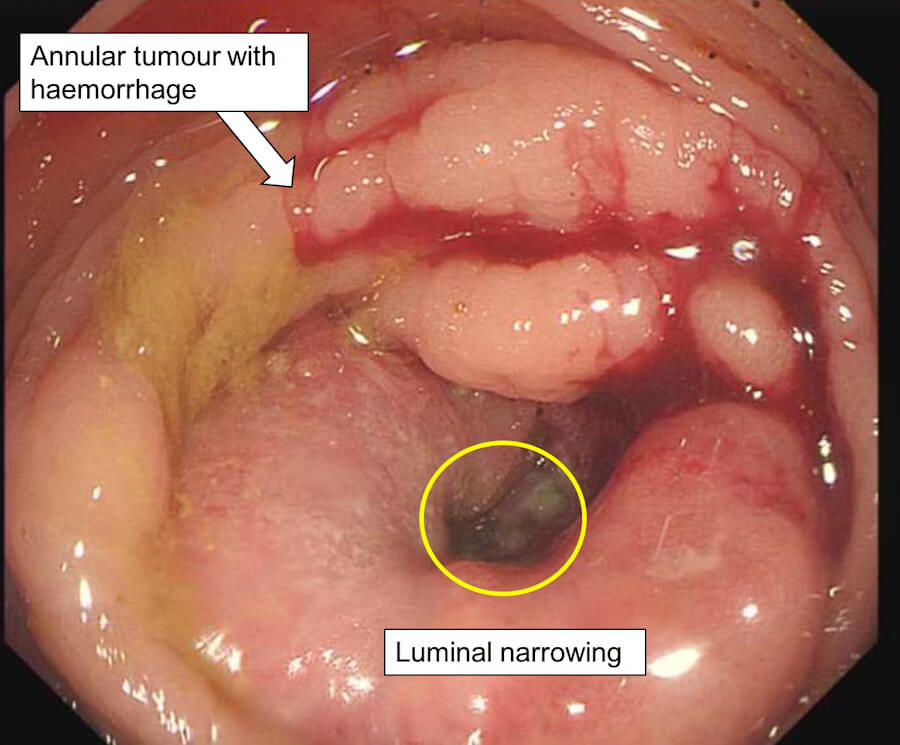
It can appear as a polypoid (mushroom-like) mass, an ulcerated lesion, or a stricture (narrowing) of the bowel.
186. What is a rigid proctoscopy?
This is a procedure that uses a short, rigid tube to examine the rectum and anal canal. It is used to evaluate rectal tumours.
187. What tumor markers besides CEA are checked for colon cancer?
CA 19-9 is another tumour marker that may be elevated in some colorectal cancers.
188. How is an apple-core lesion diagnosed on imaging?
An “apple-core” lesion is a classic appearance of a colon cancer on a barium enema or CT scan, where the tumour causes a stricture with shouldered edges.
189. How do pathologists tell adenocarcinoma apart from neuroendocrine tumors?
They examine the cells under a microscope. Adenocarcinoma cells form glands, while neuroendocrine tumour cells have a different appearance and express specific markers (like synaptophysin and chromogranin).
190. What is alk-phos elevation sign of in colon cancer?
An elevated alkaline phosphatase (ALP) level can indicate liver metastases or bile duct obstruction.
191. How is bowel obstruction from adenocarcinoma diagnosed?
It is diagnosed with imaging (X-ray, CT scan) and clinical symptoms such as abdominal pain, vomiting, and inability to pass gas or stool.
192. Can a pelvic MRI determine depth of rectal cancer invasion?
Yes. Pelvic MRI is highly accurate for assessing the depth of tumour invasion (T stage) and involvement of the mesorectal fascia.
193. What is circulating tumor DNA (ctDNA) testing?
ctDNA testing is a blood test that looks for tiny fragments of DNA shed by tumour cells. It is used to monitor for recurrence and response to treatment.
194. How is colon cancer diagnosed in emergency rooms?
It may be diagnosed when a patient presents with an acute complication such as bowel obstruction, perforation, or severe bleeding. Imaging (CT scan) and emergency surgery may be required.
195. Should family members get screened if you have adenocarcinoma?
Yes. First-degree relatives (parents, siblings, children) of someone with colorectal cancer should be screened, often starting at a younger age than the general population.
196. What is genetic counseling for colorectal cancer?
Genetic counselling involves a detailed family history and, if appropriate, genetic testing to assess the risk of hereditary cancer syndromes.
197. How does screening age change with a family history of polyps?
Screening may need to start earlier (e.g., at age 40 or 10 years before the age of the youngest affected relative) and be done more frequently.
198. Can virtual colonoscopy remove polyps?
No. Virtual colonoscopy is purely diagnostic. If a polyp is found, a standard colonoscopy is needed to remove it.
199. What does “suspicious for malignancy” mean on a biopsy report?
It means the pathologist sees features that are highly suggestive of cancer, but may not be 100% certain. Further testing or a repeat biopsy may be recommended.
200. Should I get a second opinion on my colon biopsy pathology?
It is reasonable to seek a second opinion, especially if the diagnosis is uncertain or if you want confirmation before major treatment.
🔬 Pathology, Biomarkers & Staging
201. How is colorectal adenocarcinoma staged?
Staging uses the TNM system, which evaluates the primary tumour (T), lymph node involvement (N), and distant metastasis (M). This is combined into stage groups (0-IV).
202. What is the TNM staging system for colon cancer?
T describes the depth of tumour invasion, N describes the number of involved lymph nodes, and M indicates whether the cancer has metastasised.
203. What does T1, T2, T3, and T4 mean in colon cancer staging?
T1: tumour invades the submucosa. T2: invades the muscularis propria. T3: invades through the muscularis propria into the pericolic fat. T4: invades other organs or structures.
204. What does N0, N1, and N2 mean for lymph node involvement?
N0: no cancer in lymph nodes. N1: cancer in 1-3 regional lymph nodes. N2: cancer in 4 or more regional lymph nodes.
205. What does M0 vs M1 mean in metastatic adenocarcinoma?
M0: no distant metastasis. M1: distant metastasis is present.
206. What is Stage 0 colorectal adenocarcinoma (Tis)?
Stage 0 is carcinoma in situ, where cancer is confined to the mucosa and has not invaded deeper layers.
207. What is Stage 1 colorectal adenocarcinoma?
Stage I: the tumour has invaded the submucosa (T1) or muscularis propria (T2) but has not spread to lymph nodes (N0) or distant sites (M0).
208. What is Stage 2A, 2B, and 2C colon cancer?
Stage IIA: T3, N0, M0. Stage IIB: T4a, N0, M0. Stage IIC: T4b, N0, M0.
209. What is Stage 3A, 3B, and 3C colon cancer?
Stage IIIA: T1-T2, N1, M0 or T1, N2a, M0. Stage IIIB: T3-T4a, N1, M0 or T2-T3, N2a, M0. Stage IIIC: T4a, N2a, M0 or T3-T4a, N2b, M0 or T4b, N1-N2, M0.
210. What is Stage 4A, 4B, and 4C metastatic colon cancer?
Stage IVA: M1a (metastasis to one organ). Stage IVB: M1b (metastasis to more than one organ). Stage IVC: M1c (metastasis to the peritoneal surface).
211. What is Microsatellite Instability (MSI) testing?
MSI testing examines the length of certain DNA sequences (microsatellites) in tumour tissue. It helps identify patients who may benefit from immunotherapy.
212. What does MSI-High (MSI-H) mean for colorectal adenocarcinoma?
MSI-H means the tumour has a high level of microsatellite instability, which is often due to a defect in mismatch repair. These tumours may respond well to immunotherapy.
213. What does Microsatellite Stable (MSS) colon cancer mean?
MSS means the tumour does not have microsatellite instability. It is the more common type of colorectal cancer.
214. What is Mismatch Repair (MMR) deficiency (dMMR)?
dMMR means the tumour is deficient in one or more mismatch repair proteins. It is often associated with MSI-H status.
215. What is pMMR (proficient mismatch repair)?
pMMR means the tumour has normal mismatch repair function. It is often associated with MSS status.
216. What is KRAS gene mutation in colorectal adenocarcinoma?
KRAS is a gene that, when mutated, can drive cancer growth. KRAS mutations are found in about 40-50% of colorectal cancers and predict resistance to anti-EGFR therapies.
217. Why is KRAS status important before targeted therapy?
Anti-EGFR drugs (cetuximab, panitumumab) are only effective in patients with RAS wild-type (non-mutated) tumours.
218. What is NRAS mutation testing in colon cancer?
NRAS is another gene in the RAS family. Mutations in NRAS also predict resistance to anti-EGFR therapy.
219. What is BRAF V600E mutation in colorectal cancer?
BRAF V600E is a specific mutation that occurs in about 5-10% of colorectal cancers. It is associated with a poor prognosis and is more common in right-sided tumours.
220. What prognosis does a BRAF mutation carry?
BRAF-mutated colorectal cancer tends to be more aggressive and has a worse prognosis than BRAF wild-type cancer.
221. What is HER2 amplification in colorectal adenocarcinoma?
HER2 amplification (extra copies of the HER2 gene) occurs in a small percentage of colorectal cancers and can be targeted with HER2-directed therapies.
222. What is NTRK gene fusion in colon cancer?
NTRK fusions are rare genetic alterations that can be targeted with specific drugs (like larotrectinib or entrectinib).
223. What does Tumor Mutational Burden (TMB) indicate?
TMB is a measure of the number of mutations in a tumour’s DNA. High TMB may predict a better response to immunotherapy.
224. What is histopathological grade in colon cancer?
Grade describes how abnormal the cancer cells look under a microscope. Well-differentiated (low grade) cells look more like normal cells, while poorly differentiated (high grade) cells look very abnormal and tend to grow faster.
225. What does clear surgical margins (R0 resection) mean?
R0 resection means the surgeon removed the tumour with healthy tissue margins around it, indicating no cancer cells were left behind.
226. What are positive surgical margins (R1 or R2 resection)?
R1 means cancer cells were found at the edge of the removed tissue. R2 means there is visible tumour left behind.
227. What is tumor budding in colorectal adenocarcinoma pathology?
Tumor budding refers to small clusters of cancer cells at the invasive front of the tumour. It is a sign of aggressive behaviour and a higher risk of metastasis.
228. What is dirty necrosis in colon pathology reports?
“Dirty necrosis” is a term used to describe necrotic (dead) tumour tissue mixed with inflammatory cells, often seen in colorectal adenocarcinoma.
229. What is mucinous histology and how does it affect prognosis?
Mucinous histology (more than 50% mucin) is associated with a worse prognosis, especially in advanced stages.
230. What is signet ring histology prognosis in colon cancer?
Signet ring cell histology is associated with a poor prognosis and more aggressive disease.
231. What is circumferential resection margin (CRM) in rectal cancer?
The CRM is the closest distance between the tumour and the surgical margin in a rectal cancer resection. A positive CRM (tumour at the margin) increases the risk of recurrence.
232. What is total mesorectal excision (TME) grade?
TME grade describes the quality of the surgery for rectal cancer. A complete TME (good quality) removes the entire mesorectum intact, which reduces the risk of recurrence.
233. How many lymph nodes must be removed for accurate staging?
At least 12 lymph nodes should be examined for accurate staging of colorectal cancer.
234. What is a sentinel lymph node biopsy in colon cancer?
This is a procedure where the first lymph node(s) draining the tumour are identified and removed to check for cancer spread. It is used more commonly in other cancers (like breast cancer) and is still being studied in colon cancer.
235. What is perineural invasion (PNI) on a pathology report?
PNI means cancer cells are found around nerves. It is a poor prognostic factor and increases the risk of recurrence.
236. What is vascular invasion in colorectal adenocarcinoma?
Vascular invasion means cancer cells are seen inside blood vessels. It is a risk factor for metastasis.
237. What does “infiltrating adenocarcinoma” mean?
“Infiltrating” means the cancer is growing into and through the surrounding tissues, as opposed to being confined to the surface.
238. What is PD-L1 expression in colorectal cancer?
PD-L1 is a protein that can be expressed on tumour cells and immune cells. It is a biomarker that may predict response to immunotherapy, although its role in colorectal cancer is still being defined.
239. What is DPYD gene testing before 5-FU chemotherapy?
DPYD testing checks for genetic variants that affect how the body metabolises 5-FU. Patients with certain variants are at risk of severe toxicity and may need a reduced dose.
240. What is UGT1A1 testing before irinotecan therapy?
UGT1A1 testing checks for a genetic variant that affects irinotecan metabolism. Patients with this variant are at higher risk of severe diarrhoea and low white blood cell counts.
241. Can a tumor stage change after surgery?
Yes. Clinical staging (before surgery) may be revised after surgery based on the pathological examination of the removed tissue (pathological staging).
242. What is pathological complete response (pCR)?
pCR means no viable cancer cells are found in the tissue removed during surgery after neoadjuvant therapy (chemotherapy or radiation before surgery).
243. What is clinical complete response (cCR) after neoadjuvant therapy?
cCR means there is no visible evidence of tumour on imaging or endoscopy after neoadjuvant therapy.
244. What is the difference between clinical staging and pathological staging?
Clinical staging is based on imaging and physical exam before treatment. Pathological staging is based on examination of tissue removed during surgery and is more accurate.
245. What is AJCC cancer staging manual 8th edition update for GI cancers?
The 8th edition includes updates such as the inclusion of tumour deposits (N1c) and the recognition of different prognostic groups within Stage III.
246. What are tumor deposits (N1c) in colon cancer staging?
Tumor deposits are nodules of tumour in the pericolic fat without evidence of lymph node tissue. They are classified as N1c and are associated with a worse prognosis.
247. What is extramural vascular invasion (EMVI) on MRI?
EMVI means tumour cells are seen in blood vessels outside the bowel wall on MRI. It is a poor prognostic factor in rectal cancer.
248. Does high tumor grade mean advanced stage?
Not necessarily. Grade describes how abnormal the cells look, while stage describes how far the cancer has spread. They are related but not the same.
249. What is oncotype DX for colon cancer?
Oncotype DX is a genomic test that can help predict the risk of recurrence in Stage II colon cancer and whether chemotherapy would be beneficial.
250. How do molecular subtypes (CMS1-CMS4) guide treatment?
The Colorectal Cancer Subtyping Consortium has identified four molecular subtypes (CMS1-4) based on gene expression. These subtypes have different prognoses and may respond differently to treatments, but their use in routine clinical practice is still evolving.
🔪 Surgical Treatments & Procedures
251. Is surgery required for colorectal adenocarcinoma?
Surgery is the main treatment for most cases of colorectal adenocarcinoma, especially for early-stage and locally advanced disease.
252. What is a colectomy?
A colectomy is the surgical removal of part or all of the colon.
253. What is a partial colectomy vs total colectomy?
A partial colectomy removes only the diseased part of the colon. A total colectomy removes the entire colon.
254. What is a right hemicolectomy?
A right hemicolectomy removes the right side of the colon (cecum, ascending colon, and part of the transverse colon).
255. What is a left hemicolectomy?
A left hemicolectomy removes the left side of the colon (descending colon and part of the transverse colon).
256. What is a sigmoid colectomy?
A sigmoid colectomy removes the sigmoid colon.
257. What is a low anterior resection (LAR) for rectal cancer?
LAR is surgery to remove rectal cancer while preserving the sphincter, allowing the patient to have normal bowel movements.
258. What is an abdominoperineal resection (APR)?
APR is surgery to remove the rectum and anus, resulting in a permanent colostomy.
259. What is Total Mesorectal Excision (TME)?
TME is the standard surgical technique for rectal cancer, where the rectum and its surrounding fatty tissue (mesorectum) are removed intact to minimise recurrence.
260. What is laparoscopic colon cancer surgery?
Laparoscopic surgery uses small incisions and a camera to perform the operation. It is less invasive and has a faster recovery than open surgery.
261. What is robotic-assisted colectomy?
Robotic-assisted surgery uses a robotic system to perform the operation with more precision and flexibility.
262. What is an open colectomy?
An open colectomy is performed through a single large incision in the abdomen.
263. Will I need a temporary colostomy bag after surgery?
Some patients need a temporary colostomy or ileostomy to allow the bowel to heal. It is usually reversed later.
264. Will I need a permanent ileostomy bag?
A permanent ileostomy may be needed if the rectum and anal sphincter must be removed (e.g., with APR).
265. What is the difference between a colostomy and an ileostomy?
A colostomy is an opening from the colon to the abdominal wall. An ileostomy is an opening from the small intestine (ileum).
266. How long does a temporary ostomy stay in place?
It is usually in place for a few months until the bowel has healed and the patient is ready for reversal surgery.
267. What is Transanal Endoscopic Microsurgery (TEMS)?
TEMS is a minimally invasive surgery to remove early-stage rectal tumours through the anus, without a abdominal incision.
268. What is Transanal Minimally Invasive Surgery (TAMIS)?
TAMIS is a similar technique to TEMS, using a single-port device to remove rectal lesions.
269. What is Watch and Wait strategy for rectal adenocarcinoma?
This is an approach where patients who achieve a clinical complete response (cCR) after neoadjuvant therapy are closely monitored instead of undergoing surgery.
270. How long is hospital stay after colon resection?
Hospital stay is typically 3-7 days, depending on the type of surgery and the patient’s recovery.
271. What is the recovery time for colon cancer surgery?
Full recovery can take 4-6 weeks.
272. What are common risks of colon cancer surgery?
Risks include bleeding, infection, anastomotic leak, bowel obstruction, and blood clots.
273. What is an anastomotic leak after colectomy?
An anastomotic leak is a complication where the reconnected bowel leaks at the join. It requires emergency treatment.
274. What are symptoms of an anastomotic leak?
Symptoms include severe abdominal pain, fever, nausea, and a rapid heart rate.
275. What is postoperative ileus?
Ileus is a temporary paralysis of the bowel after surgery, causing nausea, vomiting, and bloating. It usually resolves with time.
276. How is bowel continuity restored (reconnection)?
The two ends of the bowel are joined together (anastomosis) during surgery.
277. What is Low Anterior Resection Syndrome (LARS)?
LARS is a collection of symptoms (diarrhoea, urgency, frequency, incontinence) that can occur after LAR for rectal cancer.
278. How do surgeons prevent nerve damage during rectal surgery?
Surgeons use careful dissection techniques to identify and preserve the pelvic autonomic nerves that control bladder and sexual function.
279. Does rectal cancer surgery cause sexual dysfunction?
It can, especially if the nerves controlling sexual function are damaged during surgery.
280. Does colon surgery cause bladder incontinence?
It is uncommon, but it can occur if the nerves controlling bladder function are damaged.
281. What is cytoreductive surgery (CRS) and HIPEC?
CRS is surgery to remove all visible tumour from the abdominal cavity, followed by HIPEC (heated intraperitoneal chemotherapy) to kill remaining cancer cells. It is used for peritoneal carcinomatosis.
282. What is a liver resection (hepatectomy) for metastatic colon cancer?
Liver resection is surgery to remove liver metastases. It can be curative in selected patients with limited liver involvement.
283. Can lung metastases from colon cancer be surgically removed?
Yes. Lung metastases can be removed (lung resection) in selected patients, and this can improve survival.
284. What is radiofrequency ablation (RFA) for colon cancer liver lesions?
RFA uses heat to destroy liver tumours. It is an option for patients who are not candidates for surgery.
285. What is microwave ablation for colorectal metastases?
Microwave ablation is similar to RFA but uses microwaves to heat and destroy tumours.
286. What is colon stenting for acute malignant obstruction?
A stent is a small tube placed in the colon to open a blockage caused by a tumour. It can be used as a temporary measure before surgery or as a palliative treatment.
287. When is emergency surgery required for colon adenocarcinoma?
Emergency surgery is needed for complications such as bowel obstruction, perforation, or severe bleeding.
288. How are lymph nodes removed during colectomy?
Surgeons remove the lymph nodes that drain the section of the colon containing the tumour. These are then examined by a pathologist.
289. What diet should you follow immediately after colon surgery?
Initially, a clear liquid diet is followed by a soft diet, gradually advancing to solid food as tolerated.
290. How long after colon surgery can you eat solid food?
Most patients can eat solid food within a few days to a week after surgery.
291. How do you care for an abdominal surgical incision?
Keep the incision clean and dry, follow your surgeon’s instructions for dressing changes, and watch for signs of infection.
292. When can you drive after colectomy?
You should not drive while taking opioid pain medications. Most patients can resume driving after 1-2 weeks, but check with your surgeon.
293. When can you lift heavy objects after abdominal surgery?
Avoid lifting anything heavier than 10 pounds for about 4-6 weeks.
294. What pain management options are used after colectomy?
Pain is managed with a combination of opioids, NSAIDs, and other medications. An epidural or nerve block may also be used.
295. What is ERAS (Enhanced Recovery After Surgery) protocol?
ERAS is a set of evidence-based guidelines designed to speed up recovery after surgery, including early mobilisation, early feeding, and optimised pain control.
296. Can surgical clips left inside the body cause issues?
Surgical clips are generally safe and do not cause problems. They may be visible on X-rays or CT scans.
297. How is phantom rectum pain treated after APR surgery?
Phantom rectum pain is a sensation that the rectum is still present after it has been removed. It can be treated with medications used for nerve pain.
298. What is a Hartmann’s procedure?
Hartmann’s procedure is a surgery where the diseased part of the colon is removed, and a colostomy is created. The rectal stump is closed and left in place.
299. What is strictureplasty vs bowel resection?
Strictureplasty is a procedure to widen a narrowed section of bowel without removing it. Bowel resection removes the narrowed section.
300. How do you prevent hernia formation after colon surgery?
Avoid heavy lifting, maintain a healthy weight, and support the incision when coughing or sneezing.
💉 Chemotherapy, Radiation & Systemic Therapies
301. Does everyone with colorectal adenocarcinoma need chemotherapy?
No. Chemotherapy is recommended based on the stage of the cancer and other risk factors. It is typically used for Stage III and high-risk Stage II, and for metastatic disease.
302. What is adjuvant chemotherapy for colon cancer?
Adjuvant chemotherapy is given after surgery to kill any remaining cancer cells and reduce the risk of recurrence.
303. What is neoadjuvant therapy for rectal adenocarcinoma?
Neoadjuvant therapy is given before surgery (usually chemotherapy and radiation) to shrink the tumour and make it easier to remove.
304. What is FOLFOX chemotherapy regimen?
FOLFOX is a combination of 5-fluorouracil (5-FU), leucovorin, and oxaliplatin.
305. What is CAPOX (XELOX) chemotherapy regimen?
CAPOX is a combination of capecitabine (an oral 5-FU prodrug) and oxaliplatin.
306. What is FOLFIRI chemotherapy regimen?
FOLFIRI is a combination of 5-FU, leucovorin, and irinotecan.
307. What is FOLFOXIRI (FOLFIRINOX) regimen?
FOLFOXIRI is a combination of 5-FU, leucovorin, oxaliplatin, and irinotecan. It is a more intensive regimen used for metastatic disease.
308. What is 5-Fluorouracil (5-FU) and how is it given?
5-FU is a chemotherapy drug that is given intravenously. It is a backbone of colorectal cancer treatment.
309. What is Capecitabine (Xeloda)?
Capecitabine is an oral chemotherapy drug that is converted to 5-FU in the body.
310. What is Oxaliplatin and what are its side effects?
Oxaliplatin is a platinum-based chemotherapy drug. Its side effects include nerve damage (neuropathy), cold sensitivity, and nausea.
311. What is Irinotecan and what side effects does it cause?
Irinotecan is a chemotherapy drug that can cause severe diarrhoea and low white blood cell counts.
312. What is targeted therapy for colorectal adenocarcinoma?
Targeted therapy uses drugs that specifically attack cancer cells while causing less harm to normal cells. Examples include anti-EGFR and anti-VEGF drugs.
313. How does Bevacizumab (Avastin) work for colon cancer?
Bevacizumab is an anti-VEGF drug that blocks the growth of new blood vessels that tumours need to grow.
314. What are anti-VEGF targeted therapies?
Anti-VEGF therapies (like bevacizumab) block vascular endothelial growth factor, which tumours use to create new blood vessels.
315. How does Cetuximab (Erbitux) work in RAS wild-type colon cancer?
Cetuximab is an anti-EGFR drug that blocks the epidermal growth factor receptor, which can slow tumour growth. It is only effective in tumours with wild-type RAS genes.
316. How does Panitumumab (Vectibix) work?
Panitumumab is another anti-EGFR drug, similar to cetuximab, and is also used for RAS wild-type colorectal cancer.
317. Why don’t anti-EGFR drugs work on KRAS mutated colon cancer?
KRAS mutations activate the EGFR signaling pathway downstream, so blocking EGFR has no effect on tumour growth.
318. What immunotherapy drugs are approved for MSI-H colon cancer?
Pembrolizumab, nivolumab, and ipilimumab are approved for MSI-H/dMMR colorectal cancer.
319. How does Pembrolizumab (Keytruda) work for colorectal cancer?
Pembrolizumab is an immune checkpoint inhibitor that blocks the PD-1 receptor, helping the immune system attack cancer cells. It is highly effective in MSI-H tumours.
320. How does Nivolumab (Opdivo) plus Ipilimumab (Yervoy) work?
This combination of two immune checkpoint inhibitors (anti-PD-1 and anti-CTLA-4) is used for MSI-H colorectal cancer.
321. What is Regorafenib (Stivarga)?
Regorafenib is an oral targeted therapy used for metastatic colorectal cancer that has progressed after other treatments.
322. What is Trifluridine/Tipiracil (Lonsurf)?
Lonsurf is an oral chemotherapy drug used for metastatic colorectal cancer.
323. What is Fruquintinib (Fruzaqla)?
Fruquintinib is a targeted therapy that inhibits VEGF receptors. It is used for metastatic colorectal cancer.
324. How is radiation therapy used for rectal adenocarcinoma?
Radiation therapy is used before surgery (neoadjuvant) to shrink rectal tumours and reduce the risk of recurrence.
325. Why is radiation rarely used for colon cancer?
The colon is more mobile and closer to other organs, making it harder to target with radiation without damaging nearby tissues.
326. What is short-course radiation therapy for rectal cancer?
Short-course radiation is given in a smaller number of larger doses (e.g., 5 days) before surgery.
327. What is long-course chemoradiation therapy?
Long-course chemoradiation combines radiation therapy with chemotherapy over several weeks.
328. What is Stereotactic Body Radiation Therapy (SBRT)?
SBRT is a highly precise form of radiation therapy that delivers high doses to small tumours, often used for metastatic disease.
329. What is Selective Internal Radiation Therapy (SIRT) / Y-90 for liver metastases?
SIRT is a procedure where radioactive microspheres are injected into the liver’s blood supply to deliver radiation directly to tumours.
330. How is a chemo port (Port-a-Cath) inserted and used?
A chemo port is a small device implanted under the skin, usually in the chest, that connects to a vein. It allows easy access for chemotherapy and blood draws.
331. How long does chemotherapy last for Stage 3 colon cancer?
Adjuvant chemotherapy for Stage III colon cancer is typically given for 3-6 months, depending on the regimen and the patient’s risk factors.
332. Is 3 months of CAPOX as effective as 6 months of FOLFOX?
For some patients with low-risk Stage III colon cancer, 3 months of CAPOX may be as effective as 6 months of FOLFOX, with fewer side effects.
333. Does colon cancer chemotherapy cause hair loss?
Hair loss is not common with the chemotherapy drugs typically used for colorectal cancer (5-FU, oxaliplatin, irinotecan), although it can occur with some regimens.
334. How do you manage oxaliplatin-induced cold sensitivity?
Avoid cold drinks and foods, and protect your hands and feet from cold temperatures. This side effect usually improves after treatment ends.
335. How do you manage peripheral neuropathy from chemo?
Peripheral neuropathy (numbness/tingling in hands and feet) is a common side effect of oxaliplatin. It may improve after treatment stops, but can sometimes be permanent.
336. How do you treat chemotherapy-induced diarrhea?
Diarrhoea can be managed with anti-diarrhoeal medications (like loperamide), dietary changes, and hydration.
337. How do you prevent hand-foot syndrome from Capecitabine?
Hand-foot syndrome (redness, swelling, and pain on the palms and soles) can be prevented by moisturising, avoiding tight footwear, and keeping hands and feet cool.
338. What is chemo brain and how long does it last?
“Chemo brain” refers to cognitive changes (like memory problems and difficulty concentrating) that can occur during and after chemotherapy. It usually improves over time.
339. How do you manage severe fatigue during chemotherapy?
Fatigue can be managed with rest, gentle exercise, a healthy diet, and by prioritising activities.
340. What signs of infection require ER visit during chemotherapy?
A fever of 100.4°F (38°C) or higher, chills, sore throat, or other signs of infection require immediate medical attention.
341. What is neutropenia and how is it treated (Neulasta/Neupogen)?
Neutropenia is a low white blood cell count, which increases the risk of infection. It can be treated with growth factor injections (like filgrastim or pegfilgrastim).
342. Can you work while receiving chemotherapy for colon cancer?
Many patients can continue to work during chemotherapy, although they may need to adjust their schedule or work part-time.
343. Does radiation therapy for rectal cancer cause bowel urgency?
Yes. Radiation to the pelvis can cause inflammation of the rectum (radiation proctitis), leading to urgency, diarrhoea, and bleeding.
344. Can radiation therapy cause radiation proctitis?
Yes. Radiation proctitis is inflammation of the rectum caused by radiation therapy. It can cause rectal bleeding, pain, and urgency.
345. How does radiation affect fertility in men and women?
Radiation to the pelvis can affect fertility in both men (by damaging sperm production) and women (by damaging the ovaries). Fertility preservation options should be discussed before treatment.
346. What is total neoadjuvant therapy (TNT) for rectal cancer?
TNT is an approach where all chemotherapy and radiation are given before surgery, rather than splitting it before and after.
347. How do BRAF inhibitors (Encorafenib) work with Cetuximab?
The combination of a BRAF inhibitor (encorafenib) and an anti-EGFR antibody (cetuximab) is used to treat BRAF V600E-mutated metastatic colorectal cancer.
348. What are HER2-targeted therapies (Trastuzumab + Lapatinib/Tucatinib) for colon cancer?
These drugs target HER2-positive colorectal cancers and can be effective in a subset of patients.
349. Can immunotherapy cure Stage 4 MSI-High colorectal cancer?
Immunotherapy can lead to long-lasting remissions in some patients with MSI-H metastatic colorectal cancer, but it is not a guaranteed cure. Some patients may achieve complete responses.
350. What clinical trials are available for advanced colorectal adenocarcinoma?
Numerous clinical trials are testing new drugs, combinations, and treatment strategies. Patients should discuss clinical trial options with their oncologist.
📈 Prognosis, Staging & Survival Rates
351. Is colorectal adenocarcinoma curable?
Yes, colorectal adenocarcinoma is highly curable when detected at an early stage. Five-year survival for Stage I disease exceeds 90%.
352. What is the overall 5-year survival rate for colorectal adenocarcinoma?
Overall 5-year survival varies by stage, but for all stages combined, it is approximately 65%.
353. What is the survival rate for Stage 1 colon adenocarcinoma?
The 5-year survival rate for Stage I colon cancer is over 90%.
354. What is the survival rate for Stage 2 colon adenocarcinoma?
The 5-year survival rate for Stage II colon cancer is approximately 60-89%, depending on substage and risk factors.
355. What is the survival rate for Stage 3 colon adenocarcinoma?
The 5-year survival rate for Stage III colon cancer is approximately 53-71%, depending on substage.
356. What is the 5-year survival rate for Stage 4 metastatic colon cancer?
The 5-year survival rate for Stage IV colorectal cancer is generally less than 15%.
357. What is the survival rate for localized vs regional vs distant rectal cancer?
Localized (confined to the rectum): ~90%. Regional (spread to lymph nodes): ~70%. Distant (metastatic): ~15%.
358. Can Stage 4 colorectal adenocarcinoma go into remission?
Yes, some patients with Stage IV disease can achieve remission, especially if they have limited metastatic disease that can be surgically removed or if they respond well to systemic therapy.
359. What factors affect colorectal adenocarcinoma prognosis?
Stage at diagnosis is the most important factor. Other factors include tumour grade, histological subtype, lymphovascular invasion, perineural invasion, and molecular features (MSI, KRAS, BRAF).
360. Does age at diagnosis affect colon cancer survival rates?
Older age is generally associated with a worse prognosis, partly due to comorbidities and less aggressive treatment.
361. Is right-sided colon cancer prognosis worse than left-sided?
Some studies suggest that right-sided colon cancer has a worse prognosis, but the evidence is mixed.
362. What is the prognosis for mucinous adenocarcinoma of the colon?
Mucinous adenocarcinoma is associated with a worse prognosis than conventional adenocarcinoma, especially in advanced stages.
363. What is the prognosis for signet ring cell adenocarcinoma?
Signet ring cell carcinoma has a poor prognosis and is associated with more aggressive disease.
364. How does lymph node involvement change survival outlook?
Lymph node involvement (Stage III) significantly reduces survival compared with node-negative disease. The more nodes involved, the worse the prognosis.
365. What is the survival rate if colon cancer spreads to the liver?
Without treatment, survival is poor. With liver resection, 5-year survival can be 30-50% in selected patients.
366. What is the life expectancy for isolated liver metastases treated with surgery?
The 5-year survival rate after liver resection for isolated colorectal liver metastases is approximately 40-50%.
367. What is the prognosis for colon cancer with peritoneal carcinomatosis?
Peritoneal carcinomatosis is associated with a poor prognosis, with median survival often less than 12 months without treatment. Cytoreductive surgery and HIPEC can improve outcomes in selected patients.
368. What is the 5-year survival rate for young adults with colorectal adenocarcinoma?
Young adults with colorectal cancer tend to present at more advanced stages, which can lead to worse outcomes. However, when matched for stage, survival may be similar to older adults.
369. How does CEA level before surgery correlate with prognosis?
An elevated pre-operative CEA level is associated with a worse prognosis.
370. Does KRAS mutation lower overall survival?
KRAS mutations are associated with a worse prognosis in some studies, but the evidence is not entirely consistent.
371. What is the prognosis for BRAF-mutated colorectal cancer?
BRAF-mutated colorectal cancer has a poor prognosis, with a more aggressive clinical course.
372. Does MSI-High status carry a better prognosis?
Yes. MSI-H tumours generally have a better prognosis than MSS tumours, especially in early-stage disease.
373. What is the recurrence rate for colorectal adenocarcinoma?
Recurrence rates vary by stage. For Stage III colon cancer, the recurrence rate can be 20-30% even after surgery and adjuvant chemotherapy.
374. When is colorectal adenocarcinoma most likely to recur?
Most recurrences occur within the first 2-3 years after treatment.
375. What is disease-free survival (DFS) vs overall survival (OS)?
DFS is the time after treatment during which no cancer is found. OS is the time from diagnosis or treatment until death from any cause.
376. What does “no evidence of disease” (NED) mean?
NED means there is no detectable cancer remaining after treatment.
377. Can colon cancer return after 5 years of being cancer-free?
Yes, late recurrences can occur, but they are less common after 5 years.
378. Where is colorectal adenocarcinoma most likely to metastasize first?
The liver is the most common site of metastasis, followed by the lungs.
379. Can colon cancer spread to bones?
Yes, bone metastases can occur, although they are less common than liver and lung metastases.
380. Can rectal adenocarcinoma spread to the brain?
Brain metastases are rare in colorectal cancer but can occur.
381. What is the survival rate for solitary lung metastasis resection?
The 5-year survival rate after resection of solitary lung metastasis from colorectal cancer is approximately 30-40%.
382. What does a rising CEA level during surveillance mean?
A rising CEA level can indicate cancer recurrence or progression.
383. How do tumor deposits impact Stage 3 survival?
Tumor deposits (N1c) are associated with a worse prognosis in Stage III colon cancer.
384. What is the prognosis for elderly patients with colon cancer?
Elderly patients may have a worse prognosis due to comorbidities and less aggressive treatment, but fit elderly patients can tolerate standard treatments.
385. Does gender impact colorectal adenocarcinoma survival?
Men have a slightly higher risk of developing colorectal cancer and a slightly worse prognosis compared with women.
386. Does physical activity during recovery improve survival rates?
Yes. Regular physical activity after a colorectal cancer diagnosis is associated with improved survival and a lower risk of recurrence.
387. Can lifestyle changes prevent colon cancer recurrence?
Adopting a healthy lifestyle (diet, exercise, limiting alcohol) may reduce the risk of recurrence and improve overall health.
388. What is median overall survival in metastatic colorectal cancer today?
With modern systemic therapy, median overall survival for metastatic colorectal cancer is approximately 2-3 years (24-36 months).
389. How has immunotherapy changed prognosis for MSI-H patients?
Immunotherapy has dramatically improved outcomes for patients with MSI-H metastatic colorectal cancer, with some achieving long-lasting remissions.
390. Is rectal cancer harder to cure than colon cancer?
Rectal cancer can be more challenging to treat due to its location in the pelvis and the importance of preserving sphincter function, but cure rates are similar when matched for stage.
391. What is oligometastatic colorectal cancer and its cure rate?
Oligometastatic cancer means there are only a few metastases (usually 1-3) in one or two organs. In selected patients, surgical resection or ablation of these metastases can be curative, with 5-year survival rates of 30-50%.
392. How does complete pathological response (pCR) affect long-term survival?
Achieving a pCR after neoadjuvant therapy is associated with excellent long-term survival.
393. What is the survival rate for colon cancer with bowel perforation?
Bowel perforation is a surgical emergency and is associated with a worse prognosis, especially if it occurs in the setting of advanced cancer.
394. What is life expectancy for untreated Stage 4 colorectal adenocarcinoma?
Without treatment, the median survival for metastatic colorectal cancer is approximately 6-7 months.
395. Can a person live a normal lifespan after colon cancer treatment?
Yes, many people who are diagnosed with early-stage colorectal cancer and treated successfully can live a normal lifespan.
396. What is the survival rate of emergency colon cancer resections?
Emergency surgery for colon cancer is associated with higher morbidity and mortality compared with elective surgery.
397. How does surgical volume of hospital impact survival outcomes?
Hospitals that perform a high volume of colorectal cancer surgeries tend to have better outcomes.
398. What is the prognosis for recurrent colorectal cancer?
The prognosis for recurrent colorectal cancer depends on the site and extent of recurrence, but it is generally less favourable than for primary disease.
399. Does positive margin status (R1) cut survival in half?
A positive margin (R1) is associated with a significantly increased risk of recurrence and worse survival, but it does not necessarily cut survival in half.
400. How do clinical trials alter survival expectations in advanced stages?
Clinical trials can offer access to new treatments that may improve survival beyond current standards of care.
🕊️ Metastasis, Advanced Disease & Palliative Care
401. What does metastatic colorectal adenocarcinoma mean?
It means the cancer has spread from the colon or rectum to other parts of the body, such as the liver, lungs, or peritoneum.
402. How does colon cancer spread to other organs?
It spreads through the bloodstream or lymphatic system.
403. Why does colon cancer metastasize to the liver first?
The blood from the colon drains directly into the portal vein, which leads to the liver. This makes the liver the first site where cancer cells are likely to lodge and grow.
404. What are symptoms of liver metastases from colon cancer?
Jaundice, right upper quadrant pain, fatigue, weight loss, and an enlarged liver.
405. How are colorectal liver metastases treated?
Treatment options include surgery (liver resection), ablation (RFA, microwave), chemotherapy, targeted therapy, and hepatic artery infusion (HAI).
406. What is conversion therapy in metastatic colon cancer?
Conversion therapy is systemic treatment given to shrink initially unresectable liver metastases to make them resectable.
407. Can non-resectable liver metastases become resectable?
Yes. With effective systemic therapy, some initially unresectable liver metastases can shrink enough to become resectable.
408. What are symptoms of lung metastases from rectal adenocarcinoma?
Cough, shortness of breath, chest pain, and coughing up blood.
409. How are lung metastases managed in colorectal cancer?
They can be treated with surgery (lung resection), ablation, radiation therapy, or systemic therapy.
410. What is peritoneal seeding in colorectal adenocarcinoma?
Peritoneal seeding is the spread of cancer cells throughout the peritoneal cavity, leading to multiple tumour deposits on the lining of the abdomen.
411. How is peritoneal carcinomatosis treated?
Treatment may include cytoreductive surgery (CRS) and HIPEC, systemic chemotherapy, or palliative care.
412. What is Krukenberg tumor (metastasis to ovaries from colon cancer)?
A Krukenberg tumor is a metastatic tumour in the ovary, often from a gastrointestinal primary like colon cancer.
413. Can colorectal adenocarcinoma spread to the adrenal glands?
Yes, adrenal metastases can occur, although they are less common.
414. What are signs of brain metastasis from colon cancer?
Headaches, seizures, neurological deficits, and changes in mental status.
415. How is malignant bowel obstruction managed in Stage 4 cancer?
It can be managed with surgery (bypass or stoma), stenting, or medications (like octreotide) to reduce bowel secretions.
416. What is a palliative colostomy or bypass surgery?
These are surgical procedures to relieve a bowel obstruction when the cancer cannot be removed.
417. What is palliative systemic chemotherapy?
Palliative chemotherapy is given to control cancer growth, relieve symptoms, and prolong survival, but it is not intended to cure the cancer.
418. What is the goal of palliative care in advanced colon cancer?
The goal is to improve quality of life by relieving symptoms, managing pain, and providing psychological and spiritual support.
419. How does palliative care differ from hospice care?
Palliative care can be provided at any stage of illness, alongside curative treatment. Hospice care is end-of-life care for patients who are no longer receiving curative treatment.
420. How is severe cancer-related abdominal pain managed?
It is managed with a stepwise approach using analgesics, starting with non-opioids and progressing to strong opioids like morphine.
421. What medication helps with intractable nausea in terminal colon cancer?
Medications like metoclopramide, ondansetron, and haloperidol can help with nausea.
422. How is ascites drained (paracentesis) in metastatic patients?
A needle is inserted into the abdomen to drain the fluid. This can provide relief from symptoms like bloating and shortness of breath.
423. How do doctors manage malignant jaundice from biliary obstruction?
Jaundice can be managed by placing a stent in the bile duct to relieve the obstruction, or by bypass surgery.
424. What is hepatic artery infusion (HAI) pump therapy?
HAI is a technique where chemotherapy is delivered directly into the liver through the hepatic artery. It is used for liver-only metastases.
425. What is transarterial chemoembolization (TACE) for colon cancer liver metastases?
TACE is a procedure where chemotherapy is injected directly into the liver tumour and then the blood supply to the tumour is blocked.
426. Can liver transplantation be done for metastatic colorectal cancer?
Liver transplantation is not a standard treatment for metastatic colorectal cancer due to the high risk of recurrence, but it is being studied in highly selected patients.
427. What is cachexia and how is weight loss managed in end-stage cancer?
Cachexia is a severe form of weight loss and muscle wasting caused by cancer. It can be managed with nutritional support and medications like appetite stimulants.
428. How is severe anemia managed in bleeding metastatic colon tumors?
It can be managed with blood transfusions and iron supplementation.
429. What palliative procedures relieve rectal tenesmus and bleeding?
Radiation therapy, laser therapy, or stenting can help relieve tenesmus and bleeding from a rectal tumour.
430. How do bone-targeting agents (Xgeva, Zometa) help with bone metastases?
These drugs (denosumab and zoledronic acid) help strengthen bones and reduce the risk of fractures and pain from bone metastases.
431. What are signs that colon cancer treatment is no longer working?
Signs include worsening symptoms, new symptoms, rising CEA levels, and progression of cancer on imaging.
432. How do you decide when to stop chemotherapy for Stage 4 colon cancer?
The decision is based on a combination of factors, including disease progression, treatment side effects, and the patient’s goals and preferences.
433. What are signs of end-stage colorectal adenocarcinoma?
Signs include severe weakness, loss of appetite, difficulty swallowing, confusion, and withdrawal from surroundings.
434. What happens during hospice care for terminal colon cancer?
Hospice care focuses on comfort and quality of life, managing pain and other symptoms, and providing emotional and spiritual support to the patient and family.
435. How long does the active dying process take in terminal GI cancer?
The dying process can vary, but it often occurs over days to weeks.
436. How can family caregivers manage bowel care for bedridden patients?
They can help with regular repositioning, hygiene, and using incontinence products.
437. What is palliative radiation therapy for bleeding colon tumors?
Radiation therapy can be used to shrink a bleeding tumour and stop the bleeding.
438. Can targeted therapy control metastatic growth for years?
Yes, in some patients, targeted therapy can control metastatic colorectal cancer for months or even years.
439. What is rechallenge chemotherapy in advanced colorectal cancer?
Rechallenge chemotherapy involves using a drug again that was previously effective but was stopped, often after a break.
440. How is malignant pleural effusion treated in stage 4 adenocarcinoma?
It can be treated by draining the fluid (thoracentesis) or by pleurodesis (a procedure to seal the space around the lungs).
441. What is pressable intraperitoneal aerosol chemotherapy (PIPAC)?
PIPAC is a technique for delivering chemotherapy directly into the abdominal cavity as an aerosol. It is used for peritoneal carcinomatosis.
442. How are spinal cord compressions managed in metastatic rectal cancer?
Spinal cord compression is a medical emergency. It is treated with steroids and radiation therapy or surgery to relieve pressure on the spinal cord.
443. How do doctors manage severe fatigue in terminal colon cancer?
Fatigue can be managed with rest, energy conservation, and treatment of underlying causes like anaemia or pain.
444. What emotional support resources exist for metastatic colon cancer patients?
Support groups, counselling, and organisations like the Colorectal Cancer Alliance can provide emotional support.
445. Can an ostomy improve quality of life in advanced metastatic disease?
Yes. An ostomy can relieve symptoms of bowel obstruction and improve quality of life in some patients.
446. How is hydration managed near the end of life in bowel cancer?
Hydration can be managed with small sips of water, ice chips, and mouth care. Intravenous fluids may be used if they provide comfort.
447. What is total parenteral nutrition (TPN) in complete bowel obstruction?
TPN provides nutrition intravenously when the bowel cannot absorb food. It is used in some patients with complete bowel obstruction.
448. Are there experimental treatments for MSS terminal colon cancer?
Yes. Clinical trials are testing new immunotherapies and combinations for MSS colorectal cancer.
449. How do you prepare advance directives and POLST for colon cancer?
Advance directives and POLST (Physician Orders for Life-Sustaining Treatment) are legal documents that outline a patient’s wishes for end-of-life care. They should be discussed with family and healthcare providers.
450. Where can patients find metastatic colorectal cancer support groups?
Support groups can be found through hospitals, cancer organisations (like the Colorectal Cancer Alliance), and online communities.
🌱 Living With, Recovery, Diet & Life After
451. What is the surveillance schedule after colorectal adenocarcinoma treatment?
Surveillance typically involves regular CEA blood tests, CT scans, and colonoscopies. The schedule depends on the stage of the cancer.
452. How often do I need CEA blood tests after surgery?
CEA levels are usually checked every 3-6 months for the first 3 years, then every 6 months for up to 5 years.
453. How often do I need CT scans after colon cancer treatment?
CT scans of the chest, abdomen, and pelvis are usually done every 6-12 months for the first 3-5 years.
454. When is the first post-operative surveillance colonoscopy scheduled?
The first colonoscopy is usually scheduled 1 year after surgery. If it is normal, the next one may be in 3 years, then every 5 years.
455. What foods should I eat after colon cancer surgery?
Start with a low-fibre diet and gradually introduce fruits, vegetables, and whole grains as tolerated. A balanced diet rich in nutrients is important for recovery.
456. What foods should I avoid with a colostomy or ileostomy?
Foods that can cause blockages (like popcorn, nuts, raw vegetables) or excess gas (like beans, cabbage, carbonated drinks) may need to be avoided or eaten with caution.
457. How do I manage chronic diarrhea after colectomy?
Anti-diarrhoeal medications, dietary changes (like eating smaller, more frequent meals), and staying hydrated can help.
458. How do I manage bowel frequency after low anterior resection (LAR)?
LARS symptoms can be managed with dietary changes, pelvic floor exercises, and medications like loperamide.
459. What supplements help with gut healing after colon surgery?
Your doctor may recommend a multivitamin, vitamin D, and calcium. Vitamin B12 may be needed if the terminal ileum was removed.
460. Is it safe to take fiber supplements (Psyllium) after bowel resection?
Yes, fibre supplements can help regulate bowel movements, but they should be introduced gradually and with plenty of water.
461. How much water should I drink daily after colectomy or ostomy?
You may need to drink more water than usual, especially if you have an ileostomy, to prevent dehydration.
462. How do I empty and change an ostomy bag pouching system?
Ostomy bags should be emptied when they are about one-third to one-half full. The pouching system is typically changed every 2-4 days.
463. How do I prevent skin breakdown around an ostomy stoma?
Keep the skin clean and dry, use properly fitting ostomy products, and protect the skin with barrier creams or powders.
464. Can you swim, shower, and exercise with an ostomy bag?
Yes. Ostomy bags are waterproof, and you can swim, shower, and exercise with them. Empty the bag before swimming.
465. How do you conceal an ostomy bag under regular clothes?
Wear loose-fitting clothing, choose high-waisted pants, or use ostomy belts and wraps.
466. What foods cause gas or odor with an ostomy bag?
Foods like beans, cabbage, onions, and carbonated drinks can cause gas. Foods like fish, eggs, and asparagus can cause odour.
467. How do you deal with ostomy blockages at home?
Stop eating solid food, drink warm fluids, and massage the area around the stoma. If the blockage does not resolve, seek medical attention.
468. How long does peripheral neuropathy last after stopping oxaliplatin?
Neuropathy may improve over months after stopping oxaliplatin, but it can sometimes be permanent.
469. Can physical exercise lower the risk of colon cancer recurrence?
Yes. Regular physical activity is associated with a lower risk of recurrence and improved survival.
470. What exercises are safe to perform after abdominal surgery?
Start with gentle walking and gradually increase activity. Avoid heavy lifting and strenuous exercise for 4-6 weeks.
471. How do you rebuild abdominal core strength post-colectomy?
Start with gentle core exercises like pelvic tilts and gradually progress to more challenging exercises. Consider working with a physical therapist.
472. How do you prevent a parastomal hernia near an ostomy site?
Maintain a healthy weight, avoid heavy lifting, and use proper lifting techniques. Support garments may also help.
473. When can I return to work after colon cancer treatment?
This depends on the type of work and the individual’s recovery. Many people can return to work within 4-8 weeks after surgery, but chemotherapy may require a longer break.
474. How does colon cancer treatment affect mental health and anxiety?
Depression and anxiety are common after a cancer diagnosis and treatment. Counselling, support groups, and medication can help.
475. How do you manage fear of cancer recurrence (scanxiety)?
Talk to your healthcare team, practice relaxation techniques, and connect with other survivors. Scanxiety is a normal feeling.
476. Does colorectal adenocarcinoma treatment cause early menopause?
Yes. Radiation therapy to the pelvis and some chemotherapy drugs can cause premature ovarian failure and early menopause.
477. Can men father children after rectal cancer radiation and surgery?
Radiation and surgery can affect fertility in men. Sperm banking should be considered before treatment.
478. How do you manage sexual dysfunction after rectal cancer surgery?
Sexual dysfunction is common after rectal cancer surgery. Treatments include medications, counselling, and devices.
479. What is pelvic floor physical therapy after LAR surgery?
Pelvic floor physical therapy can help strengthen the muscles that control bowel and bladder function, improving symptoms of LARS.
480. Can I drink alcohol after completing colon cancer treatment?
It is best to limit or avoid alcohol. If you choose to drink, do so in moderation.
481. Should I follow a low-microbial or neutropenic diet during treatment?
A neutropenic diet (avoiding raw meats, unpasteurised dairy, and unwashed fruits/vegetables) may be recommended during chemotherapy to reduce the risk of infection.
482. What vitamins or minerals should be monitored after right colectomy?
Vitamin B12, iron, and calcium levels should be monitored, as the terminal ileum (where B12 is absorbed) may be removed.
483. Why is Vitamin B12 deficiency common after bowel resections?
Vitamin B12 is absorbed in the terminal ileum. If this part of the bowel is removed, B12 deficiency can occur.
484. How do you manage short bowel syndrome after massive resection?
Short bowel syndrome requires specialised nutritional support, including a special diet, supplements, and sometimes parenteral nutrition.
485. Are probiotics safe to take after colon cancer treatment?
Probiotics are generally safe, but it is best to talk to your doctor before starting them, especially if you are immunocompromised.
486. How do you travel by air with ostomy supplies?
Pack ostomy supplies in your carry-on luggage and bring more than you think you will need. Empty your bag before the flight.
487. Can you get disability benefits for colorectal adenocarcinoma diagnosis?
You may be eligible for disability benefits if your cancer or its treatment prevents you from working. Consult a social worker or disability attorney.
488. Where can I find financial assistance for colon cancer medications?
Patient assistance programs, non-profit organisations, and pharmaceutical companies may offer financial assistance.
489. What grants help pay for ostomy supplies?
Some non-profit organisations and ostomy supply companies offer grants or financial assistance for ostomy supplies.
490. How do I explain my colon cancer diagnosis to my children?
Use age-appropriate language, be honest, and reassure them that they are loved and safe. Support from a child life specialist or counsellor can help.
491. How do caregivers avoid burnout during colon cancer treatment?
Caregivers should prioritise self-care, ask for help, and join support groups.
492. What life insurance options exist for colon cancer survivors?
Life insurance options may be limited after a cancer diagnosis, but some companies offer policies for survivors after a waiting period.
493. Can I get health insurance coverage after a colon cancer diagnosis?
Health insurance coverage depends on the country and the specific policy. In many places, you cannot be denied coverage based on pre-existing conditions.
494. How do I manage permanent changes in bowel habits long term?
Dietary modifications, medications, and pelvic floor therapy can help manage long-term bowel changes.
495. What is a survivorship care plan for colorectal cancer?
A survivorship care plan is a document that summarises your cancer treatment and provides recommendations for follow-up care and healthy living.
496. How long does fatigue last after completing chemotherapy?
Fatigue can last for months or even years after chemotherapy is completed.
497. Does a plant-based diet improve survival after colon cancer treatment?
A plant-based diet rich in fruits, vegetables, and whole grains is associated with better overall health and may improve survival.
498. Is intermittent fasting safe for colon cancer survivors?
Intermittent fasting may be safe for some survivors, but more research is needed. Talk to your doctor before starting.
499. What screening schedule should my biological children follow?
Your children should talk to their doctor about screening. They may need to start screening earlier than age 45 (e.g., at age 40 or 10 years before your diagnosis age).
500. What resources are provided by the Colorectal Cancer Alliance or ACS?
These organisations provide information, support, financial assistance, and advocacy for colorectal cancer patients and survivors.
📋 Key Facts
-
Colorectal adenocarcinoma accounts for more than 90% of all colorectal cancers.
-
Colorectal cancer is the third most common cancer worldwide and the second leading cause of cancer-related deaths.
-
In 2022, an estimated 1.9 million new cases and over 900,000 deaths occurred globally.
-
Colorectal cancer is now the leading cause of cancer death in adults under 50 in several high-income countries.
-
Approximately 20% of patients present with metastatic disease at diagnosis.
-
The liver is the most common site of metastasis (60%), followed by the lungs (39%), peritoneum (19%), and extra-regional lymph nodes (22%).
-
Mucinous adenocarcinoma constitutes 10–15% of cases and is associated with a worse prognosis than conventional adenocarcinoma.
-
Five-year survival ranges from over 90% for Stage I to less than 10% for Stage IV disease.
-
Screening and polyp removal can prevent progression to cancer and reduce mortality.
💎 Key Takeaways
-
Colorectal adenocarcinoma is the predominant histological subtype of colorectal cancer, arising from glandular epithelial cells and typically developing from benign adenomatous polyps over many years.
-
The disease is driven by a combination of genetic predisposition, inflammatory conditions, and modifiable lifestyle factors—particularly diet, physical activity, obesity, alcohol, and smoking.
-
Primary prevention through lifestyle modification and secondary prevention through screening are essential strategies for reducing incidence and mortality.
-
Symptoms are often nonspecific and may include altered bowel habits, rectal bleeding, anaemia, and weight loss; any suspicious symptoms warrant prompt investigation.
-
Diagnosis relies on colonoscopy with biopsy, complemented by CT, MRI, and PET-CT for staging.
-
Stage at diagnosis is the most powerful prognostic factor, with five-year survival exceeding 90% for Stage I disease but falling below 10% for Stage IV.
-
Treatment is multimodal, with surgery as the cornerstone for localised disease, chemotherapy for adjuvant and metastatic settings, and targeted therapy and immunotherapy for molecularly selected patients.
-
Palliative care plays a vital role in advanced disease, focusing on symptom control, quality of life, and holistic support for patients and families.
📝 Conclusion
Colorectal adenocarcinoma remains a major global health challenge, but it is also one of the most preventable and—when detected early—most curable malignancies. The past two decades have witnessed substantial advances in screening, surgical technique, systemic chemotherapy, targeted therapy, and immunotherapy, translating into measurable improvements in survival. Nevertheless, significant unmet needs persist, including rising incidence in younger adults, disparities in access to innovative therapies, and the persistent challenge of late-stage diagnosis. Public awareness, equitable screening programmes, lifestyle modification, and continued translational research are essential to reducing the burden of this disease. For patients and clinicians alike, an evidence-based, multidisciplinary approach—spanning prevention, early detection, precision treatment, and compassionate palliative care—offers the best hope for improved outcomes.
📚 References
-
American Cancer Society. Signs and Symptoms of Colorectal Cancer. https://www.cancer.org/cancer/types/colon-rectal-cancer/detection-diagnosis-staging/signs-and-symptoms.html
-
Cancer Australia. How is bowel cancer diagnosed? https://www.canceraustralia.gov.au/cancer-types/bowel-cancer/how-bowel-cancer-diagnosed
-
AIHW. A profile of colorectal cancer. https://www.aihw.gov.au/WorkArea/DownloadAsset.aspx?id=6442454428
-
FCDS. Colon and Rectum – 2021 Updates. https://fcds.med.miami.edu/downloads/Teleconferences/2021/2021%20FCDS%20Colon%20and%20Rectum.pdf
-
Cześcik U, Gryglas M, Szterk A, Flis S. Evolution or Revolution in Colorectal Cancer Treatment. Oncol Res. 2026;34:67449. https://pmc.ncbi.nlm.nih.gov/articles/PMC12848744/
-
Du J, Wang V, D’Souza B, Hodgson R. Benchmarked Colorectal Cancer Outcomes in a Metropolitan Hospital: A 5-Year Review. Asia Pac J Clin Oncol. 2026. https://onlinelibrary.wiley.com/doi/full/10.1111/ajco.70077
-
Praxismed. Life Expectancy with Palliative Chemotherapy for Bilobar Multifocal Colorectal Liver Metastases. https://praxismed.org/article/34d6bf36-1be5-43d4-bc4c-6c91d324f716
-
Cancer.org. Invasive Adenocarcinoma of the Colon – Pathology Report. https://prod.cancer.org
-
BioPortal. Colorectal adenocarcinoma – Definitions. https://bioportal.bioontology.org
-
National Cancer Institute. Colon adenocarcinoma – NCI Thesaurus. https://evsexplore.semantics.cancer.gov
-
ScienceDirect. Survival predictors in early onset stage IV colorectal mucinous adenocarcinoma. https://www.sciencedirect.com
-
ScienceDirect. Mucinous colorectal adenocarcinoma: clinical pathology and treatment options. https://www.sciencedirect.com
-
MD Anderson. Prognostic Implications of Mucinous Differentiation in Metastatic Colorectal Carcinoma. https://mdanderson.elsevierpure.com
-
Springer. Global burden, trends, and risk factors of early-onset and late-onset colorectal cancer. https://link.springer.com
-
eMedicine/Medscape. Colon Cancer: Background, Pathophysiology, Etiology. https://emedicine.medscape.com
-
BMC Gastroenterology. Pan et al – Early-onset colorectal cancer trends. https://bmcgastroenterol.biomedcentral.com
-
BMS. Cáncer Colorrectal – Global statistics. https://www.bms.com
-
European Commission. ECICC – Primary prevention of colorectal cancer. https://cancer-screening-and-care.jrc.ec.europa.eu
-
UCSF Health. Colorectal Cancer Prevention and Screening. https://www.ucsfhealth.org
-
Royal College of Surgeons. Colorectal Cancer: Epidemiology, Risk Factors, and Prevention. https://rcseng.ovidds.com
-
Hong Kong Health Bureau. Primary Prevention of CRC. https://www.healthbureau.gov.hk
-
ScienceDirect. Palliative care for colorectal cancer – symptom management. https://www.sciencedirect.com
-
Springer. Pain and quality of life in palliatively treated colorectal cancer patients. https://link.springer.com
-
NHS. Advanced Colorectal Cancer – Palliative Care. https://www.pat.nhs.uk
-
NHS. Colorectal – Best Supportive Care. https://www.northerncarealliance.nhs.uk
-
Acibadem Health Point. The End Stage Colorectal Cancer. https://www.acibademhealthpoint.com
-
UCDavis Health. March is Colorectal Cancer Awareness Month. https://health.ucdavis.edu
-
CURE Today. Early-onset colorectal cancer – leading cause of cancer death under 50. https://www.curetoday.com
-
EurekAlert. Ask the Expert: Colorectal cancer prevalence among young people. https://www.eurekalert.org
-
OSF HealthCare. Colorectal cancer now deadliest cancer under 50. https://newsroom.osfhealthcare.org
-
Saudi MOH. Colorectal Cancer – Causes. https://www.moh.gov.sa
-
ENCR. The etiology of CRC is complex and multifactorial. https://encr.eu
-
UNC Lineberger. Hereditary mutations and CRC risk. https://unclineberger.org
-
Springer. Mucinous colorectal adenocarcinoma: clinical pathology and treatment options. https://www.sciencedirect.com
-
PMC. Evolution or Revolution in Colorectal Cancer Treatment – Abstract. https://pmc.ncbi.nlm.nih.gov
-
JNCCN. Advances in Early-Stage Colorectal Cancer Care. https://jnccn.org
-
Cancer Research UK. The stellar mission taking on cellular plasticity in bowel cancer. https://news.cancerresearchuk.org
-
RMJ. Breakthroughs in colorectal cancer treatment. https://mail.rmj.org.pk
-
Springer. Exosome-Based Drug Delivery Systems in Colorectal Cancer. https://link.springer.com
-
ScienceDirect. Multidimensional regulatory networks of drug resistance in colorectal cancer. https://www.sciencedirect.com
-
AIHW. National Bowel Cancer Screening Program monitoring report 2026 – Bowel cancer facts. https://pp.aihw.gov.au
-
Gastrojournal. Stage grouping and 5-year survival. https://www.gastrojournal.org
-
ACP. Stage Groups and Five-year Survival Rates. https://www.acponline.org
-
PMC. Stage-related survival of colorectal cancer. https://pmc.ncbi.nlm.nih.gov
-
ScienceDirect. Integrated clinicogenomic analysis reveals metastatic tropisms. https://www.sciencedirect.com
-
EuropePMC. Metastatic Profile of Colorectal Cancer: Interplay Between Primary Tumor Location and KRAS Status. https://europepmc.org
-
AACR. Metastasis in colorectal cancer – organ-specific patterns. https://www.aacr.org
-
ASCO. Outcome of patients with metastatic colorectal cancer based on site of metastases. https://www.asco.org
-
ScienceDirect. Patterns of metachronous metastases after curative treatment. https://www.sciencedirect.com
-
Annals of Oncology. Session E. Gastrointestinal (colorectal) cancer. https://www.annalsofoncology.org
Was it helpfull? Rate this article:

 (10 votes, average: 4.40 out of 5)
 Loading...